



Na hrádku Fortress
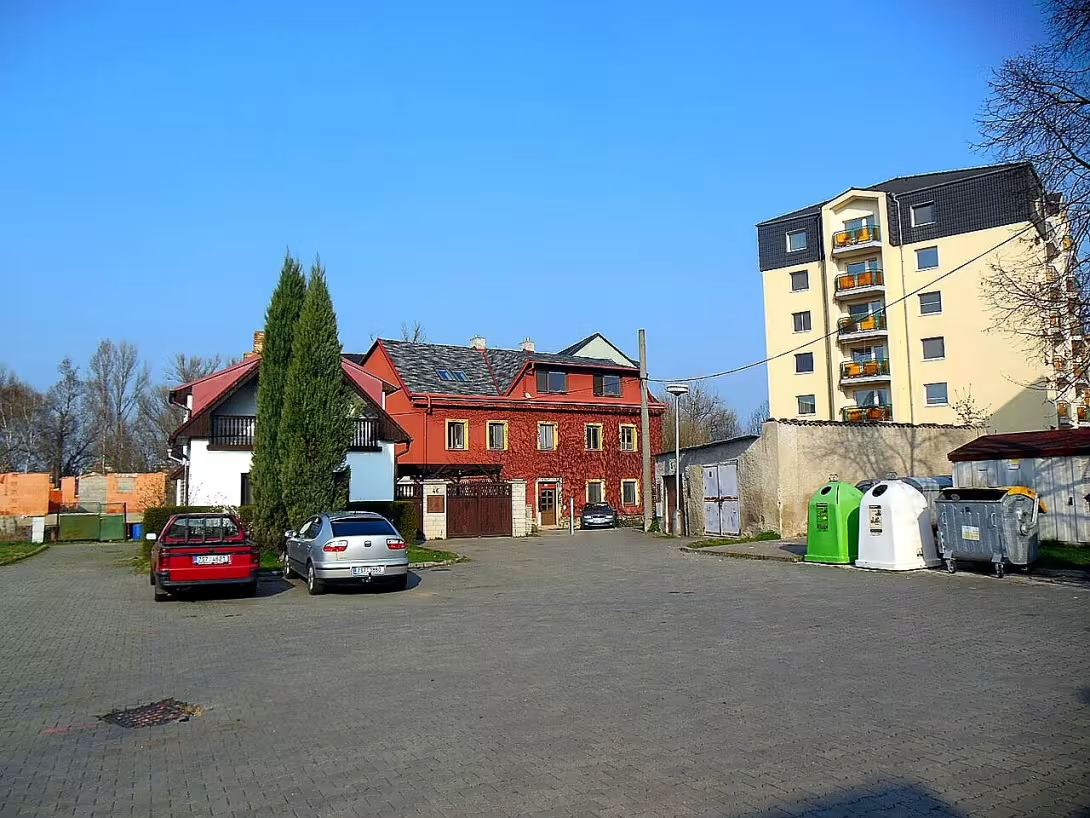
Na hrádku at Páleče is located a extinct fortress, which served as the headquarters of the flags of the Pálce family and later as the administrative centre of the monasteries in Slánsko. Located in the village Páleč in Kladno district and is protected as a cultural monument since 1967.
The fortress was built probably in the 13th century as a residence of the flags of the Bálč. Their influence in the region was considerable - already in 1318 the village was divided into four members of the genus. The fortress became a centre of administration and defence, which was in line with the development of the fort settlements in Bohemia. In the first half of the fourteenth century, however, it was acquired by the Augustinian people from the monastery in Roudnice nad Labem who set up an administrative centre for their property.
The original building consisted of a palace, tower and other buildings protected by walls and trenches. In the fourteenth century, it underwent an enlargement which met the needs of the monastery administration. The remains of the terrain and the remains of the masonry reveal its original form. In the sixteenth century, it was rebuilt by Adam Hrobčický of Hrobčice, who bought it from King Ferdinand I. in 1538. However, this reconstruction disappeared during the 30-year war.
The possession of the fort often changed. After the monastery, King Zikmund stopped it in 1420 to Kerunka of Sulevic. In the next decades, the fort became the object of stopping for different owners, gradually decaying. In 1538, it was sold by King Ferdinand I. Janu Mikša of Grubčice, who attached it to the Budenic estate. After the death of Adam Hrobčický from Hrobčice, Páleč became a separate estate in 1587. Jiří Hrobčický from Hrobčice lost half of his property after the construction uprising in 1618-1620 and left the country. The fort was then acquired by Albrecht of Valdštejn and the earls of Klarštejn.
An interesting personality associated with Páleč was Stephen of Bálče, who originally clung to Jan Hus, but after his burning in 1412 he became his opponent. King Václav IV banished him from Bohemia in 1415.
Today only the terrain remains of fortifications and remains of masonry have been preserved. Access to the site is possible because it is a protected cultural monument. Nevertheless, the fortress is an important historical element, which documents the development of the medieval residential structure and administration of monasteries. Visiting this place offers an opportunity to know the past and to understand the importance of the lost strongholds.
Historical milestones
- 13th century
- The founding of the battalion fortress.
- beginning of the 14th century
- Taking over the fort by the Augustinian monastery in Roudnice nad Labem.
- 1538
- King Ferdinand I sold to Jan Mikshi of the Gramblets.
- 1623
- Páleč receives Albrecht from Valdštejn after confiscation after the state uprising.
Architectural development
Originally it formed a fortress palace, a round tower and other buildings protected by walls and trenches. It was rebuilt and expanded in the 14th century. In the 16th century, the Renaissance reconstruction took place in the chateau, but after the 30-year war it disappeared. Only off-road remains and slight signs of masonry have been preserved.
Historical events
- 1318
- The village of Páleč was divided between four members of the family of flags from the battalion.
- 1412
- Stephen of the Batter became one of Jan Hus's greatest opponents after his burning.
- 1618-1620
- Jiří Hrobčický of Hrobčice lost half of his assets due to participation in the state uprising.
- after 1628
- The fortress ceased to serve as a mansion and disappeared during the Thirty Years' War.
Owners
thumb
augustinian monastery in Roudnice nad Labem
Kerunka of Sulevic (stopped by King Zikmund)
Jan Mikš z Hrobčice
Budenic manor (after connection Páleče)
Albrecht of Valdštejn
Jan from Goltze (connected to the grasshoppers)
Points of interest
- Fortress at Páleče served originally as the headquarters of the flags of the genus Pálče and later as the administrative centre of the monasteries in Slánsko.
- It was probably created in the 13th century and was the center of administration and protection in the region.
- In the 14th century, it was acquired by Augustinian people from the monastery in Roudnice nad Labem who set up an administrative center for their possessions.
- In the sixteenth century, it was rebuilt by Adam Hrobčický of Hrobčice, but this reconstruction was destroyed during the 30 years of war.
- Stephen of Pálč, originally a supporter of John Hus, became his opponent after his burning and was banished from Bohemia by King Wenceslas IV in 1415.
Guide
Show guide text
This text was created by artificial intelligence and has not been editorially reviewed. It may contain inaccuracies.
Welcome to the remains of the medieval fortress in Páleči
You are standing in front of a place that was once an important centre of power and administration in the country of Salland. In front of you, the terrain remains of a fallen fortress that stood here over 700 years ago. Note the slight slope that forms the natural fortification - remnants of valleys and moats that once protected solid masonry. Even if you can only see clues today, you can imagine how the noise of fighters, rustling sails and the voices of flags or monks who have been deciding on the whole region.
Let's look at history. The fortress was probably built here in the thirteenth century as a seat of flags from the House of Bálče. They were important masters in this area and their fortress served as a fixed place to manage their property and protect their interests. In the 14th century, however, the possession of the fortress changed - it was taken by the Augustinian community from the monastery in the nearby Roudnice nad Labem. For the monastery, Páleč became a key administrative centre for its large-scale estates in Slanska. The monks probably ran the farm here, nursed farmers and decided on land yields.
Now pay attention to what you see before you. The remnants of fortification and masonry today are just traces that remind us how strong and important this place was in the past. Take a look at the terrain - you can imagine how the moat and moat used to stretch here, which prevented the enemy from accessing. The masonry, which was still partially preserved, shows that the fortress was built firmly and permanently. Even if you see only small fragments today, you can realize how important this fortress played in protecting and managing the region.
Among the key personalities associated with this fortress are Stephen of the Batter, who was known as a friend and later opponent of Jan Hus. His family was based here and influenced the history of this area. Later, in the year 5thirty-eight, the fort was acquired by the Gramblets from the Gramblets who rebuilt it in the spirit of the Renaissance. Their influence was reflected in modifications that gave the fortress a new look and functionality. The Albrecht of Valdštejn then Páleč acquired twenty-third after the state uprising in 16 years, but a few decades later, the fortress disappeared and only these terrain tracks remained.
The interesting thing is that this fortress was originally built as a seat of the flags, but later became the administrative centre of the monasteries. This means that they have decided on the lot of people here - taxes, rights, the economy. The monks of Roudnice probably managed a vast field, pasture and forests that belonged to the monastery. Take a look at the surroundings - you can imagine how the paths were once drawn here, on which the subjects were travelling with the fruits of their work, or how they were meeting with other masters and administrators.
Let's look at one of the mysterious pages of this fort. Even if you can only see clues today, you can imagine how important events took place here. For example, Stephen of the Batter, who was a friend and opponent of Jan Hus, was probably here to decide things that affected the country. His family was associated with important events that shaped Czech history. It is also interesting that the fort passed from the hands of the flags to the hands of the monastery - this shows how the power conditions changed at that time and how the importance of this place changed.
If you like how the people's lottery has been decided here in the past, you can see other places in the area that are associated with similar history. Páleč was just one of the many centres of power in the country, and if you like this part of history, it is certainly worth visiting other chateaux and chateaux in this area. For example, there are other monasteries and mansions nearby that can show you how life has been lived and decided here.
Thank you for stopping by these remains of the medieval fortress. Even if you only see clues today, you can be sure there were many important things going on here. Let's take another look at the terrain and imagine how the noise of fighters, rustling sails and the voices of the people who decided on the whole region's lottery was soaring. Whether you continue to walk or come home, you can take with you the feeling that you stopped at a place that was one of the key elements of our history.
Tips for visitors
The best time to visit is in spring or autumn when the weather is pleasant and the surroundings are green. In summer the sun may be too intense on the ruins, while in winter access may be limited due to snow or ice. There's also a smaller crowd of people at these times, which allows for a more peaceful tour.
Transport is possible by car or public transport. Ruina is located in the agricultural landscape, so it is good to have a comfortable shoe for walking on uneven terrain.
When visiting, wear comfortable clothes and shoes, as the terrain at the ruins is not completely modified. It is also appropriate to take a map or GPS to make it easier to navigate around. If you are planning a longer stay, bring plenty of water and perhaps even refreshments, because there are no refreshments available immediately.
Photography is allowed, but the best places for quality images are from outside ruins where there is better light and wider view. The sun is the best morning or evening. When photographing inside the ruins, care must be taken not to damage the remains of the building. Remember to take a camera with enough zoom to capture details.
There is an agricultural landscape around the ruins with forests and ponds. It is worth an interesting visit to the Augustinian monastery in Roudnice nad Labem, which has been associated with Páleč in the past. Another option is Budenice Chateau, which is located nearby and is also a historical monument. Both of these places are about 30 minutes away from the ruins.
For families with children, visiting the ruins is a great opportunity to explore history. Children can see the remains of the medieval fortress and imagine what life in the past looked like. There is enough space in the area for walks and games. It is recommended to take with you some activities that will impress children, such as painting equipment for drawing ruins or a detective game where they will look for details in photographs.
Frequently asked questions
Can the monument be visited?
This is a ruin. Such sites are often freely accessible, but some can only be visited with a guide or are closed for safety reasons. We have not verified the current situation – take care and respect any restrictions.
Where is the monument?
Location: Páleč, Středočeský kraj. The map on this page shows the exact spot.
Why is the monument protected?
It is listed in the Central List of Cultural Monuments of the Czech Republic as a cultural monument (register no. 1000157235).
Businesses nearby
Do you run a restaurant, accommodation, shop, museum, rental, wellness or other visitor service near this monument? Show yourself directly to the people heading to it — this is how they will see you in the app and on the web:
Events nearby


Zdroj akcí: otevřená data měst a obcí ČR (Národní katalog otevřených dat) a kalendář akcí Národního památkového ústavu.
Nearby
Okolí je převážně zemědělsky využívaná krajina s lesními porosty a rybníky.
Klášter v Roudnici nad Labem
klášter
Augustiniánský klášter, který vlastnil Páleč v 14. a 15. století.
Zámek Budenice
zámek
Bližší zámek, který byl v 16. století spojen s Pálečem.
Accommodation nearby
Themed route
Daily trip route to historical hardness in Páleči * *
1. Castle Fortress in Páleči Type: Defense building from the 14th and 15th centuries, formerly owned by the Augustinian monastery. Why is it worth a visit: The fort here preserved preserved traces of medieval governance and religious life. It is interesting for archaeological findings and historical atmosphere.
2. Pond at Páleče * * Type: Natural water area nearby. Why is worth a visit: The pond is an ideal place for a peaceful walk and bird watching. The surrounding area is green and forest, which brings natural beauty.
3. Forestry between Páleč and the neighbouring settlement * * Type: Wooden vegetation with large trees. Why is it worth a visit: Walk in the forest offers natural rest and the opportunity to observe wildlife. The forest is also an important part of the landscape.
Conclusion: After visiting the fortress and surrounding area you can return to Páleče and relax at the local square or by the pond.
Seasonal recommendations
Jaro V době, kdy se příroda probouzí k životu, nabízí hrádkový areál v Páleči jedinečnou atmosféru plnou světla a proměnlivého počasí. Ranní slunce proniká mezi zbytky zdí a vytváří na kamenech jemné stíny, zatímco v okolí se rozkvétá jabloň a třešeň, jejichž vůně se mísí s vlhkostí po jarních deštích. Lesy kolem tvrze jsou ještě klidné, protože návštěvníci se teprve začínají vracet po zimě. Nejlepší čas na návštěvu je brzy ráno nebo v odpoledních hodinách, kdy se vyhnete větším skupinám turistů, kteří preferují teplejší letní dny. Doporučuje se obuv s dobrou přilnavostí, protože půda je často vlhká a cesty neupravené. Vhodné je lehké, ale větrané oblečení – jarní teploty se rychle mění, a v chladných ranních hodinách může být i pod deseti stupni.
Summer In the main summer season, the chateau grounds turn into a lively place full of sunlight and insects that rings in the grass. The warm days and long hours of daylight allow you to explore the ruins until late afternoon, but from the morning hours visitors come here looking for shelter from the city heat. The shadows between the remains of the walls are rare, so it is best to start the climb early in the morning to avoid the biggest crowds that appear around noon. It is recommended light but dense clothes that protect against the sun, and plenty of water - in the summer months there is often drought and shadows are minimal. The shoes should be comfortable because the terrain is uneven and the stones can be hot.
Autumn Autumn brings to Páleče atmosphere of mystery and peace, when leaves in the surrounding trees turn into golden and red shades and the sun shines through bright crowns. Ruina looks even more dramatic because it reflects the colors of the surroundings and evenings come faster. In this period, the visit is ideal for those seeking peace and opportunity to take photos with a unique light effect. The best time is in the afternoon, when the sun shines oblique and creates long shadows that highlight the structure of the remains. Clothes should be warm but not too heavy - temperatures fall, but rainy days are no exception. It is also recommended to wear durable shoes because wet soil and fallen leaves can be slippery.
Winter In the winter months, the chateau grounds turn into a place where the ice silence meets with a historical touch. The snow covers the surrounding forests and the remnants of the walls, which creates a fairy tale atmosphere, but also limits access - some roads may be dangerous or inaccessible. The sun shines only briefly here, and therefore it is best to visit the ruins in the afternoon, when light is reflected from snow and creates fine reflections on rocks. Clothes must be warm, ventilated and humidity-resistant - temperatures often fall below freezing, and the wind may be steep. Solid footwear with good grip is recommended as ice and frozen soil increase the risk of sliding. In winter, the premises are often closed or have limited opening times, so it is advisable to inform yourself in advance.
Visualizations and artistic views


The visualisations are generated by artificial intelligence and serve as inspiration.
Photos from the area
Real photos taken near the monument


Zdroj a licence jsou uvedeny u každého snímku.
Tips from visitors
No tips yet. Be the first!
Log in and add your tip.
Sources and literature
Faktickým podkladem tohoto textu byl článek na Wikipedii, jehož autory jsou přispěvatelé Wikipedie. Článek je dostupný pod licencí CC BY-SA 4.0.
Location on the map





Příběhy a pověsti
Legendy, pověsti a příběhy spjaté s touto památkou

Fotografie návštěvníků
Zatím žádné fotografie. Buďte první, kdo přidá fotografii z návštěvy!
Log in a přidejte svou fotografii nebo hodnoťte.
Za ověřenou návštěvu v aplikaci získáte víc bodů — poznáme podle GPS, že jste na místě.
Reviews and comments