






Nádražní 298 Villa
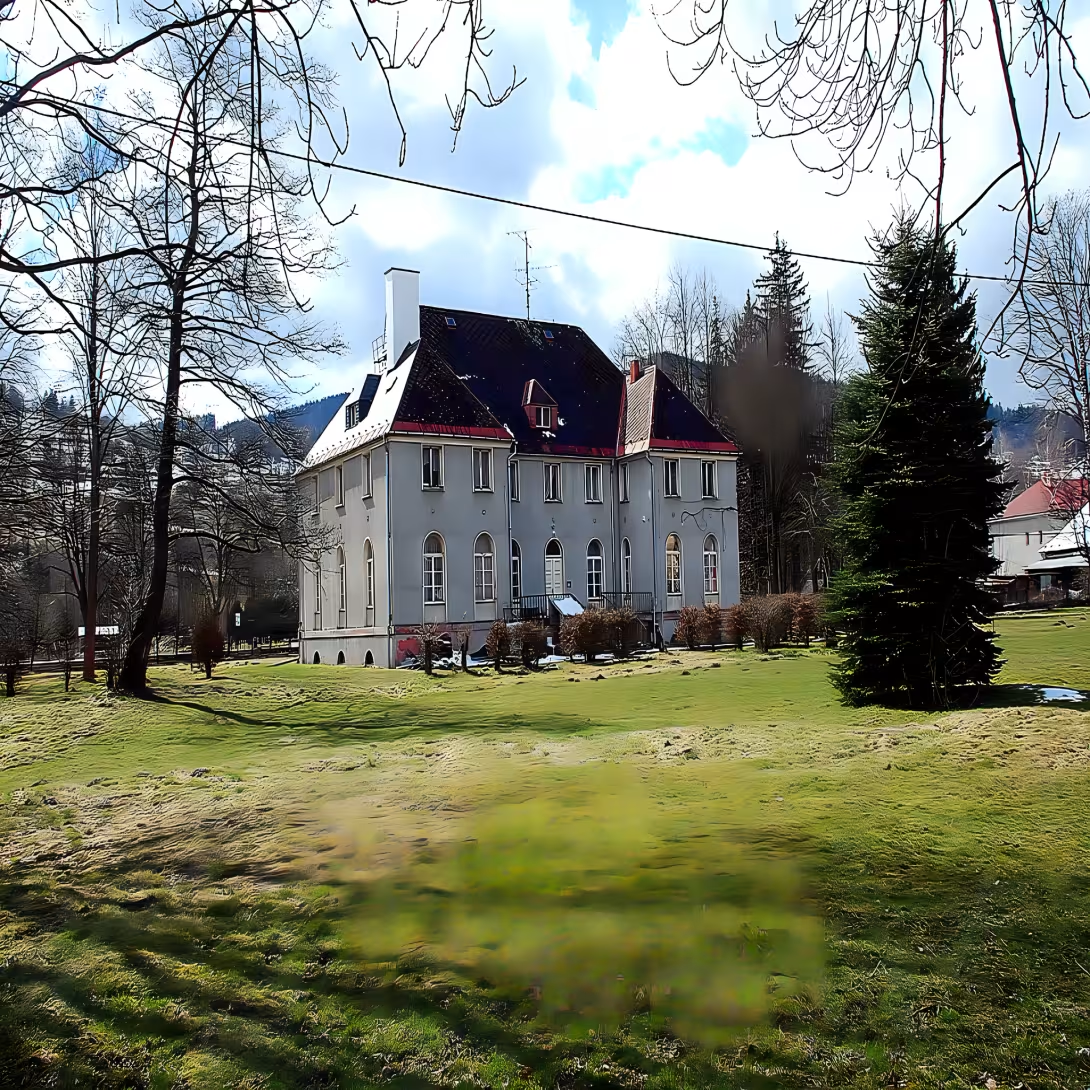
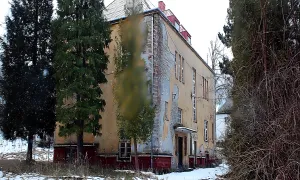
Villa Fritz Grohmann in the municipality of Vrbno pod Pradědem in the district of Bruntál is a significant Art Nouveau building from 1921- 1922. The project for the family of Grohmann industrialists was developed by the renowned Viennese architect Josef Hoffmann. The building represents a rare example of the architecture of its time in this location.
The villa was built by Fritz Grohmann, son of then Mayor Emil Grohmann, after his marriage to Susana Primaves. The Grohmann family was a major business dynasty in the region. She ran factories in Vrbna, Pocht and Markvartice, but also in Romanian Timisoara and Rakopalot. Construction work took place in 1921-1922.
It is a single-storey walled structure with a U-shaped floor plan made up of the main body and two side wings. The building has a valb roof with mansard skylights. The original slate cover was later replaced by eternity. The south facade is five-axis, side three-axis and the north part consists of two-axis wings with three-axis middle facade. The ground floor is dominated by high windows with semicircular arches, the floor is rectangular and the basement is semi-circular again. All the windows are decorated with profiled champagne. A small terrace is adjacent to the north side between the wings, while the south side leads the east to a semi-circular terrace with a metal railing. The whole area is surrounded by a park garden. There was a fountain framed by two symmetrical alleys and a southern driveway in front of the front.
The ground floor consisted of a stairwell with an adjacent track where there was a dining room, kitchen and service staircase. The second tract served for representative purposes and included a men's room with a guest suite. On the first floor there were bedrooms of husbands and children; The corridor was paved with red dumplings. The later reconstruction may have disrupted the original available and damaged the interior, but architectural details have been preserved in the building so far. These include Fabrons, mansions, stucco, fittings, staircases or railings.
The Grohmann family used the villa until 1945. After World War II, the races of S. K. Neumann entered the building. They converted the family home into offices, health centres and apartments for employees. Since the 1990s, Odetka a.s. Villa has been the owner of the company, which was entered in the state list of monuments before 1988.
The villa Fritz Grohmann remains an important testament to the industrial history of the region and the architectural taste of the early 20th century. Its value lies mainly in the authorship of Josef Hoffmann and preserved details of the interior. Visiting the building offers insight into the lifestyle of the then entrepreneurs.
Then and now
Drag the slider to compare how the landmark may have looked when it was built with the view today.
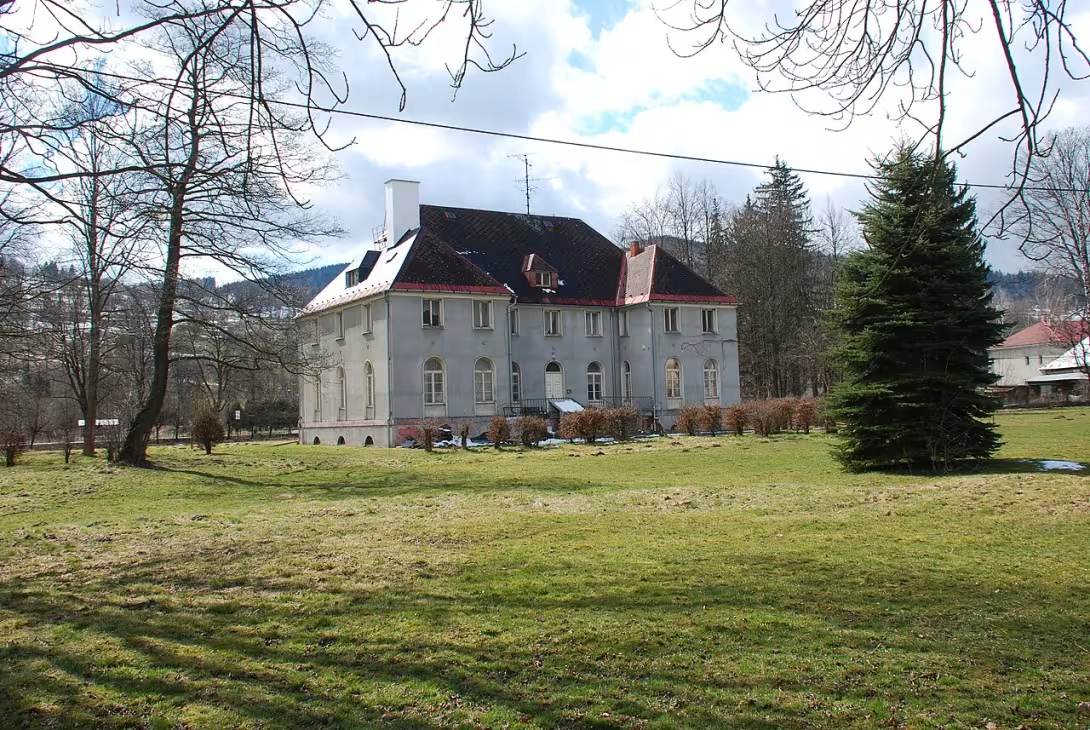
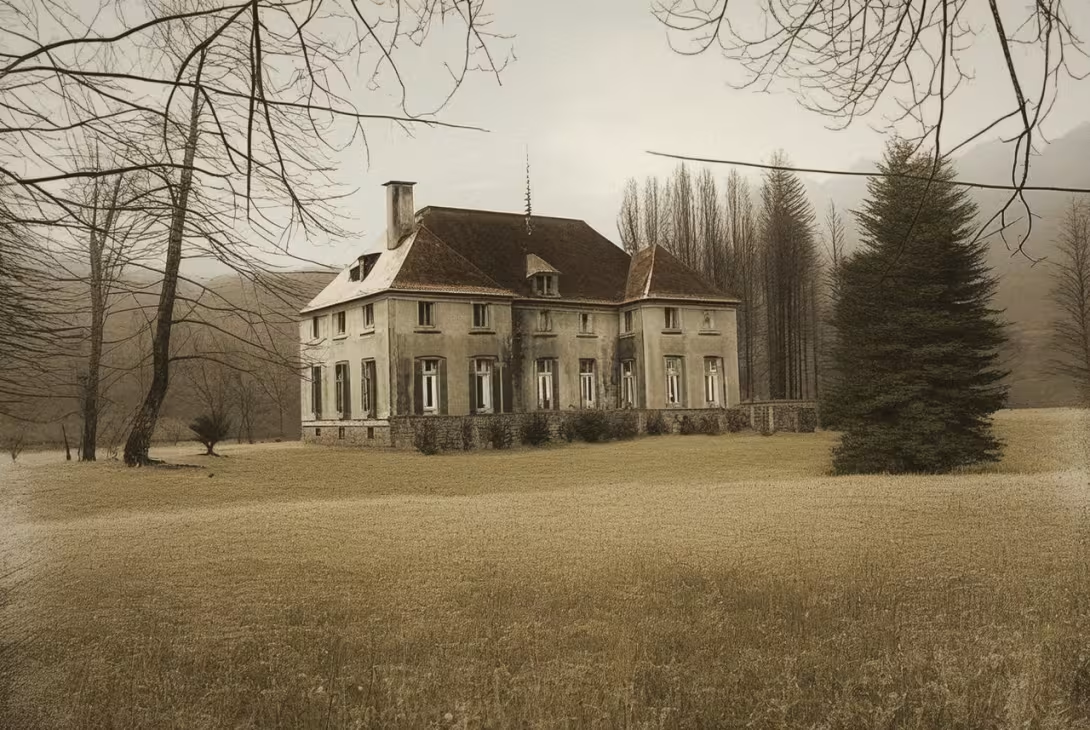
The historical appearance on the left is an AI-generated visualisation and serves as inspiration only.
Historical milestones
- 1921
- The opening of the villa building.
- 1922
- Completion of construction.
- 1945
- Getting the object of the S. K. Neumann race.
- 90 Flight
- Owning Odetka a.s.
Architectural development
A single-storey brick building with a U-shaped floor plan and a valb roof. The original shale roof cover subsequently replaced the eternit. The interior was disturbed after the reconstruction, but some elements were preserved such as stucco and fittings.
Historical events
In 1921 the construction started, in 1922 it was completed. After 1945, the villa was used by S. K. Neumann.
Owners
Grohmann family (until 1945), S. K. Neumann races (after 1945), Odetka a.s. company (since the 1990s).
Points of interest
- The project for the family of Grohmann industrialists was developed by the renowned Viennese architect Josef Hoffmann. - The Grohmann family was a major business dynasty with factories in the region, Romania and Hungary. - The building has a U-shaped floor plan and the whole area is surrounded by a park garden. - The interior has so far preserved architectural details such as faceons, moldings, stucco or fittings. - After World War II, the villa was used as an office, health centre and housing for employees.
Guide
Show guide text
This text was created by artificial intelligence and has not been editorially reviewed. It may contain inaccuracies.
Welcome to Fritz Grohmannov's villa in Vrbna, under the Práděd, a unique monument that tells stories of the past and architectural art. You're standing in front of an elegant facade with fine cuts of the building lines that immediately captivate you with their historic beauty. This majestic object is a reference to the time when the region was known for its industrial prosperity and architectural innovations.
The villa of Fritz Grohmann is rooted in 1921 when its construction began. It was designed for an important entrepreneur Fritz Grohmann and his family, making it a symbol of the wealth and ambition of the time. The project was trusted by Josef Hoffmann, a recognized Viennese architect known for his beneficial work in modern design. In 1922 the construction was completed and the following decade it served as a family residence.
What can you notice if you look at the architectural detail? An interesting plan is the U-shaped floor plan, which served not only functional purposes, but also aesthetic. The whole area is surrounded by a park garden, which gives this place peace and elegance. Although the interior has changed over the years, it is still possible to feel the original atmosphere that Hoffmann wished to preserve.
The Grohmann family was not only the owner of this villa, but also a key business force. Fritz Grohmann and his brother Emil together with Susana Primaves formed a dynamic family that had factories not only in the region, but also far beyond the borders of Romania and Hungary. Their business has affected the economy of the entire county.
The interesting feature of this monument is its conversion after World War II, when the races S. K. Neumann were acquired in 1945 and subsequently served various utility purposes. In the 1980s, the building became the property of Odetka a.s., indicating its adaptability over time.
Let's remind ourselves that even though the villa was rebuilt, it preserved its architectural roots. Notice how history and modernity intersect in this building, which stands as a monument to the past and present.
I suggest you explore the surrounding gardens and think about the thousands of lives that have come here. Whether you're here by chance or planning a more detailed tour, Fritz Grohmann's villa is a great place to discover history and architecture. Thank you for your visit and we hope you will return with new experiences and jokes about this fascinating place.
Tips for visitors
The best time to visit Fritz Grohmann's villa is spring and autumn, when the surrounding park area and garden are in full bloom, but temperatures are still pleasant for walks. In summer it can be hot in the garden, so choose the morning or evening hours when the light is softer and fewer people. In winter the construction and garden are presented in a calmer, snow atmosphere, which is ideal for romantic walks if access to the garden is technically possible.
Transportation to Vrbna pod Pradedo is possible by car and public transport. If you arrive by car, parking is usually available near the centre of the village, a specific parking space at the sights check in advance as it can be limited. For passengers by public transport we recommend to verify the current connection and departure times in the search engine, as the lines can change according to the season.
Take comfortable shoes for walking on grassy and possibly uneven surfaces to the park area and garden. We also recommend a light umbrella because the weather in the mountain range of Broum walls can change rapidly, and enough drinking water, especially in the summer months. If you plan to stay longer in the garden, pack a light snack.
The morning or late afternoon light is most suitable for photography, which creates long shadows and emphasizes architectural details of the villa and the structure of the surrounding green. The best places for pictures are views from different garden angles where the villa opens up to the landscape. Try to capture the contrast between modernist construction and the park's natural environment.
In the vicinity of the villa there is a park area and garden, which are part of the total experience of the visit. For families with children, walking around the garden is a great activity where they can discover plants and enjoy the free space. Children can play on grassy areas if conditions allow, and parents can use a quiet environment to relax. Always follow the rules of conduct on the premises and respect vegetation.
Businesses nearby
Do you run a restaurant, accommodation, shop, museum, rental, wellness or other visitor service near this monument? Show yourself directly to the people heading to it — this is how they will see you in the app and on the web:
Nearby
Park area and garden surrounding the villa.
Accommodation nearby
Themed route
1. Park area - Park. Ideal place for a quiet walk and moody meal before the actual visit of the building. 2.Nádražní 298 (villa) - Villa. The main point of the route where you can admire the architecture and history of this house. 3. Garden surrounding the villa - Garden. Space for relaxing and observing details of the exterior design of the villa from the vicinity.
Seasonal recommendations
Spring in Vrbna pod Pradad brings the awakening of nature, when the surrounding meadows and forests are covered with green and flowers. The Villa on Nádražní 298 is surrounded by fresh air at this time and with gradually longer daily hours that allow longer walks around the area. The light is soft and scattered, which creates a peaceful atmosphere ideal for contexting the history of the building. Practical advice relates to changing weather, when the wounds can be cold and the afternoon warmer, so it is advisable to wear layered clothes and waterproof jacket. Visitors can look forward to smaller crowds than in summer, which ensures a more private experience. The best time to visit is late afternoon when the sun falls at an angle that highlights architectural details of the villa, and the temperature is still pleasant for outdoor stay.
Summer is the main season where the surroundings of the villa are full of life and tourists. Intense sunlight illuminates the facade and the garden, while the surrounding mountains gain rich green shades. The atmosphere is energetic, but can be busy, especially on weekends and holidays. For a comfortable visit is the key arrival in the morning when there are fewer people and the temperature is not yet extreme. Clothes should be light and airy, with emphasis on sun protection such as a hat and sunglasses. Due to the increased traffic, it is advisable to pre-arrange entry or schedule a tour off-peak, which usually occurs between noon and 4 pm. The afternoon heat can be challenging, so it is good to have enough drinking mode and look for shady places around the monument.
Autumn brings a unique atmosphere of golden and red leaves to Vrbna pod Pradad, which contrasts with a darker sky. The light is lower and warmer, which creates a romantic and melancholy environment around the villa. Nature prepares for sleep, which gives the visit depth and peace. Clothes should be laminated, with an emphasis on heat and protection against the winds that are more frequent in this season. Days are shorter, therefore it is best to visit the memory of the morning when the light is brightest and the temperature still allows outdoor walks without excessive cooling. The crowds are again smaller than in summer, which allows for a more detailed tour and better photography. It is important to monitor the weather because autumn rains can quickly occur and have an umbrella or waterproof shoes with them.
Winter in Vrbna pod Pradad is characterized by snow, which covers the surroundings of the villa and creates a quiet, white landscape scenery. Short days and low sun give the memory a magical and peaceful feel, while the cool air brightens the atmosphere. Clothes must be very warm, including winter jackets, gloves, hats and warm shoes to make the stay outside comfortable. The visit is ideal in the afternoon when the sun still shines and temperatures are milder than morning or evening. Due to winter conditions, the opening hours may be shortened or limited, so it is necessary to check the current information in advance. The crowds are minimal, which ensures maximum privacy and the possibility of enjoying the quiet snow landscape without interference.
Visualizations and artistic views


The visualisations are generated by artificial intelligence and serve as inspiration.
Photos from the area
Real photos taken near the monument


Zdroj a licence jsou uvedeny u každého snímku.
Tips from visitors
No tips yet. Be the first!
Log in and add your tip.
Sources and literature
Fotografie: Wesalius / CC BY-SA 4.0, rozlišení zvýšeno umělou inteligencí — Wikimedia Commons. The author and licence also appear when you hover over the image.
Faktickým podkladem tohoto textu byl článek na Wikipedii, jehož autory jsou přispěvatelé Wikipedie. Článek je dostupný pod licencí CC BY-SA 4.0.
Location on the map


Příběhy a pověsti
Legendy, pověsti a příběhy spjaté s touto památkou
Fotografie návštěvníků
Zatím žádné fotografie. Buďte první, kdo přidá fotografii z návštěvy!
Přihlaste se a přidejte svou fotografii nebo hodnoťte.
Za ověřenou návštěvu v aplikaci získáte víc bodů — poznáme podle GPS, že jste na místě.
Reviews and comments