






Národní dům (Prostějov) Theatre
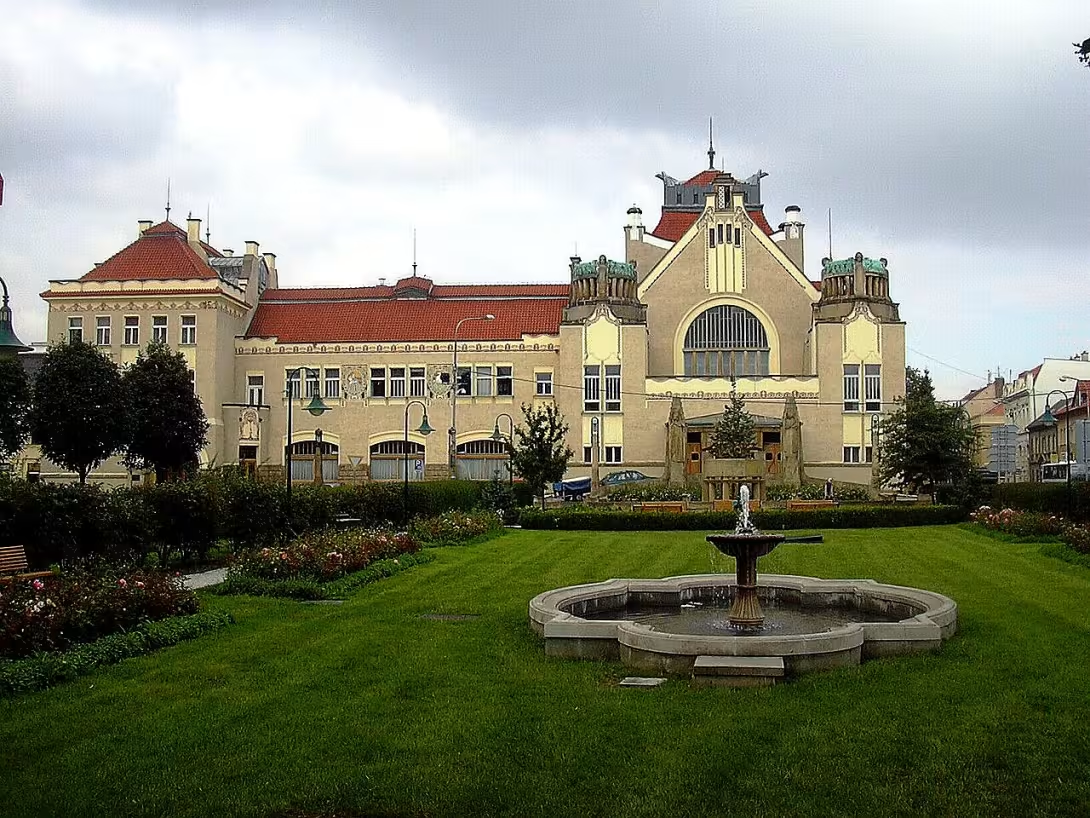
Národní dům in Prostějov stands as a testament to early 20th-century cultural vibrancy within the Czech Republic. Located at the heart of Prostějov, this historical building was constructed between 1905 and 1907 by renowned architect Jan Kotěra. Its significance lies not only in its architectural style but also in its role as a cultural hub that continues to attract visitors today.
The inception of Národní dům is rooted in the cultural flourishing of Bohemia during the Austro-Hungarian Empire, where modernism and artistic innovation were gaining momentum across Europe. The Secessionist movement, which influenced the building's design, sought to break away from traditional styles, embracing new forms and ideas. Jan Kotěra, a pivotal figure in Czech architecture, designed Národní dům as a multifunctional cultural center. His vision was brought to life with contributions from several prominent artists of the time, including painters František Kysela and Jan Preisler, and sculptors Stanislav Sucharda, Vojtěch Sucharda, and Karel Petr.
Architecturally, Národní dům is a prime example of Art Nouveau or Secessionist style. The building was initially conceived to serve as a cultural center featuring a theater, concert hall, restaurant, café, and clubrooms. These elements reflect the era's emphasis on creating spaces that fostered social interaction and artistic expression. Over time, however, the building underwent significant changes, particularly during World War II when architect Emile Tranquillin led insensitive renovations that removed many Secessionist features. Despite these alterations, efforts in the late 20th and early 21st centuries focused on restoring its original splendor, including the addition of secessionist-style lighting and café elements.
Ownership and administration of Národní dům have seen various phases, marked by both preservation and transformation. The building's historical journey includes a notable event in November and December 1907 when it was inaugurated to much acclaim. In recognition of its cultural importance, Národní dům was declared a national cultural monument in 2008. This designation underscores its value not only as an architectural landmark but also as a symbol of Prostějov's rich cultural heritage.
Key events in the building’s history highlight both challenges and triumphs. During World War II, it faced insensitive renovations that altered its original design. However, a comprehensive restoration project culminated in 2019 when Národní dům was awarded the regional title of Monument of the Year, celebrating its restored beauty and historical significance.
Today, Národní dům remains an accessible cultural landmark in Prostějov. Visitors can explore its rich history and architectural elegance while appreciating its role as a vibrant center for arts and culture. The building's proximity to Vojáčkovo náměstí and the memorial to the Vojáčkovy couple adds to its allure, making it an integral part of Prostějov’s historical landscape.
Národní dům is not just a monument; it is a living testament to the cultural dynamism of early 20th-century Bohemia. Its architectural beauty and historical significance make it a must-visit for anyone interested in exploring the rich tapestry of Czech history and culture.
Then and now
Drag the slider to compare how the landmark may have looked when it was built with the view today.
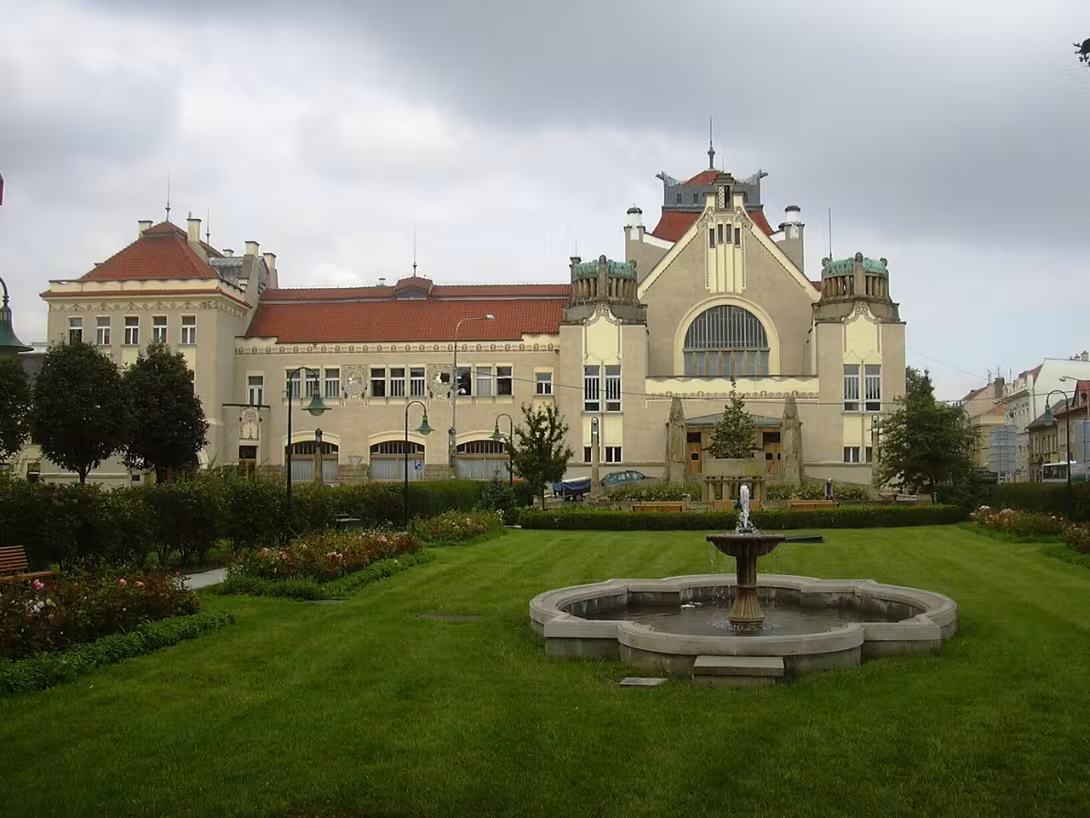

The historical appearance on the left is an AI-generated visualisation and serves as inspiration only.
Historical milestones
- 1907
- The building was inaugurated.
- 2008
- Declared a national cultural monument.
Architectural development
Národní dům was initially built as a cultural center with contributions from several artists. It underwent significant changes during World War II when many Secessionist elements were removed. Subsequent renovations in the late 20th and early 21st centuries focused on restoring its original features, including the addition of secessionist-style lighting and café.
Historical events
The building was inaugurated on November 30 and December 1, 1907.
During World War II, it underwent insensitive renovations by architect Emile Tranquillin.
In 2019, the building won the regional title of Monument of the Year after a comprehensive restoration project.
Points of interest
- Although Jan Kotěra was the primary architect of Národní dům, his design was heavily influenced by discussions with contemporary artists and intellectuals who frequented Prostějov during its construction. This collaborative spirit is evident in the building's eclectic blend of artistic styles.
- During World War II, some original artworks inside Národní dům were hidden to protect them from potential damage or looting. These pieces were only rediscovered decades later during restoration efforts, adding a layer of mystery and intrigue to its history.
- In the early 20th century, Národní dům was rumored to be a meeting place for secret societies interested in esoteric arts and sciences. While there is no concrete evidence, this legend adds an air of mystique to its cultural significance during that period.
- The building's café once hosted a famous chess tournament where several renowned players participated. This event contributed to Národní dům’s reputation as not just a cultural hub but also a center for intellectual gatherings and competitions in the early 1900s.
- During the restoration project culminating in 2019, workers discovered an old time capsule buried beneath the building's foundation by its original builders. The contents of the capsule included architectural sketches and personal letters from Jan Kotěra and his contemporaries, providing rare insights into their creative process.
Guide
This guide is narrated by a synthetic voice generated by artificial intelligence.
Show guide text
This text was created by artificial intelligence and has not been editorially reviewed. It may contain inaccuracies.
Welcome to the Národní dům in Prostějov, a remarkable testament to architectural innovation and cultural vibrancy from the early 20th century. As you stand before this majestic structure, take a moment to absorb its grandeur—a harmonious blend of form and function that has stood proudly since its inception.
The Národní dům was conceived by the visionary architect Jan Kotěra between 1905 and 1907. Its creation marked a significant period in Prostějov's history, serving as both a cultural beacon and a testament to the collaborative spirit of the era. This building emerged not just from architectural ambition but from spirited discussions with contemporary artists and intellectuals who were drawn to Prostějov during its construction.
As you gaze upon the façade, notice how it encapsulates the Secessionist style—a style characterized by elegant lines and an emphasis on artistic freedom that was revolutionary at the time. The building's design is enriched by contributions from notable figures like Stanislav Sucharda and Bohumil Kafka, whose influence can be seen in its decorative elements.
Let’s delve into some of the stories and personalities intertwined with this iconic site. Karel Vojáček, a prominent figure in Prostějov's cultural scene, was closely associated with Národní dům. His efforts helped ensure that the building became more than just an architectural marvel; it evolved into a hub for artistic expression and community gathering.
One fascinating aspect of this site is its collaborative genesis. Although Jan Kotěra was the primary architect, his vision was significantly shaped by dialogues with contemporaries who frequented Prostějov during its construction. This spirit of collaboration is evident in the eclectic mix of styles that grace the building’s interiors and exteriors.
Now, as you continue your exploration, immerse yourself in the atmosphere of this cultural hub. Imagine the lively performances once held in its theater or the vibrant discussions that echoed through its halls. Each corner holds a story waiting to be discovered.
As we conclude our journey here at Národní dům, I invite you to linger and explore further. There is much more to uncover about this remarkable building and its enduring legacy in Prostějov. Thank you for joining me on this audio tour, and may your curiosity lead you to many more discoveries. Safe travels!
Tips for visitors
The best time to visit Národní dům in Prostějov is during the late spring or early fall when the weather is pleasant, making it ideal for exploring both the building and its surroundings. During these months, you can enjoy outdoor events at Vojáčkovo náměstí without the discomfort of summer heat or winter cold. Additionally, visiting during cultural festivals or special exhibitions held in the theater or concert hall can enhance your experience.
Public transportation is convenient and recommended for reaching Prostějov's center. You can use local buses that connect the town with nearby areas. For detailed routes and schedules, it's best to check a reliable online transport service or app prior to your visit.
When visiting Národní dům, consider bringing comfortable walking shoes as you'll likely explore both indoors and outdoors. A camera is recommended for capturing the architectural beauty of this Secessionist building and the historic ambiance of Vojáčkovo náměstí. If planning to attend a performance or event inside, check if photography is allowed.
For photography enthusiasts, early morning or late afternoon offers the best natural lighting to capture Národní dům's intricate architectural details. The building’s façade and surrounding square provide excellent vantage points for photos. Additionally, capturing images from Vojáčkovo náměstí can highlight the memorial to the Vojáčkovy couple against a backdrop of Prostějov's historic setting.
Nearby attractions within 30 minutes include other historical sites that contribute to Prostějov’s cultural landscape. Exploring these areas offers more insight into the region’s rich history and architecture, complementing your visit to Národní dům. For families with children, consider visiting nearby parks or museums that offer interactive exhibits suitable for younger audiences.
Frequently asked questions
Can the monument be visited?
The building is in use (offices, a school, shops and the like). The interior is generally accessible only during operating hours and tours are not usually offered; we have not verified the details. You can see the exterior from the street.
Where is the monument?
Location: Vojáčkovo nám. 218/1, Prostějov, Olomoucký kraj. The map on this page shows the exact spot.
Why is the monument protected?
It is listed in the Central List of Cultural Monuments of the Czech Republic as a national cultural monument (register no. 325).
Businesses nearby
Do you run a restaurant, accommodation, shop, museum, rental, wellness or other visitor service near this monument? Show yourself directly to the people heading to it — this is how they will see you in the app and on the web:
Events nearby

Zdroj akcí: otevřená data měst a obcí ČR (Národní katalog otevřených dat) a kalendář akcí Národního památkového ústavu.
Nearby
Located in the center of Prostějov, Národní dům is near Vojáčkovo náměstí and features a memorial to the Vojáčkovy couple. The surrounding area includes other historical sites and contributes to its cultural significance.
Accommodation nearby
Trips and activities nearby
Guided tours, tickets and activities nearby from GetYourGuide
Affiliate link: if you buy from the partner, we may receive a commission. The price for you does not change.
Search tours and activities →Themed route
Thematic Walking Tour of Prostějov Center
1. Národní dům (Prostějov) - Theater Begin your journey at the heart of Prostějov, where the iconic Národní dům stands as a beacon of cultural heritage. This historic theater is not only an architectural marvel but also serves as a vibrant hub for arts and performances in the region. Its significance lies in its role as a gathering place that has hosted countless events over the years, making it a cornerstone of Prostějov's cultural life.
2. Vojáčkovo náměstí - Square A short walk from Národní dům, you'll arrive at Vojáčkovo náměstí. This central square is named after the renowned Vojáčkovy couple, who were prominent figures in Czech history. The square features a memorial dedicated to them, offering insight into their contributions and legacy. It's an ideal spot for reflection on Prostějov's rich historical tapestry.
3. Memorial to the Vojáčkovy Couple - Monument Located within Vojáčkovo náměstí, this poignant memorial honors the memory of the Vojáčkovy couple, whose efforts in education and social reform left a lasting impact on the community. The monument serves as both an artistic tribute and a historical reminder of their dedication to public service and cultural enrichment.
4. Historical Surroundings - Architectural Ensemble As you explore the area around Vojáčkovo náměstí, take in the surrounding historical buildings that contribute to Prostějov's unique charm. These structures, with their intricate facades and storied pasts, offer a glimpse into the architectural evolution of this central district. Each building tells its own tale, adding layers to your understanding of the town's heritage.
5. Return to Národní dům - Cultural Reflection Conclude your tour by returning to Národní dům, where you can reflect on the cultural and historical insights gained during your walk. Consider attending a performance or visiting an exhibition within the theater to deepen your appreciation of Prostějov's vibrant arts scene, which continues to thrive in this historic setting.
This tour offers a compact yet enriching experience, weaving together history, culture, and architecture within the heart of Prostějov.
Seasonal recommendations
Spring: Visiting Národní dům (Prostějov) during spring offers a unique experience as the surrounding landscape bursts into vibrant colors with blooming flowers and fresh greenery, creating an enchanting atmosphere that complements the historic architecture of the theater. The gentle warmth of the sun enhances the natural beauty, making it a perfect time to explore both indoors and outdoors. Visitors should consider wearing layers, as spring weather can be unpredictable—warm during the day but cooler in the evening. Arriving early is advisable to enjoy the gardens without crowds, especially since this period often marks the beginning of the tourism season.
Summer: Summer at Národní dům (Prostějov) is characterized by long daylight hours and warm temperatures, making it an ideal time for outdoor activities around the theater. The lush greenery and well-maintained gardens provide a picturesque setting for visitors to relax or take leisurely walks after exploring the historic site. Due to its popularity during this season, expect larger crowds, so plan your visit early in the day to avoid long lines and ensure a more enjoyable experience. Comfortable walking shoes and light clothing are recommended, along with sunscreen and a hat to protect against the sun.
Autumn: Autumn transforms Národní dům (Prostějov) into a stunning tapestry of warm colors as leaves change from green to shades of red, orange, and gold. The cooler temperatures and softer light create a cozy atmosphere that enhances the charm of this historic theater. This season is ideal for photography enthusiasts looking to capture the natural beauty surrounding the site. Visitors should dress warmly in layers, as evenings can be quite chilly. While crowds are thinner compared to summer, it's still wise to arrive early to fully enjoy the serene environment and possibly catch a matinee performance.
Winter: Winter at Národní dům (Prostějov) offers a magical experience with its snow-covered landscapes providing a picturesque backdrop for the historic theater. The shorter days mean that visitors need to plan their visit during daylight hours, as the site may have limited opening times in the colder months. The atmosphere is serene and peaceful, perfect for those looking to escape the hustle and bustle of city life. Warm clothing is essential, including coats, hats, gloves, and sturdy boots, to comfortably navigate the potentially icy paths around the theater. Despite fewer visitors, arriving early can help ensure you make the most of your time exploring this enchanting winter wonderland.
Visualizations and artistic views


The visualisations are generated by artificial intelligence and serve as inspiration.
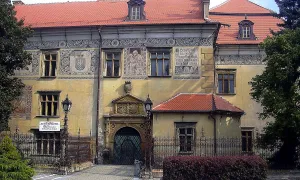
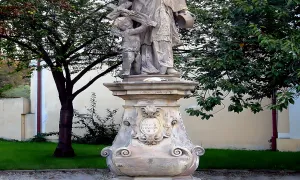
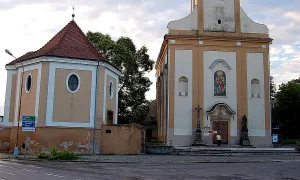
Photos from the area
Real photos taken near the monument


Zdroj a licence jsou uvedeny u každého snímku.
Tips from visitors
No tips yet. Be the first!
Log in and add your tip.
Sources and literature
Photos: cs:User:Pernak / CC BY 2.5 — Wikimedia Commons. The author and licence also appear when you hover over the image.
Faktickým podkladem tohoto textu byl článek na Wikipedii, jehož autory jsou přispěvatelé Wikipedie. Článek je dostupný pod licencí CC BY-SA 4.0.
Location on the map

Příběhy a pověsti
Legendy, pověsti a příběhy spjaté s touto památkou
Fotografie návštěvníků
Zatím žádné fotografie. Buďte první, kdo přidá fotografii z návštěvy!
Log in a přidejte svou fotografii nebo hodnoťte.
Za ověřenou návštěvu v aplikaci získáte víc bodů — poznáme podle GPS, že jste na místě.
Reviews and comments