






Německý dům Other
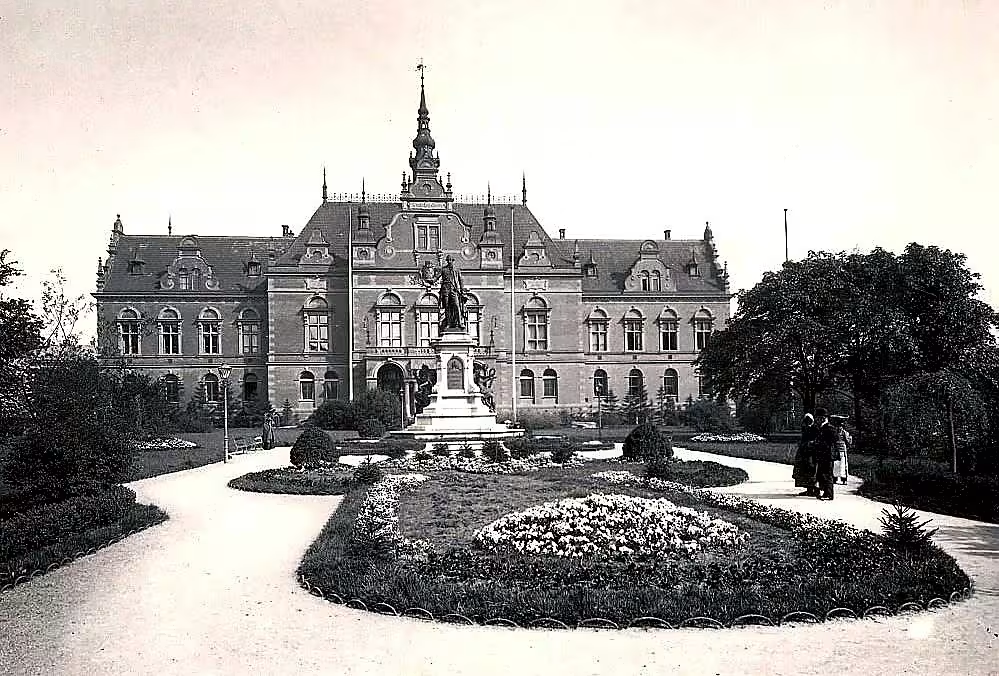
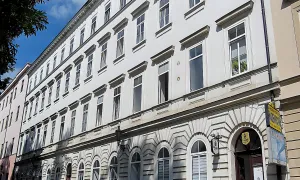
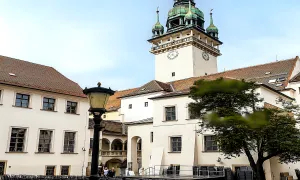
Německý dům in Brno is a remarkable historical monument showcasing eclectic architectural styles from the late 19th century. Located at Moravské náměstí, it served as a vibrant social center for the German community from its establishment in 1891 until 1945. Its significance lies not only in its role as a hub for cultural and social activities but also in its architectural design that blends Gothic revival, German Renaissance, Baroque, and Romanticism.
The origin of Německý dům is deeply rooted in the cultural and nationalistic movements prevalent during the late 19th century within the Austro-Hungarian Empire. Established in 1891 to serve as a social center for Brno's German community, it emerged during a period marked by significant cultural development and heightened national tensions between Czechs and Germans. Its creation was driven by Friedrich Wannieck’s vision of fostering a communal space that would unite various strata of the German-speaking population in Brno.
Architecturally, Německý dům is a testament to innovative design approaches of its time. The building was conceived by the Berlin-based architectural firm Ende & Böckmann, with contributions from Brno architect German Wanderley. Its design draws heavily on Northern European Renaissance influences, characterized by symmetrical facades and brickwork adorned with stone cladding. These elements are complemented by high roofs and gables that enhance its monumental presence. The interior reflects a blend of classical and baroque styles, featuring spacious windows and portals that ensure ample daylight and an airy ambiance.
Throughout its history, Německý dům functioned as more than just a clubhouse; it was the epicenter for various societies such as Deutsches Haus and Mährischer Gewerbeverein. It hosted concerts, exhibitions, and social gatherings catering to middle-class German-speaking residents of Brno. The building's multifaceted role extended to educational pursuits with lectures and courses aimed at enriching the community’s cultural life.
The significance of Německý dům was further underscored by its perception as a bastion of German identity during periods of nationalistic strife between Czechs and Germans. This perception added layers of complexity to its historical narrative, marking it as an object of both admiration and contention within the local community.
Today, while the original functions of Německý dům have evolved post-World War II, its architectural grandeur remains a point of interest for visitors. The building's unique blend of styles and its role in Brno’s cultural history make it a noteworthy site worth exploring. Its presence on Moravské náměstí continues to be a testament to the city's rich historical tapestry, inviting those interested in architecture and history to delve into its storied past.
Then and now
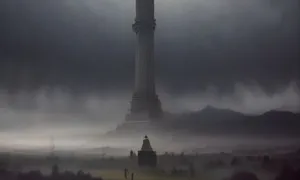
Drag the slider to compare how the landmark may have looked when it was built with the view today.
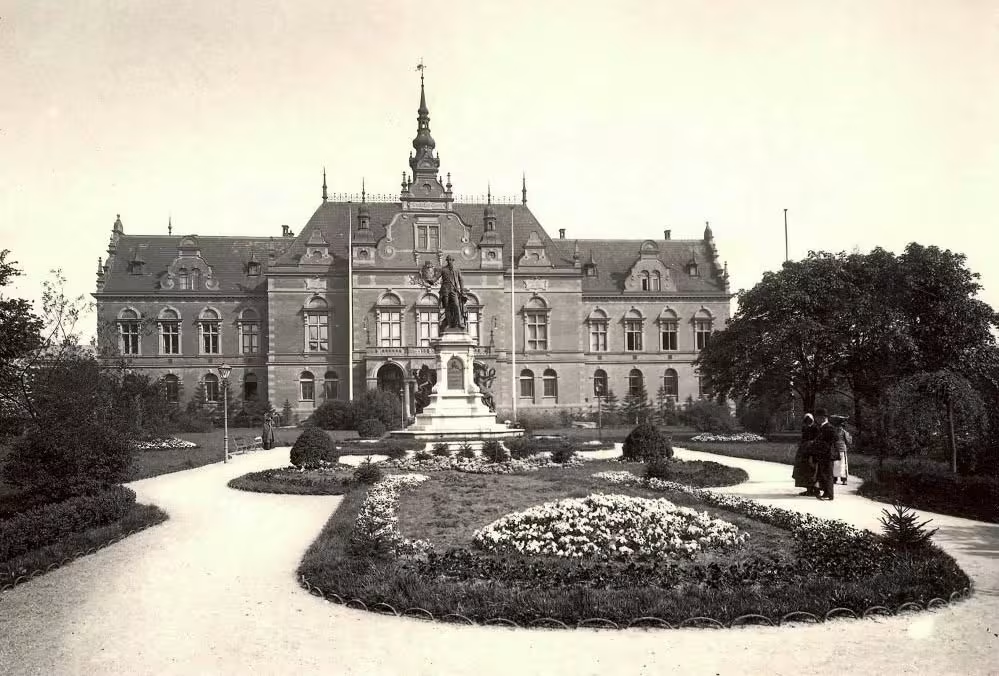
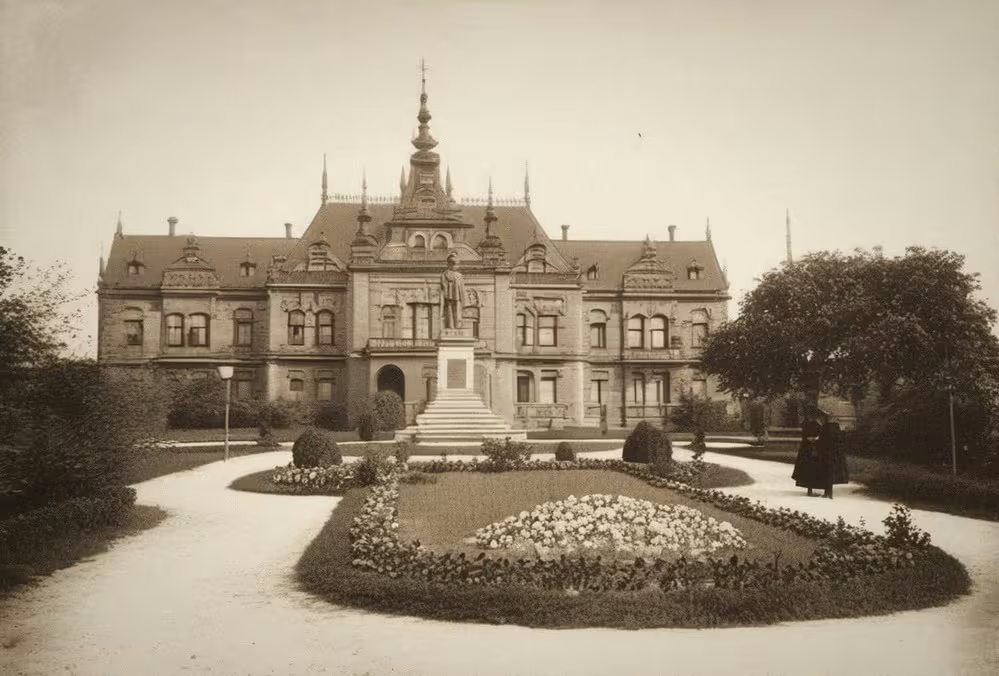
The historical appearance on the left is an AI-generated visualisation and serves as inspiration only.
Historical milestones
- 1891
- Německý dům was established as a social center for the German community in Brno.
- 1945
- The building's role changed post-World War II.
Architectural development
The architectural design of Německý dům, created by Berlin-based Ende & Böckmann and Brno architect German Wanderley, combines several historicist styles. Its construction features brickwork with stone cladding typical of Northern European Renaissance. The building's symmetrical façade is complemented by high roofs and gables, enhancing its monumental presence.
Historical events
1891: Německý dům was established as a social center for the German community in Brno.
1945: The building's role changed post-World War II.
Points of interest
- The architectural firm Ende & Böckmann, responsible for the design of Německý dům, was known for its innovative approach to combining different styles, which is evident in the building's eclectic blend of Gothic revival, German Renaissance, Baroque, and Romanticism.
- Friedrich Wannieck, who envisioned Německý dům as a unifying space for Brno’s German community, also played a significant role in establishing other cultural institutions in the city, contributing to its vibrant social fabric during the late 19th century.
- The building's interior features spacious windows and portals that not only ensure ample daylight but were designed with an emphasis on creating an airy ambiance, reflecting the architectural trend of integrating natural light into communal spaces during that era.
- Německý dům served as a hub for various societies such as Deutsches Haus and Mährischer Gewerbeverein, hosting not only social gatherings but also educational lectures and courses, highlighting its role in promoting cultural enrichment among the German-speaking middle class of Brno.
- Despite its initial purpose as a center for the German community, Německý dům's architectural grandeur has allowed it to transcend its original functions post-World War II, becoming an important historical site that attracts visitors interested in exploring the rich tapestry of Brno’s cultural history.
Guide
This guide is narrated by a synthetic voice generated by artificial intelligence.
Show guide text
This text was created by artificial intelligence and has not been editorially reviewed. It may contain inaccuracies.
Welcome to the Německý dům in Brno, a splendid testament to the eclectic architectural styles of the late 19th century. As you stand before this vibrant social center for the German community, take a moment to soak in its rich history and intricate design. Originally established in 1891 as a hub for cultural gatherings, Německý dům has played an integral role in Brno's diverse heritage.
The building was conceived by the innovative architectural firm Ende & Böckmann, along with German Wanderley, whose vision brought together influences from Northern Europe into an eclectic mix of Gothic revival, German Renaissance, Baroque, and Romanticism. As you look around, notice how these styles blend seamlessly, creating a unique aesthetic that invites exploration.
Now, let's delve into the historical context. In 1891, Německý dům was established as a social center for Brno’s German community, serving as a vibrant venue for cultural events before World War I. It hosted various societies such as Deutsches Haus and Mährischer Gewerbverein, fostering connections and shared experiences among its members.
As you continue to admire the building, consider the key narratives tied to this place. Although specific historical figures remain unnamed in our records, the spirit of community and cultural exchange that Německý dům embodied is palpable. After World War II, in 1945, the building's role evolved, reflecting the changing tides of history.
One intriguing aspect of Německý dům is its architectural firm Ende & Böckmann, renowned for their innovative approach to combining different styles. This creativity is evident in every corner of the building, inviting you to explore and discover hidden details that tell stories of a bygone era.
As our journey here comes to an end, I encourage you to continue exploring Brno-město, where history and culture intertwine at every turn. Thank you for joining me on this audio tour, and may your curiosity lead you to many more fascinating discoveries in the heart of Jihomoravský kraj.
Frequently asked questions
Can the monument be visited?
We have not verified whether this monument is accessible. Please ask the owner or operator, or the local municipal office.
Where is the monument?
Location: Brno-město, Jihomoravský kraj. The map on this page shows the exact spot.
Businesses nearby
Do you run a restaurant, accommodation, shop, museum, rental, wellness or other visitor service near this monument? Show yourself directly to the people heading to it — this is how they will see you in the app and on the web:
Events nearby


Zdroj akcí: otevřená data měst a obcí ČR (Národní katalog otevřených dat) a kalendář akcí Národního památkového ústavu.
Accommodation nearby
Trips and activities nearby
Guided tours, tickets and activities nearby from GetYourGuide
Affiliate link: if you buy from the partner, we may receive a commission. The price for you does not change.
Search tours and activities →Themed route
Tematická výletní trasa: Německý dům a okolí
1. Německý dům (Dům německých bratří)
Typ: Historické památky
Proč stojí za návštěvu: Německý dům je jedním z nejstarších a nejcennějších architektonických památek v Brně. Zajímavostí jsou jeho gotické prvky, historie spojená s německými bratry a bohatá sbírka uměleckých děl. Je to skvělá příležitost pro ty, kteří mají rádi historii a architekturu.
2. Katedrála svatého Petra a Pavla
Typ: Církevní památka
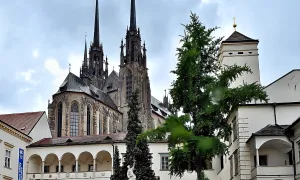
Proč stojí za návštěvu: Katedrála je největším gotickým chrámem v České republice. Je známá svou impresivní architekturou, bohatými interiéry a historickým významem pro město Brno. Navštívit ji je skvělá příležitost pro ty, kteří chtějí ocenit duchovní i uměleckou hodnotu.
3. Pomník T.G. Masaryka
Typ: Veřejný památník
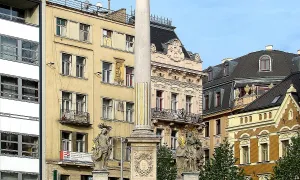
Proč stojí za návštěvu: Pomník věnovaný prvnímu prezidentovi Československa je symbolem důležité historické postavy. Nachází se na jednom z nejpopulárnějších míst ve městě, kde lidé často konverzují a pořádají akce. Je to ideální místo pro ty, kteří chtějí lépe porozumět historii Československa.
4. Městský dům
Typ: Historické budovy
Proč stojí za návštěvu: Městský dům je významnou reprezentativní budovou s bohatou historií. Jeho architektura a umístění na náměstí Svobody ho činí klíčovou součástí městského obrazu Brna. Navštívit jej je vhodné pro ty, kteří mají zájem o historii města a jeho architektonický vývoj.
5. Náměstí Svobody
Typ: Historické náměstí
Proč stojí za návštěvu: Náměstí Svobody je srdcem Brna, kde se setkávají historie a modernost. Je známé svými významnými budovami, jako jsou Městský dům a Katedrála, a slouží jako centrum mnoha kulturních akcí a veřejných setkání. Prozkoumat toto náměstí je skvělá příležitost pro ty, kteří chtějí pocítit pulz města.
Tato trasa nabízí pohled na historické a kulturní bohatství Brna, s důrazem na hlavní památky a významná místa ve středu města.
Seasonal recommendations
Spring: Visiting the German House during spring offers a refreshing experience as nature awakens with blooming flowers and lush greenery, creating a picturesque backdrop for exploring this historic site. The gentle sunlight enhances the architectural details of the building, making it an ideal time to appreciate its historical significance. Visitors should be prepared for occasional showers typical of the season; thus, carrying a light raincoat or umbrella is advisable. While crowds are moderate, arriving early in the morning can provide a more tranquil visit before larger groups arrive.
Summer: Summer at the German House is characterized by vibrant energy and long daylight hours, perfect for leisurely exploration. The warm weather allows visitors to enjoy outdoor spaces comfortably, though it's important to stay hydrated and wear sun protection due to increased UV exposure. This season sees higher visitor numbers, especially during weekends and holidays, so planning your visit on a weekday or early in the morning can help avoid crowds.
Autumn: Autumn brings a stunning display of colors as the foliage turns golden and red, creating a magical atmosphere around the German House. The cooler temperatures make it an ideal season for walking tours without the summer heat. Visitors should dress in layers to accommodate fluctuating weather conditions throughout the day. This is also a quieter time compared to summer, offering a more relaxed experience with fewer tourists. It's a great opportunity to enjoy guided tours or events that might be held during this season.
Winter: Winter transforms the German House into a serene and enchanting destination with its snowy landscapes and festive atmosphere. The shorter days mean visiting in the morning is recommended to make the most of daylight, while the cooler temperatures necessitate warm clothing, including hats, gloves, and coats. Although visitor numbers are lower, some areas might have reduced hours or be closed due to weather conditions, so checking ahead is wise. Winter offers a unique charm with its quiet ambiance, perfect for those seeking a peaceful historical exploration.
Visualizations and artistic views


The visualisations are generated by artificial intelligence and serve as inspiration.
Photos from the area
Real photos taken near the monument


Zdroj a licence jsou uvedeny u každého snímku.
Tips from visitors
No tips yet. Be the first!
Log in and add your tip.
Sources and literature
Photos: autor neuveden / Public domain — Wikimedia Commons. The author and licence also appear when you hover over the image.
Faktickým podkladem tohoto textu byl článek na Wikipedii, jehož autory jsou přispěvatelé Wikipedie. Článek je dostupný pod licencí CC BY-SA 4.0.
Location on the map
Příběhy a pověsti
Legendy, pověsti a příběhy spjaté s touto památkou
Fotografie návštěvníků
Zatím žádné fotografie. Buďte první, kdo přidá fotografii z návštěvy!
Log in a přidejte svou fotografii nebo hodnoťte.
Za ověřenou návštěvu v aplikaci získáte víc bodů — poznáme podle GPS, že jste na místě.
Reviews and comments