






Neubergovský palác Palace
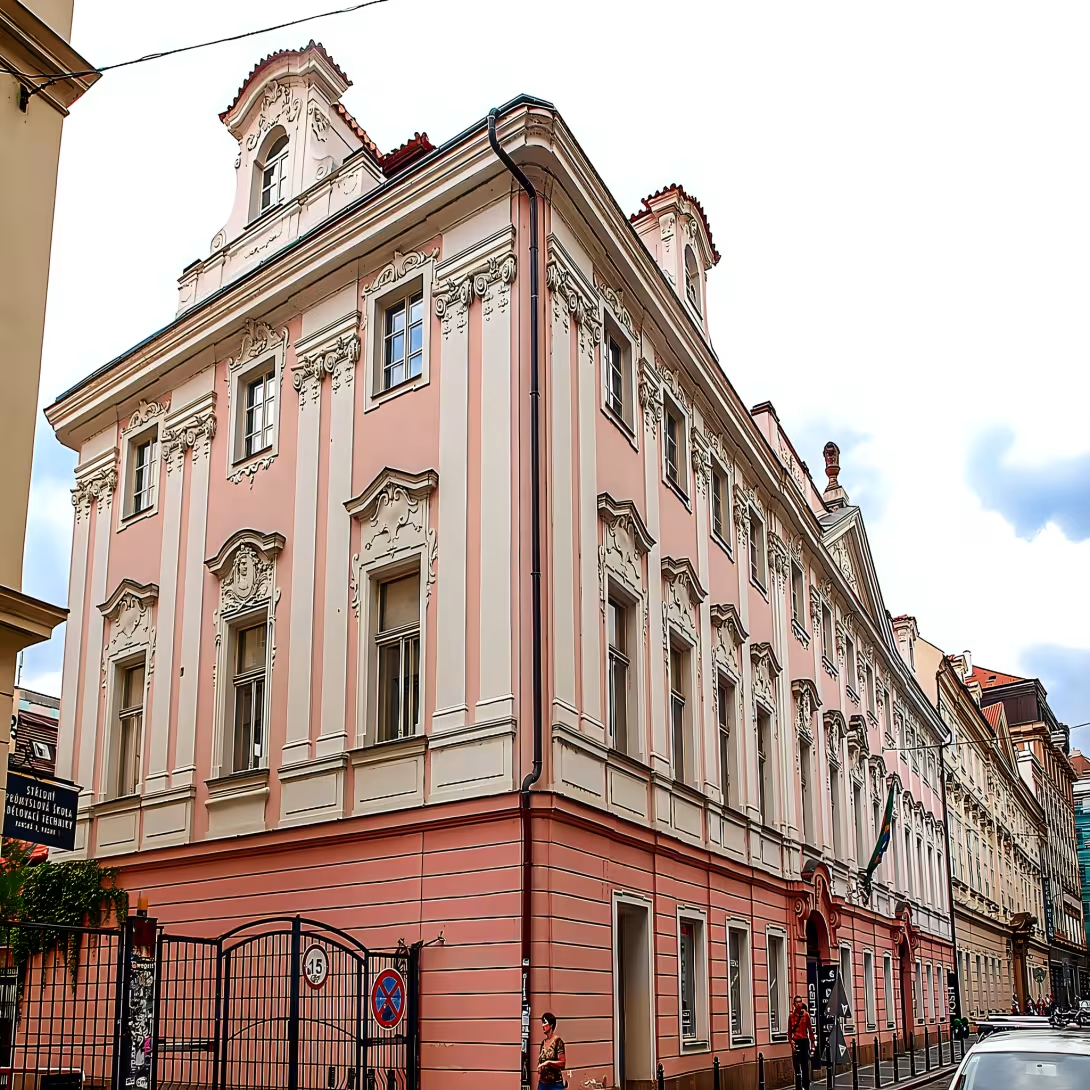
Neubergovský Palác, also known as Palác Dobřenských, Neyerovský, or Salmovský Palác, stands as a testament to Prague's rich architectural heritage. Located in Panská Street within the historic Nové Město district of Prague 1, this Baroque palace serves as Brazil's embassy and is designated as a cultural monument since 1964.
The origins of Neubergovský Palác trace back to two Gothic townhouses from the 14th century. These structures were transformed into the Baroque style we see today between 1717 and 1738, likely designed by František Maxmilián Kaňka. This period marked a cultural and architectural renaissance in Bohemia under Habsburg rule, positioning Prague as a central hub for Baroque art.
Architecturally, the palace blends Gothic foundations with Baroque embellishments. The south-western façade is notable for its elaborate decoration with pilasters around 1780. The frontage features a symmetrical design with two ornate portals adorned with masks, reflecting the artistic sensibilities of the period.
Ownership of Neubergovský Palác has seen various transitions over the centuries. In 1711, Sibylla Magdalena Franchimonová became its owner, followed by Karel Ferdinand Dobřenský in 1717. Josef František Neyer z Neuern owned it between 1728 and 1747 before passing it back to the Dobřenský family. The French Harbuval de Chamaré family acquired the palace in 1812, undertaking significant interior renovations. By 1844, Jan Norbert z Neuberka owned the property, commissioning roof repairs and later bequeathing valuable collections to Prague's National and Industrial Museum. Throughout its history, the palace has served various functions, including housing an office for Čedok in 1985 before becoming Brazil's embassy following a reconstruction in 2004.
The surrounding area of Neubergovský Palác is rich with historical architecture, featuring notable buildings such as Kounický Palác and Palác Sylva-Taroucca. These structures contribute to the cultural tapestry of Nové Město, enhancing the district's historical allure.
Today, Neubergovský Palác stands not only as a preserved piece of Baroque architecture but also as a functional diplomatic residence. Its transformation over centuries reflects the dynamic history and cultural evolution of Prague. Visitors are invited to explore this architectural gem, appreciating its historical significance and artistic beauty in the heart of one of Europe's most storied cities.
Then and now
Drag the slider to compare how the landmark may have looked when it was built with the view today.
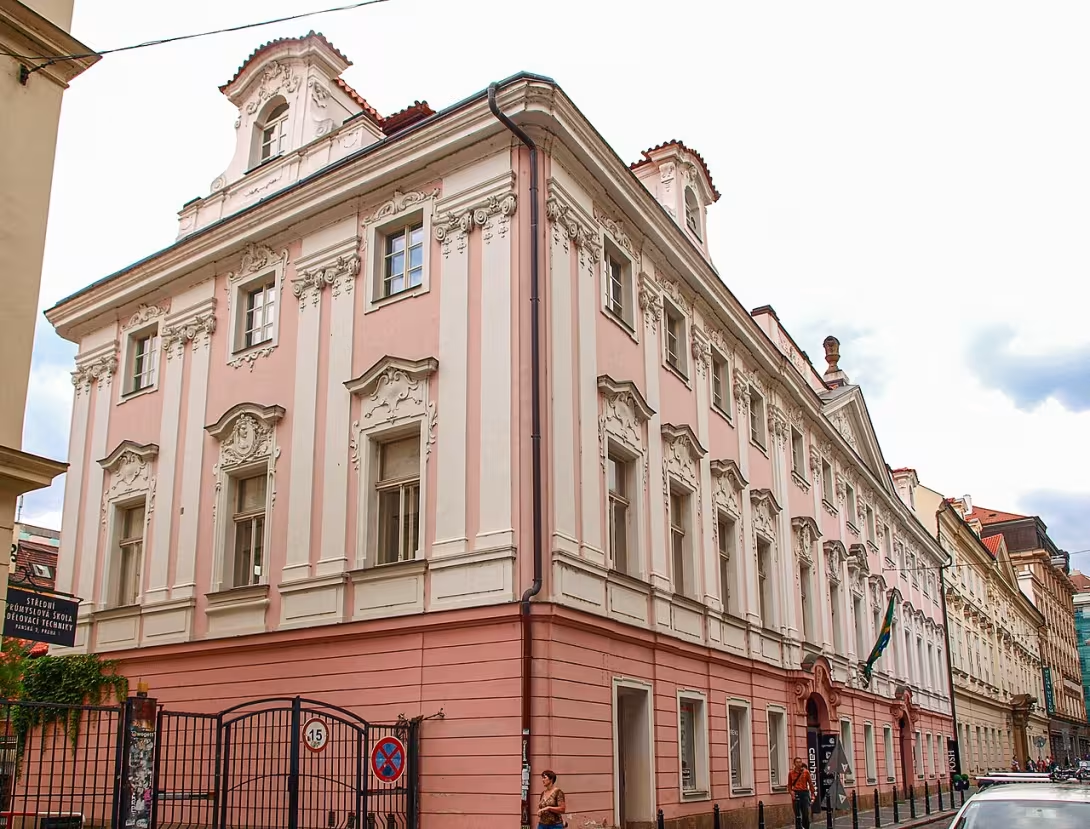

The historical appearance on the left is an AI-generated visualisation and serves as inspiration only.
Historical milestones
- 14.0
- Vznik dvou gotických domů.
- 1717
- Začátek přestavby do barokního stylu.
- 1738
- Dokončení barokní přestavby.
- 1780
- Výzdoba jihozápadní fasády pilastry.
- 1964
- Zachování jako kulturní památka.
Architectural development
The Neubergovský palác evolved from two Gothic townhouses into a Baroque palace between 1717 and 1738, with František Maxmilián Kaňka likely responsible for the design. The south-western façade was elaborately decorated with pilasters around 1780. Notable features include a symmetrical frontage with two ornate portals featuring masks.
Historical events
Baroque transformation completed around 1738.
Palace became the residence of Brazil's embassy in 2004.
Owners
Sibylla Magdalena Franchimonová (1711)
Karel Ferdinand Dobřenský
Josef František Neyer z Neuern (1728–1747)
Rod Harbuval de Chamaré (1812 renovation)
Jan Norbert z Neuberka (1844, roof repair)
Národní a Uměleckoprůmyslové museum (inherited by Jan Eduard z Neuberka)
Various institutions during the First Republic
Čedok offices (1985)
Hlavní město Praha (current owner)
Points of interest
- The Neubergovský Palác has a unique history of ownership transitions, including being passed back to the Dobřenský family after Josef František Neyer z Neuern's tenure, illustrating the complex lineage and inheritance practices in Prague during that era.
- In 1844, Jan Norbert z Neuberka commissioned significant roof repairs for the palace and later bequeathed his valuable collections of books, paintings, and prints to Prague's National and Industrial Museum, highlighting a tradition of cultural philanthropy among its owners.
- The transformation from Gothic townhouses in the 14th century to a Baroque masterpiece between 1717 and 1738 reflects the broader architectural evolution occurring under Habsburg rule, showcasing how local structures adapted European styles.
- Despite its role as Brazil's embassy since 2004, Neubergovský Palác has served various functions over the centuries, including housing an office for Čedok in 1985, demonstrating its adaptability and enduring relevance through changing political landscapes.
- The south-western façade of the palace is particularly noted for its elaborate decoration with pilasters added around 1780, featuring two ornate portals adorned with masks that reflect the artistic sensibilities and craftsmanship of the late Baroque period in Prague.
Guide
This guide is narrated by a synthetic voice generated by artificial intelligence.
Show guide text
This text was created by artificial intelligence and has not been editorially reviewed. It may contain inaccuracies.
Welcome to the historic Neubergovský Palác, a true gem nestled in Prague's vibrant Nové Město district. As you stand here on Panská Street, take a moment to absorb the grandeur of this Baroque masterpiece that has stood the test of time. The palác exudes an air of elegance and history, inviting you to step back into an era where artistry and architecture flourished.
The story of Neubergovský Palác begins in the 14th century with two Gothic townhouses occupying this site. These humble beginnings set the stage for a remarkable transformation that would redefine its architectural identity. In 1717, under the visionary guidance of architect František Maxmilián Kaňka, the palác began its metamorphosis into the Baroque style we admire today. Over two decades, until 1738, this ambitious project came to fruition, marking a significant chapter in Prague's architectural history.
As you gaze upon the palác now, take note of its refined baroque elements that speak volumes about its storied past. The south-western façade is particularly striking, adorned with pilasters added in 1780, enhancing its grandeur and symmetry. These details are not just decorative; they are a testament to the craftsmanship and aesthetic sensibilities of their time.
Neubergovský Palác has been home to many notable figures throughout history. Sibylla Magdalena Franchimonová, née Dobřenská z Dobřenic, once resided here, as did Karel Ferdinand Dobřenský and Josef František Neyer z Neuern. In 1844, Jan Norbert z Neuberka added his chapter to the palác's rich narrative. Each of these individuals contributed to the tapestry of stories woven into its walls.
One intriguing aspect of this palác is its complex history of ownership transitions. After Josef František Neyer z Neuern's tenure, it was passed back to the Dobřenský family, illustrating the intricate lineage and inheritance practices that characterized Prague during that era. This layering of histories adds a fascinating dimension to your visit.
As you continue to explore Neubergovský Palác, allow yourself to be enveloped by its atmosphere. Each corner holds whispers of the past, inviting you to imagine the lives once lived here. We encourage you to delve deeper into its history and discover more about this architectural marvel. Thank you for joining us on this journey through time. Enjoy your exploration!
Tips for visitors
The best time to visit Neubergovský Palác is during the late spring or early autumn months, when the weather is mild and pleasant for exploring Prague's historic streets. These seasons also offer softer lighting conditions ideal for photography, capturing the intricate Baroque details of the palace without the harsh midday sun. Additionally, visiting outside peak tourist season can provide a more tranquil experience with fewer crowds.
Transportation to Neubergovský Palác is convenient by both public transport and car. The area around Panská Street in Nové Město is accessible via several tram lines and nearby metro stations. Always verify current routes and schedules through a local transportation app or website.
When visiting Neubergovský Palác, consider bringing comfortable walking shoes, especially if you plan to explore nearby attractions like St. Cross Church or other palaces in the area. A camera is recommended for capturing the architectural beauty of the palace and its surroundings. Additionally, carrying a map or using a navigation app can help in exploring the historic streets efficiently.
For photography enthusiasts, some of the best spots around Neubergovský Palác include the front façade facing Panská Street, which showcases the Baroque style beautifully during golden hour. The side gardens and courtyards also offer unique perspectives and softer lighting conditions for capturing the palace's details. Always be mindful of any restrictions on photography within certain areas.
Nearby attractions within a 30-minute walk include several notable palaces such as Kounický Palác, Millesimovský Palác, and Palác Riesů ze Stallburgu, which houses Argentina’s embassy. The former Piarist College and Gymnasium near St. Cross Church is also worth visiting for its historical significance. These sites offer a deeper insight into the architectural diversity of Prague.
For families with children, Neubergovský Palác can be an engaging visit when combined with nearby attractions like the gardens around St. Cross Church, which provide space for relaxation and play. Exploring the historic streets of Nové Město offers a glimpse into Prague's rich history in an accessible way. Consider planning your visit to include breaks at local cafes or parks to keep younger children entertained.
Frequently asked questions
Can the monument be visited?
Some buildings of this kind are open for guided tours, others serve another purpose or are privately owned. We have not verified whether and when this monument is open – please ask the operator.
What are the opening hours and admission?
We have not verified the opening hours or admission. Current information is published by the operator.
Where is the monument?
Location: Panská 891/5, Nové Město, Praha, Hlavní město Praha. The map on this page shows the exact spot.
Why is the monument protected?
It is listed in the Central List of Cultural Monuments of the Czech Republic as a cultural monument (register no. 44557/1-1154).
Businesses nearby
Do you run a restaurant, accommodation, shop, museum, rental, wellness or other visitor service near this monument? Show yourself directly to the people heading to it — this is how they will see you in the app and on the web:
Events nearby

Zdroj akcí: otevřená data měst a obcí ČR (Národní katalog otevřených dat) a kalendář akcí Národního památkového ústavu.
Nearby
Nearby significant buildings include the Kounický palác, Millesimovský palác, Palác Riesů ze Stallburgu (home to Argentina's embassy), Palác Sylva-Taroucca, Nový Kolowratský palác, and Palác Myslbek. The area also features the former Piarist College and Gymnasium near St. Cross Church.
Accommodation nearby
Trips and activities nearby
Guided tours, tickets and activities nearby from GetYourGuide
Affiliate link: if you buy from the partner, we may receive a commission. The price for you does not change.
Search tours and activities →Themed route
Thematic Walking Tour: The Palaces of Prague's Lesser-Known Side
1. Neuberg Palace
Type: Baroque palace
Why Visit: Begin your journey at Neuberg Palace, a stunning example of early 18th-century baroque architecture in the heart of Prague. This exquisite building offers visitors an insight into the opulent lifestyle of its historical inhabitants and serves as a testament to the architectural evolution within the city.
2. Kounický Palace
Type: Baroque palace
Why Visit: A short walk from Neuberg Palace, Kounický Palace is renowned for its elegant baroque design and rich history. Originally built in the 17th century, it has hosted various dignitaries over the centuries. Its beautifully preserved interiors provide a glimpse into the grandeur of Prague's aristocratic past.
3. Millesimovský Palace
Type: Baroque palace
Why Visit: Nearby Millesimovský Palace is notable for its intricate baroque façade and historical significance as part of Prague’s noble heritage. The palace has been an important cultural site, reflecting the artistic and architectural trends that shaped early modern Europe.
4. Palác Riesů ze Stallburgu
Type: Baroque palace
Why Visit: Continue to Palác Riesů ze Stallburgu, which currently serves as Argentina's embassy in Prague. This palace is a striking example of baroque architecture and offers visitors an opportunity to appreciate its unique design elements and historical importance within the diplomatic landscape.
5. Palác Sylva-Taroucca
Type: Baroque palace
Why Visit: Conclude your tour at Palác Sylva-Taroucca, a masterpiece of baroque architecture known for its ornate interiors and significant role in Prague's cultural history. The palace has been home to various influential figures and continues to be a symbol of the city’s rich architectural legacy.
This thematic walking tour takes you through some of Prague's lesser-known yet architecturally significant palaces, offering a deep dive into the baroque splendor that characterizes much of the city's historical core.
Seasonal recommendations
Spring: Visiting Neuberg Palace during spring offers a delightful experience as the city of Prague awakens with vibrant colors and blooming flowers. The natural surroundings are particularly enchanting, with lush greenery and floral displays adding to the palace's historical charm. This season is characterized by mild weather, making it an ideal time for leisurely strolls around the grounds. Visitors should consider arriving early in the morning or later in the afternoon to avoid larger crowds that tend to gather during midday. Wearing comfortable layers is advisable as temperatures can vary throughout the day.
Summer: Summer at Neuberg Palace is marked by long, sunny days and a lively atmosphere, perfect for exploring the palace's extensive gardens and enjoying outdoor activities. This season attracts many tourists, so it’s wise to plan your visit during off-peak hours or weekdays to avoid crowds. The heat can be intense, so wearing light, breathable clothing and staying hydrated is essential. Additionally, bringing a hat and sunglasses will help protect against the sun while you take in the beautiful summer scenery.
Autumn: Autumn brings a magical transformation to Neuberg Palace with its warm hues of reds, oranges, and yellows adorning the landscape. The cooler temperatures make it a comfortable time for walking tours around the palace grounds, offering picturesque views that are perfect for photography enthusiasts. While crowds may be smaller compared to summer, some visitors flock to Prague during this season to experience the fall foliage. Dressing in layers is recommended as the weather can fluctuate between warm days and chilly evenings.
Winter: The winter months at Neuberg Palace offer a serene and enchanting atmosphere with snow-covered grounds that enhance the historical beauty of the site. This period sees fewer visitors, providing a more tranquil experience for those who appreciate quiet exploration. However, shorter daylight hours mean planning your visit during the day is crucial to make the most of the palace's offerings. Wearing warm clothing, including coats and hats, is essential due to the cold temperatures. Additionally, checking opening times in advance is advisable as some services may be limited or adjusted for the winter season.
Visualizations and artistic views


The visualisations are generated by artificial intelligence and serve as inspiration.
Photos from the area
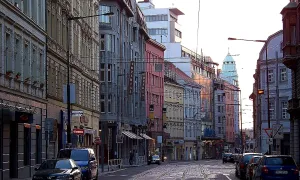
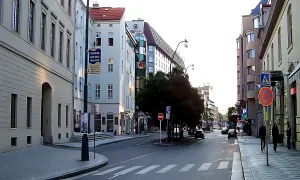
Real photos taken near the monument


Zdroj a licence jsou uvedeny u každého snímku.
Atmosphere of the place
This atmospheric visualisation of the place and period was generated by artificial intelligence. It is not real footage of the location.
Tips from visitors
No tips yet. Be the first!
Log in and add your tip.
Sources and literature
Photos: VitVit / CC BY-SA 3.0, rozlišení zvýšeno umělou inteligencí — Wikimedia Commons. The author and licence also appear when you hover over the image.
Faktickým podkladem tohoto textu byl článek na Wikipedii, jehož autory jsou přispěvatelé Wikipedie. Článek je dostupný pod licencí CC BY-SA 4.0.
Location on the map
More monuments – Nové Město
Show all in the municipality


Příběhy a pověsti
Legendy, pověsti a příběhy spjaté s touto památkou

Fotografie návštěvníků
Zatím žádné fotografie. Buďte první, kdo přidá fotografii z návštěvy!
Log in a přidejte svou fotografii nebo hodnoťte.
Za ověřenou návštěvu v aplikaci získáte víc bodů — poznáme podle GPS, že jste na místě.
Reviews and comments