






Nová radnice (Brno) Town hall
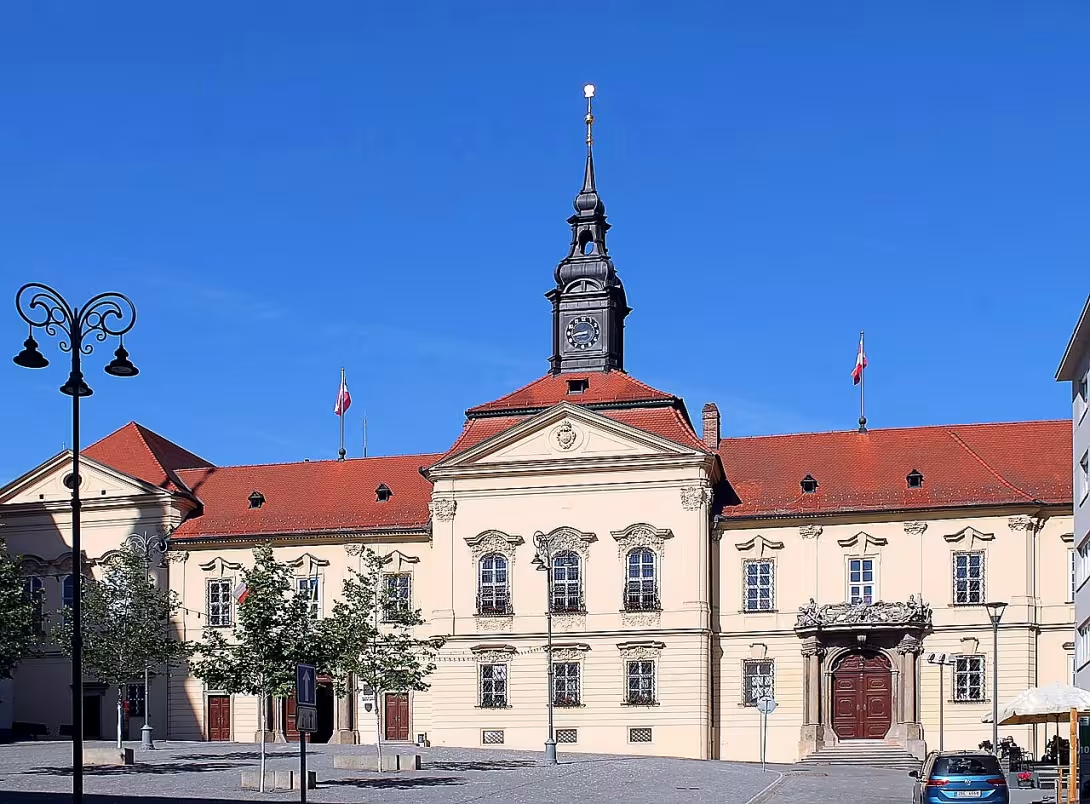
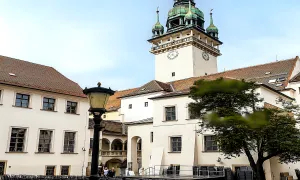
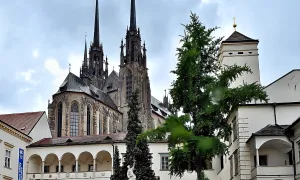
Nová radnice in Brno, originally known as Stavovský dům or Zemský dům, is a Renaissance building of historical significance located on Dominikánské náměstí. Constructed between 1582 and 1585 by Italian architects Pietro and Antonio Gabri, it initially served as the Moravian provincial assembly hall before becoming the seat of Brno's city administration in 1935. This architectural complex is part of a larger baroque ensemble that once housed the Moravian regional government.
The origins of Nová radnice are closely tied to the Dominican monastery established in the 13th century near an older church dedicated to Saint Michael. By the late 16th century, the existing assembly spaces within this monastery were deemed inadequate by the Moravian Estates, prompting a decision in 1578 to construct new facilities. The Gabri brothers undertook this task, creating a Renaissance-style assembly hall above the cloister's first floor. This building featured four rooms: the Assembly Hall, Knight’s Hall, and two smaller chambers for witness interrogations and consultations involving clergy and citizens.
Over time, Nová radnice underwent significant architectural transformations. In the late 17th century, Mikuláš Stumbeck remodeled parts of the complex in a mannerist style, removing certain elements like towers from the tribunal building. The baroque period saw further expansions, notably with Mořic Grimm's work between 1717 and 1729, which included the construction of new buildings that remain part of the site today.
Ownership and administration of Nová radnice have shifted over the centuries. Initially serving as a provincial assembly hall for the Moravian Estates from its completion in 1585 until 1784, it was later occupied by the army, who used it as storage facilities. In 1869, the Zemský výbor repurchased the building, and five years later, it was sold to Brno city administration due to plans for a new Zemský dům. Since 1935, Nová radnice has served as the seat of Brno's municipal government.
Throughout its history, Nová radnice has witnessed various key events and curiosities. In the early 20th century, it incorporated porticos from demolished city houses, adding to its architectural diversity. During World War II, a fountain originally placed in front of the building was relocated but later returned post-war. A bust of Karl of Žerotín by Vincence Makovský was unveiled beneath an external staircase in 1936.
Today, Nová radnice stands as a cultural monument since March 23, 1964, and functions as the headquarters for Brno's city administration. It hosts meetings of the City Council and serves as a venue for significant international visits. The Rytířský sál, adorned with Antonín Procházka’s painting "Radost venkovského života," is used for weddings, adding to its cultural significance.
Visitors to Nová radnice can appreciate not only its historical and architectural value but also its role in the civic life of Brno. Its blend of Renaissance and baroque elements offers a glimpse into the city's rich past while continuing to serve as a vital part of its present-day governance. This monument is worth visiting for anyone interested in exploring the intersection of history, architecture, and municipal heritage.
Then and now
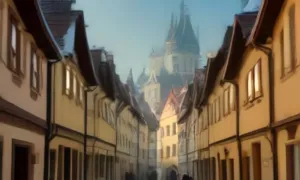
Drag the slider to compare how the landmark may have looked when it was built with the view today.
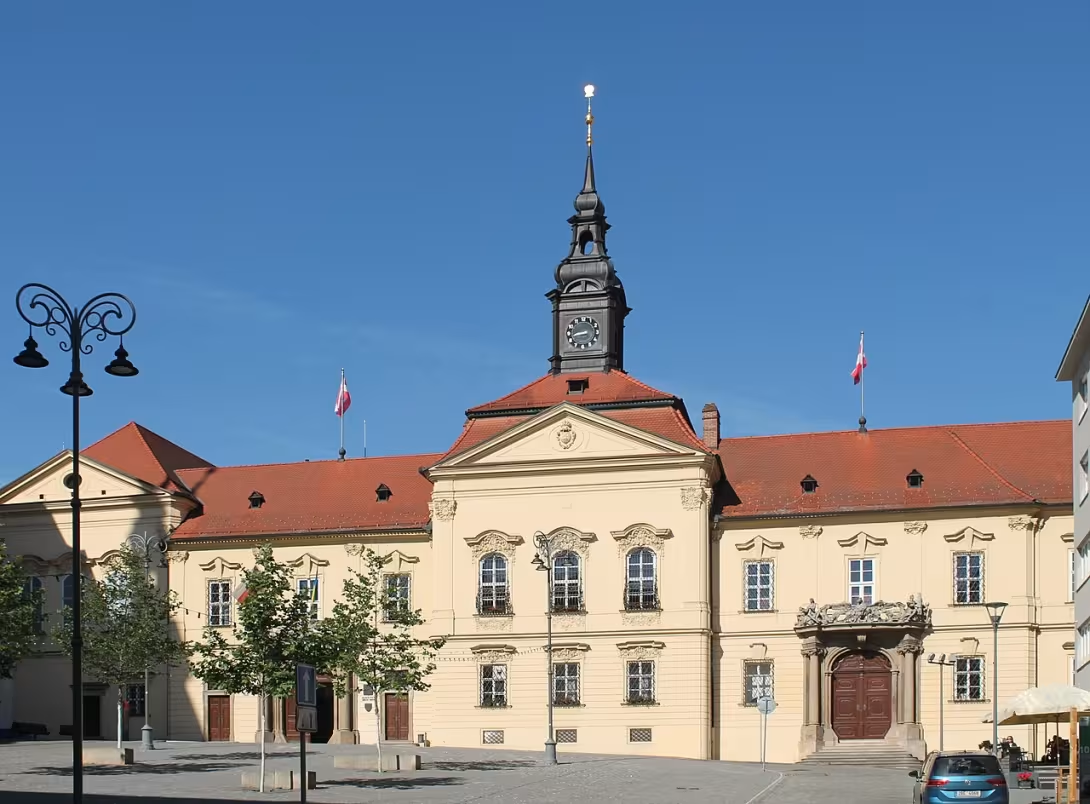
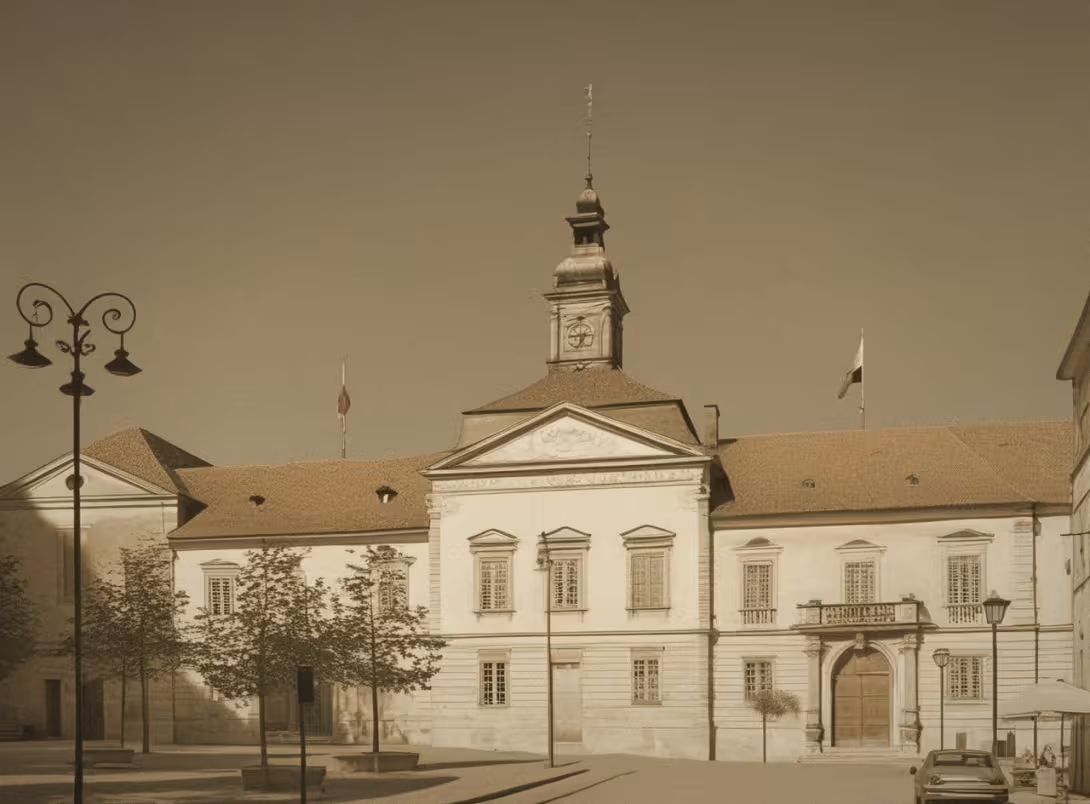
The historical appearance on the left is an AI-generated visualisation and serves as inspiration only.
Historical milestones
- 1582
- Construction of Nová radnice began.
- 1585
- Nová radnice construction completed.
- 1578
- Decision to build new assembly facilities made by Moravian Estates.
- 1784
- End of use as provincial assembly hall for Moravian Estates.
- 1935
- Became seat of Brno's city administration.
- 1964
- Declared a cultural monument on March 23.
Architectural development
The Nová radnice complex underwent significant architectural transformations from its initial Renaissance construction by Pietro and Antonio Gabri. In the late 17th century, it was remodeled in the mannerist style by Mikuláš Stumbeck. The baroque period saw further expansions and modifications, including a new building designed by Mořic Grimm between 1717 and 1729.
Historical events
- 1582
- Construction of the Renaissance assembly hall began.
- 1666
- Initiation of a new tribunal building in the monastery garden.
Owners
- 1578-1784
- 1935-present
Points of interest
- The Nová radnice originally functioned as the Moravian provincial assembly hall from 1585 until 1784 before transitioning to various other uses, including serving as military storage facilities. This highlights its central role in regional governance and later adaptability during turbulent times.
- In a unique architectural adaptation, porticos from demolished city houses were incorporated into Nová radnice in the early 20th century, showcasing how historical buildings can evolve by integrating elements from their urban surroundings to enhance both functionality and aesthetic appeal.
- During World War II, a fountain that was originally placed in front of Nová radnice was relocated but returned after the war. This reflects the building's resilience and the community’s efforts to preserve its historical integrity amidst wartime disruptions.
- A bust of Karl of Žerotín by Vincence Makovský was unveiled beneath an external staircase in 1936, adding a layer of cultural homage within the architectural ensemble. This piece commemorates an influential Moravian nobleman known for his role in promoting education and religious tolerance during the Reformation.
- The Rytířský sál (Knight’s Hall) is adorned with Antonín Procházka’s painting "Radost venkovského života" ("Joy of Country Life"), which adds a cultural dimension to its use as a venue for weddings. This integration of art into the building's function highlights how historical spaces can serve contemporary social purposes while celebrating local heritage.
Guide
This guide is narrated by a synthetic voice generated by artificial intelligence.
Show guide text
This text was created by artificial intelligence and has not been editorially reviewed. It may contain inaccuracies.
Welcome to this historic monument called the New Town Hall. You are standing in front of one of the most significant Renaissance buildings in Brno. The New Town Hall, also known as the Estates' House or the Landowners' House, was built between 1582 and 1585 by Italian architects Pietro and Antonio Gabri.
Let's go back in time to discover how this building came into existence. In 1578, the Moravian Diet decided on the construction of new halls for their meetings. Thus, the New Town Hall was constructed on Dominicans' Square.
Now pay attention to the architectural style of this building. The New Town Hall is a Renaissance structure characterized by delicate details and harmonious arrangement. Take a look at the façade and notice how the lines of architectural elements blend together harmoniously.
In the New Town Hall, important events in Brno's history took place. From 1585 to 1784, it served as the main hall for the Moravian Diet. Later on, various institutions were located here, including military warehouses.
Notice that the New Town Hall was declared a cultural monument in 1964. This is proof of its significance to the history and culture of the city of Brno.
Let's return to the present day. The New Town Hall is still active and serves as the seat of the municipal administration. It is a testament to the adaptability and durability of this architectural monument.
Please allow me to invite you to further explore this historic building. Take in the details and atmosphere that surround it. Enjoy your visit to the New Town Hall in Brno.
Tips for visitors
The best time to visit Nová radnice in Brno is during the late spring or early autumn months, when the weather is pleasant for exploring the historic center on foot. These seasons offer comfortable temperatures and fewer crowds compared to summer, allowing you to fully appreciate the architecture and ambiance of the area. Additionally, visiting during weekdays can provide a more relaxed experience as opposed to weekends which might be busier with tourists.
The area is well-served by trams, which make it easy to navigate without needing a car. Checking for current routes and schedules online can help plan your journey efficiently.
When visiting Nová radnice, consider bringing comfortable walking shoes as you will likely explore on foot. A camera or smartphone with a good camera is recommended to capture the stunning architecture of the Renaissance building and its surroundings. Additionally, carrying a light jacket or umbrella might be useful given the variable weather conditions in Brno, ensuring your visit remains enjoyable regardless of sudden changes.
For photography enthusiasts, Nová radnice offers several picturesque spots. The main façade facing Dominikánské náměstí is particularly striking during the golden hour when natural light enhances its architectural details. Inside, capturing the grandeur of the historic interiors can be rewarding, though flash photography might not be allowed. Exploring nearby Rybné náměstí also provides excellent opportunities for photographs with its unique blend of baroque and modern elements.
Nearby attractions within a 30-minute walk include the Moravian Gallery and the Church of St. James, both offering cultural insights into Brno's rich history. For families with children, consider visiting the nearby Brno Zoo or exploring the interactive exhibits at the Technical Museum. These activities provide an engaging way to spend time while allowing kids to learn about local heritage in a fun environment.
Frequently asked questions
Can the monument be visited?
The building is in use (offices, a school, shops and the like). The interior is generally accessible only during operating hours and tours are not usually offered; we have not verified the details. You can see the exterior from the street.
Where is the monument?
Location: Brno-město, Jihomoravský kraj. The map on this page shows the exact spot.
Why is the monument protected?
It is listed in the Central List of Cultural Monuments of the Czech Republic as a cultural monument (register no. 1000143110).
Businesses nearby
Do you run a restaurant, accommodation, shop, museum, rental, wellness or other visitor service near this monument? Show yourself directly to the people heading to it — this is how they will see you in the app and on the web:
Events nearby


Zdroj akcí: otevřená data měst a obcí ČR (Národní katalog otevřených dat) a kalendář akcí Národního památkového ústavu.
Nearby
Nová radnice is situated in Brno's historic center, surrounded by other notable baroque buildings and close to the Rybné náměstí. The area features a mix of architectural styles reflecting its rich history.
Accommodation nearby
Trips and activities nearby
Guided tours, tickets and activities nearby from GetYourGuide
Affiliate link: if you buy from the partner, we may receive a commission. The price for you does not change.
Search tours and activities →Themed route
Historic City Center Walking Tour
1. New Town Hall (hlavní cíl) The New Town Hall is a stunning example of modern architecture that serves as the seat of the city's administration. Its unique design and location in the heart of the historic center make it a must-visit attraction.
2. Rybné náměstí This charming square is a tranquil oasis in the midst of the bustling city. Its picturesque atmosphere and beautiful architecture make it an ideal spot for a relaxing break.
3. St. James' Church This beautiful baroque church is a prominent landmark in the city and features an impressive interior with stunning frescoes and ornate decorations.
4. Brno Cathedral This impressive Gothic cathedral is one of the city's most iconic landmarks and features an impressive interior with intricate stone carvings and stunning stained-glass windows.
Seasonal recommendations
Jaro:
A distinctive feature of spring is the lighting of the town hall, which creates a pleasant atmosphere. Practical tips: The best time to visit the town hall is in the morning or late afternoon to avoid crowds of tourists. We recommend wearing layers, as it can still be chilly during the spring months.
Léto:
The main summer season brings a large number of tourists, so it's best to visit the town hall early in the morning or later in the evening. We recommend bringing sunglasses and a hat, as the sunlight can be strong. The atmosphere is relaxed and laid-back, ideal for exploring historical landmarks.
Podzim:
In autumn, the town hall is surrounded by a calm and serene atmosphere. We recommend visiting in the late afternoon to avoid crowds of tourists. Clothing should be warm, as it can be chilly during the autumn months.
Zima:
In winter, the town hall is illuminated with warm lights that create a pleasant atmosphere. It's also a good idea to bring warm clothing, as it can be cold outside.
Visualizations and artistic views


The visualisations are generated by artificial intelligence and serve as inspiration.
Photos from the area
Real photos taken near the monument

Zdroj a licence jsou uvedeny u každého snímku.
Atmosphere of the place
This atmospheric visualisation of the place and period was generated by artificial intelligence. It is not real footage of the location.
Tips from visitors
No tips yet. Be the first!
Log in and add your tip.
Sources and literature
Photos: Harold / CC BY-SA 4.0 — Wikimedia Commons. The author and licence also appear when you hover over the image.
Faktickým podkladem tohoto textu byl článek na Wikipedii, jehož autory jsou přispěvatelé Wikipedie. Článek je dostupný pod licencí CC BY-SA 4.0.
Location on the map
Příběhy a pověsti
Legendy, pověsti a příběhy spjaté s touto památkou
Příběh: Nová radnice (Brno)
Bylo to v pondělí ráno, kdy Martin z Vrbového objevil nádherný hmyz čekající na svůj osud před Novou radnicí. Kované dveře se otevřely a dovnitř vešel pan Ji…
Číst příběh
Pověst: Nová radnice (Brno)
Traduje se, že italský stavitel Pietro Gabri přišel do Brna kolem roku 1570 jako člověk bez minulosti. Nikdo přesně nevěděl, odkud pochází ani co ho přimělo …
Číst příběhFotografie návštěvníků
Zatím žádné fotografie. Buďte první, kdo přidá fotografii z návštěvy!
Log in a přidejte svou fotografii nebo hodnoťte.
Za ověřenou návštěvu v aplikaci získáte víc bodů — poznáme podle GPS, že jste na místě.
Reviews and comments