






Nová radnice (Prostějov) Town hall
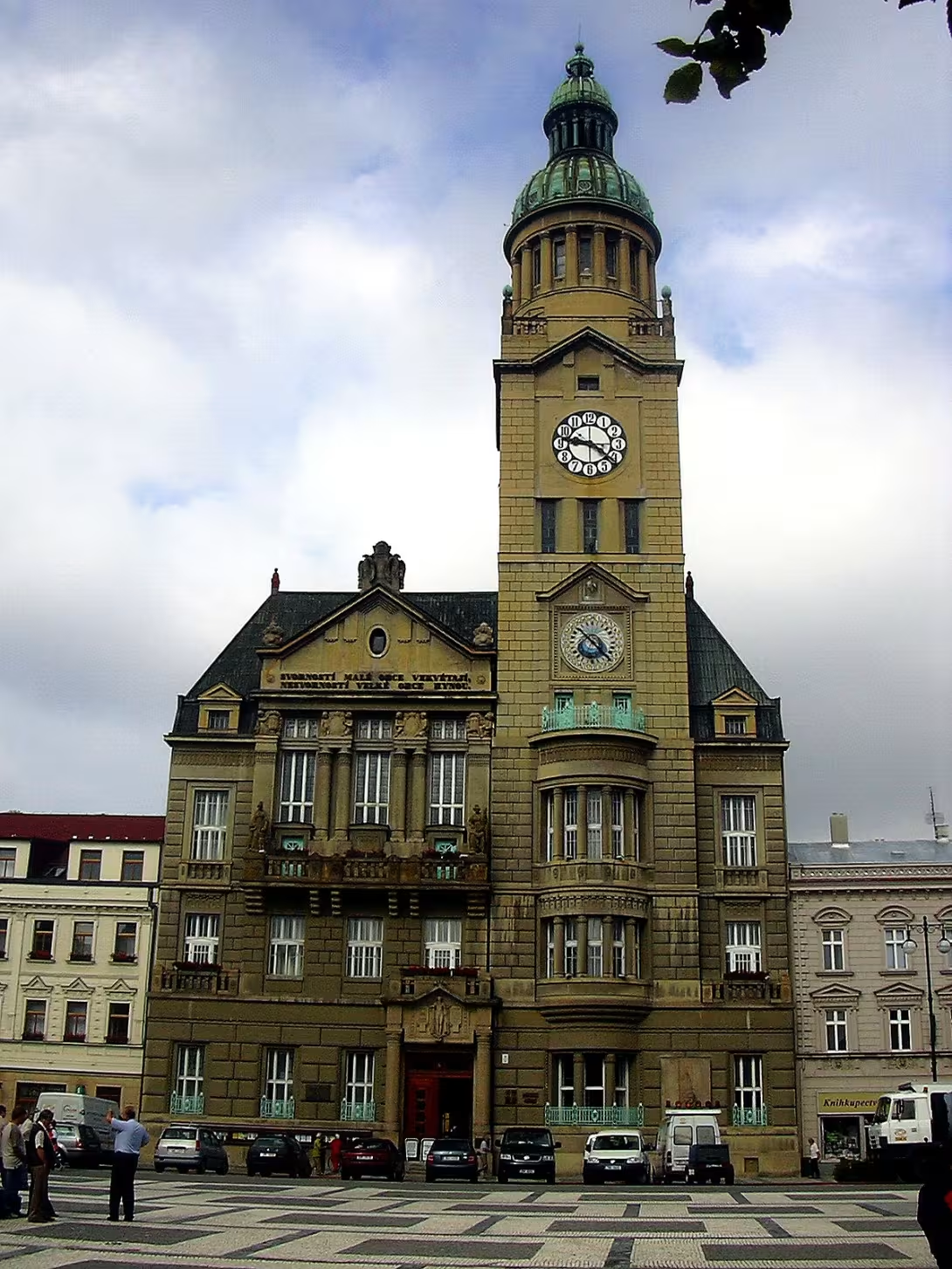
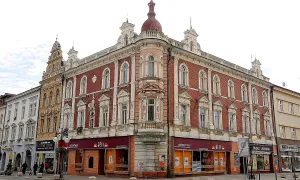
Nová radnice in Prostějov is a two-story building constructed at the beginning of the 20th century. It features an asymmetrical tower that blends Historicism and Art Nouveau (Secession) elements. This architectural gem stands out for its rich stucco work, metalwork, sculpture, and painting both inside and outside. Recognized as a national cultural monument since July 1, 2024, it serves as a testament to the architectural and artistic craftsmanship of its era, with significance extending beyond the Prostějov region.
The idea for constructing a new town hall emerged in the late 19th century when Czechs gained majority control of the city council under Mayor Karla Vojáček. The initial proposal was made in 1893 but took two decades to realize due to various demands and financial constraints. Original plans by Jan Vejrych and Osvald Polívka were revised multiple times before being finalized by Karol Hugo Kepka in 1909. Construction began on May 13, 1911, and was completed on April 15, 1914. The building officially opened with a performance of Smetana's "The Bartered Bride" on June 6, 1914.
Architecturally, Nová radnice is notable for its blend of Historicism and Art Nouveau styles. Local builders Rudolf Konečný and Josef Nedělník executed the construction, incorporating works from local artisans like sculptor Josef Bernauer and stucco artist Vladimír Pleský. The building's design reflects a period when Czech regions were experiencing a cultural renaissance with increased national consciousness, influencing significant architectural developments across Europe.
Throughout its history, Nová radnice has seen various changes in ownership and administration. Initially managed by the city council under Mayor Karla Vojáček, it later saw leadership from Josef Horák. The building's significance is underscored by a key gifted by the firm Vulkania during its opening ceremony, featuring engraved city emblems and an inscription.
Over the years, Nová radnice has undergone several modifications to accommodate increasing administrative needs. These included expansions such as garages and new boiler rooms in the early 1990s, and significant reconfigurations of adjacent buildings for municipal use. A comprehensive restoration began in 2011 to address damage and restore its original architectural integrity using traditional materials and techniques.
Today, Nová radnice stands as a cultural landmark accessible to visitors who wish to explore its historical and artistic significance. Its recognition as a national cultural monument highlights its importance not only within the Prostějov region but also in the broader context of Czech architectural heritage. Visitors are invited to appreciate this testament to early 20th-century craftsmanship, which continues to captivate with its blend of styles and rich decorative elements.
Then and now
Drag the slider to compare how the landmark may have looked when it was built with the view today.
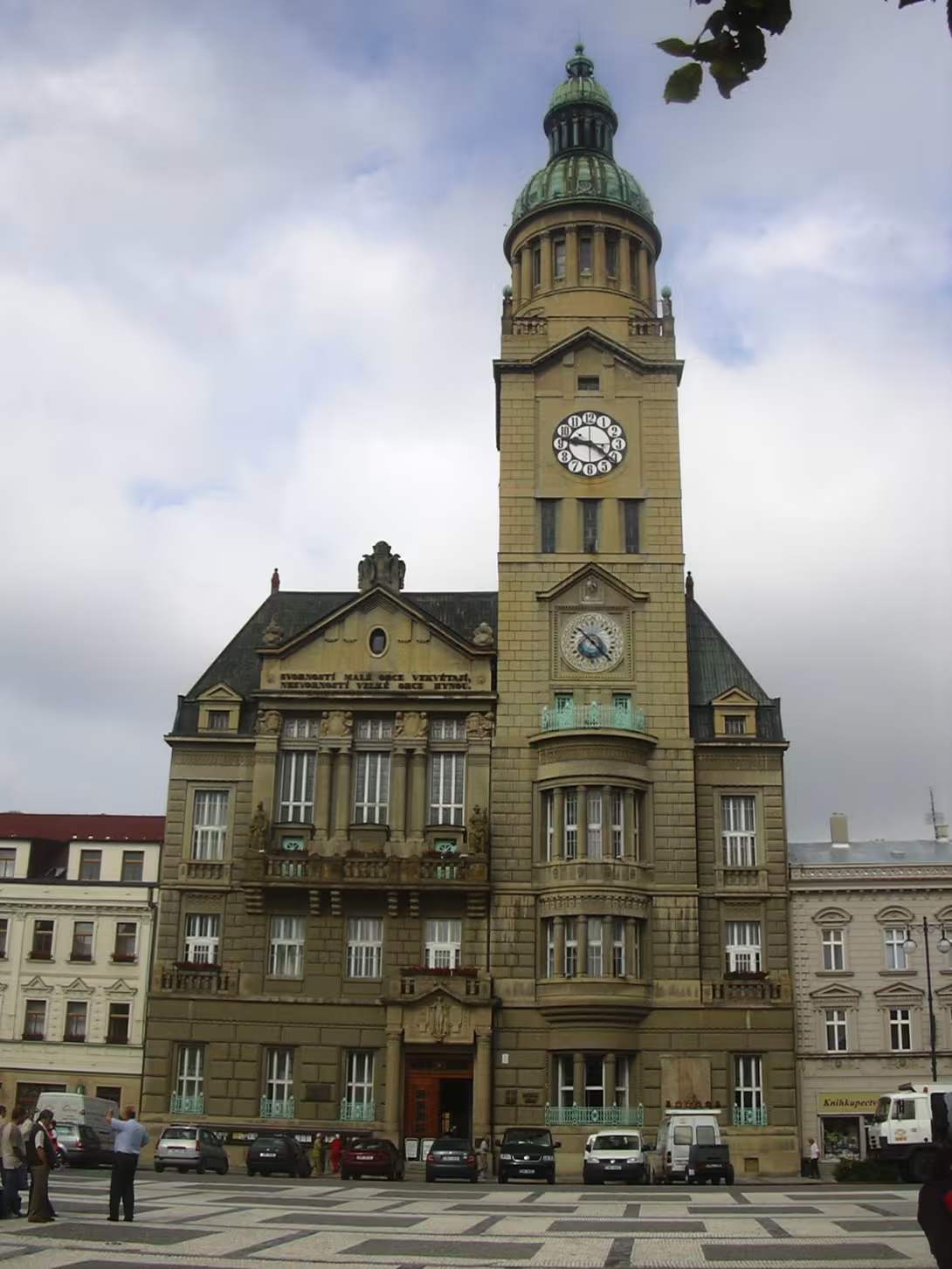
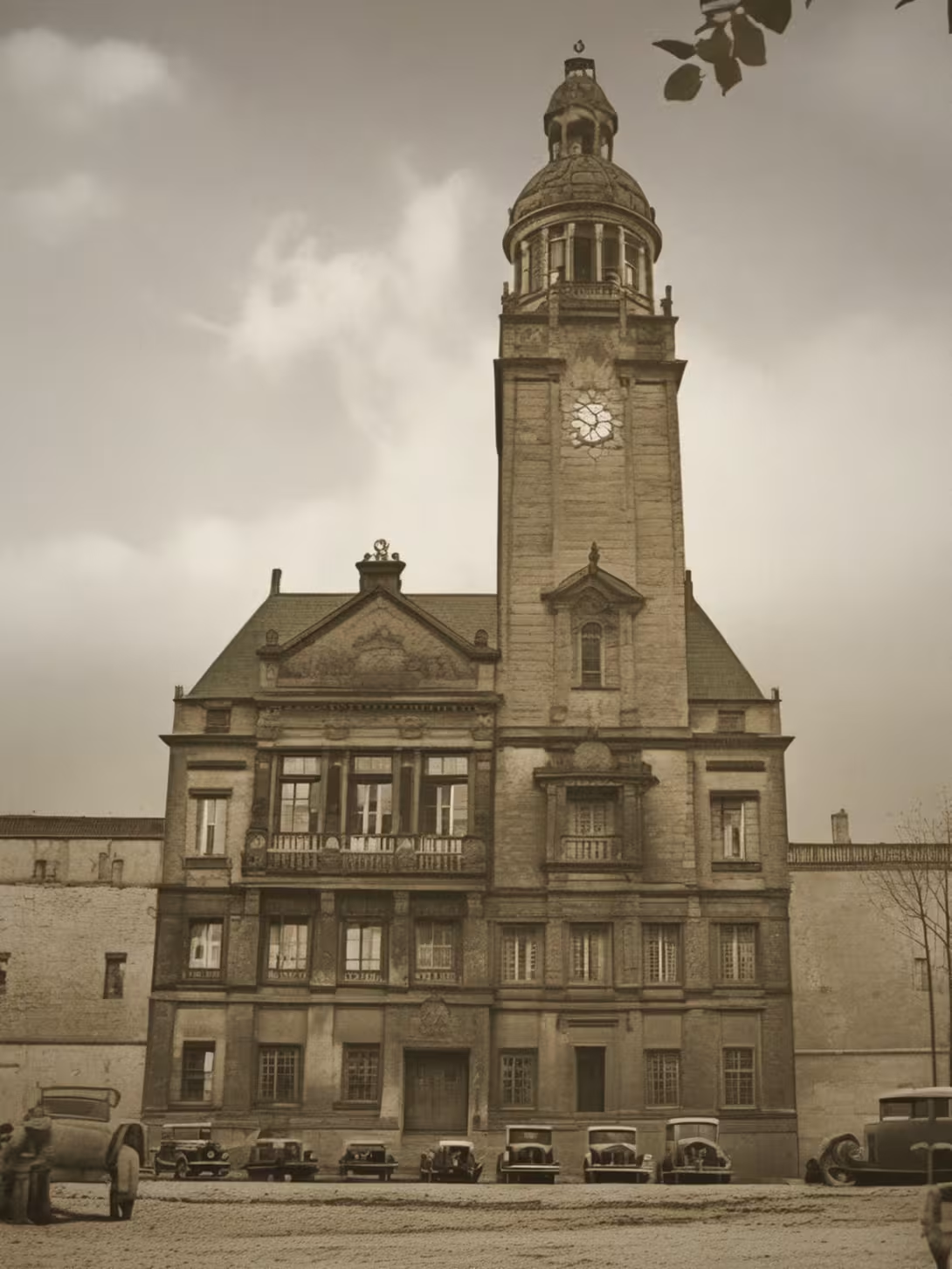
The historical appearance on the left is an AI-generated visualisation and serves as inspiration only.
Historical milestones
- 1914
- The town hall officially opened with a performance of Smetana's 'The Bartered Bride'.
Architectural development
Initially proposed in 1893, the construction faced delays due to various demands and financial constraints. The original plans by Jan Vejrych and Osvald Polívka were revised multiple times before Karla Hugo Kepka finalized them in 1909. Local builders Rudolf Konečný and Josef Nedělník executed the construction, incorporating works from local artisans like sculptor Josef Bernauer and stucco artist Vladimír Pleský.
Historical events
The idea for a new town hall emerged in the late 19th century when Czechs gained majority control of the city council under Mayor Karla Vojáčkem.
Construction began on May 13, 1911, and was completed on April 15, 1914. The building officially opened with a performance of Smetana's 'The Bartered Bride' on June 6, 1914.
Points of interest
– The construction of Nová radnice was delayed for two decades due to financial constraints and multiple revisions of the original plans by architects Jan Vejrych and Osvald Polívka. It wasn't until Karol Hugo Kepka finalized the design in 1909 that construction could begin.
– During its opening ceremony on June 6, 1914, a key gifted by Vulkania was presented to Mayor Josef Horák. This key featured engravings of city emblems and an inscription, symbolizing the building's significance at the time.
– The building's architectural style is a unique blend of Historicism and Art Nouveau (Secession), showcasing rich stucco work, metalwork, sculpture, and painting both inside and outside. These elements reflect the cultural renaissance in Czech regions during that era.
– Over the years, Nová radnice has undergone several modifications to meet administrative needs, including expansions like garages and new boiler rooms in the early 1990s, as well as significant changes to adjacent buildings for municipal use.
– A comprehensive restoration began in 2011 using traditional materials and techniques. This effort aimed to restore the building's original architectural integrity while addressing damage from years of wear and modifications.
Guide
This guide is narrated by a synthetic voice generated by artificial intelligence.
Show guide text
This text was created by artificial intelligence and has not been editorially reviewed. It may contain inaccuracies.
Welcome to the historic heart of Prostějov! As you stand here before the Nová radnice, a two-story marvel that captures both time and imagination, take a moment to absorb its grandeur. The building's asymmetrical tower stretches upwards, merging elements of Historicism with Art Nouveau—a testament to early 20th-century architectural ambition.
The journey of this iconic structure began in earnest at the dawn of the 1900s. Conceived by architects Jan Vejrych and Osvald Polívka, its construction faced numerous hurdles, including financial constraints that delayed progress for two decades. It wasn't until Karol Hugo Kepka finalized the design in 1909 that work could truly begin.
As you gaze upon the building's façade, notice the intricate stucco work adorning both inside and out. The interplay of metalwork, sculpture, and painting adds layers of artistic richness, inviting a closer look at every detail. These elements reflect not just an architectural style but a cultural narrative that has been woven into Prostějov's identity.
The opening of Nová radnice in 1914 was marked by the performance of Smetana's 'The Bartered Bride,' symbolizing both celebration and new beginnings for this community landmark. Key figures like Karla Vojáček, Josef Horák, and O. Přikryl have left their mark on its history, contributing to a legacy that continues to resonate today.
One intriguing aspect of Nová radnice is the story behind its delayed construction. Financial challenges and revisions by architects Vejrych and Polívka meant that it took years for Kepka's vision to come to fruition. This tale of perseverance highlights not just architectural evolution but also the community's dedication to realizing a shared dream.
As we conclude our exploration, I invite you to delve deeper into this remarkable building. Discover more about its storied past and the artistic craftsmanship that makes it a national cultural monument recognized since July 1, 2024. Thank you for joining me on this journey through history—may your curiosity lead you to many more discoveries in Prostějov!
Tips for visitors
The best time to visit Nová radnice in Prostějov is during the late spring or early fall when the weather is pleasant, allowing you to comfortably explore both the building and its surroundings. This period also offers softer natural light, ideal for photography, as well as fewer crowds compared to peak summer months.
Visitors are encouraged to use public transportation or park in designated areas further from the site and walk the remaining distance.
When planning your visit, it's advisable to bring comfortable walking shoes as exploring historic sites often involves a fair amount of walking. Additionally, carrying a camera or smartphone for capturing photos is recommended, especially if you're interested in the architectural details of Nová radnice and its blend of Historicism and Art Nouveau styles.
For photography enthusiasts, the best spots to capture Nová radnice are from the front where the asymmetrical tower provides an interesting subject against the sky. Early morning or late afternoon light can enhance the building's features with softer shadows and a warm glow. Families visiting with children might enjoy exploring nearby parks or engaging in local cultural events often held in Prostějov, making it a more enriching experience for all ages.
Nearby attractions within a 30-minute drive include the historic town center of Prostějov itself, which offers additional architectural sights and shopping opportunities. For those interested in nature, there are several parks and green spaces around the area that provide a relaxing environment to unwind after exploring the city's historical sites.
Frequently asked questions
Can the monument be visited?
The building is in use (offices, a school, shops and the like). The interior is generally accessible only during operating hours and tours are not usually offered; we have not verified the details. You can see the exterior from the street.
Where is the monument?
Location: nám. T. G. Masaryka 130/14, Prostějov, Olomoucký kraj. The map on this page shows the exact spot.
Why is the monument protected?
It is listed in the Central List of Cultural Monuments of the Czech Republic as a national cultural monument (register no. 508).
Businesses nearby
Do you run a restaurant, accommodation, shop, museum, rental, wellness or other visitor service near this monument? Show yourself directly to the people heading to it — this is how they will see you in the app and on the web:
Accommodation nearby
Trips and activities nearby
Guided tours, tickets and activities nearby from GetYourGuide
Affiliate link: if you buy from the partner, we may receive a commission. The price for you does not change.
Search tours and activities →Themed route
Tematická výletní trasa - Nová radnice (Prostějov)
1. Nová radnice (Radnice) - Začněte svůj výlet u samotné Nové radnice, která je ikonickou památkou města Prostějova. Tato barokní budova, postavená mezi lety 1735 a 1740, představuje architektonický poklad s bohatými historickými záznamy a fascinující interiéry. Je to ideální místo pro pochopení místního dědictví a historie.
2. Kostel svatého Jiří (Kostel) - Krátký pěší procházka z radnice vede k Kostelu svatého Jiří, který je umístěn nedaleko. Tento barokní kostel, postavený na konci 17. století, je známý svou elegantní architekturou a historickými vazbami s městem. Je to ideální místo pro ty, kteří mají zájem o náboženské památky a jejich význam.
3. Městské náměstí (Náměstí) - Navrátit se na Městské náměstí, které je centrem města, kde se Nová radnice nachází. Toto historické náměstí nabízí pohledy na další významné budovy a sloužilo jako důležité místo pro veřejné shromáždění po staletí. Je to perfektní místo, kde si můžete užít klidu a pohledu na centrum Prostějova.
4. Městský dům (Historická budova) - Kolem náměstí se nachází Městský dům, historická budova s bohatou minulostí, která byla přestavěna v barokní styl. Tato budova sloužila různým účelům a je známá svými architektonickými detaily. Je to skvělý bod pro pochopení místního života a historie.
5. Kostel svaté Anny (Kostel) - Konečným cílem vaší trasy je Kostel svaté Anny, další barokní kostel umístěný v blízkosti centra města. Tento kostel, postavený na začátku 18. století, nabízí jedinečné interiéry a je důležitou náboženskou památkou. Je to ideální místo pro ty, kteří chtějí uzavřít svůj výlet pohledem na další historickou architekturu.
Tato trasa nabízí komplexní pohled na kulturní a historické bohatství Prostějova, zaměřené kolem jeho centrálních památek.
Seasonal recommendations
Spring: Visiting Nová radnice (Prostějov) during spring offers a delightful experience as the town begins to bloom with vibrant colors and fresh scents from blossoming trees and flowers. The gentle warmth of the sun enhances the natural beauty surrounding the historic site, creating an inviting atmosphere for exploration. Visitors can enjoy pleasant temperatures ideal for walking around and appreciating the architectural details of the building. It's advisable to dress in layers as mornings can be cool, but afternoons may become quite warm. While spring is a popular time for tourists, arriving early helps avoid larger crowds, allowing you to take in the serene beauty of Prostějov without interruption.
Summer: The summer months at Nová radnice (Prostějov) are characterized by long days and abundant sunshine, providing perfect conditions for sightseeing. The lively atmosphere is enhanced by the presence of outdoor events and activities that often accompany this peak tourist season. Visitors can expect larger crowds, so planning your visit in the early morning or later afternoon can help avoid the busiest times. Comfortable walking shoes and light clothing are recommended to stay cool under the summer sun. Additionally, carrying water and sunscreen is essential for a pleasant experience as you explore the historic charm of Prostějov.
Autumn: Autumn at Nová radnice (Prostějov) presents a picturesque setting with its rich tapestry of warm hues from changing leaves, creating an enchanting backdrop for the historic site. The cooler temperatures and crisp air make it a perfect time to stroll around and enjoy outdoor activities without the discomfort of summer heat. This season is generally less crowded than summer, offering a more relaxed visit. Dressing in layers is advisable as mornings can be chilly, but afternoons may still provide mild warmth. Autumn's unique atmosphere makes it an ideal time for photography enthusiasts eager to capture the beauty of Prostějov’s historic architecture against the backdrop of fall foliage.
Winter: During winter, Nová radnice (Prostějov) takes on a magical quality under the soft glow of streetlights reflecting off snow-covered streets. The cooler temperatures and shorter daylight hours create an intimate atmosphere that invites quiet exploration of the site's historical features. While some areas may be less accessible due to weather conditions, the winter season offers a unique charm with its serene and tranquil ambiance. Visitors should dress warmly in layers and wear sturdy shoes for walking on potentially icy surfaces. Despite fewer tourists compared to summer, planning your visit early ensures you can fully enjoy the winter wonderland that Prostějov becomes during these months.
Visualizations and artistic views


The visualisations are generated by artificial intelligence and serve as inspiration.
Photos from the area
Real photos taken near the monument


Zdroj a licence jsou uvedeny u každého snímku.
Tips from visitors
No tips yet. Be the first!
Log in and add your tip.
Sources and literature
Photos: cs:User:Pernak / CC BY 2.5 — Wikimedia Commons. The author and licence also appear when you hover over the image.
Faktickým podkladem tohoto textu byl článek na Wikipedii, jehož autory jsou přispěvatelé Wikipedie. Článek je dostupný pod licencí CC BY-SA 4.0.
Location on the map

Příběhy a pověsti
Legendy, pověsti a příběhy spjaté s touto památkou
Fotografie návštěvníků
Zatím žádné fotografie. Buďte první, kdo přidá fotografii z návštěvy!
Log in a přidejte svou fotografii nebo hodnoťte.
Za ověřenou návštěvu v aplikaci získáte víc bodů — poznáme podle GPS, že jste na místě.
Reviews and comments