



Nové hrady (hrad, okres Ústí nad Orlicí) Castle ruin
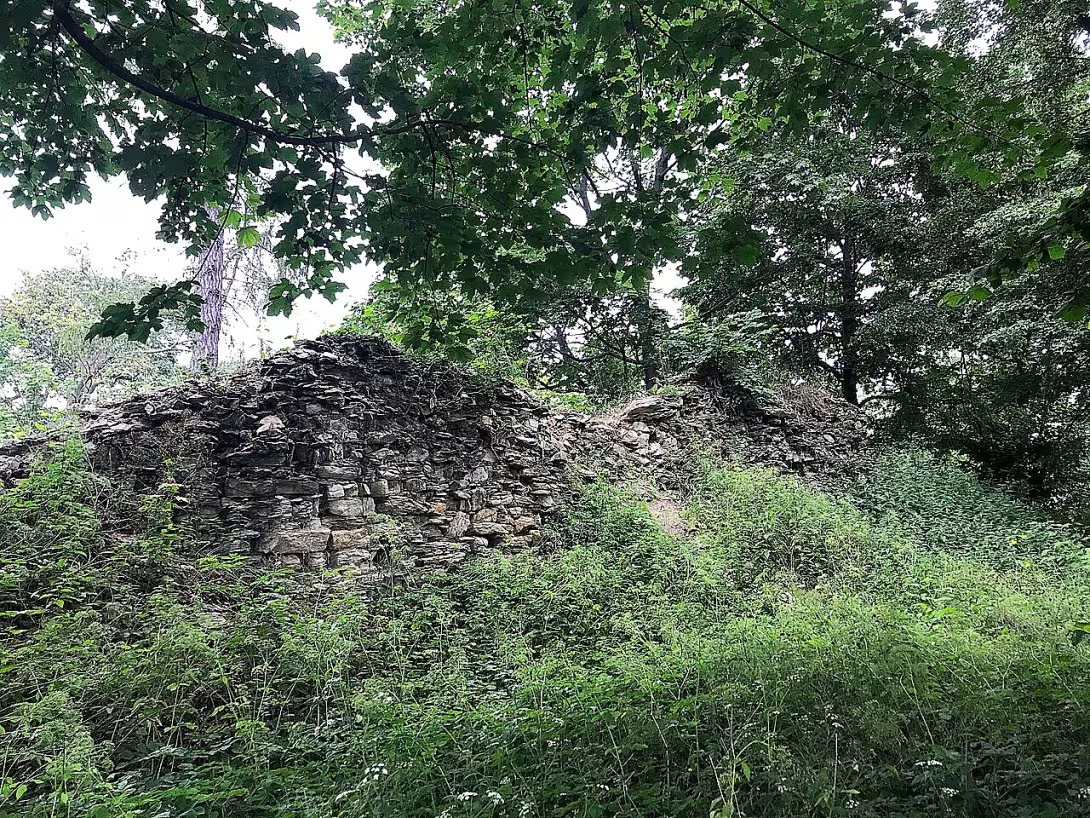
New castles, originally known as God's house, are the ruins of the castle located on the hill above the village Nové Hrady in Ústí nad Orlicí district. This monument is remarkable by its historical significance, which dates back to the 15th century when it was founded by Zdeněk Kostka z Postupic. The castle became a key place for a number of important families such as Kostková, Lobkovice and Trautson, before it was demolished and its material was used to create a Neo-hradian castle. Today the monument is protected as a cultural monument and retains ground relics of fortifications and small fragments of masonry.
The castle Nové Hrady was established in the second half of the 15th century when Zdeněk Kostka z Postupic acquired the surrounding landscape from Jan Pardus from Horka. The first written mention of the castle dates back to 1468-1471 and is linked to the letter issued by King George of Podebrad, although the original is not available. The original name of the house of God was gradually replaced by New Castles and later in the plural form of New Castles.
The architectural castle was a fortified mansion that developed at a time when the systems of active artillery defence were already well known. The position on a secluded roof with a spacious flat top offered advantages for defence, although the castle was not equipped with modern defence systems. The outer fortifications included a wall and moat, which surrounded three quarters of the perimeter, with a park leading to the last section of the access road on the south side. The castle core was located in the northeastern part of the fortified space and was preserved only as an ordinary formation with fragments of the wall.
The property of the castle has undergone several changes. After Zdeněk's death, his brother Albrecht Kostka of Potsdam took over, but later the property got to Zdeněk IV. Kostka of Potsdam and then to his sons William, Zdeněk, Jana and Bohush Kostková of Potsstac. After the extinction of the Kostky family line, the castle became a royal death and was sold to various owners, including Jan Žatecký of Weikersdorf, Ferdinand Švihovský of Rýzmberk and Nicholas Popel of Lobkovice. Finally, he was inherited by Count Pavel Sixt of Trautson, whose descendants owned the estate until 1750.
Key events include the first written mention of the castle in 1468-1471 and the sale of the castle Jan Žatecký of Weikersdorf in 1559. Another important event was the decision of John Antonín Harbuval Chamar to set up the Neo-hrady castle, which led to the collapse of the castle and the use of its materials for the construction of the castle. In 1767, Countess Anna Barbora founded the New Hradian Cross Road on the castle hill.
Today New Castles are accessible as a historical monument, which captures an important period of Czech history. Despite the fact that the masonry of the castle has been dismantled and used for new buildings, terrain relics of fortifications and small fragments of masonry still indicate its past. For visitors it is an opportunity not only to see the physical remains of history, but also to understand the complicated history and changes of property over the centuries.
Visiting New Castles means connecting with the past and appreciating its cultural and historical value. This monument recalls how the functions and importance of one place over time could change and offers valuable knowledge of lifestyle and political changes to the past. It is not only a monument to architecture and history, but also a reminder of the duration and transformation of Czech cultural heritage.
Historical milestones
- 1468-1471
- The first written mention of the castle in the charter published by King George of Podebrad.
- 1491
- First mention of the name New Castle.
- 1559
- King Ferdinand I. Habsburský sold the castle to Jan Žatecki of Weikersdorf.
- 1580
- Ferdinand Švihovský sold the castle to Nicholas Popel of Lobkovic.
Architectural development
The castle was built in the 15th century as a fortified mansion. At a later time the castle was completely demolished and its material was used in the construction of the Neo-hrad castle. The remaining condition consists mainly of terrain relics and small fragments of masonry.
Historical events
1468-1471: first written mention of the castle, 1559: sale of the castle Jan Žatecký of Weikersdorf, 1580: sale of the castle Mikuláš Popela of Lobkovic
Owners
Zdeněk Kostka z Postupic, Kostky family from Potssoc, Jan Žatecký from Weikersdorf, Ferdinand Švihovský from Rýzmberk, Lobkovic family, Pavel Sixt from Trautson, Jan Antonín Harbuval Chamaré
Points of interest
- New castles were originally known as God's house. - The castle was founded by Zdeněk Kostka z Postupic in the second half of the 15th century. - The first written mention of the castle dates back to 1468-1471 and is linked to a letter issued by King George of Podebrad. - The castle has become a key place for many important families such as Kostková, Lobkovice and Trautson. In 1559, the castle was sold to Jan Žatecký of Weikersdorf.
Guide
Show guide text
This text was created by artificial intelligence and has not been editorially reviewed. It may contain inaccuracies.
Welcome to the place where history touches the earth itself under your footsteps. You are standing on the top that once formed the heart of this region, and even though it appears to be a quiet place before your eyes today, in its atmosphere there is still a legacy of centuries ago. Look around you. You can see the fields, the green slopes and the view of the village Nové Hrady, which stretches below you. It may seem to you that this place is just a quiet ruin, but believe me, every terrain inequality and every stone residue you see here has a story. You stand outside the castle of New Castle, a place that in the past carried a much more spiritual name - the house of God.
Let's go back together to when the construction started. Imagine the second half of the 15th century. It is a period of turbulent change, a time when power relations in our countries have constantly regrouped. It was then, in these important years, that he decided to create Castle Zdeněk Kostka z Postupic. It was not just an ordinary construction act, but an effort to create a fixed point in this strategic location. If you wanted to find the first unshakeable proof that this castle actually existed, you would have to look in historical papers. The first written mention of this place appears between 1468 and 1471 and is linked to the letter issued by King George of Podebrad. This gives us a clear insight into how important this place was at the time of both Hussite and Post-Hussite revolutions.
Now pay attention to what you see around you. You may not see tall walls or majestic towers that might seem obvious to you, but that's what makes this place special. The castle is not seen as a building today, but as part of the landscape. Note how the terrain changes, how certain parts of the hill slightly rise or fall. What you're observing is relics of the fortifications at the time. These are traces left in the ground by a line of castle walls and defensive structures. Even though the stones themselves have disappeared, the earth itself remembers the face of the castle. Take a look at these terrain inequalities and try to imagine how powerful this castle must have been when its walls stood firm and its defenses could not be easily overcome.
The history of this place is like a chain of connected fates of powerful generations. The castle was not just a military fortress, it was a symbol of ownership and prestige. After the founder, Zdeněk Kostka of Potssoc, the owners took turns confirming their power in this region by holding this castle. Significant families like the Lobkovics and the Trautsons came into play. Each of them brought his own trail to this place, even though they no longer know the particular architectural details of their messages. Over the centuries, the castle has been the subject of trade and political transactions. For example, in 1559 King Ferdinand I. Habsburský sold the castle to Jan Žatecký of Weikersdorf. Years later, in 1580, the castle changed again in the hands of another powerful man when Ferdinand Švihovský sold it to Nicholas Popel of Lobkovic.
Notice how the name of the place itself changed. What was originally known as the house of God was first referred to as the New Castle in 1491. Why did that happen? Perhaps it was related to a new function that the castle was fulfilling at the time, or to a new vision of its owners. This name change is fascinating evidence of how the identity of this place changed over time.
Now, however, we must think about why these ruins have become such an important place. It is a tragedy that the castle was not destroyed by the enemy on the battlefield, but by people who owned it or worked with it. In a later period, the castle was deliberately demolished. But it was not an act of hate, but pragmatism. The stones from the castle have become a valuable source of building material. Instead of remaining a monumental monument to its past, its parts were taken to strengthen the future castle in Nové Hrady. This process of transformation from strength to material source is an important lesson about how things change in history and how old structures often sacrifice themselves to create new ones.
If you look at the surrounding landscape now, you can see an invisible trace of this process. What we see today as a ruin is actually a reminder of how people use what no longer serves their original purpose. It is a fascinating circle of life - the castle was created to protect, and then it was dismantled to build.
But we do have a mystery. What is there to hide under the layers of the earth in these today's fortifications? What other traces of the original house of God are not yet discovered here? Although only the terrain shapes are preserved here, their extent and complexity suggest that the original castle was much more complex than it appears today at first sight. Every step after these inequalities is basically a movement for history that tries to stay hidden, but still calls us by its presence.
Now I want to invite you to continue this journey. Let the atmosphere of this place drift. Explore the surrounding terrain, perceive the silence that prevails here, and try to build a picture of the castle that once stood here. Walking through these ruins is not just a physical movement in nature, it's a journey back to the 15th and 16th centuries. Thank you for choosing to visit New Castles and devote your time to understanding their history. I wish you a pleasant walk and many interesting discoveries in your next survey of this special place.
Tips for visitors
The best time to visit is the late afternoon when the sun hits the ruins at an angle, creating ideal conditions for shooting details of masonry and panorama from the surfaces.
We recommend to take with you fixed shoes suitable for the field, because the road to ruins can be difficult. For families with children, visiting the castle is a great opportunity to explore history, but we recommend increased supervision in the area of ruins.
As part of a short trip in the surroundings, we recommend visiting the New Hrady Castle, which is a fascinating example of architecture built from materials from the castle.
Frequently asked questions
Can the monument be visited?
This is a ruin. Such sites are often freely accessible, but some can only be visited with a guide or are closed for safety reasons. We have not verified the current situation – take care and respect any restrictions.
Where is the monument?
Location: Nové Hrady, Pardubický kraj. The map on this page shows the exact spot.
Why is the monument protected?
It is listed in the Central List of Cultural Monuments of the Czech Republic as a cultural monument (register no. 1000128322).
Businesses nearby
Do you run a restaurant, accommodation, shop, museum, rental, wellness or other visitor service near this monument? Show yourself directly to the people heading to it — this is how they will see you in the app and on the web:
Nearby
There is a Neo-hrad castle nearby, which was built from materials from the castle.
Accommodation nearby
Themed route
Thematic cruise route New castles
1. New castles (ruins) * Type: * Historical ruins It is worth a visit because it is one of the most characteristic and best preserved medieval castles in the Czech Republic. Despite its state of ruin, it offers visitors a clear panoramic view of the surrounding landscape and an opportunity to imagine life in the Middle Ages.
2. Nový hrady Castle * Type: * Historical lock This castle is not only a beautiful architectural monument, but also a fascinating story about the history and culture of the region. It was built in the 18th century from the materials of the old castle, which gave it a unique character. It is an ideal place for those who want to know more about the history and architecture of the area.
3. Park near Novohradsky Castle * Type: * Park The park is a beautiful place for relaxation and walks in the natural environment. It offers nice pavements that lead around castle buildings and allow you to enjoy quiet moments overlooking the castle and surrounding landscape.
4. Novohradsky Castle Station * Type: * Historical courtyard Visiting the glories is a great opportunity to explore the details of the castle architecture and enjoy its historic atmosphere. It is also an ideal place for photography where you can capture the beauty and elegance of ancient buildings.
This route offers a combination of history, architecture and nature, making it the perfect choice for anyone who travels to the village Nové Hrady.
Seasonal recommendations
Spring: In spring, the ruins of New Castle awaken along with nature. Fresh green grass begins to grow around stone remains and the first stalks of flowers bloom, creating a fresh and optimistic atmosphere. The lighting is very pleasant to capture the details of architecture thanks to the soft sun. We recommend wearing layered clothes because morning cold can be overlooked. There are fewer visitors in this period than in the main summer season, so you will enjoy the ruin in peace.
Summer: Summer months bring intense sun to the surroundings and full of blooming vegetation, which can hide places up to partially. The atmosphere is lively and hot, which is ideal for day trips, but requires good preparation. Due to the increased attendance, we recommend that you come as early as possible in the morning to avoid the biggest crowds and not suffer from noon heat. Remember enough water, headgear and fixed shoes suitable for uneven terrain between stones.
Autumn: Autumn visit offers the most melancholy and poetic atmosphere. The trees around the wall are colored in gold and red shades, and the morning fog in the valley supplies the ruin with mystery. The sun is lower, creating long and interesting shadows on the walls. However, it is necessary to count on slippery roads due to fallen leaves and wet surfaces, therefore waterproof footwear is recommended. Prepare a warmer jacket, because in the forest it can be much colder this time of year.
Winter: In winter, the New Castles work brusily and majestically. Without leaves, stone structures are clearly visible against the grey sky and frost can create beautiful ice patterns on the ruins. The atmosphere is quiet and lonely, which will be appreciated by peace lovers. Due to short days and random weather fluctuations, it is best to plan a visit on bright, sunny days. The need is a very warm and wind-resistant dress, because it can blow strongly in a high place.
Visualizations and artistic views


The visualisations are generated by artificial intelligence and serve as inspiration.
Photos from the area
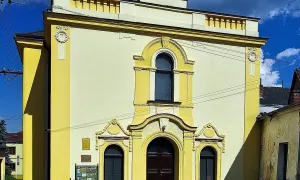
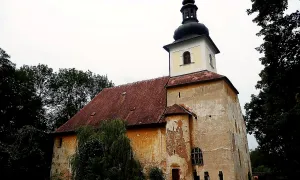
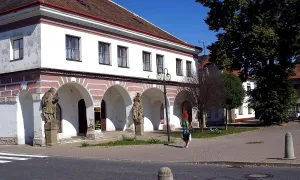
Real photos taken near the monument


Zdroj a licence jsou uvedeny u každého snímku.
Tips from visitors
No tips yet. Be the first!
Log in and add your tip.
Sources and literature
Photos: Jiří Sedláček / CC BY-SA 4.0 — Wikimedia Commons. The author and licence also appear when you hover over the image.
Faktickým podkladem tohoto textu byl článek na Wikipedii, jehož autory jsou přispěvatelé Wikipedie. Článek je dostupný pod licencí CC BY-SA 4.0.
Location on the map
Příběhy a pověsti
Legendy, pověsti a příběhy spjaté s touto památkou
Fotografie návštěvníků
Zatím žádné fotografie. Buďte první, kdo přidá fotografii z návštěvy!
Log in a přidejte svou fotografii nebo hodnoťte.
Za ověřenou návštěvu v aplikaci získáte víc bodů — poznáme podle GPS, že jste na místě.
Reviews and comments