






Nový Šaumburk Castle ruin
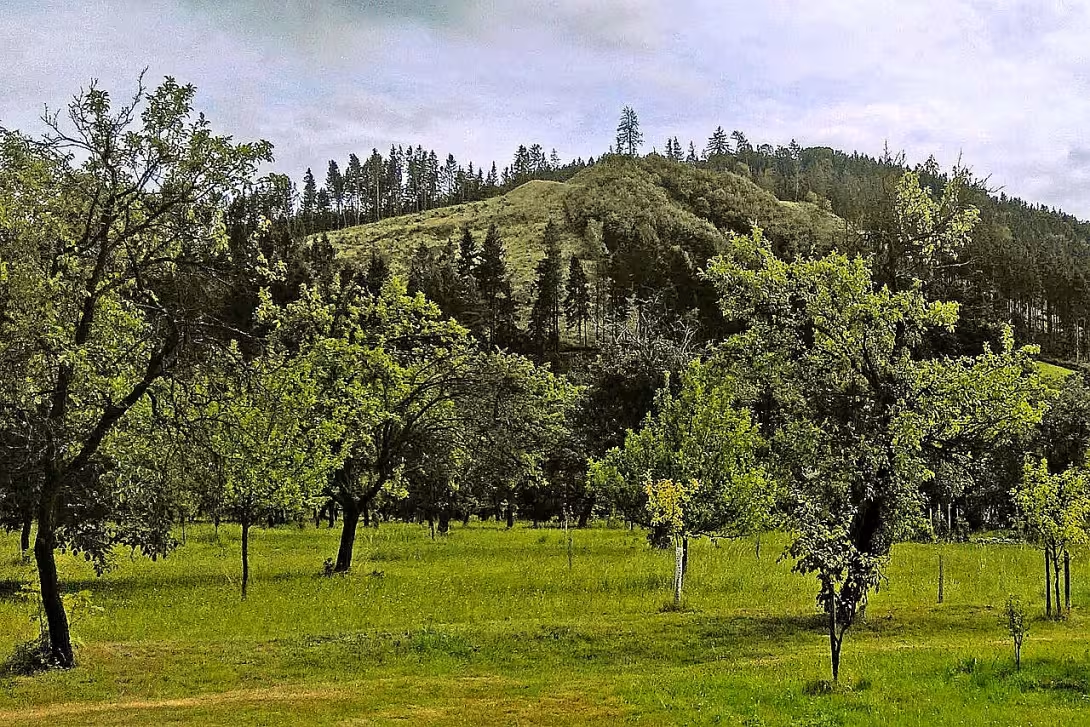
Nový Šaumburk is a ruin of the castle located near the village Podhradní Lhota in the district of Kromeriz, which attracts curious tourists with its history and position. This castle was built as a substitute for the original Shaumburk Castle and is today a protected cultural monument. Its history dates back to the 14th century, when it first appeared in documents from 1360. The castle has undergone several changes in owners and dramatic events that have affected his fate.
The history of New Shaumburg is closely linked to the political and economic conditions of that time. In the early 15th century, the castle was stopped by Bishop John XI of Olomouc. Freezing due to lack of money. In 1416 he went into arrest for the flag line from Bítov near Bílovka, which was a dangerous time for the castle. Mikuláš z Bítova was engaged here in robbery expeditions which led to his redemption and destruction by Jan Tovacovský of Cimburk in 1451. Despite the likely restoration of the castle, it was finally destroyed during the Czech-Hungarian wars.
The architecture of New Shaumburg, even though it is now only in ruins, bears traces of its rich history. The castle was built on the site of its predecessor and probably restored after its destruction in 1451. Today's ruins bear witness to how the castle evolved and changed according to needs and circumstances.
The castle ownership and administration have undergone several changes. After the arrest by Bishop John XI, he went into the hands of the Bítov flags who used him for robbery activities. This situation led to his redemption and destruction by Jan Tovacovský of Cimburk. After these events the castle was probably restored, but was finally destroyed during the Czech-Hungarian wars.
Key events in the history of New Shaumburg are linked to its owners and political conflicts. The robbery activities of Nicholas of Bítov led to his redemption and destruction, which was important for the history of the castle. The destruction during the Czech-Hungarian wars ended its existence as a functional castle.
Today Nový Šaumburk is a protected cultural monument and is worth visiting for its historical meanings. The ruins are accessible to tourists who can discover the green tourist route of the KČT leading around the castle. This route connects Podhradní Lhota with Kelčský Javorník and the railway stop Loukov, which allows for a comfortable exploration of the surrounding region.
Nový Šaumburk is a reminder of the rich history of the region and its important events. His ruins are a witness to the past worth discovering and appreciating. Visiting the castle offers a unique view of the history and natural beauty of the surrounding area.
Then and now
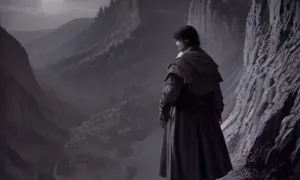
Drag the slider to compare how the landmark may have looked when it was built with the view today.
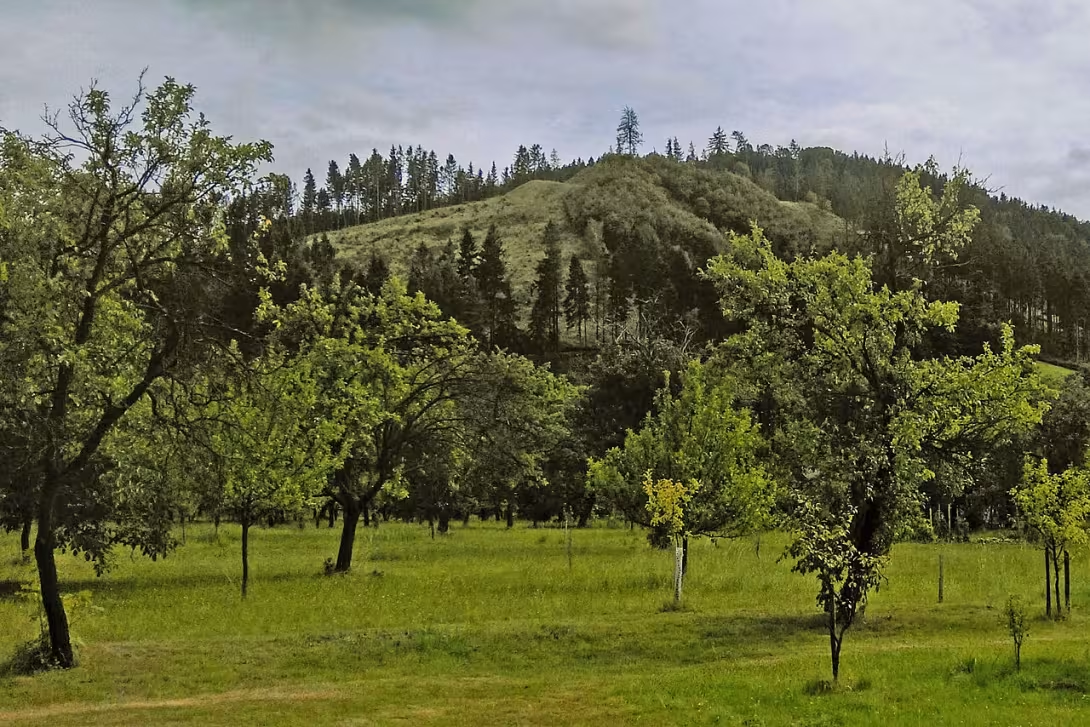
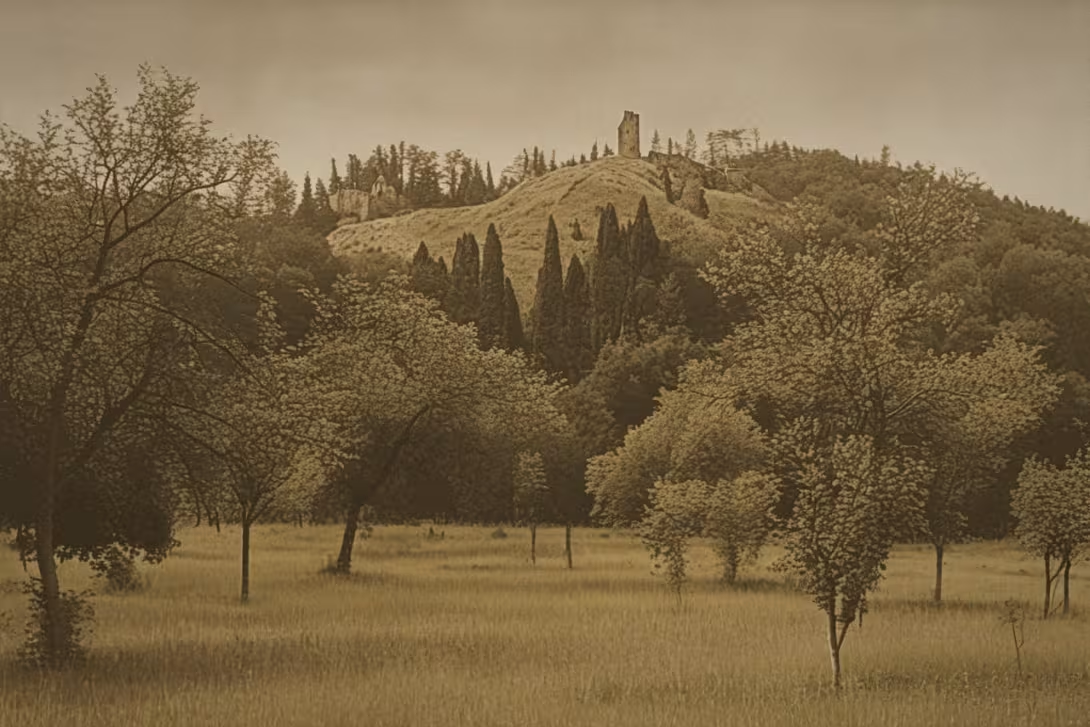
The historical appearance on the left is an AI-generated visualisation and serves as inspiration only.
Historical milestones
- 1307
- Probably the year of the castle.
- 1360
- The first historical mention of the castle.
- 1416
- The castle was pawned by the flags of Bítov.
- 1451
- The castle was redeemed and defeated by Jan Tovacovský of Cimburk.
- 1973
- The castle is protected as a cultural monument.
Architectural development
The castle was built in the place of the predecessor, the castle of Shaumburk. After his destruction in 1451, there was a probable recovery before the castle was finally destroyed.
Historical events
In 1451 the castle was redeemed and defeated by Jan Tovacovský of Cimburk. The destruction of the castle during the Czech-Hungarian wars was completed by the army.
Owners
Olomouc Bishop Jan XI. Mráz (beginning of the 15th century), a flag from Bítov near Bílovce (since 1416).
Points of interest
The castle was built as a replacement for the original Shaumburk Castle. It first appeared in documents in 1360. - Mikuláš z Bítova from the castle was engaged in robbery. - The Jan Tovačovský z Cimburka castle was redeemed and destroyed in 1451. - The castle was definitely destroyed during the Czech-Hungarian wars.
Guide
Show guide text
This text was created by artificial intelligence and has not been editorially reviewed. It may contain inaccuracies.
Welcome to the place where time has stopped and where the stone remains of castle Nový Šaumburk are trying to tell stories that have long since lost their voices. You are standing in front of just one of the most interesting ruins in this area, near the village Podhradní Lhota. If you look around now, you'll probably only see fragments of old walls that stand up against the sky and pieces of stone masonry that gradually return to the earth. But don't be fooled by this seemingly calm and emptiness. These places have their own weight, their own atmosphere and their own, often quite rough history. Feel this space, feel the silence that prevails here, and try to imagine what this place looked like at the time of its greatest glory, when there was not only wind and birds, but also powerful people who decided the fate of the whole region.
To understand why these ruins stand here, we need to go back deep into the past. You may now be told why this castle is called Nový Šaumburk. The answer is in its very essence. This castle was not created as a whole new purpose, but as a replacement. It was built to replace the original castle of Shaumburk, which at that time could no longer fulfil its function. History tells us that the very foundations of this place probably go back to 1307. This is the time when power relations in this part of the country quickly changed and building new fixed points was a necessity for anyone who wanted to maintain control over their territory. But the first real clue that history left in written documents only appeared in 1360. Since then, the castle has become part of the complex political games that ruled our countries.
Now pay attention to what you see right in front of you. Even if you look at the ruins that have long since lost their roof, windows and inner comfort, you can still feel the structure and strength in it. Feel these stone remains. Even though they are broken and incomplete today, their distribution still indicates how strategically this fortress was located. Looking at these fragments of masonry, you can imagine how people used to move around here, how important agreements were made here and how a refuge was sought in times of danger. Even though there are no decorative columns or tall towers that might appear to you today as dominant, the very existence of these stone structures in this country speaks of the enormous effort and technical prowess of the then builders. Look at the uncut stones and see if you can find any trace of the people who laid them here centuries ago.
The history of this place has never been dull or calm. The castle was constantly in the hands of various powerful personalities who were wagging over it like a precious treasure. In one period it belonged to the castle of Olomouc bishops who could exercise their spiritual and political power here. In other times, the castle was in the hands of the Bítov flags. And it is these flags that are connected to one of the darkest chapters of this place. Imagine Nicholas of Bítov. It was not just a common nobleman who dealt with the management of his goods. Documents and rumors suggest that Mikulash from the castle was engaged in dangerous and robbery expeditions. The castle was not only a fortification, but also a base for people who were not afraid to use force to take what they wanted. That gives this place a strange, slightly creepy touch, doesn't it?
But let us move on to the moment that meant the final end of his existence as a living place for this castle. If you look at these remnants, you might be wondering why there's nothing more than rock tracks. We will find the key to this issue in 1451. This year the castle became part of a dramatic event. Jan Tovačovský z Cimburka, man with uncompromising decision, castle redeemed. But he didn't do it to repair it, to re-ignite the fire in the fireplace and to make people smile again. He did it with a different purpose. Jan Tovačský's castle was destroyed. Imagine the scene: a decision that at one moment changed the face of this mountain. He ordered these walls to be destroyed, that this force fall apart. It was a political gesture, an act of dominance that condemned the castle to what you see right now - to become a part of nature.
But there is another layer of mystery and tragedy. Even though Jan Tovačský's castle was destroyed, history was constantly trying to restore it, to bring it back to life. But fate was relentless. The ultimate end was brought to the Czech-Hungarian wars that passed through this territory like storms. These conflicts were so devastating that the castle had never been able to rebuild from the depths of its ruins. It left behind only this silent monument, this shadow of the past, which today is protected as a cultural monument. Since 1973, these remains have been taken care of so that they are not completely lost to remind us that even the strongest wall may once be subject to time and human will.
Now that you know the story of this place, when you know about the robbers, the powerful bishops, and the man who decided to destroy the castle, you can look at these remains quite differently. It's not just rocks anymore. They are witnesses to the rise and fall, witnesses to human ambition and human destruction. Feel this atmosphere, which is intertwined with sadness from a non-existent castle, but at the same time with wonder how powerful history can be.
Don't just stand in one place. I invite you to move on, to move slowly around these remains and to explore them from all angles. Explore how these stone fragments intertwine with surrounding vegetation. Notice how the views of the landscape that these ruins offer you change here. Every step can bring you closer to another detail, another part of the story that was once written here. Enjoy your walk, be attentive to details and let the atmosphere of New Shaumburg consume you. Thank you for spending this moment with us and for trying to understand the soul of this place. Goodbye.
Tips for visitors
The best time to visit the ruins of New Shaumburg is in the spring or autumn season when vegetation is less dense and sunlight sunny ideal for photography. These periods also offer mild weather compared to winter.
Parking is possible near Loukov railway stop, where you can find free space for cars. For those travelling by public transport, it is advisable to use the connection to Loukov and leave on foot or use the local taxi.
When visiting, remember protective clothing such as boots with good octopus for impenetrable terrain. It is also important to bring water and an umbrella, especially in the summer months.
For shooting the ruins are the best places on top of the ruins, where the surrounding landscape of Kelčský Javorník is opened. The best light for photography is in the early morning or the evening before sunset.
In the vicinity of the ruins there is a village Podhradní Lhota, where local markets and restaurants can be discovered. For nature lovers Kelčský Javorník is an ideal place for short trips or picnics.
Businesses nearby
Do you run a restaurant, accommodation, shop, museum, rental, wellness or other visitor service near this monument? Show yourself directly to the people heading to it — this is how they will see you in the app and on the web:
Nearby
The village Podhradní Lhota, Kelčský Javorník and the railway stop Loukov.
Accommodation nearby
Themed route
1. railway stop Loukov (Traffic Node): The ideal place to start a trip thanks to easy availability. 2. Podhradní Lhota (village): Maleable village, which leads the walking route towards the main monument. 3. Nový Šaumburk (Ruins): The main destination of the trip, which offers a tour of historical ruins. 4. Kelch Javorník (Locality): Close area suitable for peaceful endings of walks.
Seasonal recommendations
Spring: In the spring season Nový Šaumburk offers unique lighting, where the sun rays give the ruins of romantic colors. Nature wakes up and the smell of flowering bushes fills the air. The atmosphere is calm, which allows relaxed tours without too many crowds. It is recommended to visit in the morning or in the late afternoon to enjoy mild temperatures and minimise the possibility of meeting other visitors. A good outfit is a light coat or sweater for a possible cooler.
Summer: In the summer months, Nový Šaumburk is a popular destination for tourists, which means higher attendance. Sunny days provide ideal conditions for photography and tours, but it is recommended to come early or late in the evening to avoid heat and crowds. It is advisable to wear light clothes and headgear for sun protection as well as plenty of drinking water.
Autumn: In autumn months Nový Šaumburk becomes melancholic atmosphere due to curly vegetation and darker light conditions. Golden leaves and colder air add interest to tours, while decreasing traffic allows for a more intimate experience. The important thing is to wear warm clothes and quality shoes for a comfortable walk, especially in cold afternoons.
Winter: During winter, Nový Šaumburk offers a magical atmosphere with snow sheets and glacier lighting. Although the opening hours are usually shorter, the experience of the tour in peace and quiet is unforgettable. Visitors should be well prepared for cold with warm clothes, hats and gloves to enjoy winter beauty without discomfort.
Visualizations and artistic views


The visualisations are generated by artificial intelligence and serve as inspiration.
Photos from the area
Real photos taken near the monument

Zdroj a licence jsou uvedeny u každého snímku.
Tips from visitors
No tips yet. Be the first!
Log in and add your tip.
Sources and literature
Fotografie: Patka / CC BY-SA 4.0 — Wikimedia Commons. The author and licence also appear when you hover over the image.
Faktickým podkladem tohoto textu byl článek na Wikipedii, jehož autory jsou přispěvatelé Wikipedie. Článek je dostupný pod licencí CC BY-SA 4.0.
Location on the map
More monuments – Podhradní Lhota
Show all in the municipality
Příběhy a pověsti
Legendy, pověsti a příběhy spjaté s touto památkou
Fotografie návštěvníků
Zatím žádné fotografie. Buďte první, kdo přidá fotografii z návštěvy!
Přihlaste se a přidejte svou fotografii nebo hodnoťte.
Za ověřenou návštěvu v aplikaci získáte víc bodů — poznáme podle GPS, že jste na místě.
Reviews and comments