



Nový zámek Bečváry Chateau
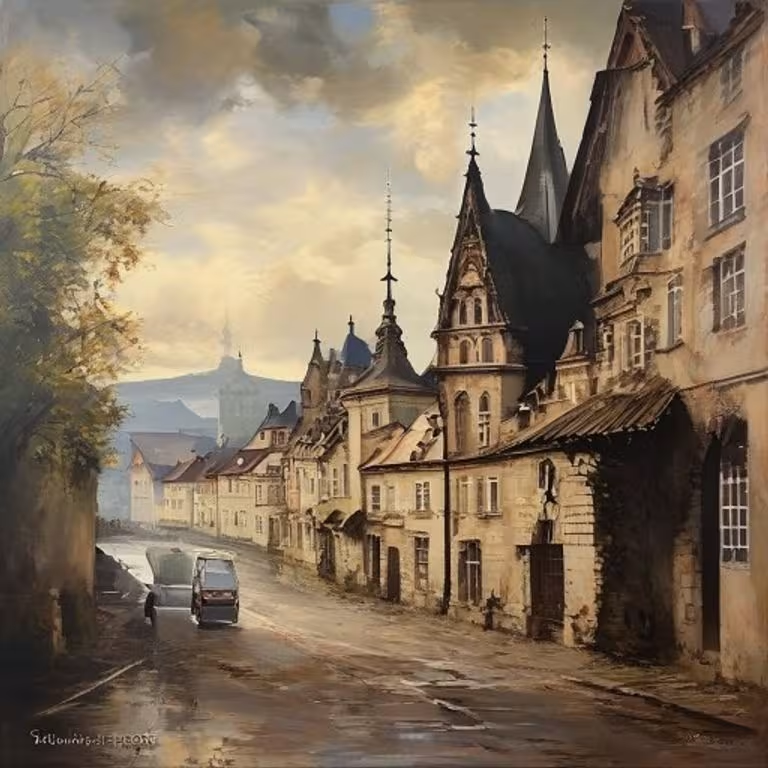
Objekt se nedochoval — na místě dnes nestojí. Následující text popisuje jeho historii, ne současnou návštěvu.
Nový zámek Bečváry was a notable historical monument located in the village of Bečváry, within Central Bohemia's Středočeský kraj region. Constructed around 1800 by Archduke Karl Ludwig, this single-story building served as an extension to accommodate guests and administrative offices for the estate. Its architectural style featured Rococo elements uncommon in Czech architecture at that time, making it a point of interest despite its eventual demolition in 1982 due to neglect.
The construction was initiated by Archduke Karl Ludwig around 1800. The primary motivation was the need for additional space, particularly guest rooms and administrative offices, as existing structures were insufficient. This period in Europe, including Bohemia, saw significant political and social changes following the Napoleonic Wars, with a shift towards modernization and industrial development.
Architecturally, Nový zámek Bečváry showcased Rococo style elements, which were relatively rare in Czech architecture at that time. The building had an oblong floor plan with a mansard roof, complemented by shallow risalits on its ends and a central large risalit featuring a chimney in the northern front. Its facade was designed to reflect the elegance of the Rococo style, emphasizing symmetry and decorative details.
Ownership transitioned from Archduke Karl Ludwig to Martin Liška ze Stříbra in 1824. Under Liška's ownership, parts of the castle were repurposed for administrative use, with some areas converted into a brewery. This adaptation included constructing an additional structure with a chimney on the northern front.
Throughout its history, Nový zámek Bečváry underwent various transformations in function and purpose. After serving as a residence and administrative center, it was utilized by JZD (Jednotné zemědělské družstvo) post-1945 for housing, offices, and storage. However, due to lack of maintenance, the castle gradually deteriorated until its demolition in 1982.
Today, Nový zámek Bečváry no longer stands as a physical structure but remains an important part of the historical narrative of Bečváry. Its story reflects broader themes of architectural evolution and socio-economic changes in early 19th-century Bohemia. While visitors cannot explore the castle itself, understanding its history offers insights into the region's past and the cultural influences that shaped it.
The legacy of Nový zámek Bečváry invites reflection on the transient nature of historical monuments and their enduring impact on local heritage. Although the physical structure is gone, its story continues to resonate with those interested in Czech history and architecture. Visitors to Bečváry can appreciate the broader landscape and historical context that once housed this unique Rococo-style castle.
Historical milestones
- 1800
- The new Bečváry Castle was built by Archduke Karl Ludwig.
- 1824
- Ownership passed to Martin Liška ze Stříbra.
- after 1945
- The castle was used by the JZD for housing, office purposes, and storage.
- 1982
- The new Bečváry Castle was demolished due to abandonment.
Architectural development
Nový zámek Bečváry was originally built in the early 19th century with an emphasis on Rococo architectural style. It underwent modifications, including a brewery addition and conversion of spaces for administrative use by Martin Liška ze Stříbra. Over time, it fell into disrepair and was eventually demolished.
Historical events
- 1800
- Construction of Nový zámek Bečváry initiated by Arcivévoda Karel Ludvík.
- 1824
- Martin Liška ze Stříbra purchased the estate and repurposed parts of the castle for administrative use.
- 1982
- The castle was demolished due to neglect.
Points of interest
– Despite its eventual demolition in 1982, Nový zámek Bečváry was one of the few structures in Czech architecture to incorporate Rococo elements during a period when such styles were uncommon in the region.
– The transition of ownership from Archduke Karl Ludwig to Martin Liška ze Stříbra marked a significant change in the castle's function, as it was partially converted into a brewery under his management, reflecting adaptive reuse practices common in 19th-century Bohemia.
– Following World War II, Nový zámek Bečváry served the local agricultural cooperative (Jednotné zemědělské družstvo), illustrating its transformation from an aristocratic estate to a utilitarian facility for housing and storage in post-war Czechoslovakia.
– The castle's oblong floor plan with a mansard roof was distinctive, featuring shallow risalits at the ends and a central large risalit with a chimney on the northern front, highlighting architectural innovation during its construction around 1800.
– Although Nový zámek Bečváry no longer exists physically, it continues to be an essential part of Bečváry's historical narrative, symbolizing broader themes of architectural evolution and socio-economic shifts in early 19th-century Bohemia.
Guide
This guide is narrated by a synthetic voice generated by artificial intelligence.
Show guide text
This text was created by artificial intelligence and has not been editorially reviewed. It may contain inaccuracies.
The New Chateau in Bečváry no longer stands today. It once existed in the grounds of the old chateau complex, and its story lasted less than two centuries.
It was built around the year 1800 by Archduke Charles Ludwig, the then owner of the Bečváry estate. The old chateau was no longer sufficient for him, as it lacked guest rooms in particular. The new building was meant to provide these, and the estate administration also moved here.
It was a single-storey building with a rectangular floor plan and a mansard roof. The facade was divided by three shallow risalits, which are slightly protruding parts of the facade, on both ends and in the centre. The northern side also had one large central risalit. The facade bore the Rococo style. The main entrance was on the southern side and led from the courtyard.
In 1824, Martin Liška from Stříbra purchased the estate. The rooms of the new chateau then served as offices and apartments for officials. Part of the building was converted into a brewery. This is why a superstructure with a chimney was created in the northern facade.
After 1945, the chateau was used by a unified agricultural cooperative. There were apartments, offices and storage rooms here. However, no one took care of the building and it gradually deteriorated until it was demolished in 1982.
Businesses nearby
Do you run a restaurant, accommodation, shop, museum, rental, wellness or other visitor service near this monument? Show yourself directly to the people heading to it — this is how they will see you in the app and on the web:
Nearby
Nový zámek Bečváry was located within the grounds of an old manor in the village of Bečváry, situated in Central Bohemia. The surrounding landscape includes typical Czech countryside features.
Visualizations and artistic views

The visualisations are generated by artificial intelligence and serve as inspiration.
Tips from visitors
No tips yet. Be the first!
Log in and add your tip.
Sources and literature
Faktickým podkladem tohoto textu byl článek na Wikipedii, jehož autory jsou přispěvatelé Wikipedie. Článek je dostupný pod licencí CC BY-SA 4.0.
Location on the map





Příběhy a pověsti
Legendy, pověsti a příběhy spjaté s touto památkou
Fotografie návštěvníků
Zatím žádné fotografie. Buďte první, kdo přidá fotografii z návštěvy!
Log in a přidejte svou fotografii nebo hodnoťte.
Za ověřenou návštěvu v aplikaci získáte víc bodů — poznáme podle GPS, že jste na místě.
Reviews and comments