






Obytné stavení usedlosti čp. 146 House
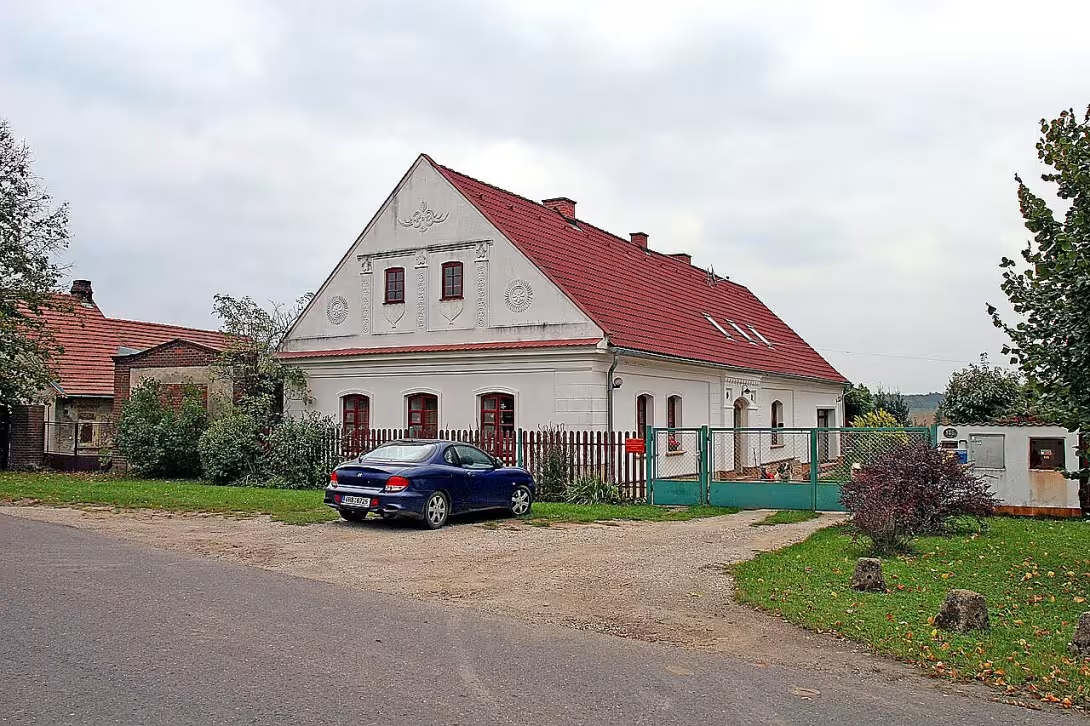
The residential building of farmstead No. 146 in Jeníkovice is a classicist rural structure near Hradec Králové, Czech Republic. Declared a cultural monument in 2002, it stands out for its well-preserved features and historical significance. The building showcases a gabled roof with a pediment facing the village square, adorned with classical stucco decorations on the façade. Its segmental windows set within profiled sills, corner quoins, and an ornate cornice at ground level highlight the classicist style prevalent during its construction period.
The origin of this building dates back to when the Czech lands were part of the Austrian Empire, reflecting cultural influences from across Europe. Classicism, characterized by symmetry, proportion, and harmony, dominated architectural styles during this era, mirroring Enlightenment ideals. While specific details about the builders or initial owners are not documented, it's clear that the structure was designed to embody these aesthetic values.
Architecturally, the building features classicist elements such as segmental windows, profiled sills, and ornate cornices. The façade is decorated with stucco work typical of the classical style, while the rear wall remains unadorned. This design reflects a balance between decorative elegance and structural simplicity, emphasizing symmetry and proportion that were hallmarks of classicist architecture.
Throughout its history, there are no documented dramatic changes in ownership or administration for this building. The key event in its timeline is its declaration as a cultural monument in 2002, recognizing its architectural significance and the preservation of its historical features.
Today, the residential building remains an important site due to its well-preserved classicist architecture and cultural heritage status. Located near Hradec Králové, Jeníkovice offers picturesque landscapes and proximity to other historical sites in Eastern Bohemia. Visitors can appreciate the architectural details that have stood the test of time, making it a worthwhile destination for those interested in history and architecture.
This monument stands as a testament to the cultural and architectural heritage of its era. Its preservation allows visitors to step back into a period where classicism reigned supreme, offering insights into the aesthetic values of the past. A visit to this site not only enriches one's understanding of historical architecture but also provides an opportunity to explore the charming surroundings of Jeníkovice.
Historical milestones
- kolem 1750
- Začátek období klasicismu v architektuře
- 1780-1830
- Kulturní a politické změny v Rakouské říši ovlivňující architekturu
- 2002
- Declarace jako kulturní památka
Architectural development
The structure features classicist architectural elements such as segmental windows, profiled sills, and ornate cornices. The façade is decorated with stucco work typical of the classical style, while the rear wall remains unadorned. The building's design reflects the aesthetic values of its era, emphasizing symmetry and proportion.
Historical events
- 2002
- The residential building was declared a cultural monument.
Points of interest
- The residential building of farmstead No.
Guide
Show guide text
This text was created by artificial intelligence and has not been editorially reviewed. It may contain inaccuracies.
Welcome to Jeníkovice. Please, take a moment to settle in, adjust your headphones, and simply look ahead. You are standing before a remarkable piece of rural history: the residential building of farmstead No. 146. At first glance, it may seem like a quiet, modest house, but as you look closer, you will realize that you are facing a sophisticated example of rural architecture that has survived the passage of centuries. There is a certain stillness here, a sense of order and dignity that speaks to a time when the home was not just a place of shelter, but a statement of status and a reflection of the cultural currents sweeping through the land.
To truly understand what you are seeing, we have to travel back in time. This building is a product of the Classicist style, an architectural movement that began to take hold around 1750. But this was not just about aesthetics; it was about a fundamental shift in how people viewed the world. Classicism was the architectural language of the Enlightenment. It moved away from the dramatic, swirling emotions of the Baroque period and instead embraced symmetry, proportion, and a return to the ideals of ancient Greece and Rome. In the cities, this style was used for grand government buildings and palaces, but here in Jeníkovice, we see how those same high-minded ideals filtered down into the countryside.
Between 1780 and 1830, the Austrian Empire underwent profound cultural and political transformations. These changes, driven by the reforms of the era, influenced everything from law and religion to the very way houses were built in small villages. The rural population began to adopt these urban trends, blending the practical needs of a working farm with the elegance of the city. The residential building of farmstead No. 146 is a beautiful testament to this intersection. It represents a moment in history when the rural landscape of the region near Hradec Králové was being reshaped by a desire for harmony and rational design.
Now, I invite you to focus your attention on the architecture itself. Let your eyes wander across the façade. The first thing you should notice is the overall sense of balance. Classicism is all about symmetry, and you can see that reflected in the layout of the building. Now, look upward. Your gaze will be drawn to the gabled roof, which is a characteristic feature of these traditional farmsteads. But notice the specific detail where the roof meets the front of the house: the pediment. This triangular element facing the village square is a direct nod to the temples of antiquity. It gives the house a sense of formality and importance, elevating it from a simple farmhouse to a piece of architectural art.
As you look closer at the walls, pay attention to the façade. You will see classical stucco decorations. These are not merely ornamental; they are the fingerprints of the Classicist era. These subtle reliefs and moldings were designed to create a play of light and shadow, adding depth to the surface of the building without overwhelming it with excessive decoration. The beauty here lies in the restraint. The builders wanted to convey a sense of permanence and stability. Take a moment to imagine the craftsmen who applied this stucco by hand, carefully measuring every line to ensure that the proportions were exactly right.
While the names of the specific architects who designed this house or the families who first walked through its doors have been lost to time, their presence is still felt in the stones and mortar. We do not know the individual stories of the people who lived here, but we can infer the story of their lives. This was a home of significance. To build a house in the Classicist style in a village setting suggests a level of prosperity and a connection to the wider world. The inhabitants were likely people who valued order, education, and the cultural trends of the Austrian Empire. They lived in a world where the rhythms of the agricultural calendar met the intellectual shifts of a changing Europe.
There is something poignant about the anonymity of this place. We may not have a list of famous personalities associated with farmstead No. 146, but the building itself becomes the personality. It stands as a silent witness to the generations of farmers, laborers, and families who navigated the challenges of rural life while surrounded by this refined architecture. It reminds us that history is not only made by kings and generals in distant capitals, but also by the people in villages like Jeníkovice who brought beauty and order to their own doorsteps.
One of the most interesting aspects of this building is its recognition in the modern era. For a long time, rural architecture was often overlooked in favor of grand cathedrals or royal castles. However, in 2002, the residential building of farmstead No. 146 was officially declared a cultural monument. This was a pivotal moment. It was a formal acknowledgment that this house is not just an old building, but a vital piece of the cultural fabric of the Czech Republic. The fact that it has remained so well-preserved is a minor miracle. In many villages, such structures were modernized, altered, or demolished to make way for the new. Here, the original features—the pediment, the stucco, the proportions—have survived, allowing us to see the 18th and 19th centuries almost exactly as they were.
The mystery of this house lies in its survival. Why did this particular farmstead remain so intact while others changed? Perhaps it was the care of the families who lived here, or perhaps it was the sheer quality of the original construction. As you stand here, you are looking at a rare survivor of a specific rural identity. It is a bridge between the agrarian world of the past and the preserved heritage of the present.
As we bring this visit to a close, I encourage you to take a final walk around the perimeter of the building. Notice how the house interacts with the space of the village square. Feel the atmosphere of Jeníkovice and think about how this one building reflects the ambitions and the tastes of a bygone era. The symmetry you see before you is more than just a design choice; it is a reflection of a time when people believed that the world could be organized, rational, and beautiful.
Thank you for joining me on this brief journey through the history of farmstead No. 146. Please take your time to soak in the surroundings before moving on to your next destination. Enjoy the rest of your exploration of Jeníkovice.
Tips for visitors
The best time to visit the residential building of farmstead No. 146 in Jeníkovice is during late spring or early autumn. During these seasons, the weather is generally pleasant, and the surrounding landscapes are particularly beautiful with blooming flowers in spring and vibrant foliage in autumn. The mild temperatures make it comfortable for walking around and exploring the area.
Parking and transportation options near Jeníkovice are convenient. There are parking facilities available nearby where visitors can leave their cars. For those preferring public transport, there are bus services that connect to Hradec Králové, from where you can easily reach Jeníkovice. It is advisable to check the latest schedules on a transportation website or app for accurate information.
When visiting, it's recommended to bring comfortable walking shoes as exploring the area around the farmstead may involve some walking. Additionally, consider bringing a camera if you enjoy photography and want to capture the picturesque landscapes. Sunscreen and hats are also advisable during sunny days to protect against sun exposure.
For photography enthusiasts, the best spots for capturing images include the exterior of the classicist rural structure itself, where the architecture can be beautifully framed with the natural surroundings. Early morning or late afternoon light is ideal as it provides soft shadows and warm tones that enhance the visual appeal of photographs.
Nearby Jeníkovice, within a 30-minute drive, are several interesting sites to explore. Hradec Králové offers historical landmarks such as the Gothic Church of St. Nicholas and the Renaissance chateau. The natural beauty of Eastern Bohemia can be appreciated at nearby parks or nature reserves, which provide excellent opportunities for hiking and enjoying outdoor activities.
Businesses nearby
Do you run a restaurant, accommodation, shop, museum, rental, wellness or other visitor service near this monument? Show yourself directly to the people heading to it — this is how they will see you in the app and on the web:
Events nearby
Zdroj akcí: otevřená data měst a obcí ČR (Národní katalog otevřených dat) a kalendář akcí Národního památkového ústavu.
Nearby
Jeníkovice is situated near Hradec Králové, offering picturesque landscapes and proximity to historical sites in the region. The area around Jeníkovice includes natural features typical of Eastern Bohemia.
Accommodation nearby
Themed route
Jeníkovice Thematic Walking Tour
1. Obytné stavení usedlosti čp. 146 (dům) *Type:* Historical Building This charming farmhouse is the centerpiece of your visit, offering a glimpse into traditional Eastern Bohemian architecture and rural life. Its well-preserved structure provides insight into historical building techniques and local heritage.
2. Jeníkovice Countryside *Type:* Natural Landscape Explore the picturesque landscapes surrounding Jeníkovice, characterized by lush fields and rolling hills typical of Eastern Bohemia. This area is perfect for a leisurely walk or bike ride, allowing you to appreciate the serene beauty and tranquility of rural life.
3. Local Trails *Type:* Walking Path Embark on a short hike along local trails that meander through Jeníkovice's natural surroundings. These paths offer stunning views and an opportunity to connect with nature while enjoying the peaceful environment away from urban hustle.
4. Nearby Fields and Meadows *Type:* Agricultural Landscapes Visit the surrounding fields and meadows, which showcase traditional farming practices in Eastern Bohemia. This area highlights the region's agricultural heritage and provides a chance to observe local flora and fauna in their natural habitat.
This tour allows you to immerse yourself in the historical and natural beauty of Jeníkovice, offering a well-rounded experience of its cultural and environmental significance.
Seasonal recommendations
Spring: The arrival of spring at Obytné stavení usedlosti čp. 146 (dům) in Jeníkovice brings a refreshing atmosphere as nature begins to awaken from its winter slumber. Visitors can enjoy the soft, natural light that enhances the historical charm of the building, with blossoming flowers and fresh greenery creating an inviting backdrop. It's advisable to wear layers, as temperatures can vary throughout the day. Early mornings or late afternoons are ideal times to visit when fewer crowds gather, allowing for a more serene experience.
Summer: Summer at Obytné stavení usedlosti čp. 146 (dům) offers vibrant energy with longer daylight hours that illuminate the architectural details of the historic site beautifully. The surrounding nature is lush and full of life, providing picturesque settings for visitors to explore. Given the popularity during this season, it's best to arrive early in the morning to avoid large crowds. Comfortable walking shoes and light clothing are recommended due to warmer temperatures.
Autumn: Autumn at Obytné stavení usedlosti čp. 146 (dům) is characterized by a stunning display of changing leaves that create a warm, golden hue around the property. The cooler weather makes for comfortable exploration, with the crisp air enhancing the historical ambiance. This season offers fewer visitors compared to summer, making it an excellent time for those seeking a quieter experience. Layered clothing is advisable to accommodate varying temperatures throughout the day.
Winter: Winter at Obytné stavení usedlosti čp. 146 (dům) presents a serene and magical atmosphere, with shorter days providing softer lighting that casts gentle shadows on the historic architecture. The surrounding landscape may be covered in snow, adding to the picturesque charm of Jeníkovice. Visitors should dress warmly due to colder temperatures and check for any changes in opening hours as some facilities might have reduced availability during this time. Early visits are recommended to ensure a peaceful experience before winter crowds arrive.
Visualizations and artistic views


The visualisations are generated by artificial intelligence and serve as inspiration.
Photos from the area
Real photos taken near the monument


Zdroj a licence jsou uvedeny u každého snímku.
Tips from visitors
No tips yet. Be the first!
Log in and add your tip.
Sources and literature
Fotografie: Petr1888 / CC BY-SA 4.0 — Wikimedia Commons. The author and licence also appear when you hover over the image.
Faktickým podkladem tohoto textu byl článek na Wikipedii, jehož autory jsou přispěvatelé Wikipedie. Článek je dostupný pod licencí CC BY-SA 4.0.
Location on the map


Příběhy a pověsti
Legendy, pověsti a příběhy spjaté s touto památkou
Fotografie návštěvníků
Zatím žádné fotografie. Buďte první, kdo přidá fotografii z návštěvy!
Přihlaste se a přidejte svou fotografii nebo hodnoťte.
Za ověřenou návštěvu v aplikaci získáte víc bodů — poznáme podle GPS, že jste na místě.
Reviews and comments