






Ostrov (zámek, okres Kutná Hora) Chateau
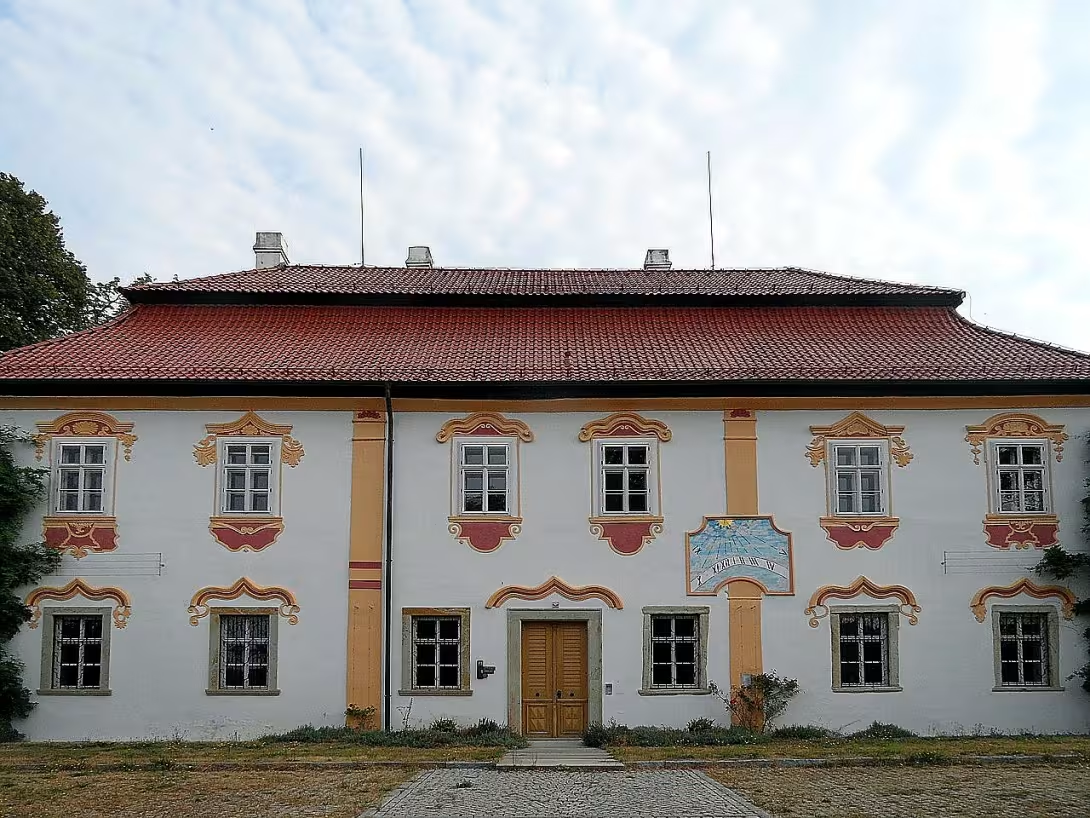
Ostrov Chateau is a notable cultural monument located in the village of Ostrov within the Zbraslavice municipality, about five kilometers south of Zbraslavice and two kilometers southwest of Bohdaneč. This Baroque chateau, part of a larger estate that includes an administrative building, farm structures, barns, and a stable, is recognized for its historical significance in the Czech Republic. The site's importance lies not only in its architectural evolution but also in its reflection of broader cultural developments during the Baroque period when it was significantly transformed under Zikmund Moravec.
The origins of Ostrov Chateau trace back to 1580, documented as a fortress with an associated manor house. Over time, the estate underwent several transformations, particularly during the late 17th and early 18th centuries. The most substantial changes occurred between 1758 and 1784 under Zikmund Moravec's ownership, marking its evolution into a Baroque chateau. This period of transformation was characterized by significant architectural enhancements that aligned with the stylistic trends of the time, reflecting cultural flourishing within the Habsburg Monarchy.
Architecturally, Ostrov Chateau showcases elements typical of late Baroque style, particularly evident in its reconstruction during Moravec's era. The estate also experienced Neoclassical modifications between 1832 and 1845, adding layers to its architectural narrative. Recent restoration efforts have focused on returning parts of the chateau to its historical Baroque appearance, preserving its cultural heritage while adapting it for modern use.
Throughout its history, Ostrov Chateau has seen various owners, with Zikmund Moravec being one of the most notable due to his role in its major reconstruction during the 18th century. The estate later changed hands and fell into disrepair until acquired by a firm named Less at the turn of 2004-2005. This acquisition marked the beginning of extensive restoration efforts, transforming the chateau into corporate headquarters while maintaining its historical essence.
Key events in the chateau's history include its major Baroque reconstruction under Zikmund Moravec and subsequent Neoclassical modifications. These architectural changes highlight the estate's dynamic evolution over centuries. Additionally, the site features cultural elements such as a pond for birds, sculptures by Pavel Purkrábek, a replica of a Baroque pigeon house, and a statue of Antonín Rückl created by sculptress Paulina Skavová.
Today, Ostrov Chateau is not open to the general public but serves as corporate headquarters. The restoration efforts have preserved its historical architecture while adapting it for modern use. Visitors can appreciate the chateau's architectural beauty from a distance, and the surrounding area offers cultural heritage sites such as a statue of Saint John Nepomucene. Despite limited accessibility, Ostrov Chateau remains a site of historical interest, reflecting the rich cultural tapestry of the Czech Republic.
Ostrov Chateau stands as a testament to the architectural and cultural developments of its time. Its preservation and adaptation for modern use underscore its enduring significance. While not open to the public, it invites those interested in history and architecture to explore its surroundings and appreciate its historical context.
Then and now
Drag the slider to compare how the landmark may have looked when it was built with the view today.
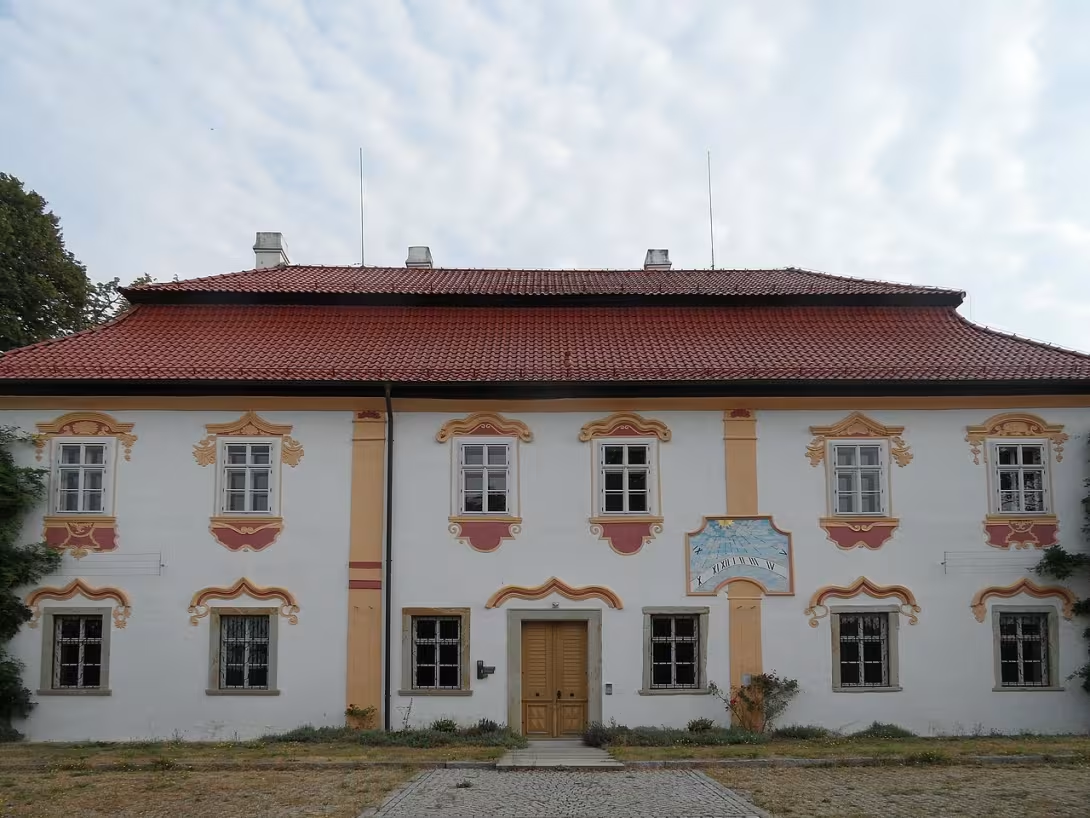

The historical appearance on the left is an AI-generated visualisation and serves as inspiration only.
Historical milestones
- 1580
- Ostrov Chateau documented as a fortress with manor house.
- 1758-1784
- Major Baroque reconstruction under Zikmund Moravec.
- 1832-1845
- Neoclassical modifications to the chateau.
- 2004
- Acquisition by firm Less, beginning restoration efforts.
Architectural development
Ostrov Chateau has experienced several architectural phases, beginning as a fortress in the late 16th century. The most significant transformation occurred during the Baroque period under Zikmund Moravec's ownership, with further Neoclassical adjustments made later. Recent restoration efforts have focused on returning parts of the chateau to its Baroque state.
Historical events
1758–1784: Major Baroque reconstruction under Zikmund Moravec.
1832–1845: Neoclassical modifications were made to the estate.
Owners
The estate was notably owned by Zikmund Moravec in the 18th century. It later changed hands and fell into disrepair until it was acquired by a firm named Less at the turn of 2004-2005, who initiated significant restoration works.
Points of interest
- The transformation of Ostrov Chateau into a Baroque masterpiece was significantly influenced by Zikmund Moravec, who owned it from 1758 to 1784. His vision and investment during this period not only altered the chateau's architecture but also reflected the broader cultural trends within the Habsburg Monarchy.
- Despite its historical significance, Ostrov Chateau is not accessible to the general public today. It serves as corporate headquarters, a unique adaptation that blends modern functionality with preserved historical elements, illustrating a successful model of adaptive reuse for historic buildings.
- The chateau's architectural journey includes Neoclassical modifications between 1832 and 1845, adding layers of complexity to its design narrative. These changes highlight the estate's ability to evolve stylistically while maintaining its core identity as a cultural monument.
- An intriguing aspect of Ostrov Chateau is its surrounding cultural elements, such as sculptures by Pavel Purkrábek and a replica of a Baroque pigeon house. These features enhance the site's historical ambiance and provide insight into the artistic influences prevalent during different periods of the chateau’s history.
- The statue of Antonín Rückl, created by sculptress Paulina Skavová, is one of the cultural highlights in the vicinity of Ostrov Chateau. This piece adds to the rich tapestry of art and history that characterizes the area, offering a glimpse into the artistic legacy associated with the chateau's landscape.
Guide
This guide is narrated by a synthetic voice generated by artificial intelligence.
Show guide text
This text was created by artificial intelligence and has not been editorially reviewed. It may contain inaccuracies.
Welcome to Ostrov Chateau, a remarkable cultural monument nestled in the village of Ostrov within the Zbraslavice municipality. As you stand here, take a moment to absorb the serene beauty of this historic site. Imagine yourself stepping back into time as you explore the layers of history embedded within its walls.
The story of Ostrov Chateau begins in 1580 when it was first documented as a fortress accompanied by a manor house. This early period laid the foundation for what would become an architectural evolution, reflecting broader cultural and historical shifts over the centuries. A key transformation occurred during the Baroque period from 1758 to 1784 under the ownership of Zikmund Moravec. His vision reshaped the chateau into a masterpiece that mirrored the opulence and grandeur typical of the era.
As you look around, notice how the architecture captures this significant change. The intricate details and stylistic elements speak volumes about the period's artistic preferences and technological advancements. While specific architectural features are not documented here, take in the overall atmosphere and imagine the skilled artisans who contributed to its transformation during Moravec’s time.
Zikmund Moravec himself is a figure of great interest when considering Ostrov Chateau. His influence extended beyond mere ownership; he was instrumental in transforming this fortress into an iconic Baroque structure. His investment not only altered the chateau's physical appearance but also reflected broader cultural trends within the Habsburg realm during that period.
Another fascinating chapter in the chateau’s history involves its Neoclassical modifications between 1832 and 1845, showcasing a shift towards more restrained elegance. This era added another layer to the chateau's rich architectural tapestry.
Fast forward to 2004, when the firm Less acquired Ostrov Chateau, initiating restoration efforts that have helped preserve this historical gem for future generations. Their dedication underscores the importance of maintaining such cultural landmarks and ensuring they continue to tell their stories.
As you conclude your visit here, I invite you to linger a little longer, perhaps exploring nearby paths or simply enjoying the tranquil surroundings. Each step around Ostrov Chateau is an opportunity to connect with history and appreciate the craftsmanship that has stood the test of time. Thank you for joining me on this journey through the past. May your exploration inspire curiosity and wonder as you continue discovering more about our world’s rich heritage.
Frequently asked questions
Can the monument be visited?
Some buildings of this kind are open for guided tours, others serve another purpose or are privately owned. We have not verified whether and when this monument is open – please ask the operator. According to the heritage register restoration is under way, so access may be restricted.
What are the opening hours and admission?
We have not verified the opening hours or admission. Current information is published by the operator.
Where is the monument?
Location: Zbraslavice, Středočeský kraj. The map on this page shows the exact spot.
Why is the monument protected?
It is listed in the Central List of Cultural Monuments of the Czech Republic as a cultural monument (register no. 1000152329).
Businesses nearby
Do you run a restaurant, accommodation, shop, museum, rental, wellness or other visitor service near this monument? Show yourself directly to the people heading to it — this is how they will see you in the app and on the web:
Nearby
Ostrov Chateau is situated near Zbraslavice and Bohdaneč, surrounded by natural landscapes. The area includes cultural heritage sites such as a statue of Saint John Nepomucene.
Accommodation nearby
Trips and activities nearby
Guided tours, tickets and activities nearby from GetYourGuide
Affiliate link: if you buy from the partner, we may receive a commission. The price for you does not change.
Search tours and activities →Themed route
Thematic Vltava River Trail
1. Ostrov Chateau (Zámek)
Type: Historical Chateau
Why Visit: Ostrov Chateau is a stunning example of Renaissance architecture, offering visitors the chance to explore its rich history and beautiful gardens. The chateau's strategic location near Zbraslavice provides panoramic views of the surrounding natural landscapes.
2. Statue of Saint John Nepomucene
Type: Cultural Heritage Site
Why Visit: This statue is a significant cultural landmark, dedicated to Saint John Nepomucene, who is revered for his martyrdom and association with the protection of confessional secrets. It offers insight into local religious traditions and artistry.
3. Zbraslavice
Type: Village
Why Visit: Zbraslavice is a charming village known for its picturesque setting along the Vltava River, offering serene walking paths and opportunities to experience local Czech culture and hospitality. The village's proximity to both Ostrov Chateau and Bohdaneč makes it an ideal base for exploring the area.
4. Bohdaneč
Type: Town
Why Visit: As a nearby town, Bohdaneč complements your visit with its quaint streets and historical architecture, providing a glimpse into traditional Czech life. It's perfect for those looking to enjoy local cuisine or simply relax in a peaceful environment.
5. Ostrov Castle Gardens
Type: Historical Garden
Why Visit: The gardens of Ostrov Chateau are meticulously maintained, featuring a variety of flora that highlights the estate’s historical significance and aesthetic beauty. They offer a tranquil space for reflection and appreciation of nature's harmony with architectural design.
This thematic trail combines cultural heritage with natural beauty, providing an enriching experience along the Vltava River.
Seasonal recommendations
Spring: Visiting Ostrov Chateau during spring offers a unique experience as the landscape comes alive with vibrant colors and blooming flowers. The gentle warmth of the season enhances the natural beauty surrounding the chateau, creating an idyllic setting for exploring its grounds. Springtime brings mild weather, making it ideal for leisurely walks through the lush gardens and enjoying the fresh air. Visitors should consider wearing layers to accommodate the occasional cool breeze or unexpected rain showers. While the site may not be as crowded as in summer, arriving early can provide a more serene experience before larger groups gather.
Summer: Summer is an excellent time to visit Ostrov Chateau due to its long days and warm weather, perfect for exploring both indoors and outdoors. The chateau grounds are particularly inviting during this season, with lush greenery and vibrant flowers enhancing the historical ambiance. However, summer also attracts more visitors, so it's advisable to arrive early in the morning to avoid crowds. Comfortable walking shoes and light clothing are recommended, along with sunscreen and a hat to protect against the sun. The chateau may host various events during this season, adding to its lively atmosphere.
Autumn: Autumn transforms Ostrov Chateau into a picturesque wonderland of reds, oranges, and yellows. The changing foliage provides a stunning backdrop for photography enthusiasts and those looking to capture the essence of fall. Cooler temperatures make it comfortable for extended visits without the summer heat. Visitors should dress in layers to adapt to fluctuating weather conditions, which can include crisp mornings followed by warmer afternoons. As the season progresses, fewer tourists are likely to visit, offering a quieter experience while still enjoying the chateau's charm.
Winter: Winter at Ostrov Chateau offers a magical and serene atmosphere as snow blankets the landscape, creating a fairy-tale-like setting. The chateau takes on an ethereal beauty with its surroundings covered in white, making it a perfect time for those who appreciate quiet reflection and picturesque views. However, the cooler temperatures mean visitors should dress warmly, with coats, hats, gloves, and sturdy boots being essential. Despite potential closures of certain sections, winter provides a unique opportunity to experience the chateau's tranquility away from the summer crowds.
Visualizations and artistic views


The visualisations are generated by artificial intelligence and serve as inspiration.
Photos from the area
Real photos taken near the monument


Zdroj a licence jsou uvedeny u každého snímku.
Tips from visitors
No tips yet. Be the first!
Log in and add your tip.
Sources and literature
Photos: Stribrohorak / CC BY-SA 3.0 — Wikimedia Commons. The author and licence also appear when you hover over the image.
Faktickým podkladem tohoto textu byl článek na Wikipedii, jehož autory jsou přispěvatelé Wikipedie. Článek je dostupný pod licencí CC BY-SA 4.0.
Location on the map
Příběhy a pověsti
Legendy, pověsti a příběhy spjaté s touto památkou
Fotografie návštěvníků
Zatím žádné fotografie. Buďte první, kdo přidá fotografii z návštěvy!
Log in a přidejte svou fotografii nebo hodnoťte.
Za ověřenou návštěvu v aplikaci získáte víc bodů — poznáme podle GPS, že jste na místě.
Reviews and comments