






Palác Koruna Palace
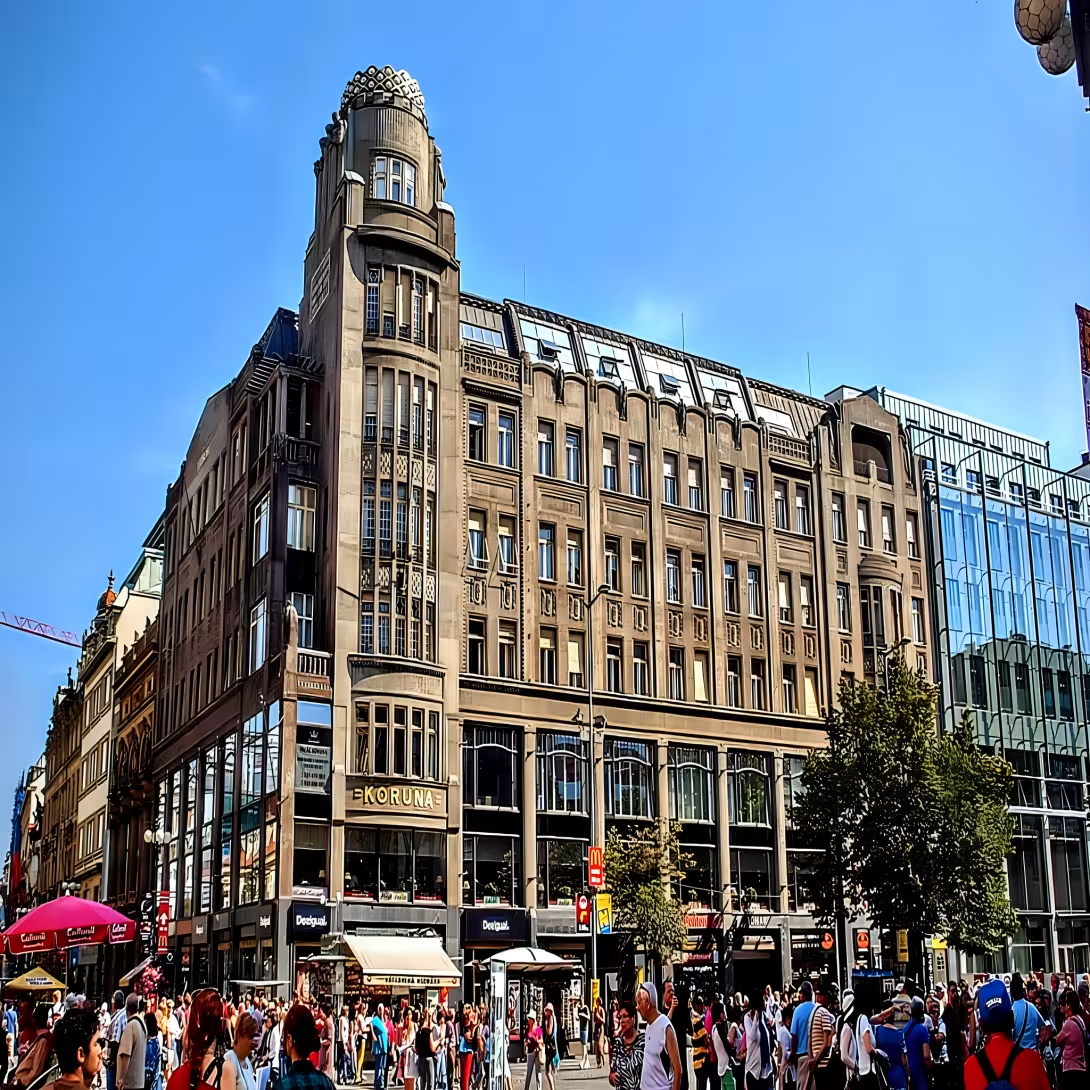
Palác Koruna, also known as Automat Koruna, is a notable late secessionist building at the intersection of Václavské náměstí and Na příkopě street in Prague's historic New Town. Constructed at the beginning of the 20th century, this six-story structure features an iron-and-concrete skeleton, making it one of the first buildings in Prague to use this construction method. Recognized as part of Prague’s historic center, Palác Koruna is listed on UNESCO's World Heritage Site since 1992, highlighting its cultural and architectural significance.
The site where Palác Koruna now stands was once occupied by Dům U Špinků, a building demolished in 1912 to make way for the new palace. Construction began with a permit issued on April 24, 1912, by the Magistrát hlavního města Prahy and was completed when it opened its doors on March 7, 1914. This period marked an era of national awakening in Czechoslovakia, characterized by modernization efforts and a surge in secessionist architecture that reflected broader European trends towards artistic innovation and cultural identity.
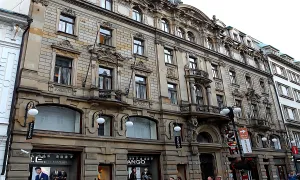
Architecturally, Palác Koruna is distinguished by its secessionist style, designed by Antonín Pfeifer and Matěj Blecha. The building features an iron-and-concrete skeleton extending two levels below ground and four above, with brick infill. Its design includes a corner tower topped with atlantes supporting a crown, and a central courtyard capped with a dome. Sculptural decoration by Stanislav Sucharda adds to its artistic appeal. The structure's layout comprises two prongs: a three-winged section facing Václavské náměstí and a two-winged section along Na Příkopě street, connected by a passageway with an arcade leading to the courtyard.
Ownership of Palác Koruna has seen significant transitions. Initially constructed by První česká všeobecná akciová společnost pro pojišťování na život, which later renamed itself 'Koruna', the building became a separate entity under Koruna Palace Assets a.s. in 2010, owned by Chemoprojekt, a.s. By 2014, Safichem Group AG, led by Tomáš Plachý, emerged as the sole shareholder.
A key event in Palác Koruna's history was the opening of the first 'Koruna-Automat' in 1931 within its premises. This unique vending experience allowed patrons to purchase items like lemonade and sandwiches with a coin, reflecting an innovative approach to consumer convenience at the time. The automat continued operations until it was nationalized in 1948, eventually closing definitively in 1992.
Today, Palác Koruna serves as a vibrant commercial hub, housing 108 legal entities and 46 businesses across its premises. While the original cinema and swimming pool have been replaced by retail spaces, the building's historical significance remains intact. Its architectural beauty and role in Prague’s cultural heritage make it an intriguing destination for visitors interested in exploring the city's rich history.
Palác Koruna stands as a testament to early 20th-century innovation and artistic expression in Czech architecture. Its unique blend of secessionist design and pioneering construction techniques continues to captivate those who visit, offering a glimpse into Prague’s dynamic past while serving modern commercial purposes. This monument invites exploration for anyone interested in the intersection of history, culture, and architectural evolution.
Then and now
Drag the slider to compare how the landmark may have looked when it was built with the view today.
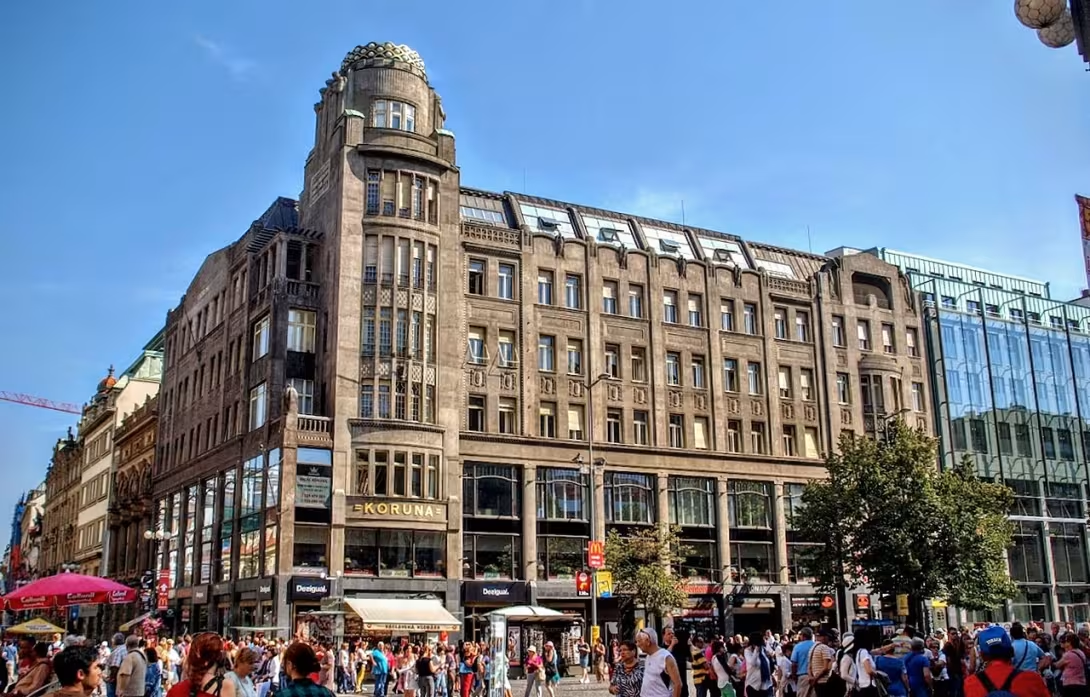
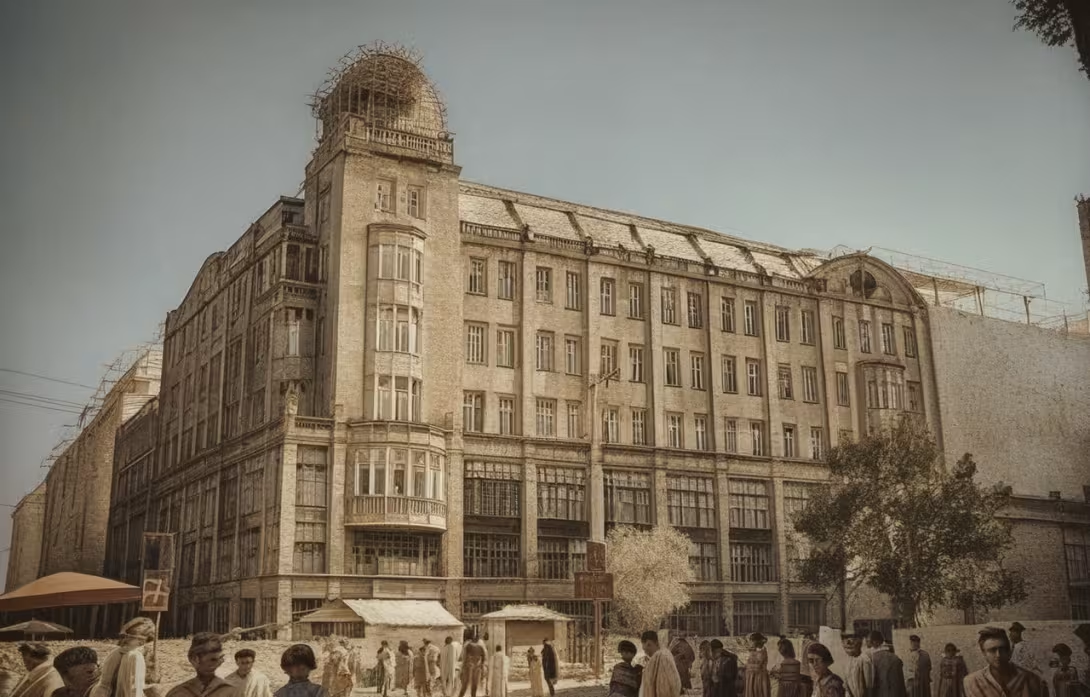
The historical appearance on the left is an AI-generated visualisation and serves as inspiration only.
Historical milestones
- 1912
- The House at the Spurs was demolished to make way for a new palace.
- 1914
- The Koruna Palace was opened to the public.
- 1931
- Opening of the first 'Koruna-Automat'.
- 1948
- The Koruna Palace was nationalized.
- 1992
- Closure of the 'Koruna-Automat' and its inclusion in the UNESCO World Heritage List.
Architectural development
Palác Koruna was designed by architects Antonín Pfeifer and Matěj Blecha, featuring secessionist style with sculptural decoration by Stanislav Sucharda. The building's iron-and-concrete skeleton extends two levels below ground and four above, with brick infill. It includes a corner tower topped with atlantes supporting a crown, and a central courtyard capped with a dome.
Historical events
In 1912, the previous building known as Dům U Špinků was demolished to make way for Palác Koruna, which opened on March 7, 1914.
The first 'Koruna-Automat' opened in 1931 within the palace, offering a unique vending experience until its closure in 1992.
Owners
The building was originally constructed by První česká všeobecná akciová společnost pro pojišťování na život, later renamed 'Koruna'. In 2010, it became a separate entity under Koruna Palace Assets a.s., owned by Chemoprojekt, a.s. By 2014, Safichem Group AG, led by Tomáš Plachý, became the sole shareholder.
Points of interest
- The Palác Koruna was originally constructed by První česká všeobecná akciová společnost pro pojišťování na život, which later changed its name to 'Koruna,' reflecting the building's initial connection to insurance before transitioning into a commercial hub.
- The corner tower of Palác Koruna is adorned with atlantes supporting a crown, symbolizing both architectural grandeur and possibly alluding to the notion of protection or guardianship in line with its original function related to insurance.
- The first 'Koruna-Automat' opened in 1931 within Palác Koruna, offering an innovative vending experience where patrons could purchase items like lemonade and sandwiches using a coin—a concept that was quite advanced for its time and indicative of early consumer convenience trends.
- Architect Antonín Pfeifer collaborated with Matěj Blecha to design the secessionist style of Palác Koruna, incorporating sculptural elements by Stanislav Sucharda, which adds an artistic layer to its architectural significance beyond mere structural innovation.
- By 2014, Safichem Group AG became the sole shareholder of Koruna Palace Assets a.s., illustrating how ownership and business interests have evolved significantly since the building's inception at the beginning of the 20th century.
Guide
This guide is narrated by a synthetic voice generated by artificial intelligence.
Show guide text
This text was created by artificial intelligence and has not been editorially reviewed. It may contain inaccuracies.
Koruna Palace, also known as the Koruna automaton, is a late Art Nouveau building from the early 20th century. It stands in Prague in the New Town, on the corner of Václavské náměstí and Na příkopě street. It is a cultural monument and also part of Prague's historic center, which has been inscribed on the UNESCO World Heritage List since 1992.
On this site stood the U Špinků house at the end of the 19th century. In the Café Wien located there, Czech patriots gathered in the 1860s, including František Palacký, František Ladislav Rieger and František August Brauner. The house was demolished in 1912. That same year, on April 24th, the Prague City Council issued a building permit for a new palace, which was opened on March 7th, 1914. It was built at the expense of the First Czech General Life Insurance Joint Stock Company, later renamed Koruna. It was one of the first houses with a reinforced concrete structure and was created as an encasing of the Haas carpet house.
The palace was designed by architects Antonín Pfeifer and Matěj Blecha, and the sculptural decoration was created by Stanislav Sucharda. It is a six-story corner building with a rectangular floor plan. It consists of two wings perpendicular to each other, one facing Václavské náměstí and the other facing Na příkopě street. A broken passage runs through the building with a central courtyard, which is crowned by a dome with stained glass windows. The most striking feature is a prismatic tower at the corner with a crown supported by atlantes. Glass shop windows divide the ground floor. The reinforced concrete skeleton with brick infill extends two floors below ground.
Originally there was an underground cinema and swimming pool. Between 1991 and 1996, the ground floor and basement were converted for retail and the multi-story Bontonland store was created there. Today, 108 companies and other legal entities are located in the building and there are 46 businesses operating there.
The palace was given the nickname automaton Koruna by an automaton opened in 1931 as the first of its kind. People inserted a coin and dispensed lemonade from a brass tap and took a sandwich from an automatic window. Pork chops and strawberry cocktails were also popular. In 1948 the automaton was nationalized and before 1978 part of it had to give way to metro entrances. It finally closed in 1992.
The building long belonged to the state company Technoexport, which was privatized in 2009 by Chemoprojekt, a company owned by businessman Tomáš Plachý. Since 2014, the palace has remained in his ownership through his Safichem group.
Tips for visitors
The best time to visit Palác Koruna is during the late spring or early fall when the weather is pleasant, and the crowds are smaller compared to peak tourist seasons. This timing allows you to enjoy the architectural beauty of the building without the hustle and bustle. Additionally, visiting in these months provides good lighting for photography, capturing the intricate details of the secessionist style.
Transportation to Palác Koruna is convenient via public transit or by car. The area around Václavské náměstí is well-served by trams and buses, making it easy to reach without a vehicle. Always check for current routes and availability using local transit apps or websites.
When visiting Palác Koruna, consider bringing comfortable walking shoes as the area around Václavské náměstí is best explored on foot to fully appreciate its surroundings. A camera is recommended to capture the unique architectural details of the building. Additionally, carrying a light jacket can be useful due to variable weather conditions in Prague.
For photography enthusiasts, Palác Koruna offers several vantage points for capturing its distinctive facade and interior elements. The best lighting is typically found during the late morning or early afternoon when sunlight highlights the intricate designs. Nearby Václavské náměstí also provides a picturesque backdrop for photos with its vibrant atmosphere.
In addition to Palác Koruna, nearby attractions within 30 minutes include the National Museum and the Estates Theatre, both of which are rich in cultural history and offer diverse experiences. For families with children, these sites provide educational opportunities and engaging exhibits that cater to all ages.
Frequently asked questions
Can the monument be visited?
Some buildings of this kind are open for guided tours, others serve another purpose or are privately owned. We have not verified whether and when this monument is open – please ask the operator.
What are the opening hours and admission?
We have not verified the opening hours or admission. Current information is published by the operator.
Where is the monument?
Location: Václavské nám. 846/1, Nové Město, Praha, Hlavní město Praha. The map on this page shows the exact spot.
Why is the monument protected?
It is listed in the Central List of Cultural Monuments of the Czech Republic as a cultural monument (register no. 41360/1-2058).
Businesses nearby
Do you run a restaurant, accommodation, shop, museum, rental, wellness or other visitor service near this monument? Show yourself directly to the people heading to it — this is how they will see you in the app and on the web:
Events nearby

Zdroj akcí: otevřená data měst a obcí ČR (Národní katalog otevřených dat) a kalendář akcí Národního památkového ústavu.
Nearby
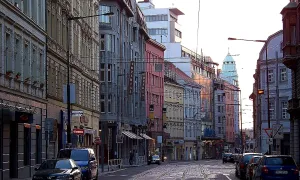
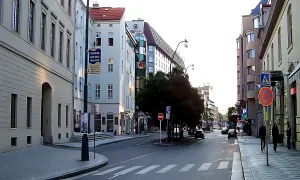
Palác Koruna is situated in Prague's historic New Town, near Václavské náměstí. The area features other significant cultural landmarks and is part of the UNESCO World Heritage Site.
Accommodation nearby
Trips and activities nearby
Guided tours, tickets and activities nearby from GetYourGuide
Affiliate link: if you buy from the partner, we may receive a commission. The price for you does not change.
Search tours and activities →Themed route
Thematic Walking Tour: The Heart of Prague's New Town
1. Palác Koruna (Coronation Palace) - Type: Historic Building - Why Visit: Begin your journey at the majestic Palác Koruna, a stunning example of Baroque architecture located in Prague's historic New Town. This palace served as a residence for Emperor Leopold I and is renowned for its opulent interiors and rich history. Explore the beautifully preserved rooms and learn about the significant events that took place within these walls.
2. Václavské náměstí (Wenceslas Square) - Type: Public Square - Why Visit: A short walk from Palác Koruna, Václavské náměstí is one of the most famous squares in Prague and a central hub for cultural events. This iconic square has been a focal point for political change and public gatherings throughout history. Stroll along its length to appreciate the blend of historical significance and modern vibrancy.
3. Kostel svatého Mikuláše (St. Nicholas Church) - Type: Baroque Church - Why Visit: Just a brief walk from Václavské náměstí, Kostel svatého Mikuláše is an architectural gem with its striking façade and intricate interior design. Known for its stunning frescoes and ornate altarpiece, the church offers a glimpse into Baroque artistry and religious heritage in Prague.
4. Kostel Panny Marie Sněžné (Church of Our Lady of the Snows) - Type: Church - Why Visit: Located near St. Nicholas Church, Kostel Panny Marie Sněžné is a beautiful example of Baroque architecture with its elegant dome and serene atmosphere. The church's interior features exquisite frescoes and offers a peaceful retreat from the bustling city life.
5. Kostel svatého Jiljí (St. Giles' Church) - Type: Gothic Church - Why Visit: Conclude your tour at Kostel svatého Jiljí, a stunning example of late Gothic architecture with its impressive tower and intricate stonework. The church is known for its historical significance as the burial place of many Bohemian kings and offers visitors a chance to explore its rich history and architectural beauty.
This thematic tour takes you through the heart of Prague's New Town, showcasing its architectural splendor and cultural heritage.
Seasonal recommendations
Spring: Visiting Palác Koruna during spring offers a unique experience as the city of Prague awakens with vibrant colors and blooming flowers, creating an enchanting atmosphere around this historic palace. The gentle warmth of the sun enhances the natural beauty of the surrounding gardens, making it a perfect time for photography enthusiasts to capture the lush landscape. Visitors should be prepared for occasional spring showers; wearing layers that can be easily adjusted is advisable. While the crowds are generally manageable during this season, arriving early in the morning can help avoid larger groups and ensure a more personal exploration of the palace's intricate architecture.
Summer: Summer at Palác Koruna is characterized by long daylight hours and warm weather, making it an ideal time for leisurely strolls through the palace grounds. The bright sunshine highlights the architectural details of the building, offering stunning photo opportunities. However, this season also attracts more tourists, so planning a visit early in the day can help avoid peak crowds. Comfortable walking shoes and light clothing are recommended to stay cool under the summer sun. Additionally, carrying water is essential as temperatures can rise significantly during midday.
Autumn: Autumn brings a magical transformation to Palác Koruna, with the changing leaves providing a picturesque backdrop that enhances the palace's historic charm. The cooler weather makes it comfortable for extended visits and exploration of both indoor and outdoor areas without the summer heat. This season often sees fewer visitors compared to summer, allowing for a more relaxed experience. Wearing layers is advisable as temperatures can vary throughout the day, and carrying an umbrella might be wise due to unpredictable rain showers.
Winter: Winter at Palác Koruna offers a serene and enchanting atmosphere with snow-covered grounds that add a touch of fairy-tale beauty to the historic site. The shorter daylight hours mean visiting earlier in the day is recommended to make the most of your time, as some areas may close earlier due to limited lighting. Wearing warm clothing, including hats, gloves, and insulated boots, is essential for comfort during colder months. Although fewer tourists visit during winter, it's a perfect opportunity to enjoy the palace with minimal distractions while appreciating its majestic presence against the snowy landscape.
Visualizations and artistic views


The visualisations are generated by artificial intelligence and serve as inspiration.
Photos from the area
Real photos taken near the monument


Zdroj a licence jsou uvedeny u každého snímku.
Tips from visitors
No tips yet. Be the first!
Log in and add your tip.
Sources and literature
Photos: VitVit / CC BY-SA 4.0, rozlišení zvýšeno umělou inteligencí — Wikimedia Commons. The author and licence also appear when you hover over the image.
Faktickým podkladem tohoto textu byl článek na Wikipedii, jehož autory jsou přispěvatelé Wikipedie. Článek je dostupný pod licencí CC BY-SA 4.0.
Location on the map
More monuments – Nové Město
Show all in the municipality


Příběhy a pověsti
Legendy, pověsti a příběhy spjaté s touto památkou
Fotografie návštěvníků
Zatím žádné fotografie. Buďte první, kdo přidá fotografii z návštěvy!
Log in a přidejte svou fotografii nebo hodnoťte.
Za ověřenou návštěvu v aplikaci získáte víc bodů — poznáme podle GPS, že jste na místě.
Reviews and comments