






Památník Vojna u Příbrami Museum
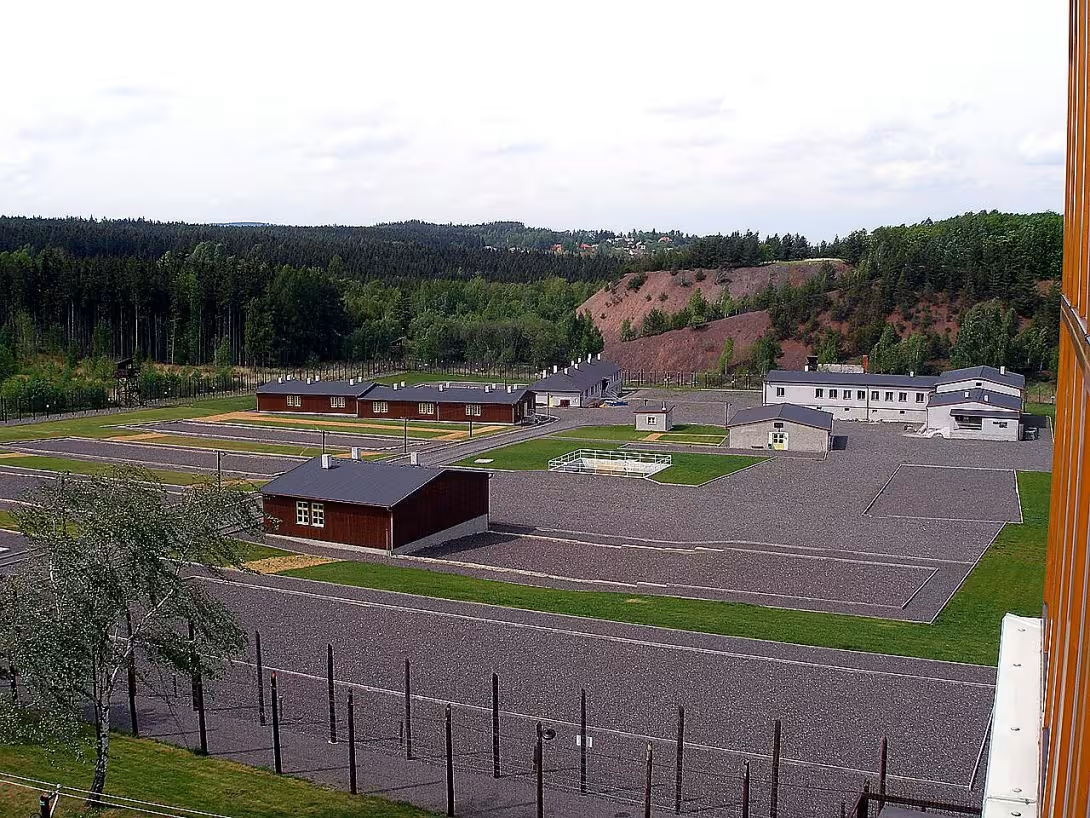
Památník Vojna u Příbrami is a museum exhibition dedicated to the victims of communism, located in the former forced labor camp known as Vojna. Situated approximately 5 km southeast of Příbram, this site holds historical significance due to its use during the communist regime from 1949 to 1961 for political prisoners. Initially constructed by German war prisoners between 1947 and 1949, it later served in uranium mining operations before being declared a cultural monument in January 2001. Opened to the public as a branch of the Hornické muzeum Příbram in 2005, the site offers visitors insights into this dark chapter of history.
The origin of Památník Vojna u Příbrami dates back to its construction by German war prisoners between 1947 and 1949. The camp was named after a nearby hill called Vojna, reflecting the landscape's influence on its identity. Following World War II, Europe was in a phase of recovery, with many nations addressing war reparations and rebuilding efforts. In this context, the site transitioned to serve as a forced labor camp under the communist regime from 1949 to 1961. This period marked the rise of communism in Eastern Europe, where political dissenters were often imprisoned.
Architecturally, Památník Vojna u Příbrami was initially built by German war prisoners and later modified for its use as a labor camp. The site underwent expansions to accommodate uranium mining operations during its time under the communist regime. After being declared a cultural monument in 2001, efforts were made to preserve and adapt the area into a museum with reconstructed period structures, allowing visitors to experience the historical environment.
Ownership of the site transitioned from German war prisoners (1947-1949) to political prisoners under the communist regime (1949-1961). Following an amnesty in 1961, it was used by the army until 2000. Since then, it has been operated as a museum, providing educational insights into its historical significance.
Key events at Památník Vojna u Příbrami include its initial construction and subsequent use for political prisoners from 1949 to 1961. The site was declared a cultural monument in January 2001 and opened to the public as part of the Hornické muzeum Příbram in 2005. Additionally, it has served as a filming location for several films, such as 'Bumerang' (1996), 'Nahý mezi vlky' (2014), and '8 hlav šílenství' (2017).
Today, Památník Vojna u Příbrami is accessible to the public and offers several prohlídkové trasy. Visitors can explore Trasa A, which features reconstructed period structures of the camp; Trasa B, a permanent exhibition on uranium in Czech history; and Trasa C, the Orbis Pictus gallery showcasing modern European visual arts. The site's historical significance and educational value make it a compelling destination for those interested in understanding the impact of communism in Czechoslovakia.
Památník Vojna u Příbrami stands as a poignant reminder of the past, offering visitors an opportunity to reflect on history while exploring its preserved structures. Its transformation from a site of oppression to one of education and remembrance underscores its importance. Visitors are encouraged to explore this museum to gain deeper insights into the historical events that shaped modern Czech society.
Then and now
Drag the slider to compare how the landmark may have looked when it was built with the view today.
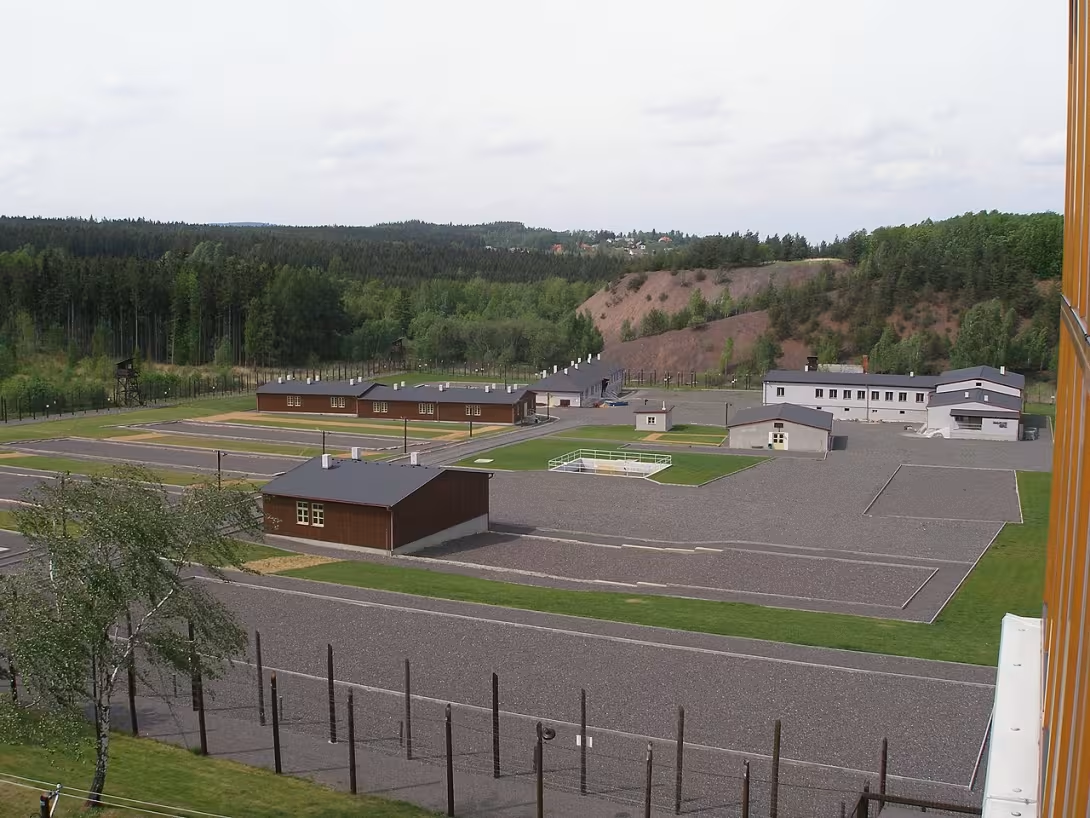

The historical appearance on the left is an AI-generated visualisation and serves as inspiration only.
Historical milestones
- 1950
- The site was repurposed as a forced labor camp under the communist regime.
- 1961
- Closure of the camp following an amnesty.
- 2001
- Declared a cultural monument.
- 2005
- Opened to the public as part of the Hornické muzeum Příbram.
Architectural development
The site was originally built by German war prisoners between 1947 and 1949. It underwent modifications during its use for political prisoners from 1949 to 1961, including expansions for uranium mining operations. After being declared a cultural monument in 2001, the area has been preserved and adapted into a museum with reconstructed period structures.
Historical events
Construction of the camp by German war prisoners from 1947 to 1949.
Use for political prisoners under the communist regime from 1949 to 1961.
Declared a cultural monument in January 2001.
Opened to the public as a museum branch in 2005.
Owners
Initially managed by German war prisoners (1947-1949), followed by use for political prisoners under the communist regime (1949-1961). After an amnesty in 1961, it was used by the army until 2000. Since then, it has been operated as a museum.
Points of interest
- The name "Památník Vojna u Příbrami" is derived from the nearby hill called Vojna, highlighting how local geography influenced its identity even before it became a site of historical significance.
- Initially constructed by German war prisoners between 1947 and 1949, the site's original purpose was for reparations after World War II, showcasing Europe’s complex post-war recovery efforts involving forced labor.
- The transition from being used by German war prisoners to serving as a forced labor camp under the communist regime illustrates the shifting political landscapes in Europe during the mid-20th century and reflects broader geopolitical changes.
- After its declaration as a cultural monument in 2001, the site was transformed into a museum with reconstructed period structures. This adaptation allows visitors not only to learn about history but also to experience the environment of that era firsthand.
- Památník Vojna u Příbrami has served as a filming location for several films, including 'Bumerang' (1996), 'Nahý mezi vlky' (2014), and '8 hlav šílenství' (2017), indicating its cultural resonance beyond historical education.
Guide
This guide is narrated by a synthetic voice generated by artificial intelligence.
Show guide text
This text was created by artificial intelligence and has not been editorially reviewed. It may contain inaccuracies.
Welcome to the Památník Vojna u Příbrami, a poignant site that stands as a testament to the resilience of those who suffered under the communist regime. As you stand here, surrounded by the quiet landscape approximately five kilometers southeast of Příbram, take a moment to absorb the somber atmosphere. This place, once bustling with life, now serves as a powerful reminder and educational space dedicated to understanding a dark chapter in history.
The journey of this site began between 1947 and 1949 when it was constructed by German war prisoners. Initially intended for other purposes, its role dramatically shifted in 1950 when it became a forced labor camp under the communist regime. This transformation marked the beginning of a decade-long period during which many political prisoners were held here until its closure in 1961 following an amnesty.
As you walk around, notice how the architecture speaks volumes without words. The remnants and structures that remain are stark reminders of their original purpose as places of confinement and labor. While specific architectural details may not be immediately visible, the overall layout and preserved elements convey a sense of history and endurance.
The stories associated with this place are both heart-wrenching and inspiring. Although many individual names have faded into obscurity over time, the collective memory of those who suffered here is palpable. Their experiences form an integral part of the narrative that this museum seeks to preserve and share.
One fascinating aspect of this site is its name, derived from the nearby hill called Vojna. This connection between local geography and historical identity adds a layer of depth to your visit, reminding us how places can hold meaning long before they become sites of significance.
Declared a cultural monument in 2001, Památník Vojna u Příbrami opened its doors to the public as part of the Hornické muzeum Příbram in 2005. This transition from a place of suffering to one of remembrance and education is a powerful testament to the human spirit's capacity for transformation.
As you continue your exploration, I invite you to reflect on the stories and sacrifices that have shaped this site. Each step through its grounds offers an opportunity to connect with history in a deeply personal way. Thank you for visiting Památník Vojna u Příbrami. May your journey here inspire continued reflection and understanding of our shared past.
We hope you'll take the time to explore further, perhaps delve into the museum's exhibits or engage with the narratives that bring this place to life. As we conclude this audio guide, I wish you a thought-provoking visit and extend my warmest thanks for your interest in preserving history. Safe travels as you continue your journey through Příbram and beyond.
Tips for visitors
The best time to visit Památník Vojna u Příbrami is during the late spring or early autumn months, when the weather is mild and pleasant for exploring outdoor sites like this one. The surrounding forests are particularly beautiful during these seasons, offering a serene backdrop for reflection on the historical significance of the museum exhibition dedicated to the victims of communism.
For those using public transport, there are routes that connect Příbram with this location; however, specific details should be verified through a transportation search tool for the most accurate and up-to-date information.
When planning your visit, it is recommended to bring comfortable walking shoes as you will likely spend time exploring both the museum and its natural surroundings. Additionally, consider bringing water, sunscreen, and perhaps a hat or sunglasses if visiting during brighter months. A camera can also be useful for capturing the picturesque landscapes around the site.
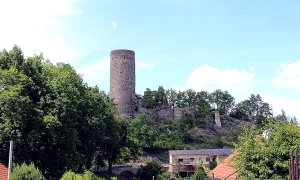
For photography enthusiasts, some of the best spots include areas with views over the surrounding forests and towards the lookout tower named Vojna. The lighting is typically most favorable in the early morning or late afternoon when the sun casts a softer light, enhancing the natural beauty of the landscape. Capturing images during these times can provide stunning photographs that complement the historical narrative presented by the museum.
Nearby attractions within a 30-minute drive include the lookout tower Vojna itself and the highest peak in Příbramské pahorkatiny, offering panoramic views of the region. These spots are ideal for those interested in further exploring the natural beauty surrounding Památník Vojna u Příbrami.
For families with children, the site offers a unique educational opportunity to learn about an important part of history in an engaging way. The museum exhibition is designed to be informative yet accessible, making it suitable for visitors of all ages. Exploring the nearby forests and lookout tower can also provide a fun outdoor activity for kids, allowing them to enjoy nature while learning about the site's historical context.
Frequently asked questions
Can the monument be visited?
Some buildings of this kind are open for guided tours, others serve another purpose or are privately owned. We have not verified whether and when this monument is open – please ask the operator.
What are the opening hours and admission?
We have not verified the opening hours or admission. Current information is published by the operator.
Where is the monument?
Location: Středočeský kraj. The map on this page shows the exact spot.
Why is the monument protected?
It is listed in the Central List of Cultural Monuments of the Czech Republic as a cultural monument (register no. 1000164313).
Businesses nearby
Do you run a restaurant, accommodation, shop, museum, rental, wellness or other visitor service near this monument? Show yourself directly to the people heading to it — this is how they will see you in the app and on the web:
Events nearby
Zdroj akcí: otevřená data měst a obcí ČR (Národní katalog otevřených dat) a kalendář akcí Národního památkového ústavu.
Nearby
Located at the tripoint of Lešetice and Lazsko with a part of Zavržice belonging to Příbram, the site is surrounded by forests. Nearby features include a lookout tower named Vojna and the highest peak in Příbramské pahorkatiny.
Accommodation nearby
Themed route
Thematic Walking Tour: The Battle of Vysočany Memorial and Surroundings
1. Památník Vojna u Příbrami (Memorial Site) - Type: Historical Monument - Why Visit: This memorial commemorates the significant battle that took place during World War II, offering a poignant reminder of history's impact on the region. The site provides educational insights into the events and sacrifices made in this area.
2. Vojna Lookout Tower - Type: Observation Point - Why Visit: Located near the memorial, the Vojna lookout tower offers panoramic views of the surrounding Příbramské pahorkatiny hills. It's an ideal spot to appreciate the natural beauty and reflect on the historical significance of the area.
3. Tripoint of Lešetice and Lazsko with Zavržice - Type: Natural Boundary - Why Visit: This unique geographical feature marks where three municipalities meet, surrounded by lush forests. It's a fascinating place to explore the natural landscape and understand how geography has shaped local history.
4. Highest Peak in Příbramské pahorkatiny - Type: Natural Landmark - Why Visit: As the highest peak in the region, it offers breathtaking views and serves as a symbol of the area's natural grandeur. Hiking to this peak provides an invigorating experience and a deeper connection with the local environment.
This tour combines historical reflection with natural exploration, offering visitors a comprehensive understanding of both the cultural and environmental significance of the Vysočany Memorial site and its surroundings.
Seasonal recommendations
Spring: Visiting the Vojna u Příbrami Memorial during spring offers a unique experience as nature begins to awaken around this historic site. The landscape transforms with blooming wildflowers and budding trees, creating a picturesque backdrop that enhances the atmosphere of reflection and history. This season often sees milder temperatures, making it comfortable for outdoor exploration without needing heavy clothing. However, visitors should be aware of occasional rain showers typical in spring, so carrying an umbrella or waterproof jacket is advisable.
Summer: Summer at the Vojna u Příbrami Memorial is characterized by vibrant greenery and warm weather, making it ideal for outdoor activities surrounding the site. The lush landscape provides a serene setting that complements the historical significance of the memorial. This season often attracts more visitors due to school holidays and favorable weather conditions, so arriving early in the day can help avoid larger crowds. Light clothing is recommended to stay comfortable during your visit, along with sun protection such as hats and sunscreen. The museum may have extended hours during peak summer months, offering ample time for exploration.
Autumn: Autumn brings a stunning transformation to the Vojna u Příbrami Memorial, with vibrant foliage creating a breathtaking tapestry of reds, oranges, and yellows. This seasonal change not only enhances the natural beauty surrounding the site but also provides a tranquil atmosphere that is perfect for contemplation. Cooler temperatures make it an ideal time for visitors to enjoy long walks through the area without the discomfort of summer heat. Layered clothing is advisable to adapt to fluctuating weather conditions, and carrying a light jacket can ensure comfort during cooler evenings. The museum's hours may adjust slightly as daylight shortens, so checking in advance is recommended.
Winter: Winter at the Vojna u Příbrami Memorial offers a serene and contemplative experience, with snow often blanketing the landscape and creating a quiet, peaceful atmosphere. This season provides a stark contrast to the vibrant colors of other times of year, highlighting the memorial's historical significance against a backdrop of white. Visitors should dress warmly in layers, as temperatures can be quite cold, and ensure they have appropriate footwear for potentially icy conditions. The museum may operate on reduced hours due to shorter daylight periods, so it is advisable to check opening times before planning your visit. Despite the chill, winter provides a unique opportunity to appreciate the site's beauty in a different light.
Visualizations and artistic views


The visualisations are generated by artificial intelligence and serve as inspiration.
Photos from the area
Real photos taken near the monument


Zdroj a licence jsou uvedeny u každého snímku.
Tips from visitors
No tips yet. Be the first!
Log in and add your tip.
Sources and literature
Photos: Jiří Paclík. The original uploader was Bjirka at Czech Wikipedia. / Public domain — Wikimedia Commons. The author and licence also appear when you hover over the image.
Faktickým podkladem tohoto textu byl článek na Wikipedii, jehož autory jsou přispěvatelé Wikipedie. Článek je dostupný pod licencí CC BY-SA 4.0.
Location on the map
More monuments – Středočeský kraj
Show all in the region
Příběhy a pověsti
Legendy, pověsti a příběhy spjaté s touto památkou

Fotografie návštěvníků
Zatím žádné fotografie. Buďte první, kdo přidá fotografii z návštěvy!
Log in a přidejte svou fotografii nebo hodnoťte.
Za ověřenou návštěvu v aplikaci získáte víc bodů — poznáme podle GPS, že jste na místě.
Reviews and comments