






Plačkov Settlement
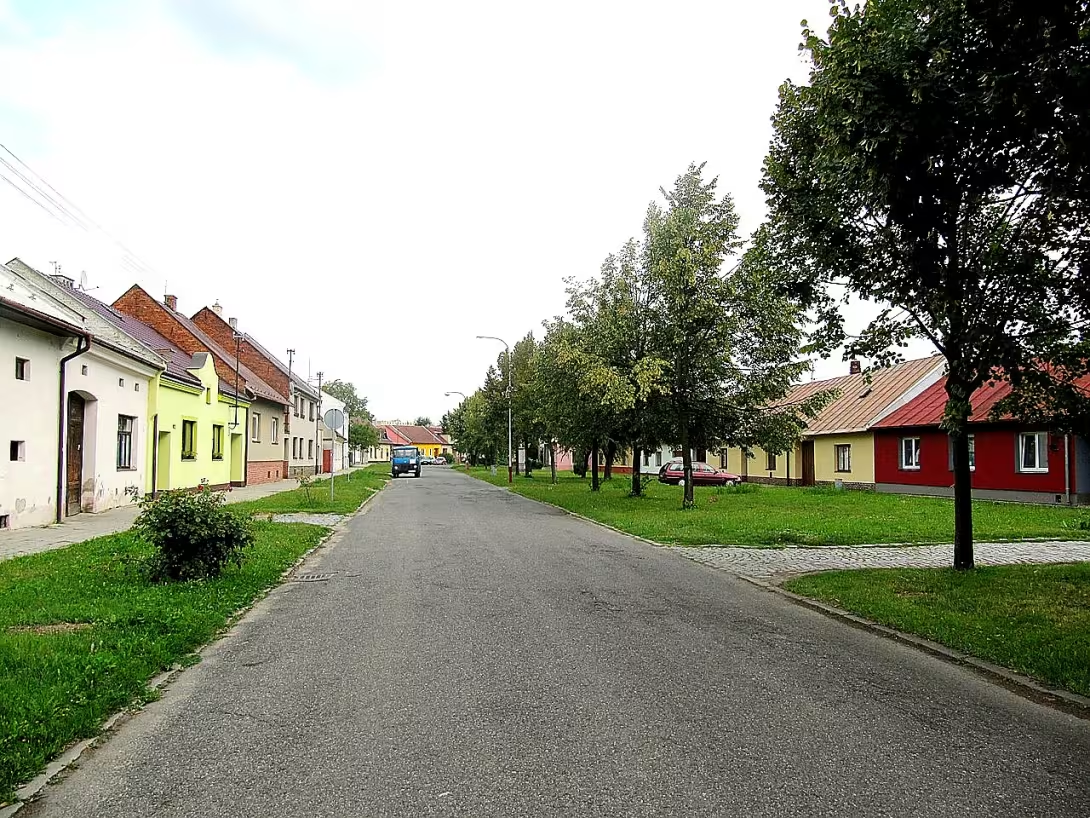
Plačkov is a historically significant residential area located in the town of Holešov within the Kroměříž District, Zlínský kraj. Originally established as a suburb in the late Middle Ages, it became an integral part of Holešov by 1938. Known for its cultural contributions and distinctive urban layout, Plačkov offers insights into the historical evolution of residential areas in this region.
The origins of Plačkov trace back to the late medieval period when it was founded south of Holešov. Its development followed a unique pattern with a broad, gently curved street that still bears its name today. Over time, Plačkov became notable for hosting cultural events and performances, reflecting its role as a center of community life in the 19th century.
Architecturally, Plačkov evolved from simple residential structures to more complex urban forms by the late 19th and early 20th centuries. The construction of a railway line through the area in 1882 facilitated industrial growth, leading to the development of factory areas along the tracks. This period also saw the expansion of residential zones with row houses and villa districts, indicative of broader urbanization trends.
Throughout its history, Plačkov experienced several key events that shaped its identity. In October 1621, during a rebellion by the Valaši against local nobility, Hungarian allies ransacked and burned houses and barns in the area. Later, in the mid-19th century, it was administratively separated as part of Franckovice but eventually reintegrated into Holešov.
Today, Plačkov is an integral part of Holešov, offering a glimpse into its rich historical tapestry. Visitors can explore notable landmarks such as the socha Panny Marie Immaculaty and the panský pivovar on Masarykova ulice. The area's cultural heritage is further highlighted by sites like the Sokol hall, inaugurated in 1906, which played a significant role in local community life.
Plačkov stands as a testament to the historical and cultural evolution of Holešov, making it a worthwhile destination for those interested in exploring the region's past. Its blend of architectural development and cultural significance invites visitors to delve into its storied history.
Historical milestones
- end of the Middle Ages
- The founding of Plačkov as a suburb of Holešov.
- 1882
- The construction of the railway line, which supported industrial growth.
- 1906
- The opening of the Sokol Hall on Masaryk Street.
- 1938
- Plačkov became an integrated part of Holešov.
- 1621
- Eviction and burning of houses in Plačkov during the Valachian uprising.
Architectural development
Plačkov evolved from a medieval suburb with simple residential structures to a more developed area by the late 19th and early 20th centuries. The construction of a railway line in 1882 facilitated industrial growth, leading to the development of factory areas along the tracks. Residential zones expanded with row houses and villa districts, reflecting broader urbanization trends.
Historical events
In October 1621, during a rebellion by the Valaši against the local nobility, their Hungarian allies ransacked and burned houses and barns in Plačkov.
In the mid-19th century, Plačkov was administratively separated as part of Franckovice but later integrated back into Holešov.
Points of interest
- In October 1621, during a rebellion by the Valaši against local nobility, Plačkov was ransacked and burned by Hungarian allies, marking it as a site of historical conflict. - The railway line constructed through Plačkov in 1882 not only facilitated industrial growth but also transformed its urban landscape with the development of factory areas along the tracks. - Originally established as a suburb south of Holešov in the late Middle Ages, Plačkov's broad, gently curved street still bears its historical name today, reflecting its unique urban layout. - In the mid-19th century, Plačkov was administratively separated as part of Franckovice before being reintegrated into Holešov, highlighting a period of administrative flux in its history. - The Sokol hall, inaugurated in 1906, played a significant role in community life and cultural activities, underscoring Plačkov's contribution to local social dynamics during the early 20th century.
Guide
This guide is narrated by a synthetic voice generated by artificial intelligence.
Show guide text
This text was created by artificial intelligence and has not been editorially reviewed. It may contain inaccuracies.
Welcome to the historical site of Plačkov, a unique suburb that has become an integral part of Holešov in the Zlínský kraj region. As you stand here, imagine the gentle curve of the broad street before you, a remnant of its medieval origins and still bearing its historic name today.
Plačkov's story begins in the late Middle Ages when it was established as a suburb of Holešov. This area developed into a residential community with a distinctive layout that has endured through time. The street you see now is a testament to this history, inviting you to explore further and imagine life here centuries ago.
As we delve deeper into its past, note the pivotal moments that shaped Plačkov's journey. In 1882, the construction of a railway line through the area brought about significant industrial growth, transforming not only the economy but also the urban landscape. This development marked an era of progress and connectivity for the community.
Moving forward to 1906, the opening of Sokolovna on Masarykova ulice added cultural vibrancy to Plačkov, offering a space for theatrical and musical performances that enriched local life. These events contributed to Plačkov's reputation as a hub of culture and activity within Holešov.
However, history also tells us of darker times. In 1621, during the Valaši rebellion against local nobility, Plačkov faced devastation when Hungarian allies ransacked and burned many homes. This event marked it as a site of historical conflict, reminding us of the turbulent past that shaped this community.
One cannot discuss Plačkov without mentioning Josef Drásal, known as 'Hanácký obr.' His legacy is intertwined with the area's history, representing resilience and cultural identity.
As you explore further, take a moment to appreciate the architectural remnants around you. While specific architects remain unknown, the layout and structures speak volumes about the era in which they were built. Notice how the street curves gently, guiding your path through this historic landscape.
There is an intriguing mystery surrounding Plačkov's past conflicts and its role during significant historical events. The scars of 1621 still echo here, inviting you to ponder the stories untold and the lives affected by these tumultuous times.
As we conclude our journey today, I invite you to continue exploring Plačkov at your own pace. There is much more to discover in this historic suburb, each corner offering a glimpse into its rich past. Thank you for joining me on this walk through history. Safe travels as you uncover the many layers of Holešov's heritage.
Tips for visitors
The best time to visit Plačkov is during the late spring or early autumn months, when the weather is mild and pleasant for outdoor exploration. During these times, you can enjoy the lush greenery of the surrounding landscapes without the summer crowds or winter chill. The Smetanovy sady (Smetana Gardens) are particularly beautiful in this period, offering a serene environment to appreciate both nature and history.
Parking is available nearby, but it's advisable to check for any restrictions or availability before your visit. Public transport can also be used to reach Plačkov, with options accessible from the town of Holešov. For the most current transportation links, use a travel planner or search online to find routes that suit your schedule.
When visiting Plačkov, it's recommended to bring comfortable walking shoes as there are several historical sites and natural areas to explore on foot. A hat, sunscreen, and water are also advisable due to the outdoor nature of the visit. If you're interested in photography or history, consider bringing a camera with a good zoom lens to capture details from a distance.
For photography enthusiasts, the Smetanovy sady offer some of the best spots for capturing the essence of Plačkov's historical and natural beauty. The early morning light provides soft shadows that enhance the textures of the baroque city cemetery, while late afternoon light can cast dramatic hues over the landscape. Always be mindful of any restrictions on photography in certain areas.
Nearby attractions within a 30-minute drive include Martinice and Zahnašovice, which offer additional historical insights and natural beauty to complement your visit to Plačkov. These villages provide an opportunity to explore more about the region's history and enjoy its scenic landscapes.
Businesses nearby
Do you run a restaurant, accommodation, shop, museum, rental, wellness or other visitor service near this monument? Show yourself directly to the people heading to it — this is how they will see you in the app and on the web:
Nearby
Plačkov is surrounded by other parts of Holešov and nearby villages such as Martinice and Zahnašovice. The area features natural landscapes and historical sites, including the Smetanovy sady (Smetana Gardens) with its baroque city cemetery.
Accommodation nearby
Trips and activities nearby
Guided tours, tickets and activities nearby from GetYourGuide
Affiliate link: if you buy from the partner, we may receive a commission. The price for you does not change.
Search tours and activities →Themed route
Thematic Walking Tour: Plačkov and Surroundings
1. Plačkov (Sídelní Útvar) Type: Historical Site Why Visit: Begin your journey at the heart of this tour, the Plačkov sídelní útvar, a remarkable example of rural architecture in Holešov. This site offers insight into traditional Czech village life and architectural styles that have stood the test of time.
2. Smetanovy sady (Smetana Gardens) Type: Historical Site Why Visit: Just a short walk from Plačkov, explore the serene beauty of Smetanovy sady. This area is not only known for its lush greenery but also houses a baroque city cemetery that adds historical depth to your visit.
3. Martinice Type: Village Why Visit: Head towards Martinice, a nearby village offering a glimpse into the rural lifestyle and community spirit of the region. The journey provides an opportunity to appreciate the natural landscapes that characterize this part of Zlínský kraj.
4. Zahnašovice Type: Village Why Visit: Conclude your tour in Zahnašovice, another charming village close to Plačkov. Here, you can enjoy a peaceful atmosphere and explore local traditions that have been preserved over generations.
This thematic walking tour offers a blend of history, culture, and natural beauty, all within the vicinity of Holešov's captivating landscapes.
Seasonal recommendations
Spring: Visiting Plačkov during the spring offers a unique experience as nature begins to awaken from its winter slumber. The blooming flowers and fresh greenery create a picturesque backdrop for exploring this historical site, enhancing the serene atmosphere. As daylight hours lengthen, the natural light beautifully illuminates the architecture of the settlement complex. Visitors should consider wearing comfortable layers that can be adjusted with the changing temperatures typical of spring weather. Although crowds may start to increase as more people venture outdoors, arriving early in the morning can provide a quieter experience before larger groups arrive.
Summer: The summer season at Plačkov is characterized by vibrant green landscapes and warm sunshine, making it an ideal time for outdoor exploration. The long daylight hours allow ample time to fully appreciate the historical site's details. However, this period also sees higher visitor numbers due to its popularity during the main tourist season. To avoid the midday heat and larger crowds, it is advisable to visit in the early morning or late afternoon. Comfortable walking shoes and light clothing are recommended to stay cool under the summer sun.
Autumn: Autumn at Plačkov presents a stunning display of fall foliage, with vibrant colors enhancing the historic charm of the site. The cooler temperatures make for pleasant exploration conditions, and the softer autumn light adds an enchanting quality to photographs of the architecture. As the days begin to shorten, it's best to plan your visit earlier in the day to make the most of natural lighting. Layered clothing is recommended as temperatures can vary significantly throughout the day.
Winter: Winter transforms Plačkov into a serene and magical destination, with snow often blanketing the landscape, adding a fairy-tale quality to the historic site. The shorter days mean that visits should be timed to take advantage of daylight hours, which may also coincide with reduced opening times. Wearing warm clothing is essential to comfortably enjoy the winter atmosphere, and visitors might find fewer crowds during this season, allowing for a more intimate experience. The unique lighting conditions in winter can create dramatic shadows and contrasts, offering a different perspective on the site's architecture.
Visualizations and artistic views


The visualisations are generated by artificial intelligence and serve as inspiration.
Photos from the area
Real photos taken near the monument


Zdroj a licence jsou uvedeny u každého snímku.
Tips from visitors
No tips yet. Be the first!
Log in and add your tip.
Sources and literature
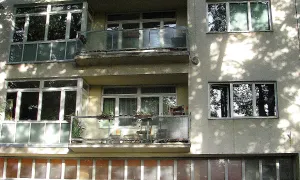
Fotografie: Palickap / CC BY-SA 4.0 — Wikimedia Commons. The author and licence also appear when you hover over the image.
Faktickým podkladem tohoto textu byl článek na Wikipedii, jehož autory jsou přispěvatelé Wikipedie. Článek je dostupný pod licencí CC BY-SA 4.0.
Location on the map


Příběhy a pověsti
Legendy, pověsti a příběhy spjaté s touto památkou
Fotografie návštěvníků
Zatím žádné fotografie. Buďte první, kdo přidá fotografii z návštěvy!
Přihlaste se a přidejte svou fotografii nebo hodnoťte.
Za ověřenou návštěvu v aplikaci získáte víc bodů — poznáme podle GPS, že jste na místě.
Reviews and comments