






Podkostelní mlýn Mill
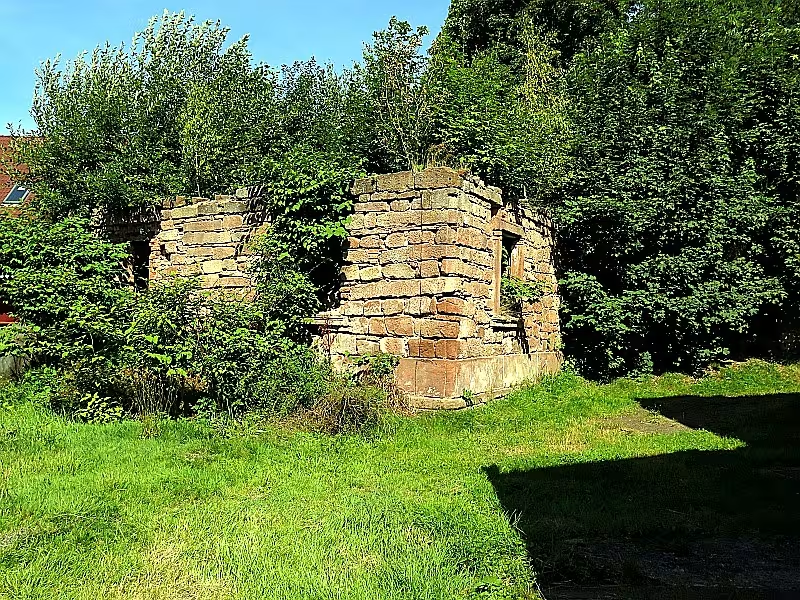
Podkostelní mlýn in Nová Ves nad Popelkou is a historical water mill whose ruins stand by the Popelka stream. First documented in 1590, it has been notable for its tax exemption since 1607 and reflects significant changes in ownership and technology over centuries. The site was recognized as a cultural monument from 1958 to 2021.
The origins of Podkostelní mlýn trace back to the late 16th century when mlynář Havel first documented its sale in 1590. Its significance grew with a tax exemption confirmed by Eliška Žerotínská z Valdštejna in 1624, which relieved it from all dues and obligations. This privilege was initially granted in 1607, highlighting the mill's importance during that period. Over time, ownership transitioned through various notable figures, reflecting broader historical shifts within Bohemia, then part of the Habsburg Monarchy, experiencing significant political and religious changes.
Architecturally, Podkostelní mlýn evolved from a single wheel setup to two by the late 18th century, indicating technological advancements. By 1930, it featured both a water wheel and Francisovu turbínu, showcasing its adaptation to modern milling techniques of that era. These changes in structure and equipment were influenced by shifts in ownership, which brought different priorities and innovations.
The mill's ownership history is marked by several notable figures. After Havel's initial sale, Kateřina Tuhaňská ze Strašína held it in 1624, followed by Jan Kalenský purchasing it for Emilie Valdštejn in 1644. The Vlčků family owned the mill from 1689 to 1754, and later Rudolf Novotný acquired it in 1924. Each transition brought changes that reflected broader economic and social trends of their times.
Key events at Podkostelní mlýn include its initial documentation in 1590 and subsequent tax exemption confirmation in 1624. These milestones underscore the mill's historical significance within the region. The addition of Francisovu turbínu in the early 20th century marked a technological shift, aligning with broader industrial advancements.
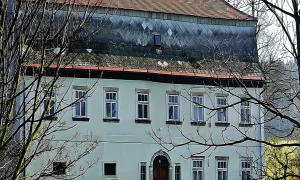
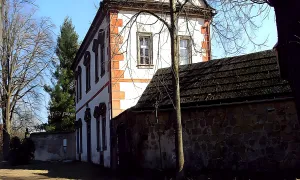
Today, Podkostelní mlýn stands as a testament to its rich history, though it has fallen into disrepair. Only an adjacent residential building remains from what was once a bustling site of industry and innovation. Despite this, the ruins offer a glimpse into the past, making it a worthwhile visit for those interested in historical architecture and local heritage.
Visiting Podkostelní mlýn provides insight into the evolution of milling technology and ownership dynamics over centuries. Its story is interwoven with broader historical narratives, offering a unique perspective on regional history. This site invites exploration by those curious about the past and eager to connect with the cultural legacy of Nová Ves nad Popelkou.
Historical milestones
- 1590
- First documented sale by mlynář Havel.
- 1624
- Tax exemption confirmed by Eliška Žerotínská z Valdštejna.
- 1644
- Purchased by Jan Kalenský for Emilie Valdštejn.
- 1924
- Acquired by Rudolf Novotný.
Architectural development
The mill initially had one wheel setup, which expanded to two by the late 18th century. By 1930, it featured a water wheel and Francisovu turbínu. Over time, ownership changes led to modifications in its structure and equipment.
Historical events
1590: First documented sale by mlynář Havel.
1624: Tax exemption confirmed by Eliška Žerotínská z Valdštejna.
1644: Purchased by Jan Kalenský for Emilie Valdštejn.
1924: Acquired by Rudolf Novotný.
Owners
Havel (1590)
Kateřina Tuhaňská ze Strašína (1624)
Jan Kalenský for Emilie Valdštejn (1644)
rod Vlčků (1689–1754)
Rudolf Novotný (1924)
Points of interest
- Podkostelní mlýn was first documented in 1590 and has been notable for its tax exemption since 1607. - The mill's significance grew with a confirmed tax exemption by Eliška Žerotínská z Valdštejna in 1624, relieving it from all dues and obligations. - Architecturally, the mill evolved to include two wheels by the late 18th century and featured both a water wheel and Francisovu turbínu by 1930. - The ownership of Podkostelní mlýn transitioned through notable figures such as Kateřina Tuhaňská ze Strašína, Jan Kalenský, the Vlčků family, and Rudolf Novotný, reflecting broader historical shifts in Bohemia. - Recognized as a cultural monument from 1958 to 2021, Podkostelní mlýn stands as a testament to its rich history despite falling into disrepair.
Guide
This guide is narrated by a synthetic voice generated by artificial intelligence.
Show guide text
This text was created by artificial intelligence and has not been editorially reviewed. It may contain inaccuracies.
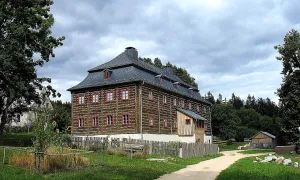
Welcome in front of the Podkostelní Mill in Nová Ves nad Popelkou. You are standing before a historic water mill located by the Popelka stream. The mill is visible from afar, as its ruins stand on a gentle hillside. It's a place that will interest you because it has a rich history.
Let's move through time and find out when the mill was first mentioned. This happened in 1590, when it was purchased by miller Havel. Since then, the mill has changed hands among many owners. Their names and stories are linked to the town and its history.
Now pay attention to the architecture of the mill. The mill has a simple but functional structure. This is evident in its plain façade, showing that it was built with consideration for water flow. Notice that the mill has two floors. In the upper floor, there was living space where millers and their families resided.
Let's now reflect on the history of the mill and its significance. The mill was the first to be freed from all taxes and obligations in 1607. This was confirmed by Eliška Žerotínská z Valdštejna in 1624. At that time, the mill was owned by Jan Kalenský and his wife Emilie Valdštejn.
It's interesting to note that the mill has been modernized over the centuries. In 1924, the mill was purchased by Rudolf Novotný, who equipped it with modern technologies such as a Francis turbine.
Let's return to the present. You are standing in front of a historic monument with a rich history and intriguing stories. It's a place that will interest you and accompany you into future centuries. Allow yourself to explore the mill and its surroundings.
Frequently asked questions
Can the monument be visited?
This is a technical monument. Some are open as exhibitions, others are out of use or on private land. We have not verified whether this one is accessible.
What are the opening hours and admission?
We have not verified the opening hours or admission. Current information is published by the operator.
Where is the monument?
Location: Nová Ves nad Popelkou, Liberecký kraj. The map on this page shows the exact spot.
Why is the monument protected?
It is listed in the Central List of Cultural Monuments of the Czech Republic as a cultural monument (register no. 1000150150).
Businesses nearby
Do you run a restaurant, accommodation, shop, museum, rental, wellness or other visitor service near this monument? Show yourself directly to the people heading to it — this is how they will see you in the app and on the web:
Nearby
Located near the Popelka stream, the site is surrounded by typical Czech countryside. Other historical sites or natural features within a 5 km radius are not specified in available sources.
Accommodation nearby
Themed route
Trasa: Nová Ves nad Popelkou
1. Podkostelní mlýn (hlavní cíl) - worth visiting for its unique architecture and well-preserved history, which remains in its original state. The mill is also interesting due to its location near the Popelka stream. 2. Popelka potok - worth visiting for its peaceful and natural environment, ideal for relaxation and unwinding. The stream flows through the town and offers beautiful views of the surrounding landscape. 3. Nová Ves nad Popelkou - worth visiting for its tranquil atmosphere and traditional Czech village architecture. You can stroll along historic streets and explore local landmarks and houses.
Seasonal recommendations
Jaro: In the spring season, Podkostelní mlýn is surrounded by greenery and flowers, creating a pleasant atmosphere. The mill is located in a quiet area, so there's no need to worry about crowds. The best time to visit is in the morning or late afternoon when the weather is most peaceful. Clothing should be comfortable and suitable for nature walks.
Léto: During the summer season, it's better to visit Podkostelní mlýn early in the morning or early in the afternoon to avoid crowds. The mill is surrounded by greenery and flowers, but there's also an opportunity to admire the full splendor of nature. Don't forget to bring an umbrella and comfortable shoes for walking in nature.
Podzim: In the autumn season, Podkostelní mlýn is surrounded by beautiful colorful leaves that create a pleasant atmosphere. The mill is located in a quiet area, so there's no need to worry about crowds. The best time to visit is in the morning or late afternoon when the weather is most peaceful. Clothing should be comfortable and suitable for nature walks.
The mill is surrounded by snow and tranquility, creating a pleasant atmosphere. Don't forget to bring warm clothing and boots with good grip so you can walk comfortably.
Visualizations and artistic views


The visualisations are generated by artificial intelligence and serve as inspiration.
Photos from the area
Real photos taken near the monument


Zdroj a licence jsou uvedeny u každého snímku.
Tips from visitors
No tips yet. Be the first!
Log in and add your tip.
Sources and literature
Photos: Sovicka169 / CC BY-SA 4.0 — Wikimedia Commons. The author and licence also appear when you hover over the image.
Faktickým podkladem tohoto textu byl článek na Wikipedii, jehož autory jsou přispěvatelé Wikipedie. Článek je dostupný pod licencí CC BY-SA 4.0.
Location on the map
More monuments – Nová Ves nad Popelkou
Show all in the municipality
Příběhy a pověsti
Legendy, pověsti a příběhy spjaté s touto památkou
Fotografie návštěvníků
Zatím žádné fotografie. Buďte první, kdo přidá fotografii z návštěvy!
Log in a přidejte svou fotografii nebo hodnoťte.
Za ověřenou návštěvu v aplikaci získáte víc bodů — poznáme podle GPS, že jste na místě.
Reviews and comments