






pomník Jana Husa Statue
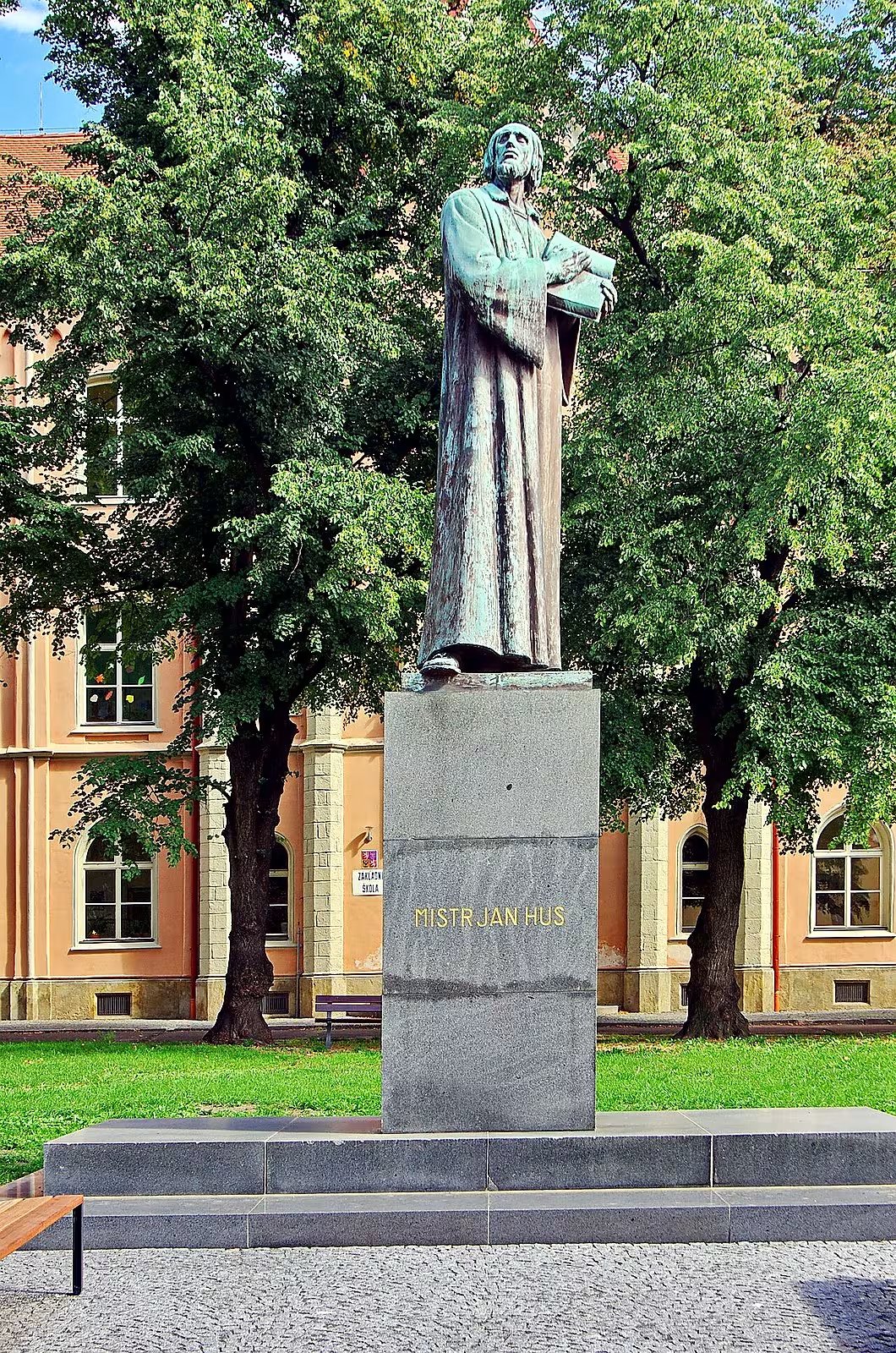
The Bronze Monument of Master Jan Hus in Chrudim is an important sculpture work of academic sculptor Josef Marátek. It was festively revealed on July 6, 1930. The monument is located in the park-modified area of Žižkov Square behind the Church of the Assumption of the Virgin Mary and since 1958 it has been protected as a real cultural monument of the Czech Republic.
The idea of building a monument appeared in Chrudim before World War I. Karel Pippich played an important role in this process. In 1913, the sculptor Ladislav Šaloun introduced a plaster model, but the implementation subsequently made war conflict impossible. The plan was renewed after 1919. In 1925, the Association for the construction of the memorial of M. J. Husi in Chrudim was founded, which provided financing and the construction itself. At the time of the discovery in 1930, Jan Hus was seen as a symbol of national identity and freedom in the context of the first republic.
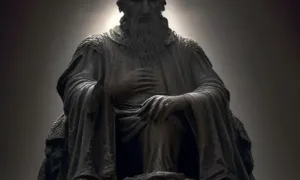
The work consists of a bronze statue of Master Jan Hus in a long coat. The character looks up and holds the book in his hands. The statue is located on a marble pedestal consisting of three polished stone pieces. On the middle piece is carved gilded inscription Master Jan Hus. The entire composition stands on two granite stairs. Part of the architectural solution is stone walls lining the space in front of the statue. The original design of the surroundings was developed by the architect Josef Gočár, but today's appearance differs significantly from its intention.
He took care of the administration and fate of the monument at the time of its creation of the Association for the construction of the monument M. J. Husi in Chrudim. Since 1958, the building has been officially registered as a real-estate cultural monument, which ensures its protection.
Visiting Žižkov Square offers the opportunity to see this Marátka work in an authentic environment. The monument is a testament to the contemporary perception of history and artistic representation of important personalities of Czech history in the interwar period.
Then and now
Drag the slider to compare how the landmark may have looked when it was built with the view today.
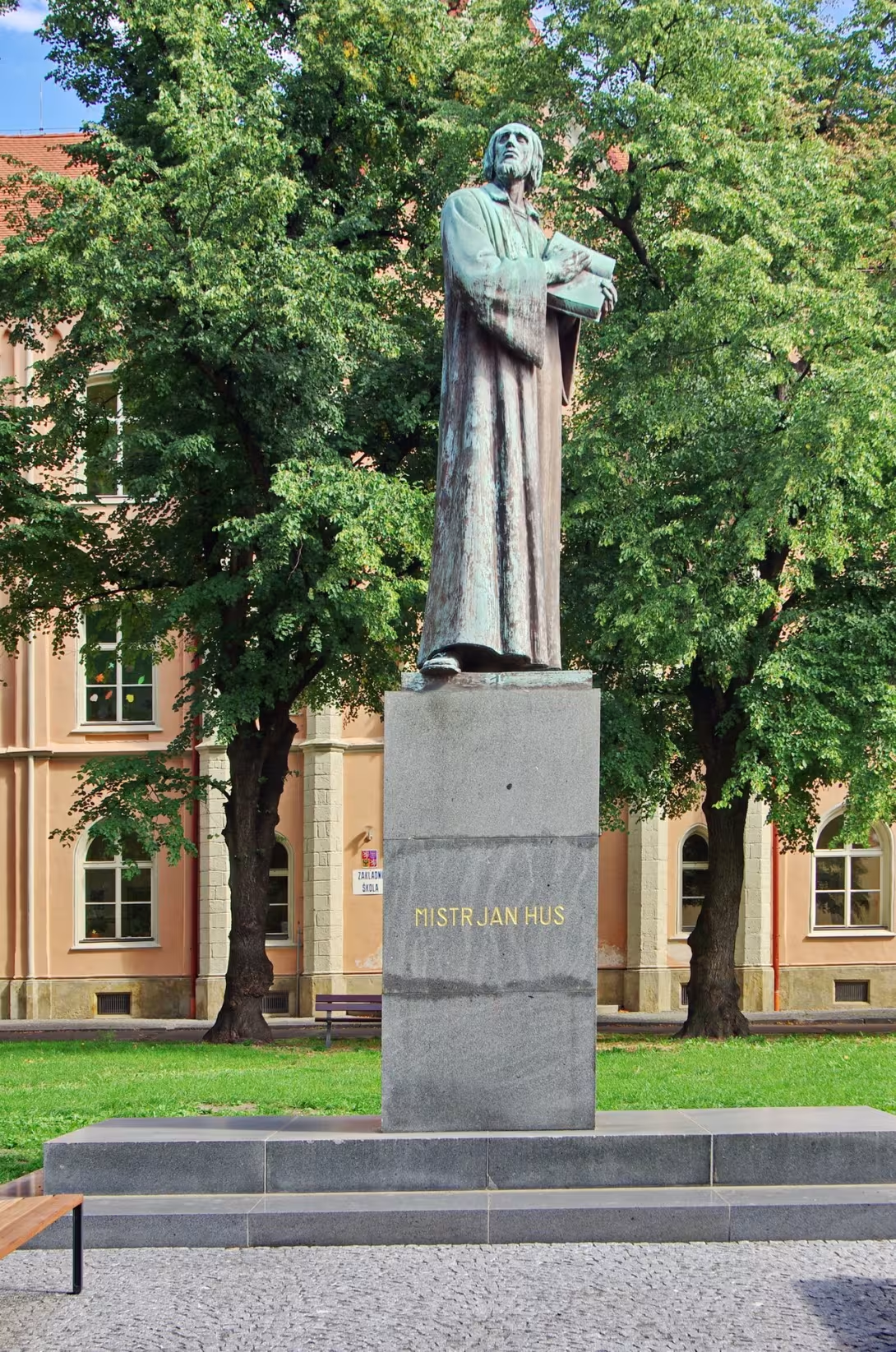
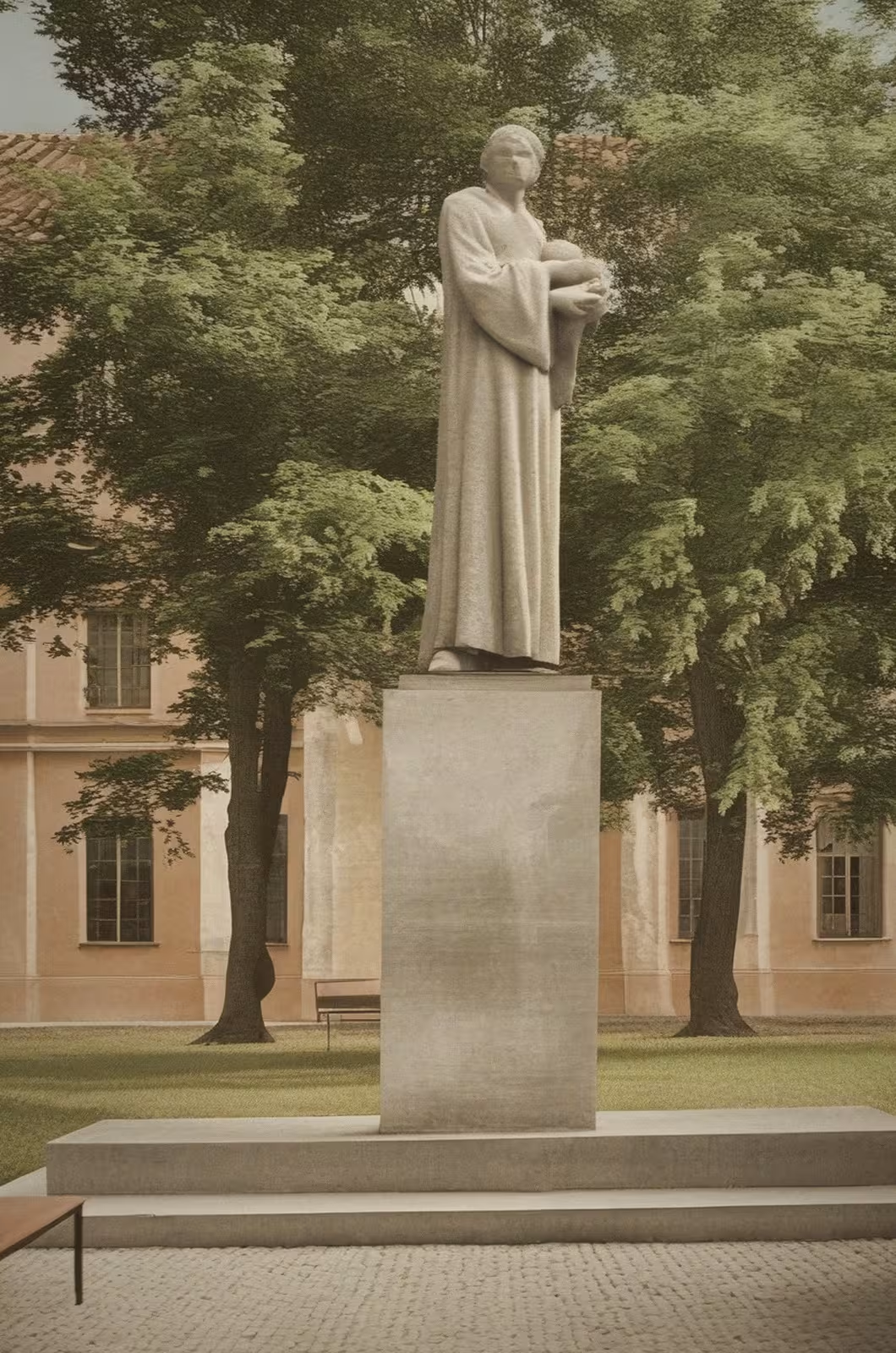
The historical appearance on the left is an AI-generated visualisation and serves as inspiration only.
Historical milestones
- 1913
- The sculptor Ladislav Šaloun introduced the plaster model of the monument.
- 1925
- Established Association for the Construction of the M. J. Husi Memorial in Chrudim.
- 1930
- Formal disclosure of the bronze monument on July 6th.
- 1958
- The memorial was declared a cultural monument.
Architectural development
The original architectural design of the surroundings of the monument was developed by architect Josef Gočár, but today's form of space is different. The monument is made of bronze statue, marble pedestal and granite stairs. Part of the composition is also stone walls lining smaller spaces in front of the statue.
Historical events
1913: Presentation of plaster model Ladislav Šaloun. 1925: Establishing the Association for the construction of the M. J. Husi Memorial in Chrudim. 1930: The festive revelation of the bronze monument. 1958: Declaration for a real estate cultural monument.
Points of interest
- The Bronze Monument of Master Jan Hus is the work of academic sculptor Josef Marátka and was festively revealed on the sixth of July in a thousand and nine hundred thirty. - The idea of the creation of the memorial appeared before the First World War, while Karel Pippich played an important role in the process. - In the year one thousand nine hundred and thirteen the sculptor Ladislav Šaloun introduced a plaster model, but the implementation subsequently prevented war conflict. - The sculpture consists of a bronze statue in a long coat, which looks up and holds a book in his hands, placed on a marble pedestal from three pieces of polished stone. - The original design of the surroundings was developed by the architect Josef Gočár, but today's appearance differs significantly from its intention.
Guide
Show guide text
This text was created by artificial intelligence and has not been editorially reviewed. It may contain inaccuracies.
Welcome to Chrudim. You have just stopped in a pleasant and quiet environment of Žižkov Square, which resembles its greenery and modified form a relaxing park rather than a busy city centre. You're standing right in front of one of the most important symbols of this city. Before your eyes stands the bronze monument of Master Jan Hus. Before we dig deeper into his history and details, stop for a moment and just feel the atmosphere of this place. Feel the calm of the surrounding park and let yourself be drawn into the story which is told here through metal, stone and artistic will.
Now look at the statue itself. Notice how masterfully the character of Master Jan Hus is captured. It is shown here in a long, heavy coat, which gives it enormous dignity and seriousness. This cloak is not only a garment, but a symbol of its position and of the era it represented. In his hands, with some ease, he holds the book. This book is a key element that reminds him of his life's work, his tireless quest for truth and his dedication to word and knowledge. Now, please look up. Look at the face of the master. His head is erect, and his eyes are pointing up, towards the sky. This detail is extremely powerful. It suggests a search for higher ideals, a spiritual rise and unwavering faith in what is right, even if it seems far beyond the horizon.
This whole bronze character is on solid ground. Note the marble pedestal that supports the statue and gives it a noble look. This marble stands on two granite stairs. Feel this contrast of materials - the smooth and noble nature of marble meets the unwavering strength and roughness of granite. These stones together create a sense of stability and duration, which perfectly matches the legacy of Jan Hus's character for all of us.
But now we need to move forward in time and understand how this monument has become part of this square. His journey was neither short nor easy. The idea of its creation began to be born in the hearts of people long before the First World War. It was not an idea that was created overnight, but a result of a long and patient process. A man named Karel Pippich played a major role in this process. It was thanks to his efforts and the establishment of a special association to build this monument in the year one thousand nine hundred twenty-five that this great project could be implemented.
It is interesting that already in the year one thousand nine hundred thirteen introduced another important sculptor, Ladislav Šaloun, the first plaster model of this work. This shows how deep the root of this quest to honor Master Goose's memory is. The completion and festive unveiling of this bronze work took place on a beautiful summer day, the sixth of July in the year a thousand nine hundred thirty. Imagine the joy and pride the city felt when this symbol was finally revealed to all citizens.
This is all the success behind the exceptional cooperation of artists. The main creator of the bronze statue was the academic sculptor Josef Mařatka. His ability to breathe in metal life and emotion is evident in every place in this figure. But other important creators, such as architect Josef Gočár, were also involved in the creation of this place, which helped with the overall perception of this space.
Now, if you look at the monument as a whole, you realize it's not just a work of art, it's a protected treasure. Since the year one thousand nine hundred fifty eight, this building has been declared a cultural monument. This means that its value is so high for all of us that we must ensure that it remains preserved in this form for all future generations that come after us.
Here, in this place, history, art and deep human faith meet. Every detail, from the texture of the bronze coat to the direction of Master Goose's view, tells us the story of the search for truth and the courage to stand by its values. I hope that this short journey has enriched you with time and space, and that this view of Master Jan Hus in Chrudim is remembered.
But I will no longer hold you back. Continue along Žižkov Square, walk through its park paths and discover more beauty and secrets of our city. I wish you a nice walk and many other interesting experiences. Goodbye.
Tips for visitors
The best time to visit is in the morning or during the golden watch before sunset, when soft light beautifully depicts details of bronze sculpture and park modifications of the square.
The location is easily accessible by foot from the city center. If you arrive by car, use the public parking near the historical core and walk to the monument.
For photography I recommend to use a wide angle from the opposite side of the square to excel the statue in the context of the surrounding green. The best light for taking pictures of the details of Master Jan Hus's face is in the morning.
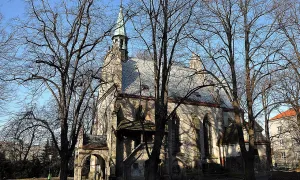
In the immediate surroundings you can visit the nearby Church of the Assumption of the Virgin Mary, which completes the historic atmosphere of Žizkov Square in Chrudim.
The location is ideal for families with children thanks to the adjacent park, where children can relax while you look at the work of sculptor Josef Marátka.
Businesses nearby
Do you run a restaurant, accommodation, shop, museum, rental, wellness or other visitor service near this monument? Show yourself directly to the people heading to it — this is how they will see you in the app and on the web:
Events nearby
Zdroj akcí: otevřená data měst a obcí ČR (Národní katalog otevřených dat) a kalendář akcí Národního památkového ústavu.
Nearby
Kostel Nanebevzetí Panny Marie, Žižkovo náměstí v Chrudimi.
Accommodation nearby
Themed route
1. Žižkov Square in Chrudim Type: city square Why: It's the center of the city and the perfect place to start the journey.
2. Church of the Assumption of the Virgin Mary Type: temple Why: An important architecture that creates a beautiful background walks.
3. John Hus Memorial Type: memorial Why: The main destination of the trip, which resembles the famous Czech reformer.
Seasonal recommendations
Spring brings fresh green colour and flowering trees around the monument, creating a fresh and optimistic atmosphere. The light is soft in this period and very suitable for observing details of the statue. We recommend wearing layered clothes because the weather can quickly change between cold and heat. At this time there are no large crowds near the sights, so you can enjoy quiet contemplation in the morning.
In the summer months the surrounding area is filled with strong sun and daylight lasts very long. The atmosphere is alive, but because of the high temperatures, it may be hot at the memorial. The best thing is to come early in the morning to avoid the greatest heat and the greatest number of people. Don't forget light clothes, headgear and plenty of water to refresh.
Autumn turns the surroundings into a colorful landscape full of golden leaves, which gives the place a melancholy and noble touch. The low sun creates long shadows and beautiful colors on the stone surface. It is advisable to wear a windbreaker or warmer coat, because the air is getting wet and colder. The afternoon hours are ideal for viewing thanks to color lighting.
Zimą is a monument in quiet and calm, often under a layer of snow or in a freezing crust. The day is short and light is weak, which creates a very serious and smooth atmosphere. It is necessary to wear very warm clothes, including gloves and hats to avoid unpleasant cold. The best time to visit is around noon when the lights are the most, and it is good to watch out for slippery surfaces.
Visualizations and artistic views


The visualisations are generated by artificial intelligence and serve as inspiration.
Photos from the area
Real photos taken near the monument


Zdroj a licence jsou uvedeny u každého snímku.
Tips from visitors
No tips yet. Be the first!
Log in and add your tip.
Sources and literature
Photos: Lubor Ferenc / CC BY-SA 4.0 — Wikimedia Commons. The author and licence also appear when you hover over the image.
Faktickým podkladem tohoto textu byl článek na Wikipedii, jehož autory jsou přispěvatelé Wikipedie. Článek je dostupný pod licencí CC BY-SA 4.0.
Location on the map
Příběhy a pověsti
Legendy, pověsti a příběhy spjaté s touto památkou
Fotografie návštěvníků
Zatím žádné fotografie. Buďte první, kdo přidá fotografii z návštěvy!
Log in a přidejte svou fotografii nebo hodnoťte.
Za ověřenou návštěvu v aplikaci získáte víc bodů — poznáme podle GPS, že jste na místě.
Reviews and comments