






kapucínský klášter v Chrudimi Monastery
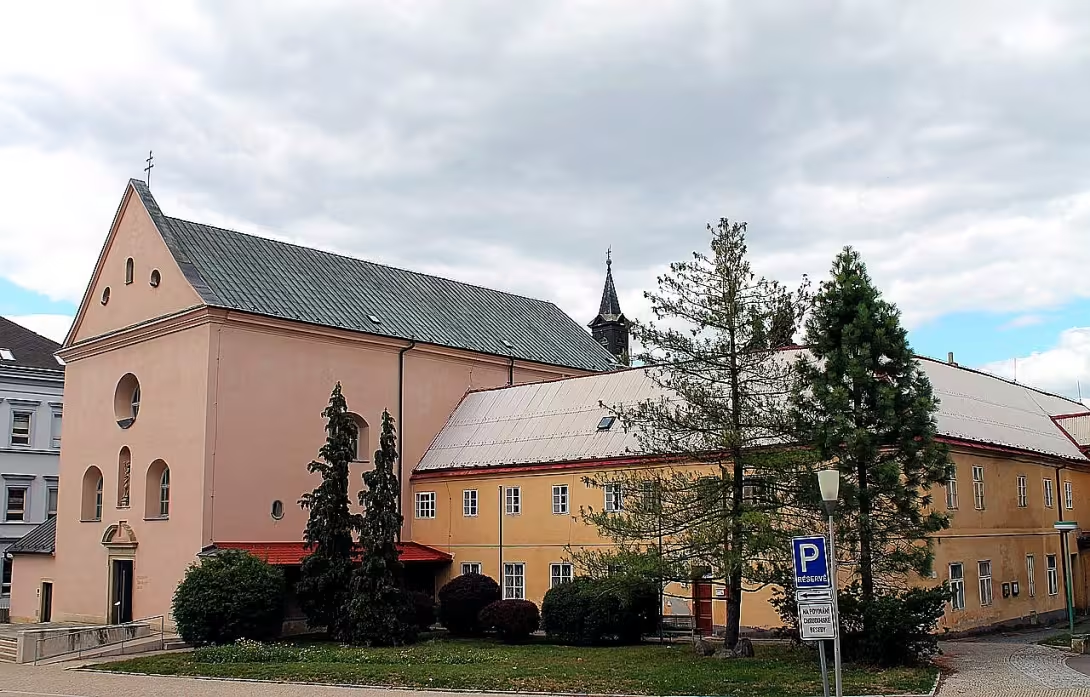
The Kapucínský Klášter in Chrudim is a Baroque monastery featuring the Church of Saint Joseph, located on Školní Square. Founded in the 17th century, it played a significant role during the Counter-Reformation efforts to re-Catholicize Eastern Bohemia. Today, this historical site serves as a museum showcasing Baroque sculptures and is notable for its cultural heritage and architectural significance.
The monastery's origins trace back to the mid-17th century when religious tensions in Bohemia were high following the Thirty Years' War. The Counter-Reformation aimed to reassert Catholic dominance in regions affected by Protestantism, influencing the establishment of institutions like this monastery. In 1641, Pražský arcibiskup Arnošt Vojtěch, hrabě z Harrachu, approved the foundation of a Capuchin church in Chrudim. The construction was supported by local authorities and the newly established bishopric in Hradec Králové, with funding from an endowment by Kutná Hora's mayor Jiří Vykročil z Bílenberku. The cornerstone for the Church of Saint Joseph was laid on August 27, 1662, and its consecration occurred on July 26, 1665, by Bishop Matouš Ferdinand Sobek z Bílenberka.
Architecturally, the monastery is a typical early Baroque structure characterized by its "prostý bezvěžový objem" or simple towerless volume. The complex underwent significant modifications during its history, including the addition of the Loretánská chapel and the Chapel of the Holy Sepulchre in the mid-17th century. Despite periods of neglect and partial destruction during the 20th century, recent restoration efforts have revitalized the site.
Ownership and administration of the monastery changed dramatically over time. Initially under Catholic Church control from its founding in the 1660s, it came under state ownership post-1949 following communist reforms that led to its dissolution on May 10, 1947. In the early 21st century, the city of Chrudim took responsibility for the site, facilitating its transformation into a museum and public park.
Key events in the monastery's history include its foundation and construction beginning in 1641, with significant expansions like the Loretánská chapel and Chapel of the Holy Sepulchre. Despite never being officially dissolved, it fell into disrepair over time. In the late 20th century, plans to demolish certain chapels were executed due to their poor architectural quality.
Today, the Kapucínský Klášter in Chrudim stands as a testament to its rich history and cultural significance. The site has been transformed into a museum showcasing Baroque sculptures and is part of a public park featuring gardens and recreational facilities. It serves not only as a historical monument but also as a vibrant community space, making it worth visiting for both its architectural beauty and its role in the local heritage.
The Kapucínský Klášter in Chrudim offers a unique glimpse into Bohemia's religious and cultural past while providing an engaging experience for visitors today. Its transformation from a historical monastery to a modern museum underscores its enduring value, inviting exploration and appreciation of its storied legacy.
Then and now
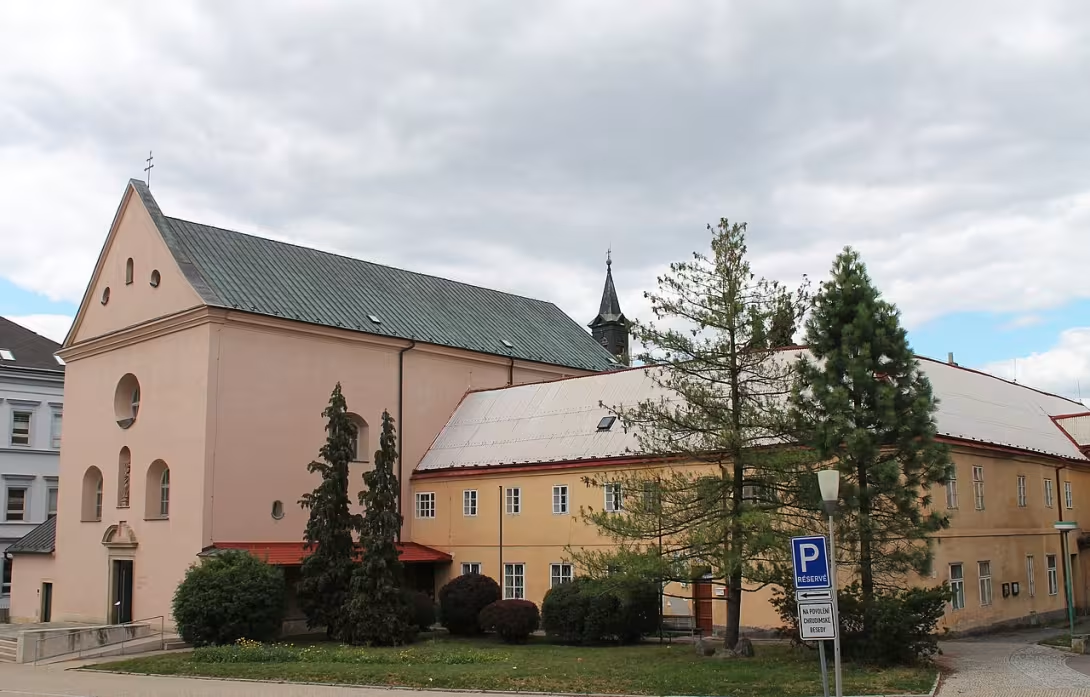
Drag the slider to compare how the landmark may have looked when it was built with the view today.
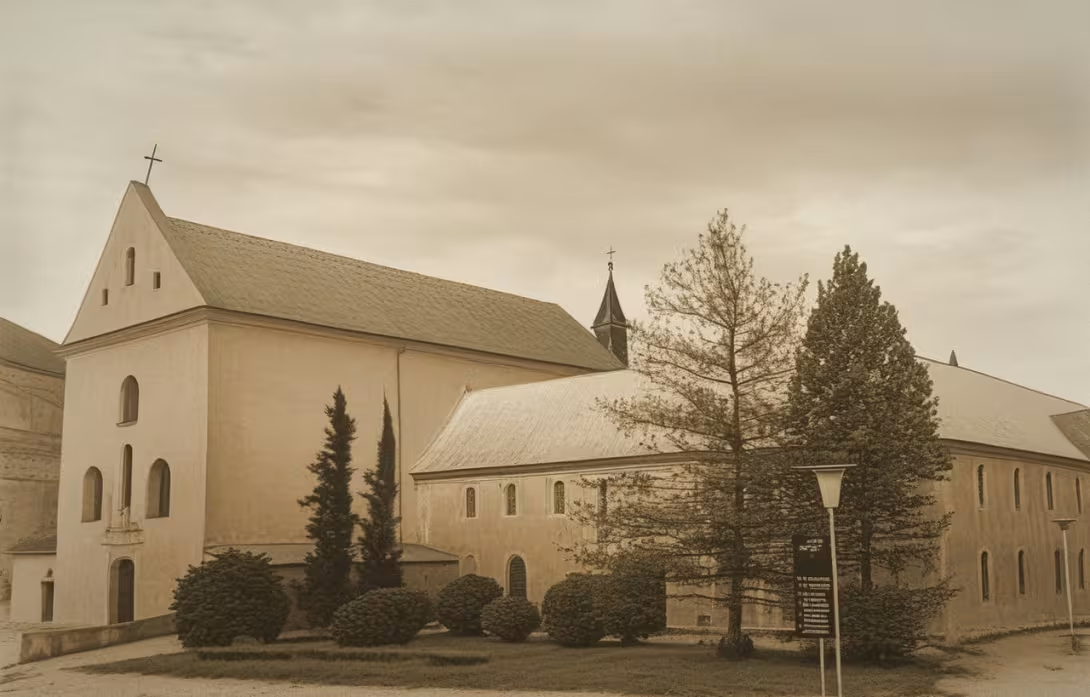
The historical appearance on the left is an AI-generated visualisation and serves as inspiration only.
Historical milestones
- 1641
- The Archbishop of Prague approved the establishment of a Capuchin church in Chrudim.
- 1662
- The cornerstone for St. Joseph's Church was laid.
- 1665
- St. Joseph's Church was consecrated by Bishop Matouš Ferdinand Sobek of Bílenberk.
- 1947
- Dissolution of the monastery on May 10th following communist reforms.
- 20th century
- Restoration and conversion into a museum and public park.
Architectural development
Initially a simple Baroque structure without towers, the monastery underwent several modifications. The addition of the Loretánská chapel and the Chapel of the Holy Sepulchre were significant expansions in the mid-17th century. Despite periods of neglect and partial destruction during the 20th century, recent restoration efforts have revitalized the site.
Historical events
Foundation and construction began in 1641, with the cornerstone laid on August 27, 1662.
Consecration by Bishop Matouš Ferdinand Sobek z Bílenberka on July 26, 1665.
The monastery was dissolved on May 10, 1947, during communist reforms.
Owners
Catholic Church (1660s onwards)
State ownership post-1949
City of Chrudim since early 21st century
Points of interest
- The cornerstone for the Church of Saint Joseph was laid on August 27, 1662, but its consecration didn't occur until July 26, 1665. This gap highlights the meticulous care and effort that went into constructing such an important religious edifice during a time when resources were scarce following the Thirty Years' War.
- Despite being founded in the mid-17th century as part of Counter-Reformation efforts, the Kapucínský Klášter was never officially dissolved. Instead, it fell into disrepair over time, reflecting how historical and political changes can lead to neglect even for significant religious institutions.
- The monastery's architectural style is described as "prostý bezvěžový objem," or a simple towerless volume. This characteristic makes it stand out among Baroque structures, which often feature elaborate towers and spires, illustrating how regional influences shaped its design.
- In the late 20th century, plans were made to demolish certain chapels due to their poor architectural quality. This decision underscores the challenges of preserving historical sites that have undergone various modifications over time, sometimes resulting in parts that are less valued architecturally or historically.
- The monastery was supported by an endowment from Kutná Hora's mayor Jiří Vykročil z Bílenberku, showing how local leaders played crucial roles in the establishment and development of religious institutions during this period. This reflects broader patterns of civic involvement in cultural and religious projects.
Guide
This guide is narrated by a synthetic voice generated by artificial intelligence.
Show guide text
This text was created by artificial intelligence and has not been editorially reviewed. It may contain inaccuracies.
The Capuchin Monastery with the Church of Saint Joseph stands in Chrudim on Školní náměstí. Only part of it has survived, and since 2011 it has housed the Museum of Baroque Sculptures.
The church was approved by Prague Archbishop Ernst Adalbert, Count of Harrach, already in 1641. The Capuchins' intention to build a monastery in Chrudim fitted into the efforts to recatholize eastern Bohemia. It was supported by Chrudim city councillors, the newly established diocese in Hradec Králové, and eventually also Emperor Leopold I. The construction was financed by the bequest of Kutná Hora's mayor Jiří Vykročil of Bílenberg.
The Hradec Králové bishop Matouš Ferdinand Sobek of Bílenberg pushed through the expansion of the church with a side Loreto Chapel. Beneath it was to be the Chapel of the Holy Sepulchre with a depicted Way of the Cross. Permission was granted on May 22, 1662, in Rome by the order's general Antonio of Capri. The cornerstone was laid on August 27, 1662. The church was to be consecrated by the archbishop of Harrach, but due to illness he was replaced by Bishop Sobek. The consecration took place on July 26, 1665. The Church of Saint Joseph is a typical early Baroque building of simple, towering-less volume.
Under Joseph II, many monasteries were dissolved. The Chrudim monastery survived, but gradually fell into disrepair. There was no money for repairs to the Chapel of the Holy Sepulchre, and so in 1888 its entrance was sealed off by an altar of Our Lady of Sorrows.
In the first half of the twentieth century, usually two priest brothers and two lay brothers lived in the monastery. After the Second World War, the Capuchins requested the monastery be dissolved. This happened on May 10, 1947, and on July 6, 1949, the last members of the order left. The building passed to the state, the church was desecrated and served as a warehouse. The buildings underwent major renovations. They housed, among others, Pozemní stavby Pardubice, a dormitory, and later the Accounting and Organizational Service. In the seventies, a proposal appeared to demolish both chapels as architecturally of poor quality. In 1979, the interior of the Loreto Chapel was demolished, and in 1985, the Chapel of the Holy Sepulchre also disappeared.
Renewal came only at the beginning of the twenty-first century. The city of Chrudim then started extensive reconstruction with funds from European sources. The Capuchin gardens became a public park with a rose garden, orchard, playground, and music stage. The monastery itself was not restored. Its former wings today serve, for example, a family counseling center, a social care facility, or a center for seniors. The Museum of Baroque Sculptures received the Building of the Year 2011 award of the Pardubice Region in the category of public buildings.
Tips for visitors
The best time to visit the Kapucínský klášter v Chrudimi is during late spring or early autumn when the weather is pleasant, allowing you to enjoy the gardens and recreational facilities surrounding the site. These seasons offer mild temperatures ideal for exploring the outdoor areas without the discomfort of summer heat or winter cold. Additionally, visiting during these times can provide a more serene experience as they are typically less crowded than peak tourist months.
For the most current information on transportation options and schedules, consider using a travel app or website that provides real-time updates.
When planning your visit, bring comfortable walking shoes as you'll likely spend time exploring both the monastery grounds and the surrounding park areas. A camera is recommended to capture the architectural beauty of the Baroque monastery and Church of Saint Joseph, especially during golden hours in the morning or late afternoon when the light enhances the intricate details. Additionally, consider bringing a water bottle and some snacks if you plan on spending several hours at the site.
For photography enthusiasts, the best spots to capture the essence of the Kapucínský klášter v Chrudimi are from the gardens surrounding the monastery where the interplay of light and shadow can highlight the Baroque architecture beautifully. Early morning or late afternoon provides soft lighting that accentuates the textures and colors of the buildings. The Church of Saint Joseph, with its ornate interior, also offers unique photographic opportunities.
Nearby attractions within a 30-minute drive include other historical sites in the Pardubice Region, such as the historic city center of Chrudim itself, which is rich in history and architecture. Exploring these nearby locations can provide additional context to the region's cultural heritage and complement your visit to the monastery.
For families with children, the Kapucínský klášter v Chrudimi offers a pleasant environment for a day out. The public park area is perfect for kids to run around and explore nature. Consider bringing along some outdoor games or activities that can be enjoyed in an open space. Additionally, the historical aspect of the site might spark interest in children about local history and architecture, making it both educational and entertaining.
Frequently asked questions
Can the monument be visited?
Religious buildings are usually open mainly during services; at other times a visit is normally arranged with the parish or the operator. We have not verified specific times.
Where is the monument?
Location: Školní náměstí 11, Chrudim II, Chrudim, Pardubický kraj. The map on this page shows the exact spot.
Why is the monument protected?
It is listed in the Central List of Cultural Monuments of the Czech Republic as a cultural monument (register no. 42134/6-792).
Businesses nearby
Do you run a restaurant, accommodation, shop, museum, rental, wellness or other visitor service near this monument? Show yourself directly to the people heading to it — this is how they will see you in the app and on the web:
Events nearby
Zdroj akcí: otevřená data měst a obcí ČR (Národní katalog otevřených dat) a kalendář akcí Národního památkového ústavu.
Nearby
Located in Chrudim on Školní Square, the site is now part of a public park featuring gardens and recreational facilities. The surrounding area includes other historical sites within Pardubice Region.
Accommodation nearby
Themed route
Tour of Historical Sites in Chrudim
1. Capuchin Monastery in Chrudim (monastery) Start your journey at Školní Square, where the capuchin monastery is located. This baroque complex is known for its architecture and historical value. The monastic buildings were constructed in the 18th century and served as an important religious center. Today, the monastery is situated amidst public greenery, providing an ideal starting point for your exploration.
2. Public Park near the Capuchin Monastery Stroll around the square and make use of the adjacent public gardens and recreational facilities. The park offers a peaceful atmosphere for relaxation and provides beautiful views of surrounding historic buildings. An ideal spot for a picnic or simply to enjoy the natural environment in the city center.
3. Other Historical Sites in Pardubice Region Continue your journey and discover other historical sites around Chrudim, which are part of the Pardubice Region. Although specific locations are not listed, you can explore surrounding areas and uncover additional attractions that contribute to the cultural richness of the region.
This route offers a combination of historical visits with opportunities for relaxation in natural surroundings. Explore the monastic complex and its vicinity to enjoy the rich heritage of Chrudim.
Seasonal recommendations
Spring: The arrival of spring at the Capuchin Monastery in Chrudim brings a refreshing atmosphere as nature begins to bloom around this historic site. The soft, dappled light filtering through budding trees creates an enchanting backdrop for exploring the monastery's serene grounds. Visitors can enjoy the gentle warmth and mild weather, making it ideal for leisurely walks or picnics amidst the awakening flora. During this season, the monastery is relatively quiet compared to peak tourist periods, offering a more intimate experience. It’s advisable to wear comfortable layers as temperatures can vary throughout the day, and an early visit will help you avoid any potential spring showers.
Summer: Summer at the Capuchin Monastery in Chrudim offers vibrant sunshine that highlights the historic architecture against lush greenery. The long daylight hours provide ample time for exploration, but it's wise to plan your visit earlier in the morning or later in the afternoon to escape the midday heat and larger crowds typical of this season. While the monastery grounds are particularly inviting during this time, with many visitors enjoying outdoor activities, wearing light clothing and comfortable shoes is recommended. Don't forget a hat and sunscreen to protect against the strong summer sun.
Autumn: Autumn transforms the Capuchin Monastery in Chrudim into a picturesque setting as the leaves change to warm hues of red, orange, and gold. This season offers a unique charm with its cooler temperatures and crisp air, making it perfect for photography enthusiasts eager to capture the monastery's beauty against the backdrop of fall foliage. The atmosphere during this time is tranquil and less crowded, allowing for a more peaceful visit. Layered clothing and comfortable walking shoes are recommended as weather can be unpredictable, with occasional rain showers adding to the autumnal ambiance.
Winter: In winter, the Capuchin Monastery in Chrudim exudes a quiet, almost mystical atmosphere under a blanket of snow or amidst frosty landscapes. The historic architecture takes on a new character when illuminated by soft lighting during shorter days, offering a unique perspective for visitors. While the monastery may have reduced hours and certain areas might be less accessible due to weather conditions, it remains a serene destination for those seeking solitude and reflection. Dress warmly in layers, including a coat, hat, gloves, and sturdy boots, as temperatures can drop significantly, especially during early mornings or late afternoons.
Visualizations and artistic views


The visualisations are generated by artificial intelligence and serve as inspiration.
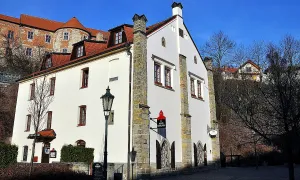
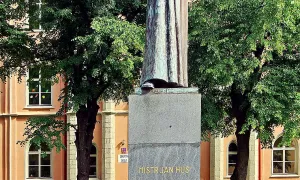
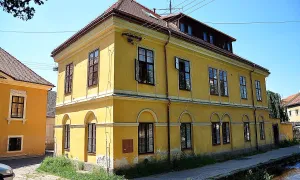
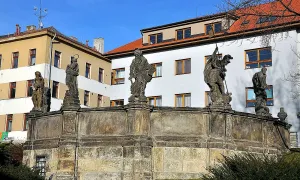
Photos from the area
Real photos taken near the monument


Zdroj a licence jsou uvedeny u každého snímku.
Tips from visitors
No tips yet. Be the first!
Log in and add your tip.
Sources and literature
Photos: Harold / CC BY-SA 3.0 — Wikimedia Commons. The author and licence also appear when you hover over the image.
Faktickým podkladem tohoto textu byl článek na Wikipedii, jehož autory jsou přispěvatelé Wikipedie. Článek je dostupný pod licencí CC BY-SA 4.0.
Location on the map
Příběhy a pověsti
Legendy, pověsti a příběhy spjaté s touto památkou

Příběh: kapucínský klášter v Chrudimi
Bylo to v pondělí ráno, kdy Martin zjistil, že stín na stole se zdá mít svého vlastního původu. Zvonění kostela Saint Joseph doprovázelo jeho každodenní modl…
Číst příběh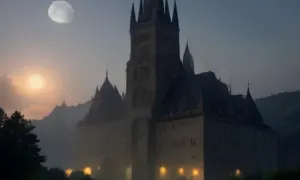
Pověst: kapucínský klášter v Chrudimi
Podle místní pověsti, jíž chrudimští staříci šeptávali svým vnoučatům při večerním ohni, nebylo vysvěcení kapucínského kostela svatého Josefa dne šestadvacát…
Číst příběhFotografie návštěvníků
Zatím žádné fotografie. Buďte první, kdo přidá fotografii z návštěvy!
Log in a přidejte svou fotografii nebo hodnoťte.
Za ověřenou návštěvu v aplikaci získáte víc bodů — poznáme podle GPS, že jste na místě.
Reviews and comments