



Pomník s bustou Leoše Janáčka Monument
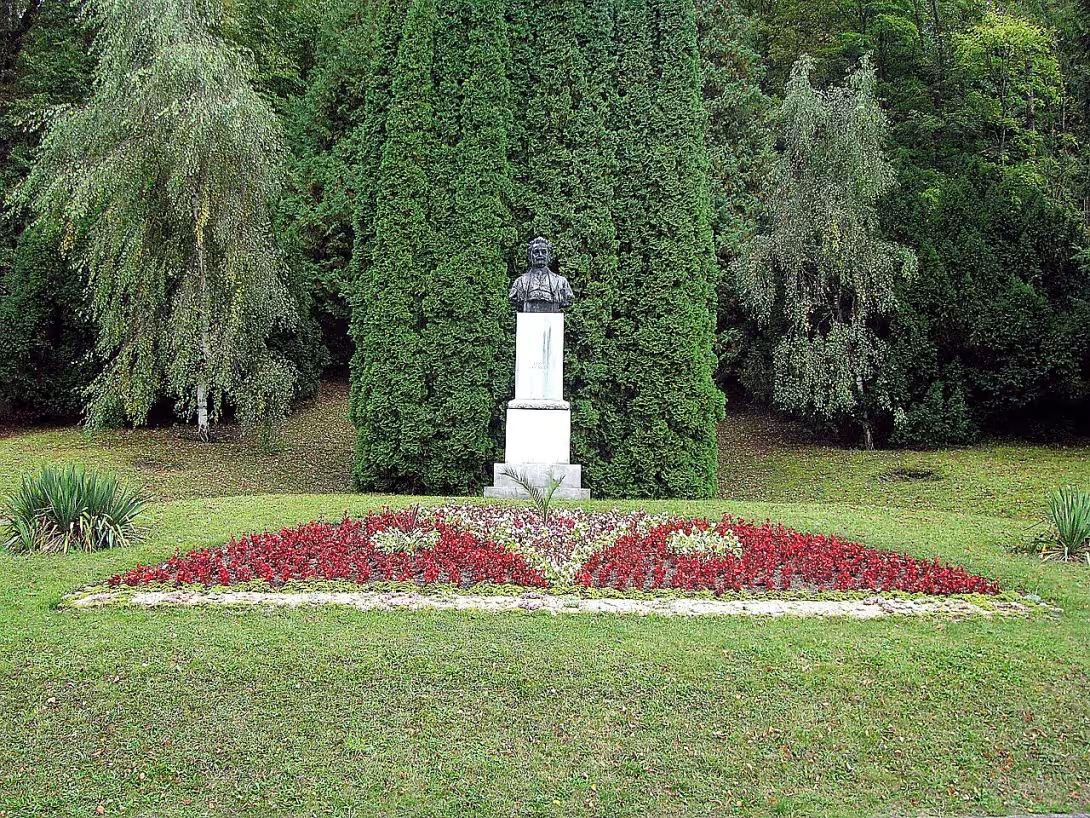
Pomník s bustou Leoše Janáčka in the heart of Luhačovice is a remarkable cultural monument from the 1950s. It was revealed on the 100th anniversary of the birth of the composer. It reminds of his frequent stays in Luhačovice, where he was regularly treated since 1903. The work was created by sculptor Karel Pokorný, pupil of Josef V. Mysbek. It represents a bronze bust of an important Czech composer on a marble plinth.
The plaster model was created in 1953 and was subsequently made in bronze. The unveiling took place in 1954 as part of the celebration of the 100-year anniversary of the birth of the author. The statue is not only a monument to the personality, but it also symbolizes the connection of Luhačovice to the legacy of Leoš Janáček, with which the Glabolska Mass is most clearly identified. In 1958, the building was declared a cultural monument and has since been protected.
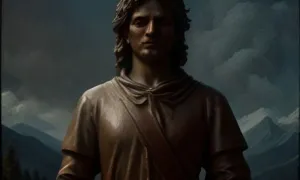
The design of the monument consists of a bronze bust with the typical features of the composer, including a mustache and a characteristic hairstyle. It is placed on a marble graduated plinth with the inscription LEIP JANACEK in front. On the right is the signature of sculptor Karl Pokorný. The monument is in good condition and is located near the inhalatory in Dr. Palka Blaho.
Since 1992 there has been an annual Janáček and Luhačovice music festival celebrating the composer's work. The memorial serves as a place to start this festival, which highlights its importance for the cultural life of the city.
Today, Leoš Janáček's bust is open to the public. It is worth visiting as a reminder of the composer and as part of the rich cultural heritage of Luhačovice. It is an important trace of the past, which reminds of the influence of the author on Czech music and its relationship to the spa city.
When visiting, you can realize the deep roots of the Czech cultural tradition and the importance of similar monuments for the preservation of history. This monument is not only a reminder of the composer, but also an inspiration to acknowledge the importance of art in society.
Historical milestones
- 1953
- Creating a plaster model bust.
- 1954
- Exposing the monument to the 100th anniversary of the birth of the composer.
- 1958
- Statement of the monument by cultural monument.
- 1992
- Opening of the music festival in honor of Janacek.
Architectural development
The monument consists of a life-size bronze bust and a marble plinth. The work was created by Karel Pokorný, pupil of Josef V. MYBEK. On the front of the plinth there is an inscription with the name of the composer.
Historical events
In 1954, the monument was revealed on the anniversary of the birth of the composer. In 1958, the building was declared a cultural monument. Since 1992, a music festival has been opened regularly.
Points of interest
- Pomník s bustou Leoše Janáčka is a cultural monument from the 1950s. - The work was created by sculptor Karel Pokorný, pupil of Josef V. Mysbek. - Bronze bust with typical features of the composer is placed on marble graduated plinth. In 1958, the building was declared a cultural monument. - The memorial serves as a place for opening the music festival Janáček and Luhačovice.
Guide
Show guide text
This text was created by artificial intelligence and has not been editorially reviewed. It may contain inaccuracies.
Welcome to the beautiful Luhačovice, a place where nature encounters the healing power of the springs and where the air is constantly soaring the echoes of great music. Stop for a moment, take a breath and feel the atmosphere of this unique spa town. Right now, you are facing one of his important symbols, which reminds us of the connection between this place and one of the greatest Czech geniuses. In front of you is a memorial with the bust of Leoš Janáček. Look at him. You see the deep, dark color of bronze, which, in contrast to the surrounding area, looks very dignified and moderate. It is a representation of the face of a man whose music has matured in corners of the world, but who has found peace and inspiration here, in Luhačovice.
When you look at this form like that, you might be wondering how this monument was created and why it is here. The whole story will take us to the 1950s. In 1953, the renowned sculptor Karel Pokorný created a plaster model of this bust. The plaster is often the first step in sculpture, the foundation in which the artist looks for the right expression and shape before the work is definitively hardened in a more durable material. A year later, in 1954, the monument was festively revealed. It was not a random year because the city and the whole country celebrated the 100th anniversary of the birth of Leoš Janáček. It was a grateful gesture, showing respect for the composer who visited Luhačovice very often. For Janáček, these baths were not only a place of rest or treatment, but a source of inner peace and some degree of escape from the daily rush, allowing him to concentrate fully on his creative work.
Now pay attention to the specific details you have right in front of you. Notice the bronze bust itself. The sculptor Karel Pokorný did not seek unnecessary idealization but focused on capturing the typical features of the composer. Look at the expression of the face, the way in which its view and characteristic features are displayed. There is a sense of intellect, depth and perhaps some rigour that has been accompanied by a great passion for music and folk expression. This bust is not just a copy of the face, it is an attempt to capture the spirit of a man who has heard music in the roar of leaves, in the speech of ordinary people and in the silence of nature.
See below, the base on which the bust lies. The entire object is on a marble plinth. Note that this plinth is not a simple block, but it is graduated. It is this degree that gives the monument some dynamism and at the same time raises it optically, underlining the importance of the personality that is respected here. The marble, with its cold and purity, is a perfect contrast to the warm and heavy bronze bust. It is a harmonious combination of materials that mirror the balance between earthly matter and the otherworldly lightness of musical art.
When we think about the personalities associated with this place, we cannot forget not only Leos Janáček himself, but also the author of the memorial, Karl Pokorný. If you are interested in the history of Czech art, it is good to know that Pokorný was not just an ordinary craftsman. He was a student of the famous Josef V. Mysbek, one of the most important Czech sculptors who defined the form of many of our national monuments. This school of precision and respect for form is also visible in Janáček's bust. There is a sense of tradition, craftsmanship and a deep understanding of how to work with material to tell a story about a man.
For Luhačovice, this monument is much more than a decoration of the square or park. It's a real symbol of local cultural heritage. This is confirmed by official history as the building was declared a cultural monument in 1958. This means that the state recognised its artistic and historical value and decided that it must be protected for future generations. It's proof of how strong the name Janáček is embedded in the identity of this city.
You might find one interesting thing that connects this monument to the present. Although the monument was revealed in the 1950s, respect for Janáček in Luhačovice only grew in time. In 1992 a music festival was opened in honor of this great composer. So imagine that this quiet place with a bronze bust is regularly becoming the center of musical hovering, where the tones of Janáček's works intersect again and again through the air of Luhačovice. It's a fascinating idea how one still statue can produce such a lively and noisy expression of gratitude in the form of musical concerts and meetings of artists from all over the world.
When you stand in front of this marble plinth and look into the eyes of a bronze composer, try to forget the noise of the surroundings for a moment. Imagine Leoš Janáček walking through these paths, seeing the smell of spa gardens and putting together his complex harmony in his head. This monument reminds us that great art needs not only talent but also an environment where it can breathe and where the creator can find his inner peace.
Now that you have become familiar with the history and details of this work, I suggest you slowly continue to explore Luhačovice. Let the sounds of the city guide you and look for other traces of culture and history that are hiding in these alleys. Perhaps you'll find other interesting places to help you better understand why these cities were so attractive to such important personalities.
Thank you for spending time with us at Leoš Janáček's memorial. We hope this short trip to history has helped you to appreciate the beauty and importance of this place. We wish you a pleasant continuation of your travels along Luhačovice, enjoy healing springs, clean air and above all the peace that the great music master sought. See you next time.
Tips for visitors
The best time to visit the monument of Leoš Janáček in Luhačovice is the summer noon period, when the sun illuminates the statue with optimal light. This light brings detail and depth to the bronze surface, making the visit truly beautiful.
For those travelling by public transport, the city offers buses and other forms of transport that can be found in the current schedule online.
When visiting the monument, bring a protective umbrella or umbrella to protect yourself from sun or rain. Photos from the sights you will want to capture in full beauty so it is good to have a quality camera or smart phone with you.
Photography of the monument is best on the side of Dr. Palka Blaho, where the sun rays create ideal conditions to capture details of the statue. In the late afternoon, light can still be romantic and attractive.
In the vicinity of the monument you will find the Luhačovice spa centre, which offers relaxation possibilities after exploring the monument. For families with children, this place is ideal because it offers various fun and educational activities.
Frequently asked questions
Can the monument be visited?
This is a structure in a public space that can usually be seen from outside free of charge. We have not verified that this particular one is freely accessible.
Where is the monument?
Location: Luhačovice, Zlínský kraj. The map on this page shows the exact spot.
Why is the monument protected?
It is listed in the Central List of Cultural Monuments of the Czech Republic as a cultural monument (register no. 1000139879).
Businesses nearby
Do you run a restaurant, accommodation, shop, museum, rental, wellness or other visitor service near this monument? Show yourself directly to the people heading to it — this is how they will see you in the app and on the web:
Events nearby
Zdroj akcí: otevřená data měst a obcí ČR (Národní katalog otevřených dat) a kalendář akcí Národního památkového ústavu.
Nearby
Lázeňské centrum Luhačovic, inhalatorium a ulice Dr. Palka Blaho.
Accommodation nearby
Themed route
Thematic cruise route Luhačovice
1. Pomník s bustou Leoše Janáčka (monument) - This monument is dedicated to the famous Czech composer and musical theorist Leoš Janáček. It is an ideal place to start your visit where you can understand the importance of this artist for the Luhačovice region.
2. Luhačovice Spa Centre (Spa) - After visiting the memorial, move to the spa center where you can explore the history and importance of this healing institution. Luhačovice are famous for its mineral springs that attract disabled visitors.
3. Inhalatorium (treatment facility) - In the inhalatorium you can explore modern treatment methods that use mineral springs Luhačovice. This is an interesting example of the integration of traditional and contemporary medical techniques.
4. Dr. Palka Blaho Street (street) - Take a walk down the street from Dr. Palka Blaho, who bears the name of an important doctor associated with the history of Luhačovice. This walk offers an opportunity to enjoy local architecture and atmosphere.
This route allows you to explore the main monument and surrounding spa facilities, which are key elements of Luhačovice.
Seasonal recommendations
Spring: In spring the visit to the Monument with the bust of Leoš Janáček in Luhačovice is special thanks to the first sunny days when gentle lighting is transmitted to the memory. Flowers and trees are beginning to bloom, which gives the surroundings a lively color and natural beauty. When visiting, it is advisable to keep in mind mild clothing, as temperatures can change rapidly. The best time to visit is usually in the afternoon when the sun is high and nature is gaining its life.
Summer: During the summer period Luhačovice becomes a popular destination for visitors. The sunny days and warm weather create ideal conditions for walking around the sights where you can enjoy a quiet time in the green space. It is advisable to come to Luhačovice earlier in the day to avoid the great crowds that the summer tourist season brings. Don't forget to take a protective replacement for the sun and enough to drink.
Autumn: In autumn, the Luhačovice is of a calm and mild character when tree leaves start to become coloured. The atmosphere is full of silence and beauty, making a visit to the sights ideal for relaxing and enjoying the change of seasons. Clothes should be consistent with cold temperatures - we recommend wearing a warm shirt or coat. The best time to visit is usually afternoon when the sun still provides enough light.
Winter: During winter Luhačovice becomes magical and snowwhite. Pomník s bustou Leoše Janáčka is radiant at this time, which gives the surroundings a romantic touch. Hot clothing is essential - we recommend wearing a fur coat and protective replacement for the sun, because winter sun rays can be stronger than summer. The monument is open for a shorter time, so make sure you arrive in time to welcome the peace and quiet of winter.
Visualizations and artistic views


The visualisations are generated by artificial intelligence and serve as inspiration.
Photos from the area
Real photos taken near the monument


Zdroj a licence jsou uvedeny u každého snímku.
Tips from visitors
No tips yet. Be the first!
Log in and add your tip.
Sources and literature
Photos: Pavel Langer / CC BY-SA 3.0 — Wikimedia Commons. The author and licence also appear when you hover over the image.
Faktickým podkladem tohoto textu byl článek na Wikipedii, jehož autory jsou přispěvatelé Wikipedie. Článek je dostupný pod licencí CC BY-SA 4.0.
Location on the map
More monuments – Luhačovice
Show all in the municipality
Příběhy a pověsti
Legendy, pověsti a příběhy spjaté s touto památkou
Fotografie návštěvníků
Zatím žádné fotografie. Buďte první, kdo přidá fotografii z návštěvy!
Log in a přidejte svou fotografii nebo hodnoťte.
Za ověřenou návštěvu v aplikaci získáte víc bodů — poznáme podle GPS, že jste na místě.
Reviews and comments