






Pomník svatého Václava (Praha 1) Monument
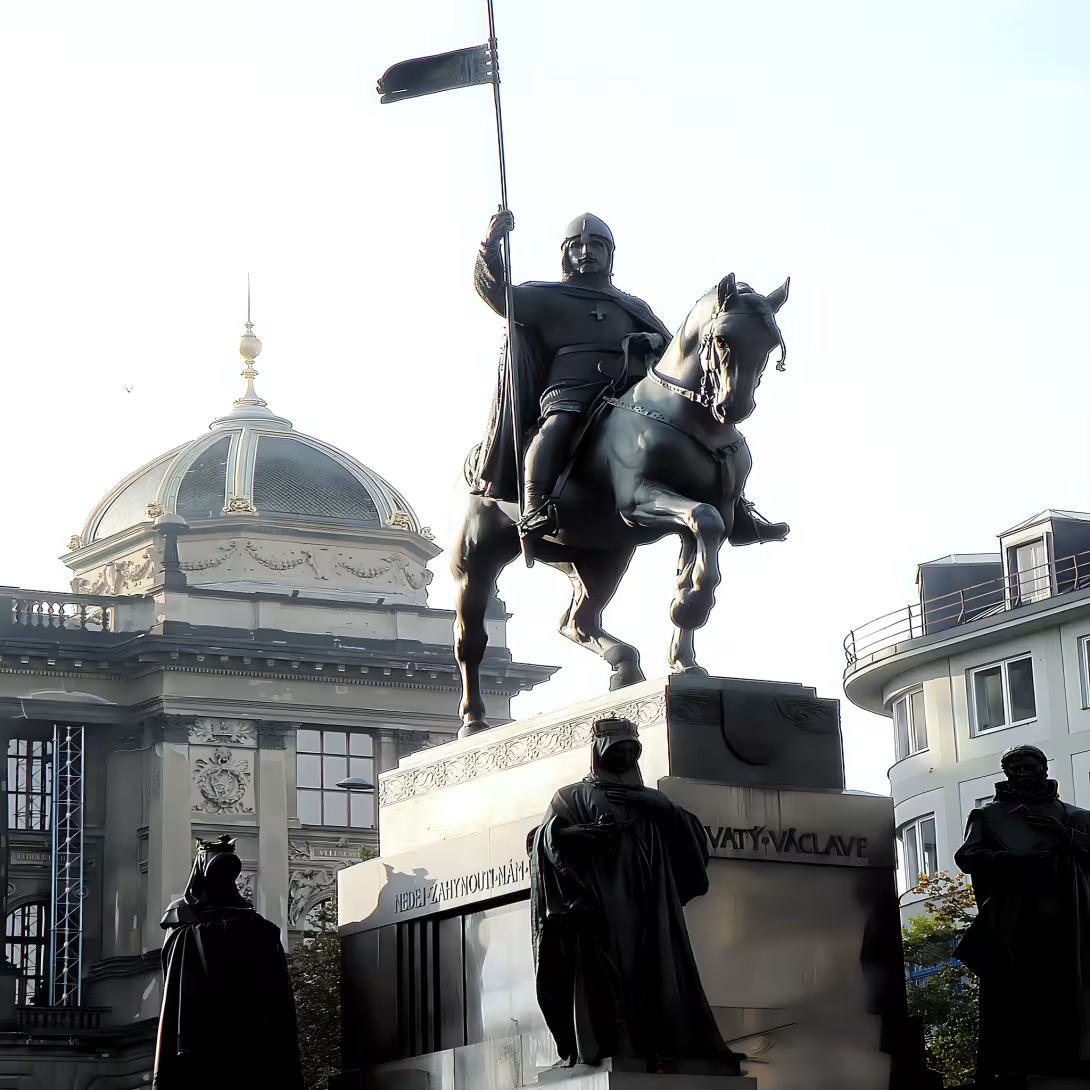
The Monument to Saint Wenceslas stands as a significant symbol of Czech heritage in Prague's Václavské Square. Sculptor Josef Václav Myslbek and architect Alois Dryák created this monumental statue, completed between 1887 and 1924. It features Saint Wenceslas on horseback, accompanied by four other patron saints: Ludmila, Agnes of Bohemia, Prokop, and Adalbert of Prague. The monument embodies national pride and cultural identity through its monumental realism.
The origin dates back to a competition in 1894 for a new equestrian statue of Saint Wenceslas. This period marked a surge in Czech national consciousness and cultural revival at the turn of the 19th to the 20th century, reflecting broader European trends towards nationalism. The monument's creation coincided with efforts to assert Czech identity within the Austro-Hungarian Empire.
Architecturally, it blends monumental realism and innovative design, inspired by medieval treasures. Myslbek's work underwent numerous revisions before reaching its final form. The statue base, designed by Alois Dryák, includes intricate architectural elements and ornamental decorations by Celda Klouček. Bendelmayer executed the bronze casting. A notable curiosity is that the horse model for the statue was a seven-year-old black stallion named Ardo from the Oldenburg breed.
The monument's construction spanned over three decades, with key events marking its progress. In 1911, the base was completed, and in 1912, scaffolding around the newly installed monument was removed. The official unveiling took place in 1913, although not all statues were completed at that time. It wasn't until 1925 that the final statue, Saint Adalbert, was installed, completing the ensemble.
Today, the Monument to Saint Wenceslas remains a prominent landmark in Prague's Václavské Square, surrounded by significant historical and cultural sites such as the National Museum and the Church of Our Lady before Týn. Its central location makes it easily accessible for visitors who wish to explore its rich history and artistic significance.
The monument stands as a testament to Czech statehood and the importance of preserving cultural and spiritual values. It invites visitors to reflect on its historical context and appreciate its role in shaping national identity. For those interested in exploring Prague's heritage, the Monument to Saint Wenceslas is an essential stop that offers insight into the nation's past and present.
Then and now
Drag the slider to compare how the landmark may have looked when it was built with the view today.
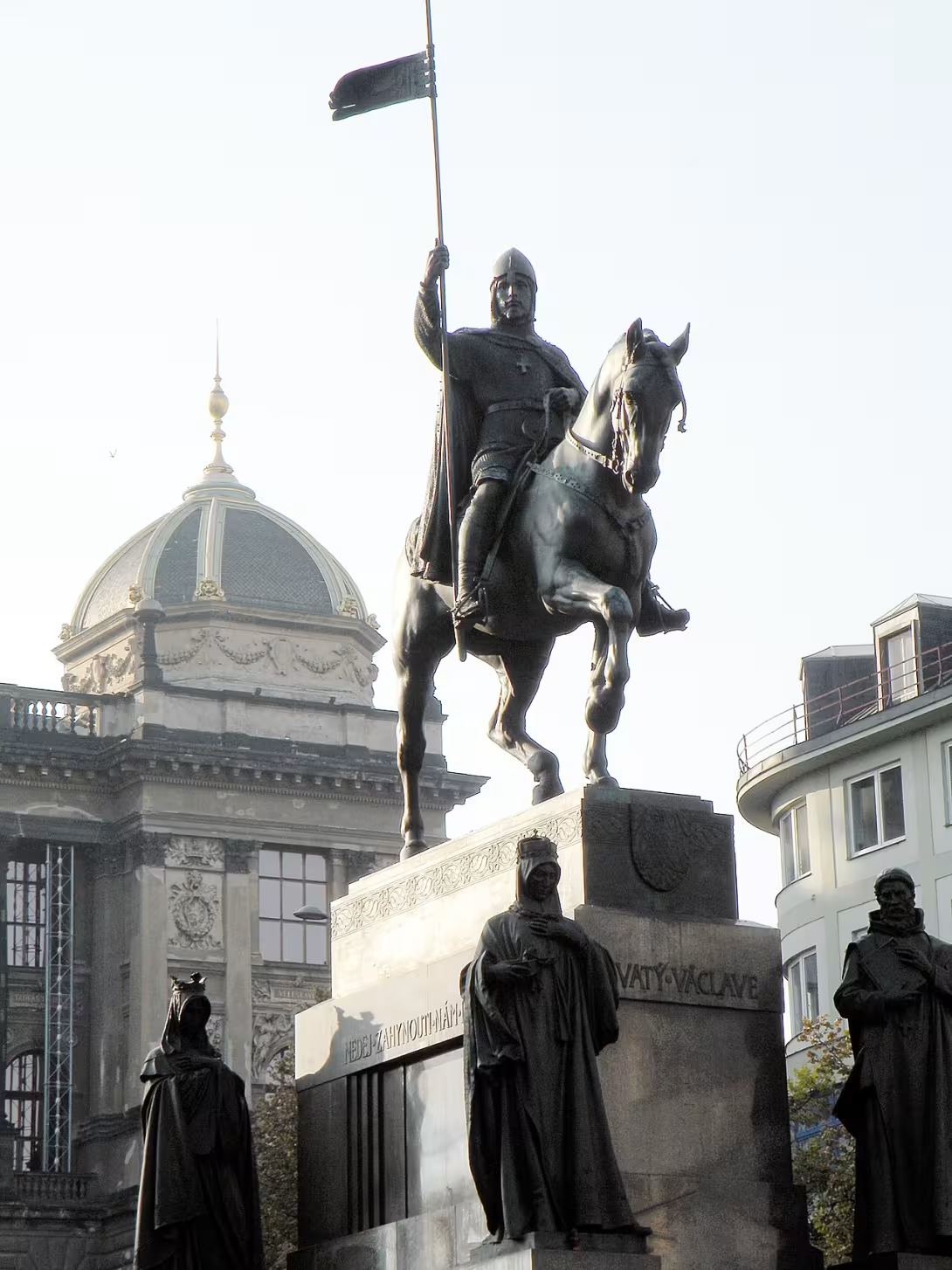
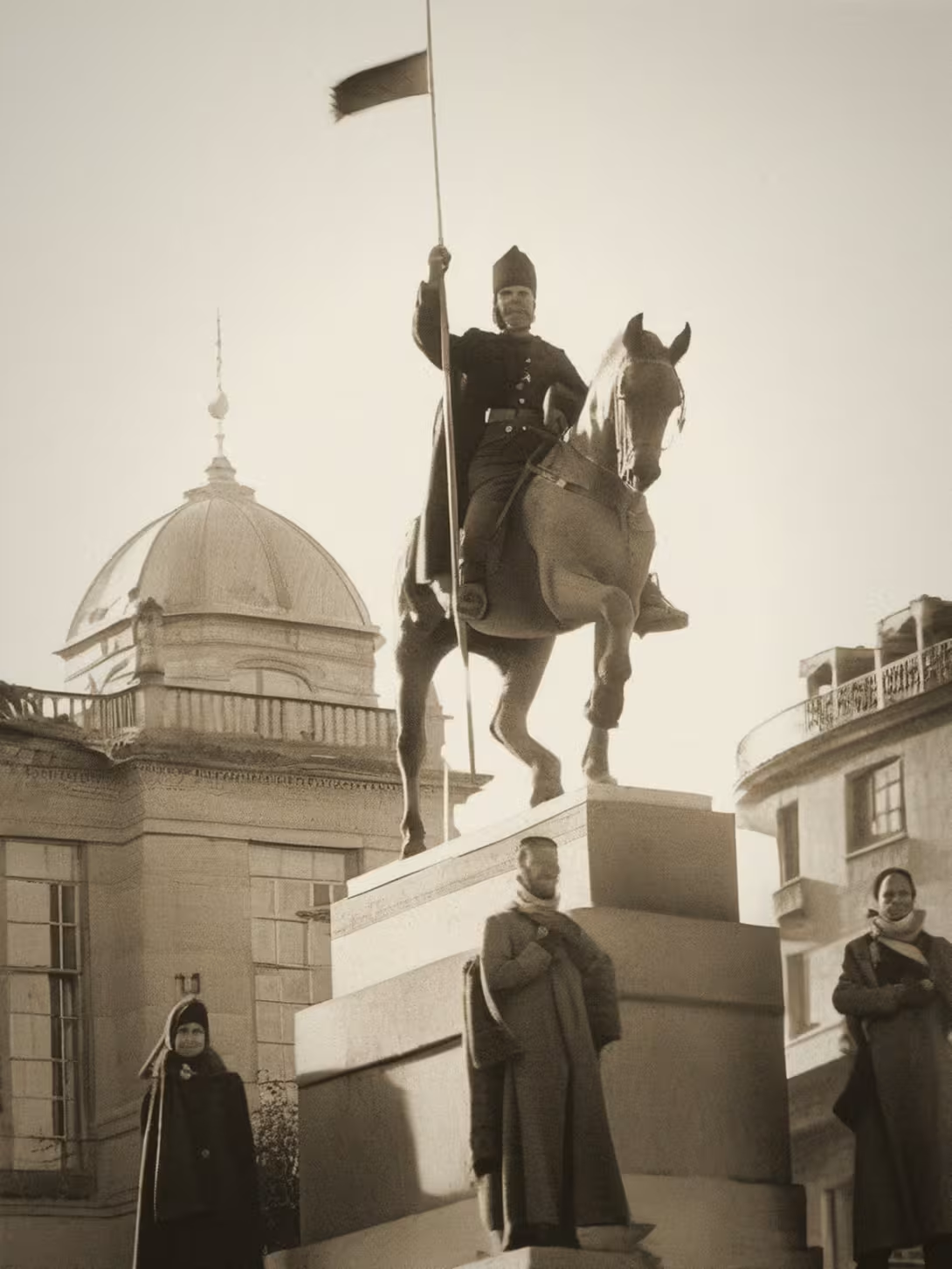
The historical appearance on the left is an AI-generated visualisation and serves as inspiration only.
Historical milestones
- 1911
- Completion of the base of the monument.
- 1912
- Removal of scaffolding around the newly installed monument.
- 1913
- Official unveiling of the monument, though not all statues were completed.
- 1925
- Installation of the final statue, Saint Adalbert.
Architectural development
The creation of the Monument to Saint Wenceslas spanned over three decades, reflecting a blend of monumental realism and innovative design. Initially inspired by a medieval treasure, Myslbek's work underwent numerous revisions before reaching its final form. The monument features intricate architectural elements designed by Alois Dryák and ornamental decorations by Celda Klouček, with the bronze casting executed by Bendelmayer.
Historical events
- 1894
- Competition held for creating a new equestrian statue of Saint Wenceslas.
- 1913
- Official unveiling of the monument, although not all statues were completed at this time.
- 1925
- Installation of the final statue, Saint Adalbert, completing the ensemble.
Points of interest
- The initial competition for the equestrian statue of Saint Wenceslas in 1894 sparked a fervent artistic and nationalistic debate among Czech artists and intellectuals about how best to represent their cultural identity.
- During its construction, the monument faced several interruptions due to political tensions within the Austro-Hungarian Empire, reflecting the broader struggle for Czech autonomy during that era.
- The seven-year-old black stallion named Ardo, used as a model for Saint Wenceslas's horse, was reportedly known for his spirited temperament and had previously been involved in local equestrian events before being chosen by Myslbek.
- An interesting anecdote involves the statue of Saint Agnes of Bohemia; her design underwent numerous revisions to accurately reflect historical attire, as contemporary research revealed more about medieval clothing styles.
- The monument's unveiling in 1913 was marked by a grand celebration attended by Czech dignitaries and artists, symbolizing not only national pride but also unity among diverse cultural groups within Prague.
Guide
This guide is narrated by a synthetic voice generated by artificial intelligence.
Show guide text
This text was created by artificial intelligence and has not been editorially reviewed. It may contain inaccuracies.
Welcome to the iconic Monument to Saint Wenceslas in Prague's Václavské Square. As you stand here, imagine yourself surrounded by a symbol of Czech heritage that has captivated hearts for over a century. Before you rises an impressive equestrian statue, its grandeur commanding attention and respect. The central figure of Saint Wenceslas on horseback is flanked by four statues of saints, each representing the historical and spiritual values cherished by the nation.
The creation of this monument was a journey that began with fervent artistic debate. In 1894, a competition for an equestrian statue of Saint Wenceslas sparked nationalistic discussions among Czech artists and intellectuals about how best to embody their cultural identity. This conversation set the stage for what would become one of Prague's most cherished landmarks.
The monument we see today is the brainchild of renowned sculptor Josef Václav Myslbek, whose vision was brought to life with the architectural expertise of Alois Dryák and Celda Klouček. The project commenced in earnest at the turn of the 20th century. By 1911, the base had been completed, setting a solid foundation for what was to come. In 1912, scaffolding that once surrounded the monument was removed, revealing its growing form to an eager public. Although not all statues were complete, the monument was officially unveiled in 1913. It wasn't until 1925 that the final statue of Saint Adalbert was installed, completing Myslbek's masterpiece.
As you take a closer look, notice the intricate details that bring this monumental piece to life. The central figure, Saint Wenceslas, is depicted with an air of regality and benevolence, his gaze fixed forward as if leading his people into a bright future. Flanking him are statues embodying saints who have shaped Czech history and spirituality: Ludmila, Prokop, Vojtěch (Adalbert), and Norbert.
The monument's creation was not without its challenges. During construction, interruptions occurred due to political and logistical issues, reflecting the turbulent times in which it was built. Yet, these obstacles only served to strengthen the resolve of those who championed this symbol of national pride.
A key historical figure connected to this site is František Schönborn, a cardinal whose influence extended into the cultural sphere, supporting endeavors that would define Czech identity. His legacy intertwines with the monument's story, highlighting its significance beyond mere artistry.
An intriguing aspect of this monument is how it encapsulates a pivotal moment in Czech history. The initial competition for Saint Wenceslas' statue was more than an artistic endeavor; it was a nationalistic statement, igniting discussions that would shape the cultural landscape of the time.
As you continue to explore Václavské Square and its surroundings, take a moment to reflect on the stories and values embodied in this magnificent monument. Let it inspire you as you delve deeper into Prague's rich tapestry of history and culture. Thank you for joining us on this journey through time and artistry. We hope your visit leaves you with lasting memories and an appreciation for the enduring spirit of Saint Wenceslas and his legacy.
Tips for visitors
The best time to visit the Monument to Saint Wenceslas is during late spring or early autumn, when the weather is pleasant for walking around Václavské Square. This period avoids the peak tourist season and allows you to enjoy the monument without large crowds. Additionally, visiting in the morning can provide softer lighting for photography and a more serene experience before the day gets busier.
Transportation to the monument is convenient via both public transit and car. The square is accessible by several metro lines, making it easy to reach from various parts of Prague. It's advisable to check current transportation options online before your visit.
When visiting the monument, consider bringing a camera or smartphone for photography, as well as comfortable walking shoes if you plan to explore the surrounding area. The square and its vicinity offer numerous photo opportunities, especially with the National Museum and Church of Our Lady before Týn in the background. A light jacket might also be useful, as temperatures can vary throughout the day.
For capturing the monument from the best angles, consider visiting during the golden hour—shortly after sunrise or before sunset—for optimal natural lighting. The east side of Václavské Square provides a clear view of the monument against the backdrop of Prague Castle and the city skyline, making it an ideal spot for photography.
Nearby attractions within 30 minutes include the National Museum and the Church of Our Lady before Týn, both rich in history and culture. These sites offer insight into Czech heritage and are perfect for extending your visit to Václavské Square. For families with children, these locations provide educational experiences alongside the enjoyment of Prague's historic atmosphere.
Frequently asked questions
Can the monument be visited?
This is a structure in a public space that can usually be seen from outside free of charge. We have not verified that this particular one is freely accessible.
Where is the monument?
Location: Praha 1, Hlavní město Praha. The map on this page shows the exact spot.
Why is the monument protected?
It is listed in the Central List of Cultural Monuments of the Czech Republic as a national cultural monument (register no. 1000001507).
Businesses nearby
Do you run a restaurant, accommodation, shop, museum, rental, wellness or other visitor service near this monument? Show yourself directly to the people heading to it — this is how they will see you in the app and on the web:
Events nearby
Zdroj akcí: otevřená data měst a obcí ČR (Národní katalog otevřených dat) a kalendář akcí Národního památkového ústavu.
Nearby
Václavské Square is a central location in Prague, surrounded by significant historical and cultural sites. Nearby landmarks include the National Museum and the Church of Our Lady before Týn.
Accommodation nearby
Trips and activities nearby
Guided tours, tickets and activities nearby from GetYourGuide
Affiliate link: if you buy from the partner, we may receive a commission. The price for you does not change.
Search tours and activities →Themed route
Thematic Walking Tour: Václavské Square and Its Historical Gems
1. Pomník svatého Václava (Praha 1) - Type: Monument - Why Visit: This iconic monument, located in the heart of Prague's Václavské Square, commemorates Saint Wenceslas, the patron saint of Bohemia. Standing at an impressive height, it offers panoramic views of the city and serves as a symbol of Czech history and culture.
2. Národní muzeum (National Museum) - Type: Museum - Why Visit: Situated just a short walk from Václavské Square, the National Museum is one of Europe's largest museums. It houses an extensive collection that covers natural history, archaeology, and art, providing insights into both Czech heritage and global cultures.
3. Kostel Panny Marie před Týnem (Church of Our Lady before Týn) - Type: Church - Why Visit: This stunning Gothic church is renowned for its impressive twin spires that dominate the skyline near Václavské Square. Its rich history and architectural beauty make it a must-see, offering visitors a glimpse into Prague's religious past.
This tour takes you through some of Prague’s most significant historical sites, each contributing to the city’s rich tapestry of culture and heritage.
Seasonal recommendations
Spring: The spring season at the St. Wenceslas Monument offers a refreshing atmosphere as the city of Prague awakens from its winter slumber. The surrounding Charles Bridge and Vltava River are adorned with vibrant blooms, creating picturesque views that enhance the monument's grandeur. This time of year is characterized by mild temperatures and longer daylight hours, making it ideal for leisurely exploration. Visitors should consider wearing layers to accommodate fluctuating weather conditions typical of spring in Prague. Although crowds can be moderate due to the pleasant climate, arriving early in the morning helps avoid larger groups, ensuring a more serene experience while enjoying the blooming nature.
Summer: Summer at the St. Wenceslas Monument is marked by lively energy and extended daylight hours, making it an excellent time for photography enthusiasts to capture stunning images of Prague's historic skyline. The warm weather invites visitors to linger longer in this iconic spot, often leading to larger crowds as tourists flock to experience the city’s vibrant atmosphere. To make the most of your visit, dress comfortably in light clothing and consider bringing a hat or sunglasses for sun protection. Arriving early in the morning is advisable to avoid peak tourist times and fully enjoy the monument without the hustle.
Autumn: Autumn brings a magical transformation to the St. Wenceslas Monument with its rich tapestry of warm colors as leaves change hues along the Charles Bridge and Vltava River. The cooler temperatures create an inviting ambiance for strolling through Prague’s historic streets, offering a more tranquil experience compared to the bustling summer months. Visitors should dress in layers to accommodate the brisk weather and enjoy the crisp air that enhances the beauty of this season. As the days grow shorter, planning your visit earlier in the day is recommended to make the most of the natural lighting.
Winter: The winter season at the St. Wenceslas Monument offers a unique charm with Prague's historic architecture beautifully illuminated against the backdrop of snow-covered surroundings and festive lights along the Charles Bridge. This time of year provides an enchanting atmosphere, perfect for capturing memorable photographs or simply enjoying the serene beauty of the city in its quieter moments. Visitors should dress warmly in layers to stay comfortable during their exploration, as temperatures can be quite chilly. Due to shorter daylight hours, it is best to plan your visit earlier in the day to fully appreciate the illuminated monument and surrounding areas before they close for the evening.
Visualizations and artistic views


The visualisations are generated by artificial intelligence and serve as inspiration.
Photos from the area
Real photos taken near the monument

Zdroj a licence jsou uvedeny u každého snímku.
Tips from visitors
No tips yet. Be the first!
Log in and add your tip.
Sources and literature
Photos: Витольд Муратов / Public domain, rozlišení zvýšeno umělou inteligencí — Wikimedia Commons. The author and licence also appear when you hover over the image.
Faktickým podkladem tohoto textu byl článek na Wikipedii, jehož autory jsou přispěvatelé Wikipedie. Článek je dostupný pod licencí CC BY-SA 4.0.
Location on the map
More monuments – Praha 1
Show all in the municipality

Příběhy a pověsti
Legendy, pověsti a příběhy spjaté s touto památkou
Příběh: Pomník svatého Václava (Praha 1)
Bylo to v pondělí ráno, kdy Martin zjistil, že vzduch na Václavském náměstí rezonuje podivným ozvěnou minulosti. Voda na ulicích byla jako pokrytá lehkým pra…
Číst příběh
Pověst: Pomník svatého Václava (Praha 1)
Traduje se, že sochař Josef Václav Myslbek nevybíral podoby svátých světců na podstavci nahodile. Starší pražští řemeslníci, kteří pracovali v dílnách poblíž…
Číst příběhFotografie návštěvníků
Zatím žádné fotografie. Buďte první, kdo přidá fotografii z návštěvy!
Log in a přidejte svou fotografii nebo hodnoťte.
Za ověřenou návštěvu v aplikaci získáte víc bodů — poznáme podle GPS, že jste na místě.
Reviews and comments