



Prácheň Hillfort
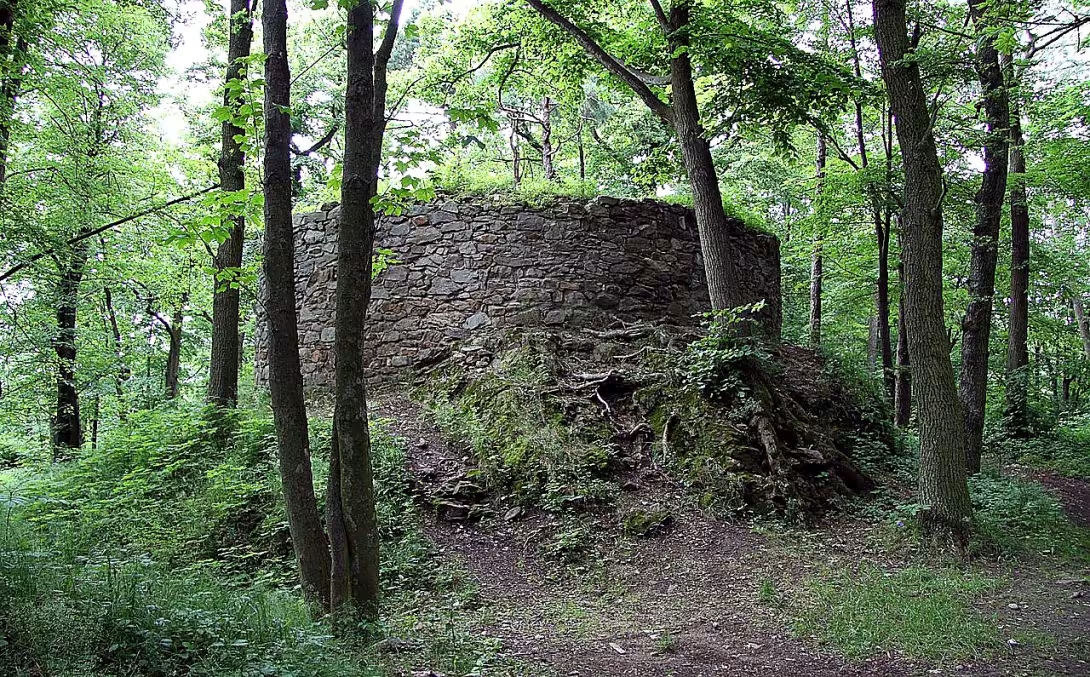
Prácheň is a ruin of the Gothic castle located above the Otavou River near the village Velké Hydčice. This historical monument, protected as a cultural heritage of the Czech Republic, represents a fascinating chapter of the Czech medieval times. The original fort was established here in the early Middle Ages and served as a centre of power for regional nobles, with the entire Prácheň region bearing the name of this castle. Only fragments of walls and palace wings have been preserved today, which refer to an important past by their architecture.
Development Prácheň Castle is closely associated with political changes in Czech countries starting in the mid-11th century. The original castle, supported by written sources and archaeological findings, was the seat of the local nobility and served as a defence centre in the early Middle Ages. In 1184 Vítek I. z Prčice is documented here, indicating the importance of the castle for the Czech noble family Vítkovce. However, the fort was destroyed in the middle of the thirteenth century and in its place Bavor III. ze Strakonic began to build a new castle in 1315 with the consent of King John of Luxembourg. This new castle was designed as a strong defensive object, whose architecture corresponded to the royal castles with a perimeter installation.
Architecturally Prácheň ranks among the major Gothic castles. The fort on which the castle was built had two parts available with walls and woodclay structures. The new castle included a three-dimensional structure with a central part decorated with round bergfrit, courtyard and palace wings on both sides. The towers inserted into the space of the park have amplified the castle's defence capabilities, which is typical of castles of the Castel type. This architectural construction shows progress in construction techniques and the strategic importance of the castle.
Prácheň had several owners who influenced his fate. After Bavor III of Strakonice the castle went to Vilem of Strakonice and then to Bavaria of Strakonice to Blatná. In 1389- 1394, Zdeněk Castle from Rožmitál, followed by Breenek from Strakonice, was managed. After the extinction of the Bavarian family from Strakonice, the castle went to Jan the elder from Hradec and his son Menhart from Hradec. In the middle of the 15th century, the castle was sold to Děpolto from Rýzmberk, who handed it over to the brothers John and Racek from Kocov in 1456. After the dispute over the property and siege of Horažovice in 1477-1478, the castle came into the hands of Jan of Švamberk and then of Záty Švihovský of Rýzmberk, who repaired it at the beginning of the sixteenth century. In 1558, the castle is already remembered as desolate.
Key events in the history of Prácheň Castle include its construction at the beginning of the 14th century, the siege of Horažovice and disputes over property among nobles. These events show the strategic importance of the castle and its position in medieval political conflicts.
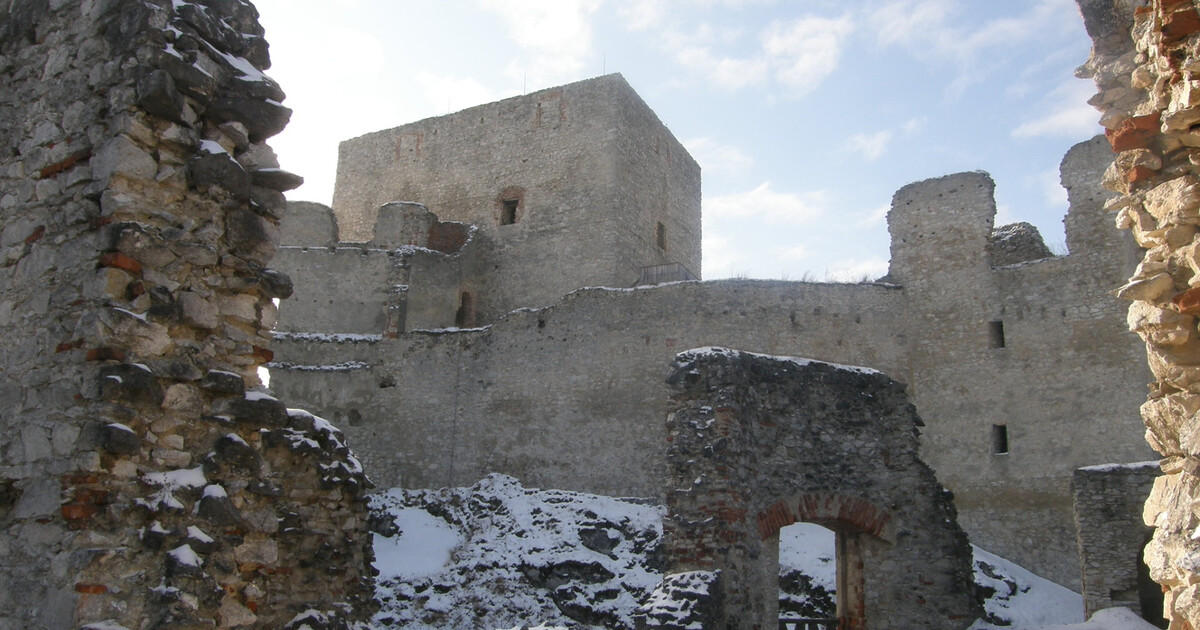
Today Prácheň is an accessible ruin that offers a view of the history and architecture of the Czech Middle Ages. The location is part of the nature reserve Prácheň and its proximity to the river Otava and the city of Horajovic makes it an ideal place to visit. Despite its desolate state, the castle is worth visiting thanks to its historical roots and architectural peculiarities.
Prácheň is a reminder of the rich history of Czech countries, which reflects changes in politics, society and technology. Visit this monument and appreciate its importance for understanding the past of our region.
Then and now
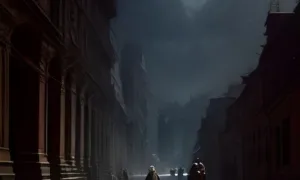
Drag the slider to compare how the landmark may have looked when it was built with the view today.
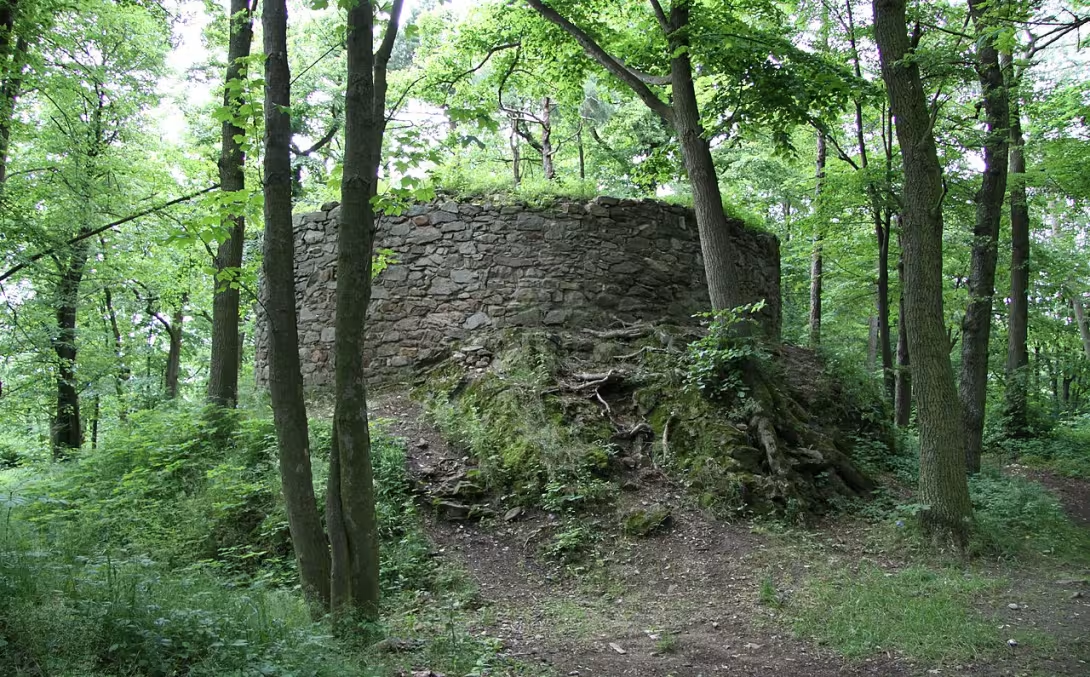
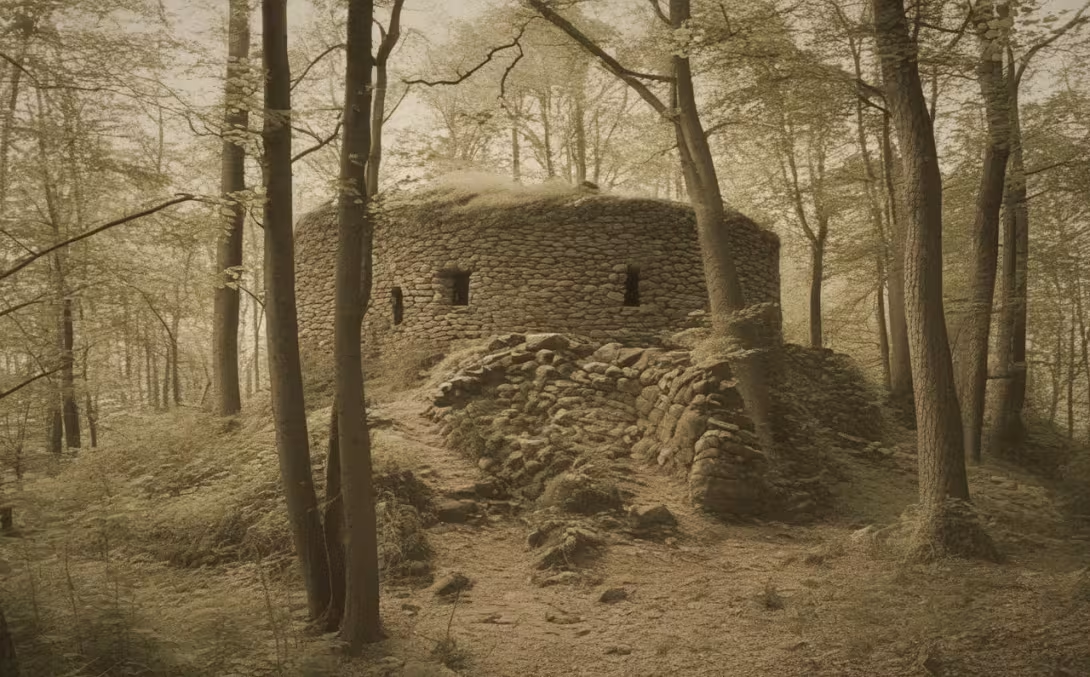
The historical appearance on the left is an AI-generated visualisation and serves as inspiration only.
Historical milestones
- 1184
- Proof of the presence of Vítek I. of Prèice during the reign of Prince Bedřich
- 1315
- The beginning of the construction of the new castle Bavarian III from Strakonice
- 1558
- First mention of the castle as a deserted place
Architectural development
A large Gothic castle was created in the place of the early medieval castle with a two-storey layout and walls of stones and wood-clay construction. His concept corresponded to the royal castles with a perimeter construction and tripartite layout. The main parts were bergfrit, courtyard and palace wings.
Historical events
1315 The beginning of the construction of the new castle Bavarian III from Strakonice, 1477-1478 the siege of Horažovice and disputes over property, 1558 the castle is already remembered as desolate
Owners
Bavor III. ze Strakonic (from 1315), Wilhelm from Strakonice (until about 1359), Bavaria from Strakonice to Blatná, Jan older from Hradec, Menhart from Hradec, Děpolt from Rýzmberk (before 1456), Jan and Racek from Kocova, Jan from Švamberka (1483), Pozota Švihovský from Rýzmberk (1483)
Points of interest
- Prácheň is a ruin of the Gothic castle located above the Otavou River near the village Velké Hydčice. - This historical monument, protected as a cultural heritage of the Czech Republic, represents a fascinating chapter of the Czech medieval times. - The origin of Prácheň Castle is closely associated with political changes in Czech countries starting in the middle of the eleventh century, and the castle was the seat of local nobility. - Architecturally, Prácheň ranks among the major Gothic castles with a two-part layout of walls and palace wings, suggesting progress in construction techniques. - Key events in the history of Prácheň Castle include its construction at the beginning of the fourteenth century, the siege of Horažovice and disputes over property among nobles.
Guide
Show guide text
This text was created by artificial intelligence and has not been editorially reviewed. It may contain inaccuracies.
Welcome to places where history touches the landscape so closely that it is almost impossible to separate them from each other. You are standing on an island that rises above the calm surface of the Otava River. In front of you is a landscape that once belonged to one of the most important medieval centers in the region. Look around you and absorb the atmosphere of this place. Here, in the middle of nature, there is a ruin of the Gothic castle Prácheň. Although the castle has long since lost its original form and today appears to us as romantic ruins, its presence is still strongly felt. It's a place where the layers of time overlap, from the early medieval forts to the medieval forts that have influenced the fate of the entire region.
To better understand why this place is so important, we need to move centuries into the past. The history of Laundry is not only a story of one castle, but rather a chronicle of power changes and political ambitions. The oldest documented mention of the residence in this place dates back to 1184, when Vítek I. z Prčice worked here under Prince Bedřich. At that time there was an early medieval fort that performed the function of a defensive and administrative centre. But this original settlement ceased to exist in the mid-13th century. But it was not the end of the history of this strategically advantageous place.
The new era started here in 1315, when Bavor III. ze Strakonic, with the royal consent of John of Luxembourg, started building a new castle. This event was a key moment that laid the foundations for the creation of the entire Prácheň Region. It is this place that bears the name of this region. Castle Prácheň has become an important centre whose influence extends far beyond today's Great Hydčice. It was a symbol of the power and wealth of the family that lived here, and an important point in the network of defence and administration of the Czech countries at that time.
Now pay attention to what's right in front of you. Although the castle was destroyed and its walls collapsed, the remnants of the walls and fragments of the original structures were still preserved. Look at these stone remains. They're testimony to the Gothic architecture that was at the peak of its bloom at that time. The Gothic castle Prácheň was built to make the best use of the natural defensive properties of the island. The water of the Otava River served as a natural moat that made access to the castle very difficult for enemies. Even though we cannot admire the complete towers or fine halls that once stood here today, we can imagine how powerful this castle had to be when it stood above the surrounding countryside.
The stone blocks you see are remnants of masonry that resisted the teeth of time and weather. There is a sense of peace and quiet that contrasts with the stormy history that took place here. Every stone has a story, even though we can't read it today. This ruin is protected as a cultural heritage of the Czech Republic, which shows its importance for our national memory. It is a fascinating chapter of the Czech Middle Ages that makes us think about how quickly power changes and how short the duration of human parts is compared to the eternity of nature.
The Bavor III. ze Strakonic, which had the castle built, certainly excels among the personalities that are closely connected to this place. His decision to build a new castle in the place of the old fort shows his strategic thinking and desire to establish his place of his family. Equally important figure is King Jan Lucemburský whose approval was necessary for the start of construction. This cooperation between the nobleman and the king shows a difficult political situation in the Czech countries in the first half of the fourteenth century. Other important names are Vítek I. z Prčice, which represents the older period, and Zdeněk of Rožmitál, which is also associated with the history of the region. These personalities were not only abstract names in chronicles, but the living people who lived here decided and shaped the fate of the local people.
The interesting thing to think about is that Prácheň Castle has been so significant for centuries that they named the whole country after it. It's not common for all castles. This shows how deeply this place has been embedded in the collective memory and identity of the region. Although the castle gradually lost its meaning, his name remained. In 1558, the first mention of the castle appeared as a deserted place. This means that no one lived here in the middle of the sixteenth century and the castle began to slowly decay. This process of demise lasted a long time, but today we see its final phase, where only ruins remain from the castle.
Imagine what this place could look like in its prime. The castle was surrounded by forests and fields, from its walls opened a wonderful view of the river and surrounding hills. There were festivities, agreements and decisions about the fate of the region. Today is a place where every visitor can feel a connection to the past. It's a place to think, to admire the work of man and to feel the weight of history.
Let's move on and look at the other parts of the ruins. Notice how the remnants of the walls decrease towards the river. This shows how the castle used the terrain to defend itself. Even if there are only fragments, the original dimensions and the castle available can still be estimated. This ruin shows how important the walls in the Middle Ages played a role. It was not only the homes of the nobles, but also symbols of power and security for the surrounding population.
Today Prácheň is a place where history and nature intersect. It's a place that attracts tourists, historians and nature lovers. Anyone who comes here gets something else. Some will appreciate the romance of ruin, others will be interested in historical details, and others will enjoy the peace and quiet of this place. No matter what brought you here, I believe this place will remain in your memory.
In conclusion, I would like to recommend that you look at this place in a calm and no hurry. Save some time to notice details you may not have noticed at first sight. Listen to the wind that blows between the remnants of the walls, and look at the river that flows beneath you. This landscape has its secrets waiting to be revealed. I hope that your trip to Prácheň was a pleasant experience for you and that you have brought with you at least a piece of the history of this fascinating place.
Thank you for your attention and I wish you a nice stay in the vicinity of the Great Hydčice. If you are interested, you can also go to other historical places in this area, which also have many stories to tell. May your journey back take place peacefully and with good memories of this
Tips for visitors
The best time to visit is early mornings or late afternoons, when light best highlights the details of Gothic walls and surrounding landscape.
Take comfortable shoes suitable for nature, plenty of drinking water and insect repellent, which is common around the Otava River.
For the best photos look for angles that capture the castle along with the river Otava.
For families with children, the place is ideal for exploring field history and short walks in nature to develop the curiosity of children.
Frequently asked questions
Can the monument be visited?
This is an archaeological site. Often there is little to see on the ground and the land may be private. We have not verified access.
Where is the monument?
Location: Velké Hydčice, Plzeňský kraj. The map on this page shows the exact spot.
Why is the monument protected?
It is listed in the Central List of Cultural Monuments of the Czech Republic as a cultural monument (register no. 1000142304).
Businesses nearby
Do you run a restaurant, accommodation, shop, museum, rental, wellness or other visitor service near this monument? Show yourself directly to the people heading to it — this is how they will see you in the app and on the web:
Events nearby
Zdroj akcí: otevřená data měst a obcí ČR (Národní katalog otevřených dat) a kalendář akcí Národního památkového ústavu.
Nearby
Natural reservation Prácheň, Otava river, city Horajovice
Accommodation nearby
Themed route
1. City of Horajovice (city): A suitable starting point of the road, which offers urban architecture. 2. Otava River (river): Walk along the flow provides relaxation and the possibility to observe the water landscape. 3. Natural reservation Prácheň (nature reservation): The path of the protected area leads to the castle itself through beautiful nature. 4. Prácheň (ruin): The main destination of the trip, where you can explore the remains of the historical fortress.
Seasonal recommendations
Spring: In the spring season, the ruins of Prácheň in the Great Hydčice turn into a magnificent flower paradise when the surrounding forests and fields await their first blossom. The sunny days bring warm rays that illuminate the old-fashioned structure in beautiful radiation, which gives the atmosphere a romantic and mysterious character. It is advisable for visitors to arrive early in the morning when the crowds have not yet arrived, thus enjoying a peaceful walk between the emerging flowers. It is recommended to wear clothes according to temperature because spring weather can be variable - from sunny days to cold morning.
Summer: In summer, the Prácheň ruins an atmosphere full of life when the forests around it open in full greenery and the surrounding countryside is ruled by the sun. Days are long and warm, making this time ideal for walking on the outside. It is best to visit the memory in the early hours of the morning or evening to avoid the midday heat and crowds of tourists. It is recommended to wear light clothes, hat and protective sunglasses as well as to carry enough drinking water to relieve summer heat stress.
Autumn: Autumn brings the ruins of Prácheň melancholic beauty of coloured leaves that fall on the old-fashioned structure and create a unique picture. Sunshine days are warm and warm, while cold evenings provide the atmosphere with a gentle mystery. This time is ideal for quiet walks without fear of excessive temperatures or crowds. Visitors should bring warm clothes and perhaps an umbrella, because autumn weather can suddenly be variable with severe storms.
Winter: Winter brings a completely different atmosphere to the ruins of Prácheň - calm and quiet covered with snow or freezing glaciers. Sunshine days are short, but they shine stronger, shining on snowy trees and old walls like in a dream. Visitors are advised to come on the brightest days when visibility is best, and to have with warm clothes that protect against cold. The opening times of the monument are shorter, so it is advisable to visit it in the early hours of the day when you can enjoy the peace and sight of the winter landscape without crowds.
Visualizations and artistic views


The visualisations are generated by artificial intelligence and serve as inspiration.
Photos from the area
Real photos taken near the monument


Zdroj a licence jsou uvedeny u každého snímku.
Tips from visitors
No tips yet. Be the first!
Log in and add your tip.
Sources and literature
Photos: Chmee2 / CC BY 3.0 — Wikimedia Commons. The author and licence also appear when you hover over the image.
Faktickým podkladem tohoto textu byl článek na Wikipedii, jehož autory jsou přispěvatelé Wikipedie. Článek je dostupný pod licencí CC BY-SA 4.0.
Location on the map
More monuments – Velké Hydčice
Show all in the municipality


Příběhy a pověsti
Legendy, pověsti a příběhy spjaté s touto památkou
Fotografie návštěvníků
Zatím žádné fotografie. Buďte první, kdo přidá fotografii z návštěvy!
Log in a přidejte svou fotografii nebo hodnoťte.
Za ověřenou návštěvu v aplikaci získáte víc bodů — poznáme podle GPS, že jste na místě.
Reviews and comments