






Pušperk Ruin
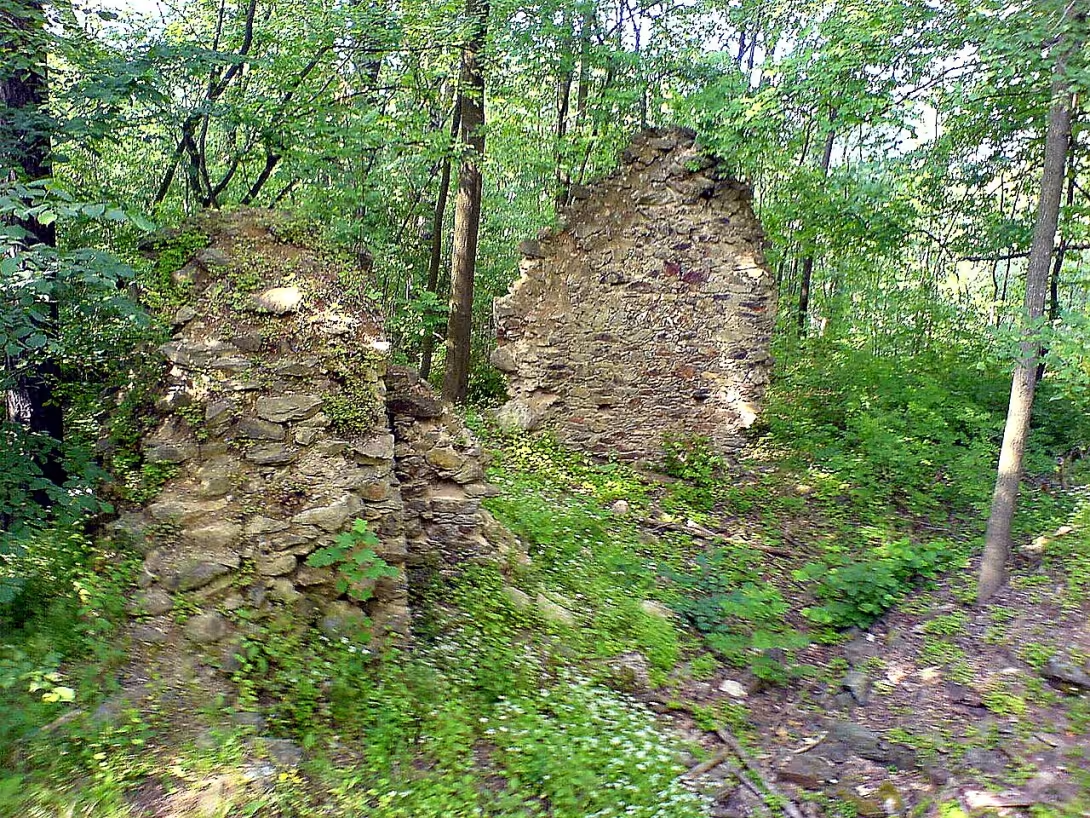
Pušperk is a medieval ruin situated on Na Pušperské skále hill, built around 1260. Strategically located, it connected Czech lands with Bavaria and has a rich history of ownership and events.
The first written record of Pušperk dates back to 1266, when Jaroš ze Slivna owned the castle, participating in the Battle of Kressenbrunn alongside King Přemysla Otakar II. It is believed that Jaroš founded the castle around 1260 and named it Fuchsberg after his coat of arms featuring a fox. The hill's location was significant, as it stood near an ancient trade route connecting Czech lands with Bavaria.
Throughout its history, Pušperk changed hands numerous times. In the 14th century, Hroznatovci owned the castle, including Bušek z Pušperka, first mentioned in 1339. Later, Ctibor Tlam and his son Racek z Pušperka were the owners. After Jan z Pušperka's death, Jonáš, a Prague-based Jew, acquired the castle but died before 1390, leaving it to King Václav IV.
The ruin has a complex history of construction and destruction. The original castle was built around 1260, with subsequent rebuildings and renovations throughout its history. Today, the site features unique architecture, including a 14th-century donjon. In the past, a chapel dedicated to St. Wenceslas stood on the site.
The surrounding landscape is characterized by rolling hills and forests, with the nearby town of Poleně and the Klatovy region. During its time of origin, Pušperk played a significant role in connecting Czech lands with Bavaria, as Europe experienced the rise of the Holy Roman Empire.
Today, the ruin is accessible to visitors, offering a glimpse into the past. The site's rich history and unique architecture make it an attractive destination for those interested in medieval history and culture.
Then and now
Drag the slider to compare how the landmark may have looked when it was built with the view today.
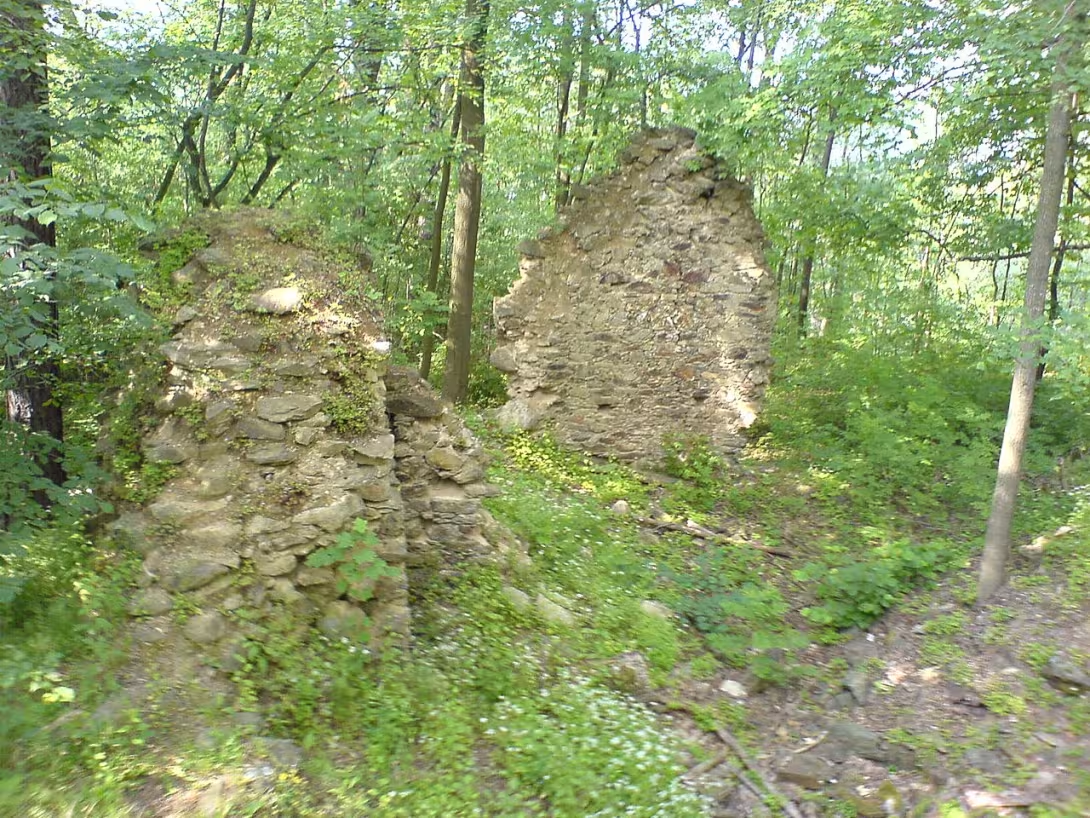
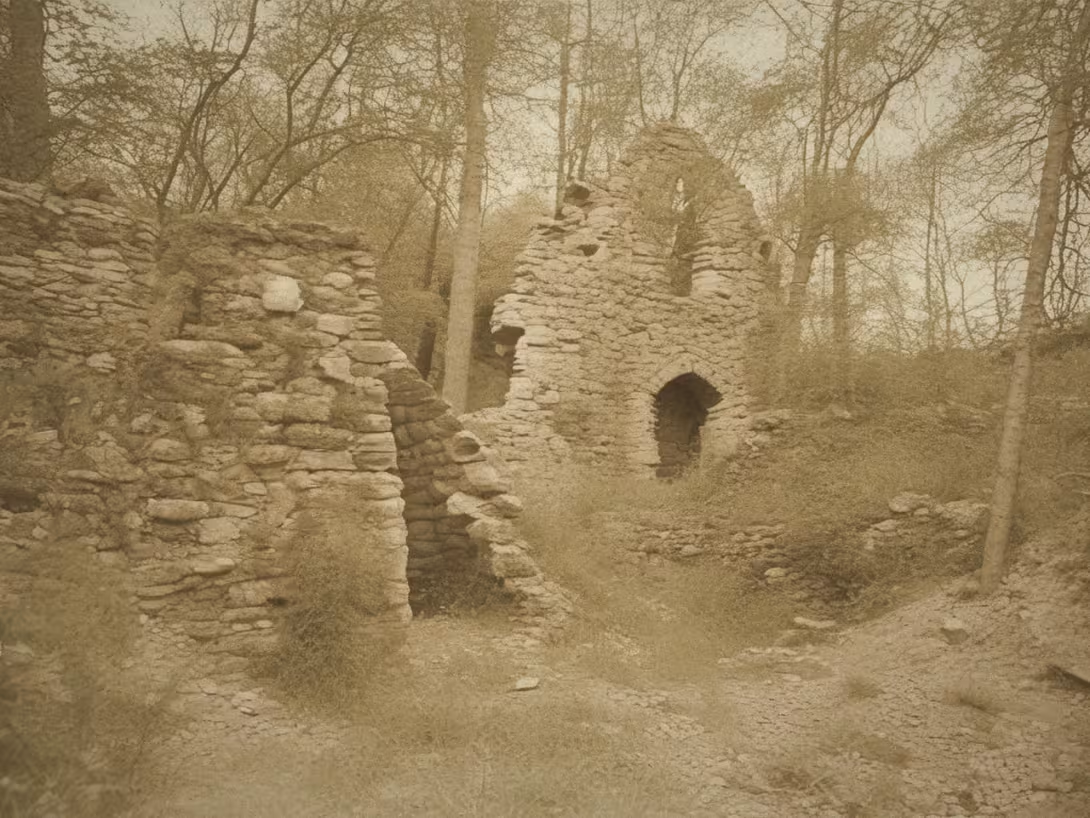
The historical appearance on the left is an AI-generated visualisation and serves as inspiration only.
Historical milestones
- 1260
- Pušperk was built
- 1266
- First written record of Pušperk dates back to this year
- 1339
- Bušek z Pušperka was first mentioned
- 14.0
- Hroznatovci owned the castle (approx.)
Architectural development
The ruin has a complex history of construction and destruction, with the original castle built around 1260. It was rebuilt and renovated multiple times throughout its history.
Historical events
1266: First written mention of Pušperk; 1339: Bušek z Pušperka mentioned; 1378: Ctibor Tlam mentioned; 1390: Jonáš becomes owner; 1411: Renvald z Ustupenic dies
Owners
Jaroš ze Slivna
Bušek z Pušperka
Ctibor Tlam
Jan z Pušperka
Jonáš
Renvald z Ustupenic
Svojše z Ustupenic
Dobeš a Hynek z Ustupenic
Ofka
Points of interest
Here are 3-5 lesser-known or surprising facts about the Czech historical landmark Pušperk:
– Despite its strategic location, Pušperk was abandoned and left to ruin after the 14th century, with no significant events recorded until the 20th century.
– The original castle built around 1260 was likely a wooden structure, which was later replaced by stone walls in the 13th century. Today's ruin is a result of centuries of destruction, reconstruction, and neglect.
– A small chapel dedicated to St. Wenceslas once stood on the site, but its exact location and fate remain unknown. Archaeologists have found evidence of a medieval settlement nearby, suggesting that Pušperk was part of a larger community.
– The hill where Pušperk is situated has been an important landmark for centuries, with ancient trade routes crossing it. In fact, the name "Pušperk" might be derived from the German word "Fuchsberg," meaning "fox hill," which could refer to the castle's original owner Jaroš ze Slivna's coat of arms featuring a fox.
– Despite its rich history and cultural significance, Pušperk remains relatively unknown outside of Czech circles. It is an off-the-beaten-path destination for those interested in medieval history and architecture.
Guide
This guide is narrated by a synthetic voice generated by artificial intelligence.
Show guide text
This text was created by artificial intelligence and has not been editorially reviewed. It may contain inaccuracies.
Welcome to Pušperk, a medieval ruin located on the hill Na Pušperské skále. As you stand before this historic landmark, take a moment to absorb the atmosphere and let your eyes wander across the ruins.
Built around 1260, Pušperk served as a strategic location connecting Czech lands with Bavaria. Its rich history is filled with stories of owners and events that shaped the course of European history. Take a look at the original structure, now in ruin, but still boasting impressive stone walls and towers.
As you gaze upon the ruins, imagine the countless battles fought on this very ground, the whispers of medieval knights, and the echoes of laughter from long-forgotten feasts. The first written record of Pušperk dates back to 1266, and since then, it has been owned by various families, including the Hroznatovci and the Bušek z Pušperka.
Notice the intricate details on the stone walls, the remnants of a once-magnificent castle. Take a closer look at the architecture – you might spot some unique features that set Pušperk apart from other medieval ruins.
One fascinating story surrounding Pušperk is its abandonment in the 14th century. Despite its strategic location, the castle was left to ruin, with no significant events recorded until the 20th century. What could have led to such a drastic change? Perhaps it's a mystery waiting to be unraveled...
As you explore this ancient site, you might stumble upon some of the notable figures associated with Pušperk, like Jaroš ze Slivna or Ctibor Tlam. Their stories are woven into the fabric of this place, adding depth and complexity to its history.
Before we part ways, take a moment to appreciate the serenity that surrounds you. The wind whispers secrets through the trees, and the sun casts shadows across the ruins. Pušperk may be a relic of the past, but it still holds an undeniable charm.
As you conclude your visit, remember that there's always more to discover about this enigmatic landmark. Take with you the memories of this experience and let them inspire you to explore further. Farewell for now, and thank you for joining me on this journey through time!
Tips for visitors
Best Time to Visit: The best time to visit Pušperk is during the spring and autumn seasons, when the weather is mild and the surrounding landscape is particularly beautiful. Avoid visiting during peak summer months as the ruin can get quite hot and crowded.
Frequently asked questions
Can the monument be visited?
This is a ruin. Such sites are often freely accessible, but some can only be visited with a guide or are closed for safety reasons. We have not verified the current situation – take care and respect any restrictions.
Where is the monument?
Location: Pušperk, Plzeňský kraj. The map on this page shows the exact spot.
Why is the monument protected?
It is listed in the Central List of Cultural Monuments of the Czech Republic as a cultural monument (register no. 45525/4-3252).
Businesses nearby
Do you run a restaurant, accommodation, shop, museum, rental, wellness or other visitor service near this monument? Show yourself directly to the people heading to it — this is how they will see you in the app and on the web:
Events nearby
Zdroj akcí: otevřená data měst a obcí ČR (Národní katalog otevřených dat) a kalendář akcí Národního památkového ústavu.
Nearby
The surrounding landscape features rolling hills and forests, with the nearby town of Poleně and the Klatovy region.
Accommodation nearby
Themed route
Tematická výletní trasa Pušperk
Stop 1: Poleně Town Centre Type: Historic town square Why visit: Experience the charm of a traditional Czech town, with its well-preserved architecture and lively atmosphere.
Stop 2: Klatovy Region Countryside Type: Scenic drive Why visit: Enjoy the picturesque rolling hills and forests that surround Pušperk, offering breathtaking views and a sense of tranquility.
Stop 3: Pušperk Ruins (Pušperk) Type: Archaeological site Why visit: Explore the remains of this medieval castle, which offers insight into the region's rich history and cultural heritage.
This thematic route takes you on a journey through the charming town of Poleně, the picturesque countryside of the Klatovy Region, and finally to the historic ruins of Pušperk. With its unique blend of culture, nature, and history, this route is sure to leave you with lasting memories.
Seasonal recommendations
Spring
What's special: As the snow melts, the ruin takes on a serene quality, surrounded by blooming flowers and greenery. The gentle spring breeze carries the sweet scent of blossoms, creating an idyllic atmosphere.
Practical tips: Arrive early to avoid crowds, and dress in layers for unpredictable weather. The best time to visit is during the morning or late afternoon when the sun casts a warm glow on the ruin.
Summer
What's special: Warm sunshine illuminates the ruin, highlighting its intricate stonework. The lush greenery surrounding Pušperk creates a natural amphitheater, perfect for picnics and relaxation.
Practical tips: Be prepared for larger crowds during peak summer hours. Wear comfortable shoes and clothing suitable for outdoor activities.
Autumn
What's special: The golden light of autumn casts a warm glow on Pušperk, as leaves turn vibrant shades of orange and red. The air is crisp and cool, carrying the scent of ripe fruit and woodsmoke.
Practical tips: Visit during the week to avoid weekend crowds. Dress in layers for changing temperatures, and consider bringing a picnic lunch to enjoy amidst the autumn foliage.
Winter
What's special: Pušperk takes on a mystical quality under the soft glow of winter lights. The snow-covered ruin is a serene oasis, surrounded by frosty silence.
Practical tips: Visit during shorter daylight hours for a more peaceful experience. Dress warmly and wear sturdy shoes suitable for snowy or icy conditions. Arrive early to avoid longer lines at the entrance.
Visualizations and artistic views


The visualisations are generated by artificial intelligence and serve as inspiration.
Photos from the area
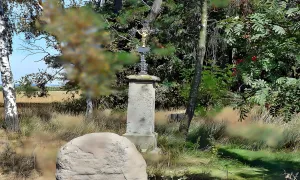
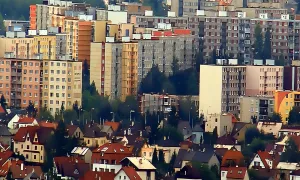
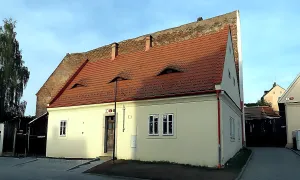
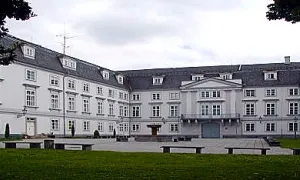
Real photos taken near the monument


Zdroj a licence jsou uvedeny u každého snímku.
Tips from visitors
No tips yet. Be the first!
Log in and add your tip.
Sources and literature
Photos: Navpoint / CC BY 3.0 — Wikimedia Commons. The author and licence also appear when you hover over the image.
Faktickým podkladem tohoto textu byl článek na Wikipedii, jehož autory jsou přispěvatelé Wikipedie. Článek je dostupný pod licencí CC BY-SA 4.0.
Location on the map
More monuments – Pušperk
Show all in the municipality

Fotografie návštěvníků
Zatím žádné fotografie. Buďte první, kdo přidá fotografii z návštěvy!
Log in a přidejte svou fotografii nebo hodnoťte.
Za ověřenou návštěvu v aplikaci získáte víc bodů — poznáme podle GPS, že jste na místě.
Reviews and comments