






Pustý zámek Ruin
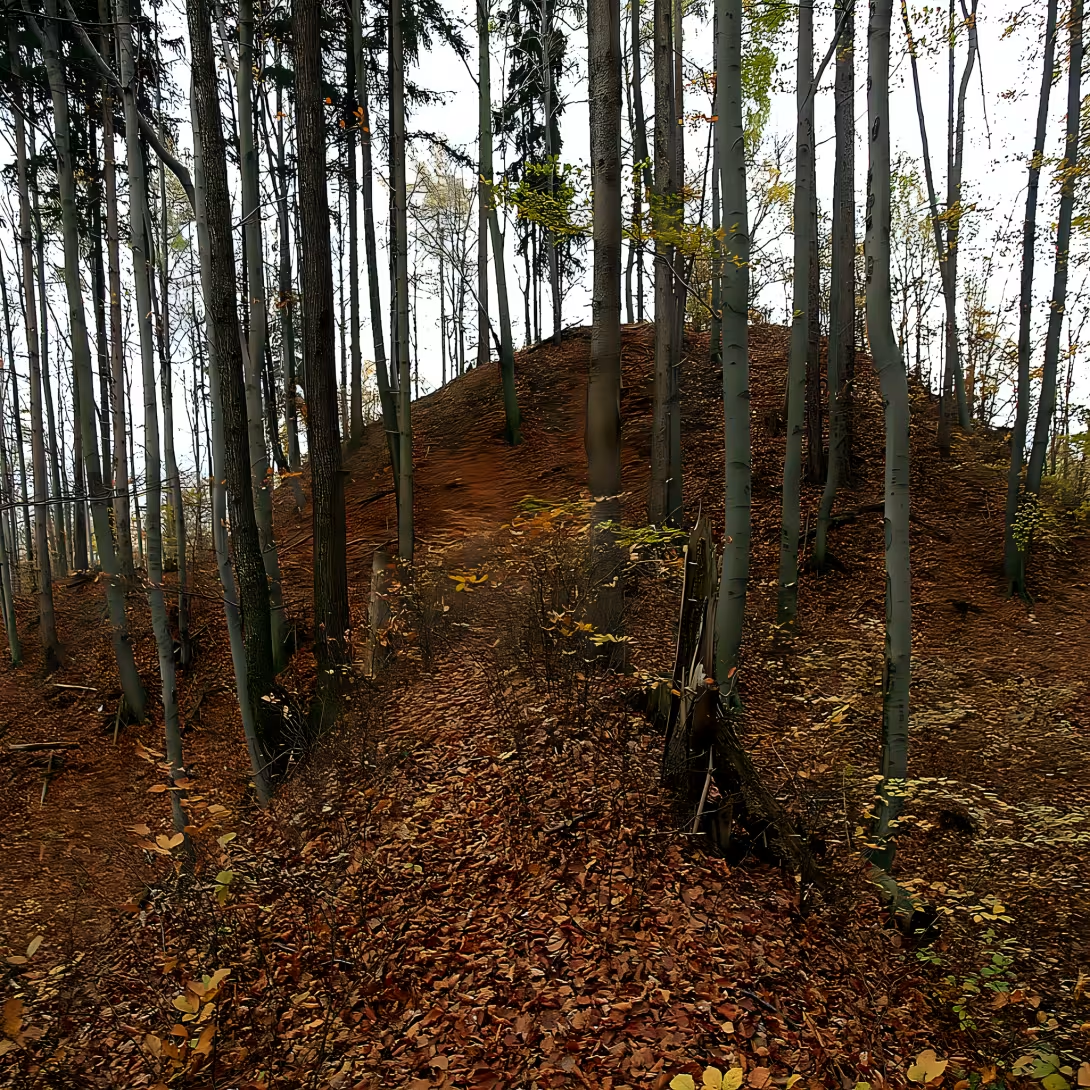
The chateau Pustý zámek used to stand in the Crac Valley southwest of Javorník in a landscape that was strategically interesting for the control of space. Since 1993 it has been protected as a cultural monument of the Czech Republic.
There were no written references to the object itself to illuminate its purpose or history. Scientists therefore rely on physical evidence and the logic of its location to reconstruct its fate. The view from its position to the Silesian plain suggests that it served as an observer for the nearby chateau of Rychleby, which could thus have had an extended network of surveillance posts. The findings of medieval ceramics reveal that the object existed in the first half of the 14th century, although it will disappear from all records in later times.
The appearance of the chateau was archaic, built for practical rather than fame. He stood on a very steep rock ridge, which in itself served as his greatest defense. The floor plan took the form of a horseshoe with walls approximately 30 and 26 metres long. The northern and eastern sides were protected by sharp collisions that made access from these directions almost impossible. In the south and west, instead of natural terrain, they dug a ditch that did not lead the bridge - enemies would not have been given access. Only on the west side was preserved the field bench, which connected the chateau to the surrounding area and served as an access route. This path was protected by a further moat and a palisade of stakes. At the north end of the terrace, perhaps the entrance to the building itself used to be.
The internal structure can only be estimated. The base of the chateau was bordered by walls made of designed stones. The nearby unknown installation was built from wood or from a mixture of wood and clay, which was typical of archaic fortifications. On the west side, a square pit of 2.4 times 2.5 meters was preserved - probably the remains of a building or warehouse, its exact destination is no longer known.
Pustý zámek represents a time when fortifications were not of beauty, but of smart choice of place and simple, efficient design. Without written sources, his fate will remain a mystery, but this silent testimony alone makes him interesting for all who seek the traces of the Middle Ages in the landscape.
Then and now
Drag the slider to compare how the landmark may have looked when it was built with the view today.
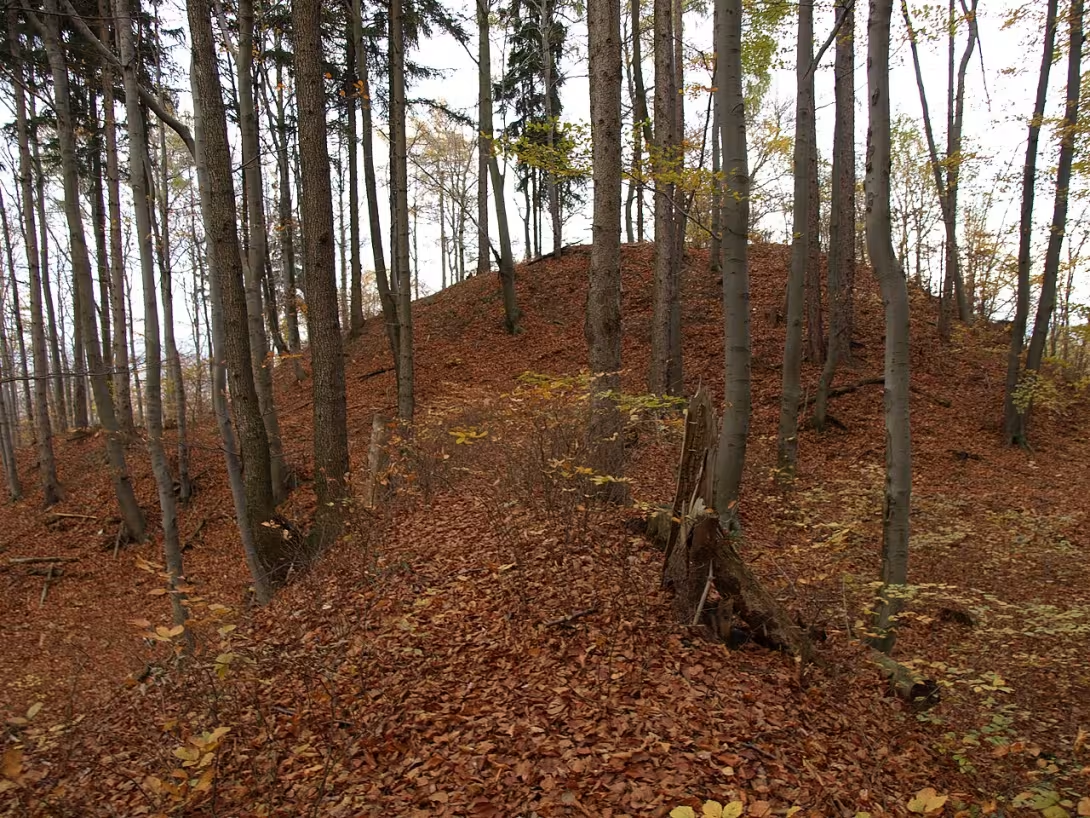

The historical appearance on the left is an AI-generated visualisation and serves as inspiration only.
Architectural development
The chateau floor plan took the form of a horseshoe with axes 30 and 26 meters. The north and east sides were protected by steep cliffs, while there was trench protection in the south and west. The chateau was not accessible by the bridge, but it connected the terrain bench to the surrounding area. The entrance to the building was located at the north end of the half-moon terrace protected by a moat and a palisade.
Historical events
- First half of the 14th century
- Existence of an object dated ceramic.
Points of interest
- Chateau Pustý zámek stood in the Crac Valley southwest of Javorník and was strategically important for the control of space.
- Since 1993 it has been protected as a cultural monument of the Czech Republic.
- The view from its position to the Silesian plain suggests that it served as an observer for the chateau of Speedleby.
The discovery of medieval ceramics reveals that the object existed in the first half of the 14th century.
- The design of the chateau was archaic and built more for practicality than fame, with defensive elements like steep cliffs and moat.
Guide
This guide is narrated by a synthetic voice generated by artificial intelligence.
Show guide text
This text was created by artificial intelligence and has not been editorially reviewed. It may contain inaccuracies.
Pustý zámek is a ruins of a castle that stood in Račí údolí, southwest of Javorník. Since nineteen ninety-three, it has been protected as a cultural monument of the Czech Republic.
No written records have been preserved about this castle. We know only what the terrain and archaeological findings have revealed. The pottery discovered here dates the existence of the castle to the first half of the fourteenth century. From its location, there was a view into the Silesian plain, and therefore the castle probably served as an observation post for the nearby castle Rychleby.
The castle stood on a steep rocky ridge and its appearance was probably archaic. Its ground plan had the shape of a horseshoe with dimensions of thirty and twenty-six meters. From the north and from the east it was protected by steep cliffs, from the south and from the west by a ditch. No bridge led across the ditch. Only a terrain terrace on the western side connected the castle to the surrounding area. Behind it, a terrace in the shape of a crescent stretched toward the north. An access path ran along it, protected not only by the ditch but also by a palisade. The entrance to the castle was at the northern end of the terrace.
The core of the castle was probably bounded by a wall made of piled stones. The structures inside were made of wood, or alternatively of wood and clay. We do not know exactly how they looked. On the western side, a rectangular pit measuring two point four by two point five meters has been preserved.
Tips for visitors
The best time to visit the Hollow Chateau is in the early spring or late autumn period, when vegetation is less dense and sunlight brings beautiful shading to rock ridges. This time of year also offers a quieter environment without large crowds of tourists.
We recommend checking the current possibilities of online transport.
It is advisable to bring comfortable shoes when visiting, because the terrain is steep and not always straight. Fill your bag with drinking water, sun protection and perhaps some sprinkler or handkerchief for warmer days.
The best place for photography is at the very top of the rock ridge, where the view of the surrounding landscape opens. The best light for photography is early morning or late afternoon, when light is softer and shading is more attractive.
In the vicinity of the Hollow Chateau there is the Crac Valley, which offers beautiful walks along the forest trails. For families with children it is an ideal place to explore nature and perhaps visit a local pond located nearby.
Frequently asked questions
Can the monument be visited?
This is a ruin. Such sites are often freely accessible, but some can only be visited with a guide or are closed for safety reasons. We have not verified the current situation – take care and respect any restrictions.
Where is the monument?
Location: Zálesí, Olomoucký kraj. The map on this page shows the exact spot.
Why is the monument protected?
It is listed in the Central List of Cultural Monuments of the Czech Republic as a cultural monument (register no. 12523/8-3531).
For kids
Imagine going back to the past... Until this empty chateau was still full of life and sparkling activity. Who lived here? Who rules here? And what happened here?
It was like in a game where heroes and princesses met in secret meetings and planned attacks on dangerous walls. At least this is what it looked like when you were standing in the middle of this Gothic chateau that was built in 1400.
Businesses nearby
Do you run a restaurant, accommodation, shop, museum, rental, wellness or other visitor service near this monument? Show yourself directly to the people heading to it — this is how they will see you in the app and on the web:
Nearby
The surrounding landscape is characterized by its natural wealth and other historical monuments.
Accommodation nearby
Themed route
Thematic cruise route around the Hollow Chateau
1. Pustý zámek (ruin) * Type: * Historical landmark * Why is it worth a visit: * This romantic ruin in the village Zálesí offers a unique view of history and nature. It is an ideal place for those who love history and want to enjoy a quiet moment in the middle of a picturesque region.
2. Forest trail around the chateau * Type: * Natural trail * Why is it worth a visit: * A short walk along the forest path leads around the chateau and offers an opportunity to explore the wild nature of the surroundings. It's a great way to dive into peace and relax your mind.
3. Old vineyards in Zálesí * Type: * Historical vineyards * Why is it worth visiting: * These ancient vineyards are witnessing a rich wine-growing tradition area. Visiting them means going into the past and understanding the importance of wine-growing for the local community.
4. Chapel at Zálesí * Type: * Religious monument * Why is it worth a visit: * Chapel is a place of quiet rest and prayer that offers a view of the surrounding countryside. It's an ideal stop for those looking for a moment of reflection during their trip.
5. Naves of the municipality Zálesí * Type: * Local center * Why is it worth a visit: * Naves is the heart of the village and offers the opportunity to explore local culture, stop at one of the picturesque restaurants or buy souvenirs. It's a great way to close your trip and celebrate adventure.
This route offers a combination of history, nature and local culture, making it ideal for a day trip.
Seasonal recommendations
Spring: During the spring season, the barren chateau in Zálesí receives unique lighting, when the sun's rays intertwine with shadows of old walls and wooden leaves. This is the time when nature wakes up from winter and surrounds the ruin with a living rose flower and a newly growing bush. The atmosphere is calm because the crowds are less than in the summer months. For a visit here is recommended clothing suitable for mild weather with the possibility to add a warm layer because the spring climate can be variable. The best time to visit is in the early afternoon or evening period, when the sun lights up the ruins and nature takes color.
Summer: For years, a deserted chateau becomes a popular destination for visitors seeking escape into a quiet environment. The sunlight illuminates every cliff and vault, creating a dramatic effect on ancient constructions. Nature is full of life with flowering bush and green leaves that provide a romantic atmosphere to the chateau. This season may be a ruin of visitors, so it is advisable to come early in the morning or later in the evening to avoid the peaks. Light clothes and sun protection such as hats and perfumes are recommended because summer brings warm and sunny weather.
Autumn: In autumn, the ruins of Zálesí melancholic beauty take place when tree leaves turn colour into hot shades. The sunny dawn and long evenings provide an atmosphere of magic and peace that is perfect for relaxation or photographic projects. Nature here looks like a canvas, which makes the visit attractive despite the slightly falling weather. Clothes should be suitable for colder temperatures and the possibility to add warm layers because autumn weather can suddenly be cold. The best times to visit are in the early afternoon or evening period when the temperature is pleasant and the atmosphere is calm.
Winter: Winter visits to a deserted chateau receive a unique tone thanks to the freezing lighting that highlights the structure and history of ruins. When snow lays on ancient walls, it creates views full of peace and mystery. The atmosphere is affected by cool air and less visitors, allowing for more intense experience. When planning a visit we recommend warm clothes, including jackets and gloves, because winter weather can be extremely cold. Opening times usually fall, so it is advisable to come early in the morning or to check the current opening times.
Visualizations and artistic views


The visualisations are generated by artificial intelligence and serve as inspiration.
Photos from the area
Real photos taken near the monument


Zdroj a licence jsou uvedeny u každého snímku.
Atmosphere of the place
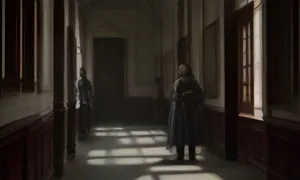
This atmospheric visualisation of the place and period was generated by artificial intelligence. It is not real footage of the location.
Tips from visitors
No tips yet. Be the first!
Log in and add your tip.
Sources and literature
Photos: Skokpe / CC BY-SA 4.0, rozlišení zvýšeno umělou inteligencí — Wikimedia Commons. The author and licence also appear when you hover over the image.
Faktickým podkladem tohoto textu byl článek na Wikipedii, jehož autory jsou přispěvatelé Wikipedie. Článek je dostupný pod licencí CC BY-SA 4.0.
Location on the map
Příběhy a pověsti
Legendy, pověsti a příběhy spjaté s touto památkou
Fotografie návštěvníků
Zatím žádné fotografie. Buďte první, kdo přidá fotografii z návštěvy!
Log in a přidejte svou fotografii nebo hodnoťte.
Za ověřenou návštěvu v aplikaci získáte víc bodů — poznáme podle GPS, že jste na místě.
Reviews and comments