



Rájec Other
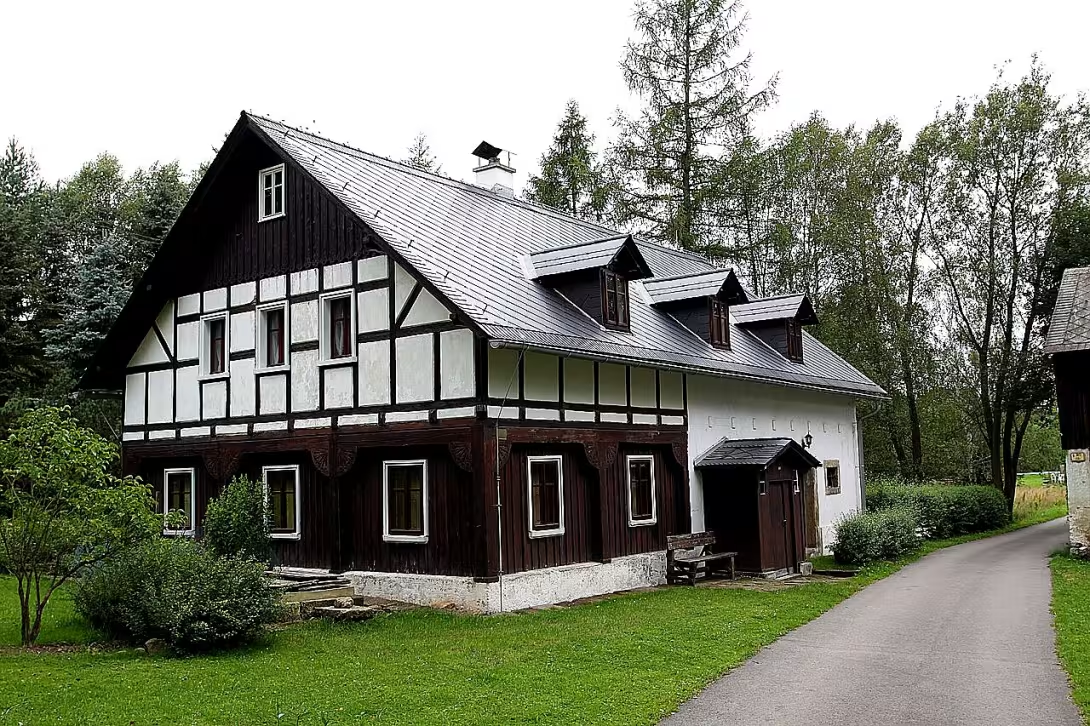
Rájec is a historical site in Tisá municipality, Ústecký kraj, Czech Republic. Its significance stems from complete devastation during the Thirty Years' War and gradual resettlement starting in 1653. The area is known for its natural beauty, including protected landscapes like Labské pískovce and the Rájecká rašeliniště nature reserve. Notable linden trees and a nearby small lake make it attractive to history enthusiasts and nature lovers.
The historical context of Rájec is deeply linked with the Thirty Years' War, where Bohemia was central in Europe's religious conflicts. This period significantly impacted the region’s demographics and economy, leading to widespread destruction. Rájec itself was completely devastated during this time. Resettlement efforts began its recovery process in 1653, bringing back 85 inhabitants.
Over the centuries following its devastation, Rájec experienced gradual growth. By the end of the 18th century, it had developed into a community with 44 houses, expanding to sixty by a hundred years later. The local economy was supported by industries such as a button factory in Tisá and forestry work, contributing to the area's development.
Rájec is also known for its natural attractions that draw visitors from near and far. The protected landscape of Labské pískovce and the Rájecká rašeliniště nature reserve are significant highlights. Additionally, two notable linden trees, Lípy v Rájci, located near a former border crossing, enhance its appeal for climbers and outdoor enthusiasts.
The area is particularly popular among climbers due to its pisekovec rock formations. Notable climbing sites include Sokolí věž and Blíženci, attracting climbers from both the Czech Republic and Germany. The first documented climbing route on Bumbrlíček tower was made in 1905 by Walter Lehmann and Richard Finke, marking an important moment in the site's recreational history.
Today, Rájec remains a place of interest due to its blend of historical significance and natural beauty. Visitors can explore remnants of its past while enjoying scenic landscapes. The area is accessible and offers a unique opportunity to experience both Czech and German cultural influences, given its proximity to the border. Its combination of history and nature makes Rájec a worthwhile destination for those interested in exploring Central European heritage.
Rájec stands as a testament to resilience and recovery, offering insights into the region's turbulent past while providing serene natural beauty for contemporary visitors. It invites exploration and appreciation from anyone intrigued by its historical narrative and stunning landscapes.
Historical milestones
- 1618-1648
- Devastation during the Thirty Years' War
- 1653
- Resettlement efforts began with 85 inhabitants
- konec 18. století
- Community developed into 44 houses
- 19. století, konec
- Expansion to sixty houses
- 1905
- First documented climbing route on Bumbrlíček tower
Architectural development
The settlement saw growth over centuries, from 44 houses at the end of the 18th century to sixty by a hundred years later. The local economy was supported by industries such as a button factory in Tisá and forestry work.
Historical events
During the Thirty Years' War, Rájec was completely devastated.
Resettlement of Rájec began in 1653 with 85 inhabitants recorded.
Points of interest
- Despite its devastation during the Thirty Years' War, Rájec was resettled as early as 1653 with a mere 85 inhabitants, showcasing an impressive resilience and determination to rebuild.
- The area's natural beauty is highlighted by two notable linden trees, Lípy v Rájci, which have become a symbol of endurance and continuity amidst historical upheavals.
- Climbing enthusiasts are drawn to the pisekovec rock formations in Rájec, with Sokolí věž and Blíženci being popular sites. The first recorded climbing route on Bumbrlíček tower was established in 1905 by Walter Lehmann and Richard Finke.
- The region's economic recovery post-devastation included the establishment of a button factory in Tisá, illustrating how local industries played a crucial role in revitalizing Rájec’s economy over the centuries.
- Rájec's proximity to the Czech-German border has fostered a unique cultural blend, attracting visitors interested in experiencing both Czech and German influences within a historically rich setting.
Guide
This guide is narrated by a synthetic voice generated by artificial intelligence.
Show guide text
This text was created by artificial intelligence and has not been editorially reviewed. It may contain inaccuracies.
Welcome to Rájec, a charming settlement nestled within the municipality of Tisá in Ústecký kraj. As you stand here, take a moment to absorb the serene beauty surrounding you. The air is crisp and invigorating, carrying with it whispers of history from this picturesque location perched at an elevation of 485 meters near the Czech-German border.
Rájec's story begins during one of Europe’s most tumultuous periods—the Thirty Years' War, which ravaged the region between 1618 and 1648. This devastating conflict left Rájec in ruins, a silent testament to the war's destructive power. Yet, from these ashes rose an indomitable spirit. By 1653, just five years after peace was restored, the first settlers began returning, determined to rebuild their lives with only 85 inhabitants initially. Over time, this resilient community expanded; by the end of the 18th century, it had developed into a settlement of 44 houses and continued growing into sixty houses by the late 19th century.
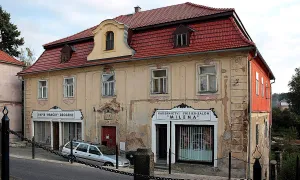
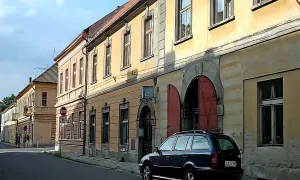
As you look around, notice how the architecture here speaks volumes about its history. The homes are modest yet inviting, reflecting both the challenges faced during resettlement and the enduring spirit of those who rebuilt them. While specific architectural styles aren't documented, each building tells a story of perseverance and hope.
Rájec's resilience is further highlighted by an intriguing piece of local lore: despite being devastated in the Thirty Years' War, it was resettled remarkably early. This remarkable comeback showcases not just human tenacity but also a deep connection to this land.
Now, shift your gaze to one of Rájec’s natural treasures—the Lípy v Rájci, two majestic linden trees that stand as symbols of the area's beauty and history. These ancient sentinels have witnessed centuries pass by and continue to captivate visitors with their grandeur.
As you continue exploring, imagine the thrill experienced by climbers in 1905 when they first ascended Bumbrlíček tower. This moment marked a new chapter for Rájec, intertwining its natural splendor with human adventure.
Before we part ways, I invite you to take your time and explore further. Let yourself wander through this settlement where history and nature blend seamlessly. Whether it's the stories etched in the walls of these houses or the tranquil beauty of the surrounding landscape, there is much to discover here.
Thank you for visiting Rájec. May your journey continue with curiosity and wonder.
Tips for visitors
The best time to visit Rájec is during the late spring or early autumn months, from May to September. During this period, the weather is typically mild and pleasant, making it ideal for exploring the surrounding landscapes and climbing sites like Sokolí věž and Blíženci.
Public transportation options are also accessible; you can use regional buses that connect Tisá with nearby towns. For specific routes and schedules, consult a local transport app or website.
When visiting Rájec, it's recommended to bring comfortable walking shoes, especially if you plan on exploring hiking trails or climbing sites. Don't forget essentials like water, snacks, sunscreen, a hat, and perhaps a camera for capturing the stunning landscapes. If you're interested in climbing, ensure you have appropriate gear if planning to engage in this activity.
For photography enthusiasts, some of the best spots include Sokolí věž and Blíženci, particularly during sunrise or late afternoon when the light is softer and more dramatic. The natural rock formations provide unique backdrops for landscape shots. Be mindful of the lighting conditions; early morning often offers a golden hue that enhances the textures of the rocks and surrounding nature. Additionally, capturing images from different elevations can offer varied perspectives of the scenic vistas.
Nearby attractions within a 30-minute drive include the picturesque village of Tisá itself, which offers charming local shops and cafes for a relaxing break. For those interested in history and culture, consider visiting nearby castles or historical sites that are accessible by road. These locations provide insight into the region's rich heritage.
Frequently asked questions
Can the monument be visited?
We have not verified whether this monument is accessible. Please ask the owner or operator, or the local municipal office.
Where is the monument?
Location: Tisá, Ústecký kraj. The map on this page shows the exact spot.
Businesses nearby
Do you run a restaurant, accommodation, shop, museum, rental, wellness or other visitor service near this monument? Show yourself directly to the people heading to it — this is how they will see you in the app and on the web:
Nearby
The area features protected landscapes and nature reserves such as Labské pískovce and Rájecká rašeliniště. It is also known for its climbing sites like Sokolí věž and Blíženci, attracting climbers from both Czech Republic and Germany.
Accommodation nearby
Trips and activities nearby
Guided tours, tickets and activities nearby from GetYourGuide
Affiliate link: if you buy from the partner, we may receive a commission. The price for you does not change.
Search tours and activities →Themed route
Tematická Výletní Trasa: Obec Tisá a Rájec
1. Rájec - Typ: Historické zámky a parky - Proč stojí za návštěvu: Rájec je slavný svou impresivní architekturou a rozsáhlým parkem, který nabízí krásné procházky. Zámek s jeho bohatou historií přitahuje návštěvníky hledající kulturu a klid.
2. Sokolí věž - Typ: Klimbing site - Proč stojí za návštěvu: Sokolí věž je oblíbeným místem pro lyžaře, kteří hledají vzrušující terény. Je známá svou jedinečnou geologií a výhledy na okolní krajinu, což ji činí lákavou destinací pro sportovce i turisty.
3. Blíženci - Typ: Klimbing site - Proč stojí za návštěvu: Blíženci nabízí další vzrušující možnosti pro lyžaře, s různorodými úrovněmi obtížnosti. Tato lokalita je oblíbená díky svému přístupu a výhledům na Labské pískovce, což ji činí ideálním místem pro celodenní akci.
4. Labské pískovce - Typ: Protected landscape - Proč stojí za návštěvu: Labské pískovce jsou známé svými jedinečnými geologickými tvary a přírodní krásou. Tato oblast je ideální pro těch, kteří chtějí prozkoumat přírodu na chůzi nebo cyklistice, nabízející klidné útočiště v malebném prostředí.
5. Rájecká rašeliniště - Typ: Nature reserve - Proč stojí za návštěvu: Rájecká rašeliniště je chráněnou přírodní rezervací, která nabízí jedinečné ekosystémy a biodiverzi. Je to ideální místo pro milovníky přírody, kteří chtějí poznat místní flóru a faunu v klidném prostředí.
Tato trasa nabízí kombinaci kulturních zážitků a přírodní krásy, idealizovanou pro různé typy návštěvníků.
Seasonal recommendations
Spring: Visiting Rájec (ostatní) during spring offers a unique experience as the landscape bursts into life with vibrant colors and fresh blooms, creating an enchanting atmosphere perfect for nature enthusiasts. The longer daylight hours provide ample time to explore the historical site without feeling rushed. However, early mornings or late afternoons are ideal times to avoid larger crowds that gather in this popular season. Dress comfortably in layers as temperatures can fluctuate; a light jacket may be needed during cooler mornings and evenings.
Summer: The summer months at Rájec (ostatní) bring warm weather and extended daylight, making it an excellent time for outdoor exploration of the historical site. The lush greenery and blooming flowers enhance the natural beauty surrounding the area, offering picturesque views. However, this is also peak tourist season, so arriving early in the day can help avoid crowds. Light, breathable clothing along with sunscreen and a hat are recommended to stay comfortable during your visit.
Autumn: In autumn, Rájec (ostatní) transforms into a tapestry of warm hues as leaves change color, providing a stunning backdrop for visitors. The cooler temperatures make it an ideal time for leisurely walks through the site without the summer heat. While there are fewer tourists compared to summer, some events may attract local crowds, so planning your visit on weekdays can offer a more peaceful experience. Layered clothing is advisable as mornings and evenings can be quite chilly.
Winter: Visiting Rájec (ostatní) in winter offers a serene and quiet atmosphere with snow often blanketing the landscape, adding a magical touch to the historical site. The shorter days mean that visiting hours are limited, so it's best to plan your visit for midday when light is optimal. Winter attire is essential; warm clothing, including thermal layers, gloves, and a hat, will ensure comfort during your exploration. Keep in mind that some areas may be less accessible due to snow or ice, so prepare accordingly.
Visualizations and artistic views


The visualisations are generated by artificial intelligence and serve as inspiration.
Photos from the area
Real photos taken near the monument


Zdroj a licence jsou uvedeny u každého snímku.
Tips from visitors
No tips yet. Be the first!
Log in and add your tip.
Sources and literature
Photos: Chmee2 / CC BY 3.0 — Wikimedia Commons. The author and licence also appear when you hover over the image.
Faktickým podkladem tohoto textu byl článek na Wikipedii, jehož autory jsou přispěvatelé Wikipedie. Článek je dostupný pod licencí CC BY-SA 4.0.
Location on the map

Příběhy a pověsti
Legendy, pověsti a příběhy spjaté s touto památkou

Fotografie návštěvníků
Zatím žádné fotografie. Buďte první, kdo přidá fotografii z návštěvy!
Log in a přidejte svou fotografii nebo hodnoťte.
Za ověřenou návštěvu v aplikaci získáte víc bodů — poznáme podle GPS, že jste na místě.
Reviews and comments