






Rodný dům Otokara Březiny Museum building
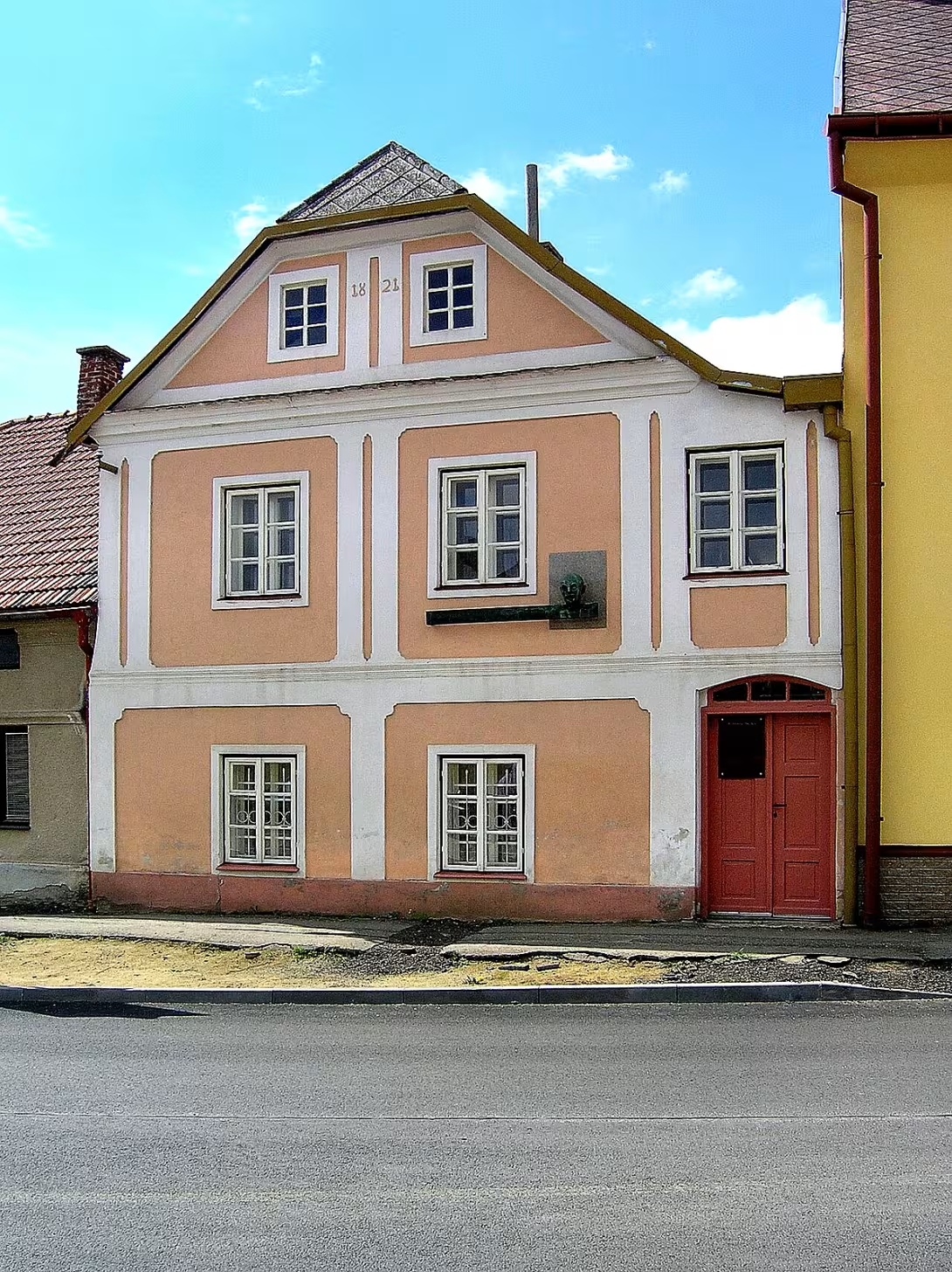
Rodný dům Otokara Březiny in Originals is a monument protected object, which serves as a museum reminiscent of the life and work of an important Czech symbol. The building is located in Březinov Street No. 224. After a comprehensive reconstruction, completed in 2013, it offers visitors a permanent exhibition divided into three rooms.
The history of the building is linked to the family of the Jebas, which purchased the building in 1821. On the ground floor there was a workshop of Father Otokar Brezina, whose original name was Václav Jebavý. There was a family apartment upstairs. The poet himself sold the house in 1890 in his 22 years, shortly after the death of both parents. The building reminded him of a family background and at that time no longer worked in the Originals.
It is an original townhouse with an operating part on the ground floor and living floor. In 2011, the overall reconstruction of the building started, which was successfully completed in 2013. This modification enabled the modern installation of a permanent exhibition under the administration of the City Museum Počátky.
The important milestone in the fate of the house was 1932, when a memorial plaque dedicated to the poet was placed on the facade. The town of Počátky purchased the building in 1945 and four years later it set up a monument to Otokar Brezina.
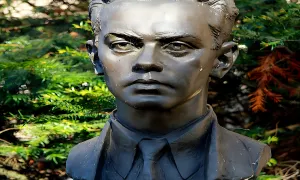
The permanent exhibition presents visitors with objects from the life of Otokar Brezina, his book and literary work. The exhibition also includes documents mapping its correspondence, death notifications and photographs. The show also covers a range of poets, including Anna Pammrová, Jakub Deml or František Bílek. Visitors can also see works of art, such as Otokar Brezina bust or ex libris, whose authors are Michael Florian, Josef Váchal and Jan Konúpek.
The House in the Originals represents a valuable testimony about the roots of one of the most important Czech poets and its links to then cultural personalities. Visiting this museum offers a unique opportunity to become familiar with the authentic environment in which Otokar Březina grew up and to look into his personal and creative legacy.
Historical milestones
- 1821
- A house bought by a family of Jebabas.
- 1890
- Otokar Březina sold the house after his parents died.
- 1945
- The city of Počátky bought the house.
- 2013
- Completion of comprehensive reconstruction and reopening of the exhibition.
Architectural development
Original townhouse with operational part on ground floor and living floor. In 2011 the house underwent extensive reconstruction, which was completed in 2013 and enabled modern installation of permanent exposure.
Historical events
1821: House purchased by the family of the Jebabas. 1949: Establishment of the Otokar Brezina memorial. 2011-2013: Complex reconstruction of the building.
Owners
The family of Jebavy (from 1821), the city of Počátky (from 1945)
Points of interest
- Rodný dům Otokara Březiny is a monument protected object that serves as a museum. - In the ground floor of the house there used to be a workshop of the father of a poet whose original name was Václav Jebavý. - Otokar Březina sold the house in 1890 in its 22 years, shortly after the death of both parents. - A commemorative plaque dedicated to the poet was placed on the facade of the house in 1932. - The permanent exhibition contains items from the life of the poet, his books, literary work, correspondence, death announcements and photographs.
Guide
Show guide text
This text was created by artificial intelligence and has not been editorially reviewed. It may contain inaccuracies.
Welcome to Origin, the quiet corner of our region, where time seems to be stopped. Right now, you're standing on Březinov Street, facing you is a modest but extremely important building. It's Otokar Březina's home. If you look at it now, you may only see a simple family house that has fallen into the rhythm of the surrounding city, but for every lover of literature and beauty, this place is a sacred source of one of the most original ways of Czech poetry. Stop for a moment, take a deep breath and feel the atmosphere of this place. Imagine that right here, in these walls, a man who dared to seek answers to the greatest questions of the universe and human existence began his journey.
Let us now return together in time to understand how history has returned to this house. It all began in 1821, when the Jebabas family bought this building. This name is the key to understanding the beginnings of a poet we now know as Otokar Březin. The house served as a typical family residence in the nineteenth century, where private life was blended with craftsmanship. At that time, this house was not a museum, but a living space full of everyday worries, the smell of skin and the sound of tools. It was a space where young Otokar's personality formed, which in this environment found peace and inspiration for his future, so deep and complex work.
Now pay attention to the building itself. Look at her facade and perceive her overall form. Although the particular architects who designed the house are not known, his appearance speaks for itself. It's a functional, sober architecture that carries the humility of the time. Notice the ground floor in particular. It is here, in the premises that lead to the exhibition today, that the shoemaker's workshop of the father of the poet, Václav Jebagý, used to work. Try to imagine the contrast that rules here. In the lower part of the house there was hard, manual work with skin and thread, while in the upper floors and in the mind of young Otokar there were dreamy paintings, metaphysical considerations and poems that had preceded their time for decades. This duality between the craft and the poetic flight is perhaps the most distinctive feature of this place.
If we think about the people involved in this house, we can't forget Otokar Brezina himself. He was a man who found a language in symbolism to express the unknowable. But his life wasn't just about writing. It was a life of searching and sometimes loneliness. The house is also associated with names of other prominent personalities such as Anna Pammrová, Jakub Deml or František Bílek. Although each of them has brought a different tone to the world of the March, they all together form a broader picture of the intellectual and spiritual stream that this house and its associated city of Počátky ask for. These are names that remind us that even in a small town, thinking with a global dimension can arise.
Now I want to take you to one of the most fascinating and sad parts of the history of this house. Something important happened in 1890. Otokar Březina, only a 22-year-old boy, had to sell the house. It was not a decision of volatility or a desire for change, but a forced step after the death of both his parents. Imagine the young poet who lost the closest people in a short time and the place that saw him grow up. The sale of a home home at this early age was probably a turning point, which confirmed it in many ways in a sense of pluck out of the world, which later reflected so strongly in its creation. It's basically a secret hidden in the data of chronology, which tells us about human fragility and the indignation of the spirit.
The house subsequently went through various stages until 1945 was purchased by the city of Počátky, which decided to preserve this valuable piece of history for future generations. The long way to today's form culminated in 2013, when a comprehensive reconstruction was completed. Thanks to it, we can enter into spaces today that are warm and respectful to the memory of the symbolist.
Now that you stand outside the house and know his story, I invite you to cross his threshold. Once you enter, you will find yourself in an exposure divided into three rooms. Each one of them is like a chapter in the book of the life of Otokar Březina. You will be able to see his personal items here to help you approach his human face. You'll see the books he read and the correspondence he communicated with the world. Note also works of art that complement the overall impression of his creation. In these areas, the history of the Jebabaš family meets the brilliant creation of a poet and thus creates a unique space for reflection and reflection.
Before I say good-bye and leave you in the silence of this monument, I suggest you look for details during the search of the inner spaces that resemble the original shuffle house. Look for a piece of craft in the space where the word rules today. It's a fascinating journey from tangible matter to immaculate ideas.
Thank you for coming through the short history of this house with me. Now it's time for you to experience everything on your own. Come in, let yourself be consumed by the world of symbols and enjoy a moment of peace in the home of one of our greatest poets. I wish you an inspiring and profound experience. I bid you farewell and leave you in the care of Otokar Březina.
Tips for visitors
The best time to visit is during the morning hours of the working week, when the exhibition is quiet and you can easily see the shoemaker's workshop as well as the poet's personal items without more excitement by other visitors.
You can reach the Originals comfortably by car, parking is possible near the historical centre. If you choose public transport, check the current connection to the city in the respective connection search engine.
For interior photography we recommend using natural light penetrating windows, which underlines the authentic atmosphere of the 19th century. Outside it is the best place for a picture of the facade of the house on Březinov Street.
In the vicinity of the monument we recommend a walk through the historic center of Počátky, which offers a picturesque atmosphere. The surrounding landscape of the Bohemian Moravian Highlands is ideal for nature lovers, which encourages easy trips.
We recommend families with children to join the visit with a walk around the city where children can discover historical elements of architecture. Due to the nature of the museum, it is advisable for children to know in advance that it is a quiet place resembling the life of a poet.
Businesses nearby
Do you run a restaurant, accommodation, shop, museum, rental, wellness or other visitor service near this monument? Show yourself directly to the people heading to it — this is how they will see you in the app and on the web:
Nearby
City Počátky, historical center of the city, surrounding landscape of the Bohemian Moravian Highlands.
Accommodation nearby
Trips and activities nearby
Guided tours, tickets and activities nearby from GetYourGuide
Affiliate link: if you buy from the partner, we may receive a commission. The price for you does not change.
Search tours and activities →Themed route
Thematic cruise route: Rodný dům Otokara Březiny
1. Rodný dům Otokara Březiny (museum) - Type: Historical Museum - Why is it worth a visit: This family house is now a museum dedicated to the life and work of Otokar Brezina. You will visit the exhibition with the authors of the poet, his personal subjects and artistic creation. It is a necessary start to understand the region's cultural heritage.
2. Historical center of town Počátky - Type: Cultural and historical location - Why it is worth a visit: The historical centre offers a view of the architecturally interesting municipal house, church and other ancient buildings. In addition, you can explore alleys with rich history and atmosphere of past times.
3. Ambient landscape of the Bohemian Moravian Highlands - Type: Natural landscaping - Why it is worth a visit: This area offers a beautiful view of landscape formations that have been a source of inspiration for many artists and writers, including the Březina. Short walks or cycling trails allow you to enjoy the quiet surroundings and natural beauty.
4. Ambient landscape of the Bohemian Moravian Highlands (long walk) - Type: Nature - Why is it worth a visit: If you like longer walks, the surrounding landscape offers an opportunity to explore wild and quiet sections of the Bohemian Moravian Highlands. It is an ideal place to relax in nature and enjoy outdoor air.
5.Historical center of Počátky (more details) - Type: Cultural experience - Why is it worth visiting: You will return to the historical centre to see the exhibition or participate in local cultural events. You can also visit the municipal house with its architectural beauty and history.
This route offers a combination of culture, history and nature, allowing you to explore the region around the Originals deeply.
Seasonal recommendations
Spring in Originals brings awakening nature and a fine, scattered light, which beautifully highlights the details of the historical house. The flowering gardens around here create a poetic atmosphere that perfectly matches the spirit of the place. We recommend wearing layered clothes because morning cooling can be surprising. The best time to visit is in the morning when the air is the cleanest and nature the most lively.
In the summer months the surroundings of the house are covered in rich green and the sun offers intense lighting of all facades. However, in the main summer season, there may be more people with exposures. That is why it is wise to arrive immediately after opening, so that you enjoy your peace and avoid the greatest heat and crowds. Don't forget the sun protection and plenty of water while walking around.
Autumn in this area offers a melancholy and deep atmosphere that is ideal for memories of the literary work of the author. The golden colours of leaves and morning fog give the memory a mysterious touch. This is the best time for visitors looking for peace and inner contemplation. Prepare waterproof shoes and warmer layers of clothing, because during this period it is wet and cold.
Zimą the landscape around the Beginning is resting under snow, creating a quiet and very intimate atmosphere. Light is weaker in these months, which gives the interior of the museum a cosy and nostalgic touch. Due to the shorter time of day and possible snow conditions, we recommend planning a visit in the morning. The need is very warm clothes and solid shoes to move in more demanding terrain.
Visualizations and artistic views


The visualisations are generated by artificial intelligence and serve as inspiration.
Photos from the area
Real photos taken near the monument


Zdroj a licence jsou uvedeny u každého snímku.
Tips from visitors
No tips yet. Be the first!
Log in and add your tip.
Sources and literature
Photos: Czech Wikipedia user Packa / CC BY-SA 3.0 — Wikimedia Commons. The author and licence also appear when you hover over the image.
Faktickým podkladem tohoto textu byl článek na Wikipedii, jehož autory jsou přispěvatelé Wikipedie. Článek je dostupný pod licencí CC BY-SA 4.0.
Location on the map

Příběhy a pověsti
Legendy, pověsti a příběhy spjaté s touto památkou
Fotografie návštěvníků
Zatím žádné fotografie. Buďte první, kdo přidá fotografii z návštěvy!
Log in a přidejte svou fotografii nebo hodnoťte.
Za ověřenou návštěvu v aplikaci získáte víc bodů — poznáme podle GPS, že jste na místě.
Reviews and comments