






Roimund Ruin
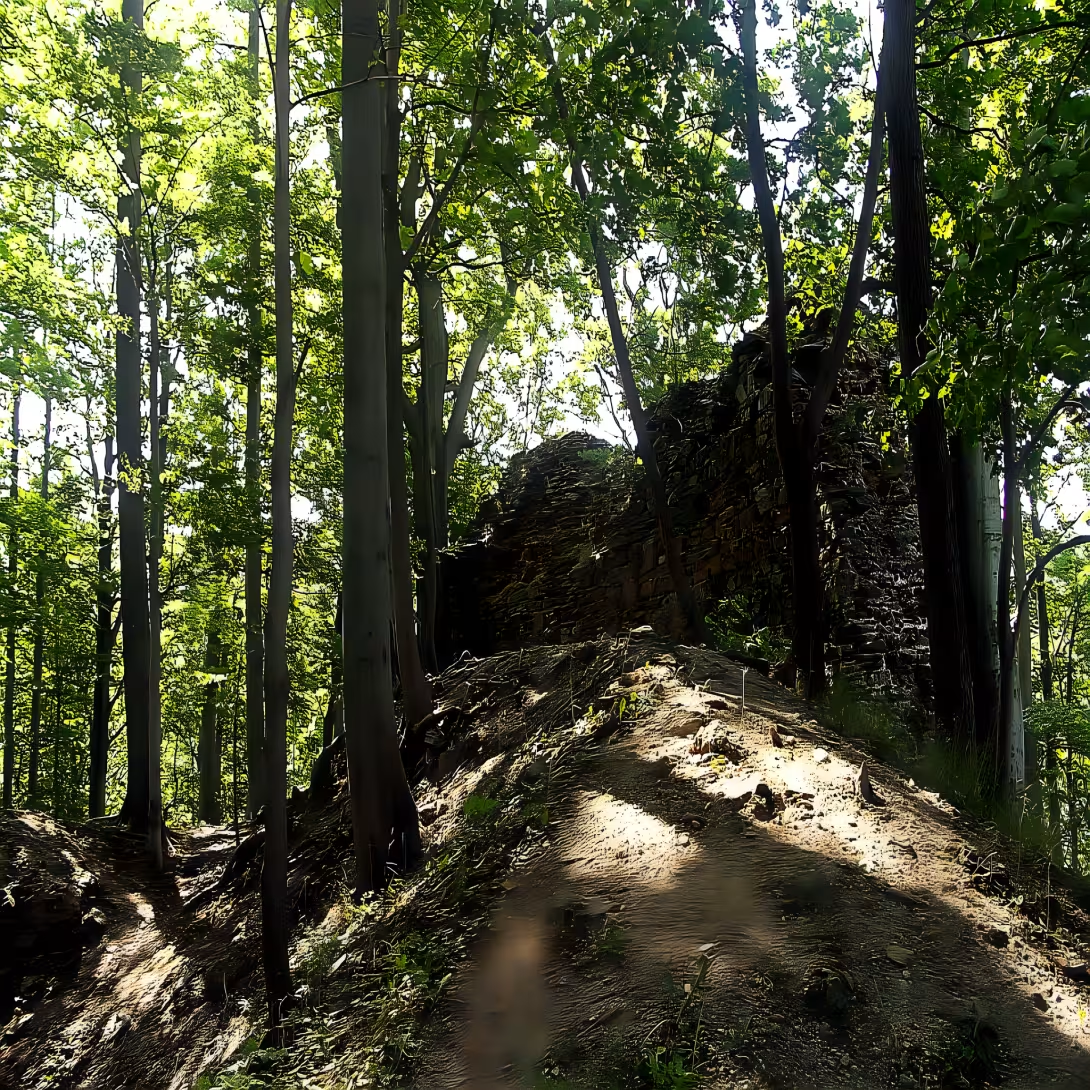
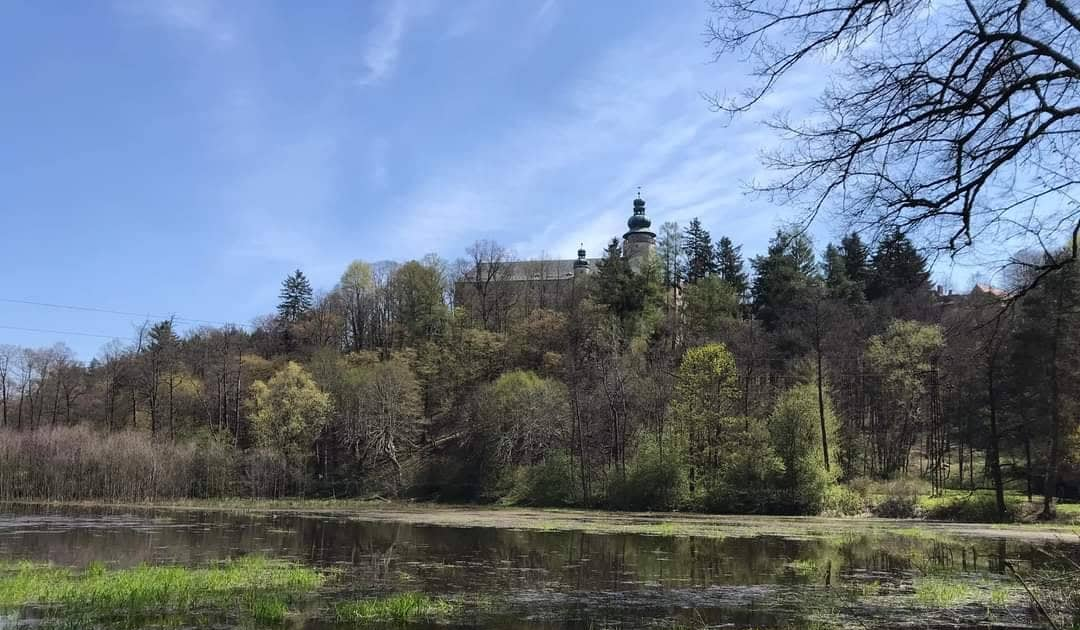
The Roimund is situated in the north-west part of the Jegrozakov Kozakov Ridge, approximately five kilometres southwest of Chrastav in the LiberecK district. The chateau was built on the sharpness of the ridge Limestone at an altitude of about 565 metres. The name came from French words roi (king) and mont (mountain) - i.e. "royal mountain"; It is assumed that this happened in honor of the Czech King Charles IV, who married Blanka of Valois during the time of the chateau, and was repeatedly staying in nearby Žitava.
The building of the chateau was approved by Margrave Charles at the turn of 1342 and 1343 for John of Donín, who built it in the next five years (1342- 1347) on the grounds separated from the estate of nearby Grabštejn. Jan z Donína probably died around 1363 and left the sons of Bedřich and John. Those around 1390 sold the Roimunda estate to their uncles Henry and William of Donín; Roimund with Stал property of Wilhelm. In 1414 the chateau was won by Jan z Vartenberka, the husband of Margaret of Donín. Vartenberkové used it as a foothold in armed disputes with the Six Towns of the Lužické - robbery attacks lasted until the beginning of the Hussite wars.
In the Hussite wars, strategy changed. Since 1424, the Lusatians have kept their own crew of 50 men in the chateau. In 1427 he became President of Castle Hans Foltch z Torgavy; a year later, he demanded 335 kicks of grosses to maintain it. Vartenberkové and their descendants died out by 1433. The inheritance belonged to Jan Hlavach of Donín, who sold it to Venča of Donín in Grabštejn. When exactly the chateau disappeared, it is not exactly known - it is possible that the Lusatians destroyed it before they were to publish it. In 1453 it was first mentioned as desolate.
Architecturally, it was a one-piece chateau with an oval plan, which belonged to chateaux with a mantle wall system. The construction site protected military work - moat and wall except the west side. The defense rests on the mantle wall surrounded by a park; There was a tank in the northern part of the park. There was a palace in the northern part of the chateau core. The whole complex represented a typical medieval fortress adapted to the strategic position on the spine.
Today the ruin is freely accessible and protected as a cultural monument of the Czech Republic. It can be reached by a yellow marked tourist route, which combines other local attractions of Jeliksandkozakov spine.
Then and now
Drag the slider to compare how the landmark may have looked when it was built with the view today.
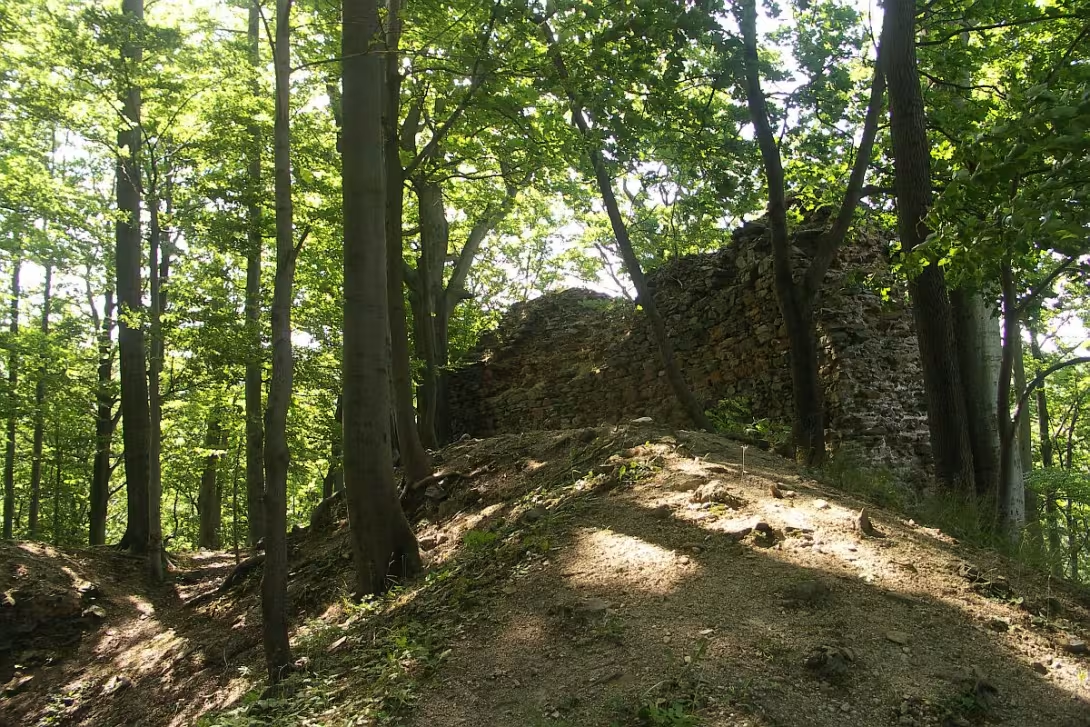
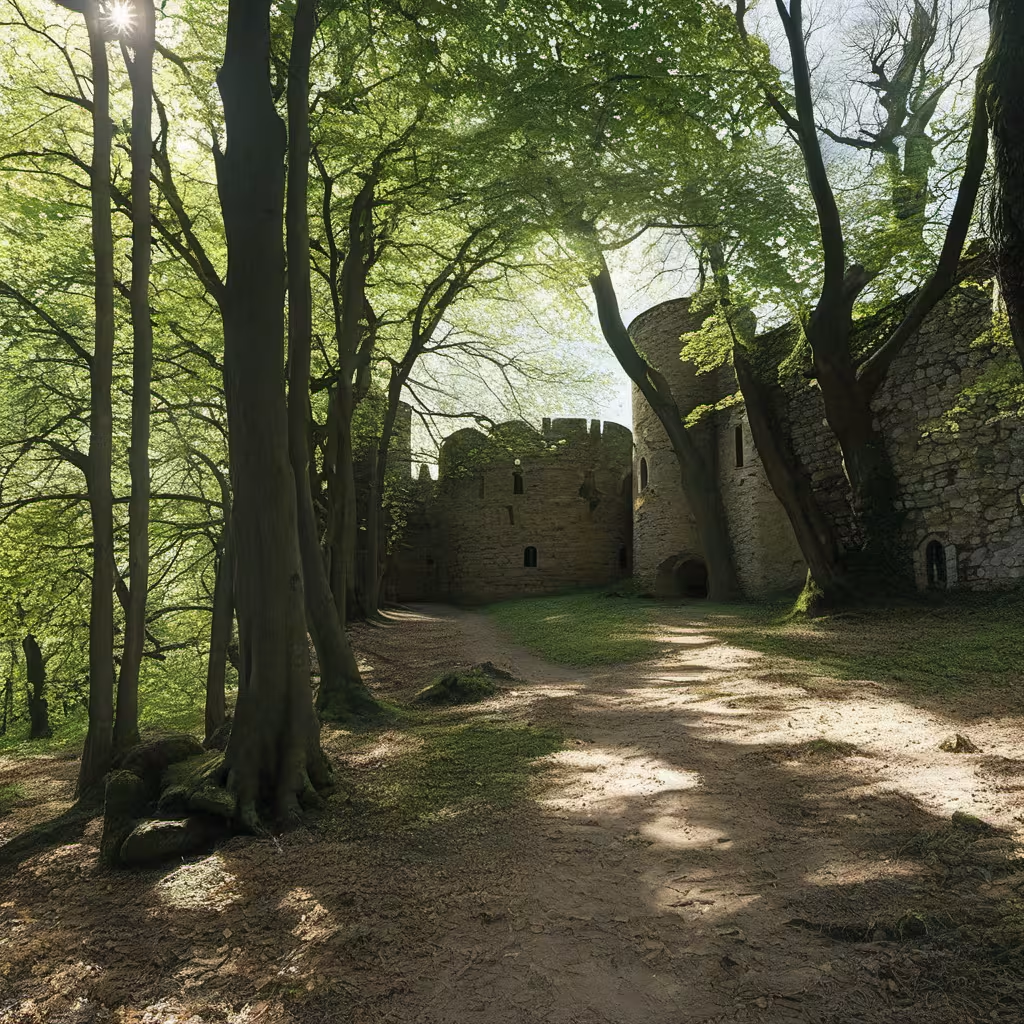
The historical appearance on the left is an AI-generated visualisation and serves as inspiration only.
Historical milestones
- 1347
- The foundation of the chateau by Jan of Donín.
- 1414
- The chateau was won by Jan z Vartenberka.
Architectural development
Roimund had one piece oval plan and belonged to chateaux with mantle wall. The defense rests on the mantle wall surrounded by the park in which the tank was located. The chateau core was protected by moat and wall.
Historical events
1350: Chateau Roimund was besieged and conquered
1360: Roimund became the centre of the Rozberg estate
Points of interest
- The Roimund is located in the northwest part of the Jegrovsky Kozakov ridge and has an altitude of about 565 metres. - The name "Roimund" comes from French words roi (king) and mont (mountain), which was probably in honor of the Czech king Charles IV. - The chateau was built for John of Donín between 1342 and 1347, approved by Margrave Karem at the turn of these years. - In Hussite wars, the Lusatians kept their own crew of 50 men in the chateau since 1424, and he was the captain of the Hans Foltch z Torgavy since 1427. - The Roimund architecture included a one-piece chateau with oval floor plan, mantle wall, moat and walls, park and tank in the north part.
Guide
This guide is narrated by a synthetic voice generated by artificial intelligence.
Show guide text
This text was created by artificial intelligence and has not been editorially reviewed. It may contain inaccuracies.
Roimund, sometimes also written as Raimund, is a ruined castle in the northwestern part of the Ještědsko-kozákovský ridge, about five kilometers southwest of Chrastavy. The castle stood on a spur projecting from the northern side of the Vápenný ridge, at an elevation of approximately 565 meters. Its remains are protected as a cultural monument.
The name comes from the French words roi and mont, meaning royal mountain. It may have been created in honor of Charles the Fourth, who at the time of the castle's founding married Blanche of Valois and repeatedly stayed in Žitava. In written sources, the castle also appears as Roynungen, Ronnenburg, or Roymunth.
The margrave Karel authorized the construction for John of Donín at the turn of 1342 and 1343, on lands separated from the Grabštejn castle estate. The castle was built between 1342 and 1347. John of Donín died probably around 1363. His sons Frederick and John sold the Roimund estate around 1390 to their uncles Henry and William of Donín at Grabštejn. They divided the property among themselves, and Roimund fell to William.
In 1414, the castle was acquired by John of Vartenberka, husband of Margaret of Donín, possibly William's sister. From the castle he conducted robber raids against the Lusatian Šestiměstí until the beginning of the Hussite Wars. From 1424, the Lusatian side held a garrison of fifty men in the castle, similar to at nearby Falkenberg.
In 1427, with the consent of John of Vartenberka, Hans Foltch of Torgavy became the captain of the castle. A year later, he requested 335 marks of groschen to keep the castle in the hands of Šestiměstí. The same year he captured a relative of the Žagań burgomaster, and the city council of Žitava helped settle their dispute. In further negotiations, which were meant to prevent the captain from surrendering the castle to the Hussites, the rights of the Vartenberks were no longer mentioned. They died out by 1433. The heir became John Hlaváč of Donín, who sold the castle to Venčo of Donín at Grabštejn.
When exactly the castle perished is unclear. The Lusatians may have destroyed it even before they surrendered it to John Hlaváč. In 1453, it is listed as empty, and a year later, the sources mention only the Raimund hill.
The castle was single-structure, had an oval ground plan, and belonged to castles with wall constructions. Besides the western side, it was protected by a moat and a rampart in front of it. The wall structure was surrounded by an outer wall, in whose northern part there was a cistern. A palace stood in the northern part of the castle core.
Tips for visitors
The best time to visit Roimunda is in the spring or autumn period, when vegetation is less dense and the ruin is manifested in its full beauty. The sunny day offers ideal conditions for exploring and photography.
Transport by public transport is also available; for current connections and times we recommend using online search engines or applications.
When visiting the ruins of the Roimund, make sure you bring protective shoes for uncovered roads and height costumes. Don't forget the umbrella, UV eye protection and plenty of fresh drinks.
The best place for photography is the view from the north-east side of the ruins, where the sun lights up the walls in moments before and after the mulberry. This light angle highlights the texture of the stone and the historical atmosphere.
In the vicinity of Roimunda it is possible to visit Jegrovskokozakov spine, where there is a national park with beautiful views. For families with children, Chrastav offers various activities and fun opportunities.
Frequently asked questions
Can the monument be visited?
This is a ruin. Such sites are often freely accessible, but some can only be visited with a guide or are closed for safety reasons. We have not verified the current situation – take care and respect any restrictions.
Where is the monument?
Location: Jítrava, Liberecký kraj. The map on this page shows the exact spot.
Why is the monument protected?
It is listed in the Central List of Cultural Monuments of the Czech Republic as a cultural monument (register no. 42103/5-4180).
For kids
Imagine going back 679 years, until Roimund was a young chateau, the seat of the Rozberg masters. This was the year that King Charles IV gave a call to build a new mansion.
How did it look here? Who lived here? What happened here? At that time there was a forest landscape around the chateau, full of wild animals and trees. The Rosberg lord lived in the chateau with his family and servants. The chateau was like a fortress protecting its inhabitants from enemy attacks.
Businesses nearby
Do you run a restaurant, accommodation, shop, museum, rental, wellness or other visitor service near this monument? Show yourself directly to the people heading to it — this is how they will see you in the app and on the web:
Events nearby


Zdroj akcí: otevřená data měst a obcí ČR (Národní katalog otevřených dat) a kalendář akcí Národního památkového ústavu.
Nearby
It is a generous Cossack's back
Chest
Jítrava
Accommodation nearby
Trips and activities nearby
Guided tours, tickets and activities nearby from GetYourGuide
Affiliate link: if you buy from the partner, we may receive a commission. The price for you does not change.
Search tours and activities →Themed route
Thematic cruise route around the ruins Roimund
1. Ruins Roimund - Type: Historical landmark - Why is it worth a visit: The ruin of Roimund is a fascinating witness of the past, located in the picturesque area of the Títrava. Despite the destruction during the Thirty Years' War, it still retains some elements of the original chateau and offers a unique view of the history of the region.
2. Yective- Kozakov back - Type: Natural area - Why is it worth a visit: The Yedbenka-Kozakov ridge is an ideal place for lovers of nature and culture. Here you will find beautiful views, the opportunity to explore historical sites and enjoy quiet moments in the countryside.
3. Chest - Type: City - Why is it worth visiting: Chrastav offers an interesting combination of history and modernity. Visit local sights, walk on picturesque streets or enjoy the opportunity to view the surrounding countryside.
4.Jítrava - Type: Village - Why it is worth a visit: Jítrava is famous for its historical architecture and peaceful environment. You can explore local sights, visit museums or enjoy relaxation in nature.
This route offers a combination of historical experiences and natural beauties, making it an ideal destination for a day trip.
Seasonal recommendations
Spring: In the spring period visit the ruins of Roimund offers a unique view of the rebuilding nature around the monument. When trees begin to bloom, the sun's rays create exciting games of light and shadow between the remnants of old walls, adding a romantic touch. This season is perfect for those who like to know history in a quiet environment because crowds are getting less and less than during the summer's peak season. When visiting, choose comfortable shoes and clothes suitable for a mild temperature that can change quickly. The best time to visit is a spectacular afternoon when the sun lights up the ruins and surrounding countryside.
Summer: The summer season brings its specific atmosphere on the ruins of Roimund. Sunshine days offer the best conditions for photography when the sun is reflected in old stones and surrounded by warm light. However, this is also the time when the most visitors arrive, especially on Wednesday week and in the main summer season. If you wish to avoid crowds, we recommend visiting a monument at the beginning or end of the day. Do not forget the sun protection - do not cut off your tie and glasses with protective glasses, and do not forget enough drinking water.
Autumn: Autumn offers a unique atmosphere for visiting the ruins of Roimund. The colours of the leaves turn into live pallets, giving the surroundings a romantic and slightly melancholy character. The sunny autumn days provide a beautiful opportunity to explore the sights in peace because the crowds are less than during the summer season. Wet and cold weather requires warmer clothes and perhaps an umbrella for the surprising rainfall that are frequent this season. The best times to visit are usually in the afternoon, when the temperature is softer and the sun lights up the ruins in exciting colors.
Winter: Winter visit Roimund offers a completely different but equally fascinating view of ruins. Snow sheets can add a mysterious and mystical touch to ancient ruins, creating an atmosphere suitable for a more romantic or peaceful experience. Warm clothes and wind protection are necessary, especially if you plan to take a long walk around the monument. Although this season is less visited, natural beauty and quiet space offer a unique opportunity for a personal experience in the historical context.
Visualizations and artistic views


The visualisations are generated by artificial intelligence and serve as inspiration.
Photos from the area
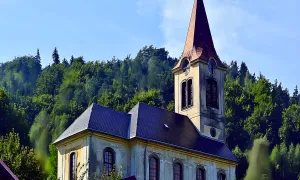
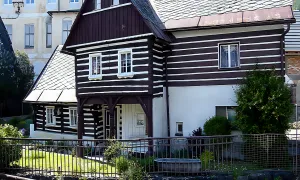
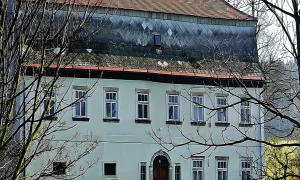
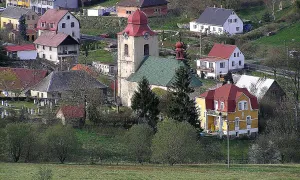
Real photos taken near the monument

Zdroj a licence jsou uvedeny u každého snímku.
View from the area
This animation was generated by artificial intelligence from a real photograph of the surroundings. The motion and details are not real footage of the location.
Tips from visitors
No tips yet. Be the first!
Log in and add your tip.
Sources and literature
Photos: Lutz Maertens / CC BY-SA 3.0, rozlišení zvýšeno umělou inteligencí — Wikimedia Commons. The author and licence also appear when you hover over the image.
Faktickým podkladem tohoto textu byl článek na Wikipedii, jehož autory jsou přispěvatelé Wikipedie. Článek je dostupný pod licencí CC BY-SA 4.0.
Location on the map
Příběhy a pověsti
Legendy, pověsti a příběhy spjaté s touto památkou
Fotografie návštěvníků
Zatím žádné fotografie. Buďte první, kdo přidá fotografii z návštěvy!
Log in a přidejte svou fotografii nebo hodnoťte.
Za ověřenou návštěvu v aplikaci získáte víc bodů — poznáme podle GPS, že jste na místě.
Reviews and comments