



Rožnov pod Radhoštěm Ruin
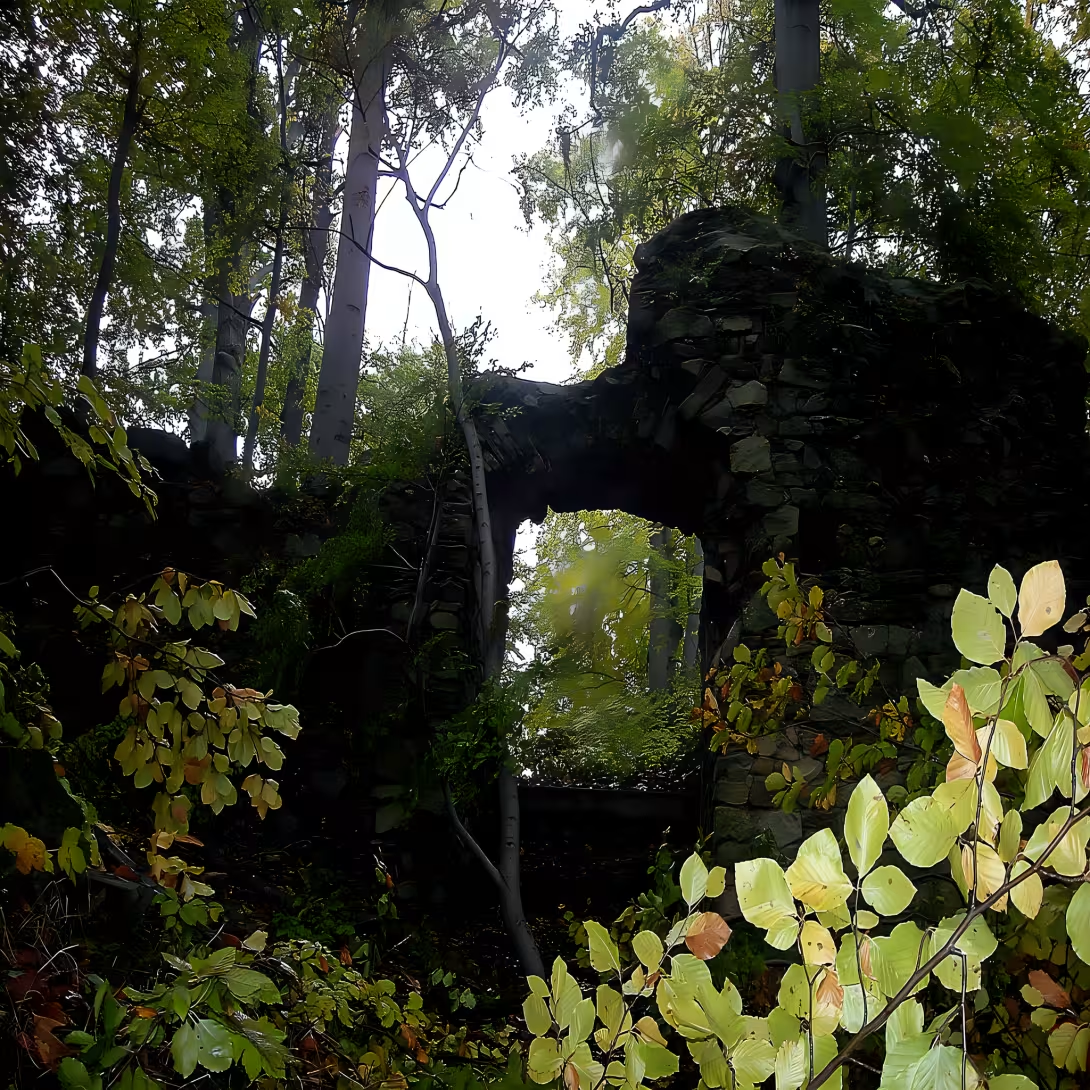
The chateau Rožnov was built around 1267 by the Bishop of Olomouc Bruno of Schauenburg. Its primary purpose was to protect church property and state borders with Hungary, today's Slovakia. The chateau was housed by bishopric men whose presence is confirmed by the first written mention from 1310 when Bohuslav z Krasna was appointed in connection with the chateau.
The medieval chateau was not a static building. Even at this early stage of its existence, it was gradually expanded and strengthened. Around the main tower and slopes was created a system of valleys and park walls to improve the defence of the construction. During the next centuries, when the war technology was changing, bastions were added to the chateau, allowing better defense against artillery.
The chateau was gradually adopted by several noble families. The first mention of the specific owner dates back to 1372 when it was owned by Vok I. z Kravař. Then the chateau got into the hands of the masters of Cimburk and the masters of Pezink. In the 15th and 16th centuries it was owned by Kunštátové (since 1505), Jaroslav ze Šelemberka (since 1526) and later by Jan z Pernštejna (since 1535).
The fate of the chateau broke in 1539, when it was occupied by the Royal Army at King Ferdinand's command. The reason for this was the fact that the robbers settled in the chateau and the chateau was a security threat. The building was badly damaged during this cast. After that the chateau was only temporarily repaired and its military and political importance gradually weakened. In 1660 he still served as the seat of the civil servants, but at the end of the seventeenth century he was completely abandoned.
The fate of the chateau in the New Testament was sad. In the second half of the nineteenth century, the citizens of Rožnov received permission from the municipal office to dismantle the remains of the chateau. Construction material from chateau walls was used to build their private houses. Since 1964, the ruins have been officially protected as a cultural monument, which reminds us of the region's rich history.
Then and now
Drag the slider to compare how the landmark may have looked when it was built with the view today.
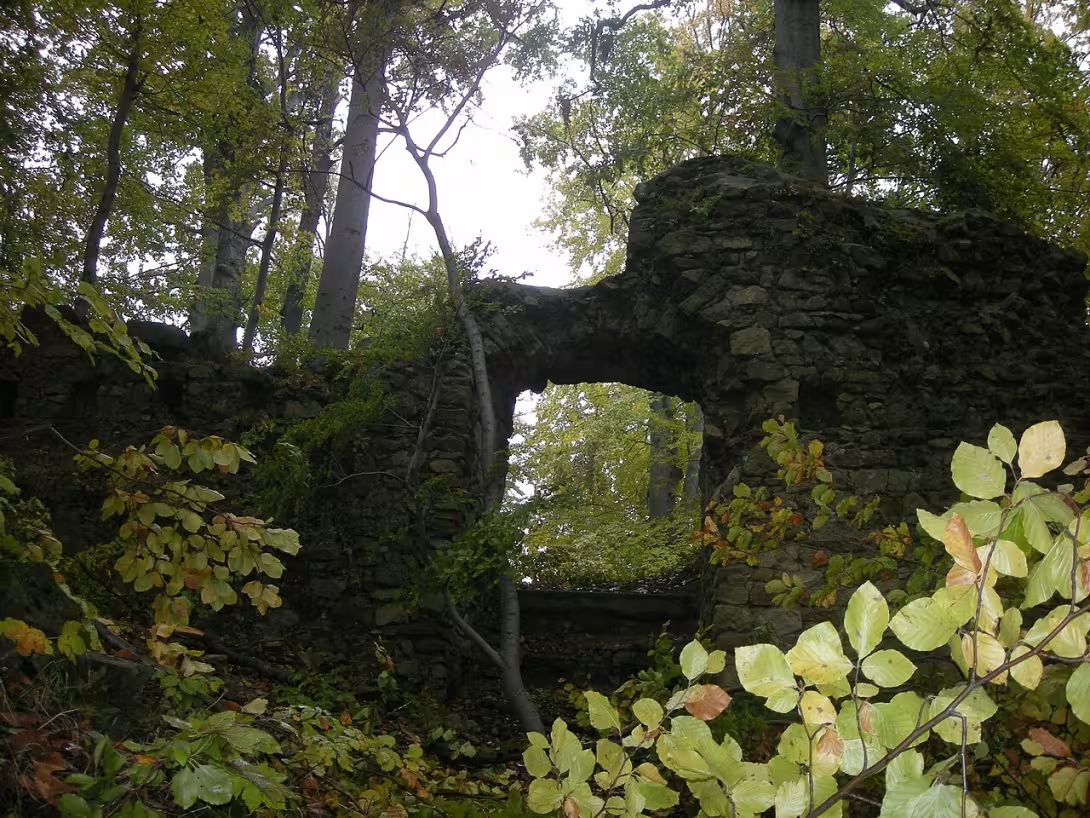
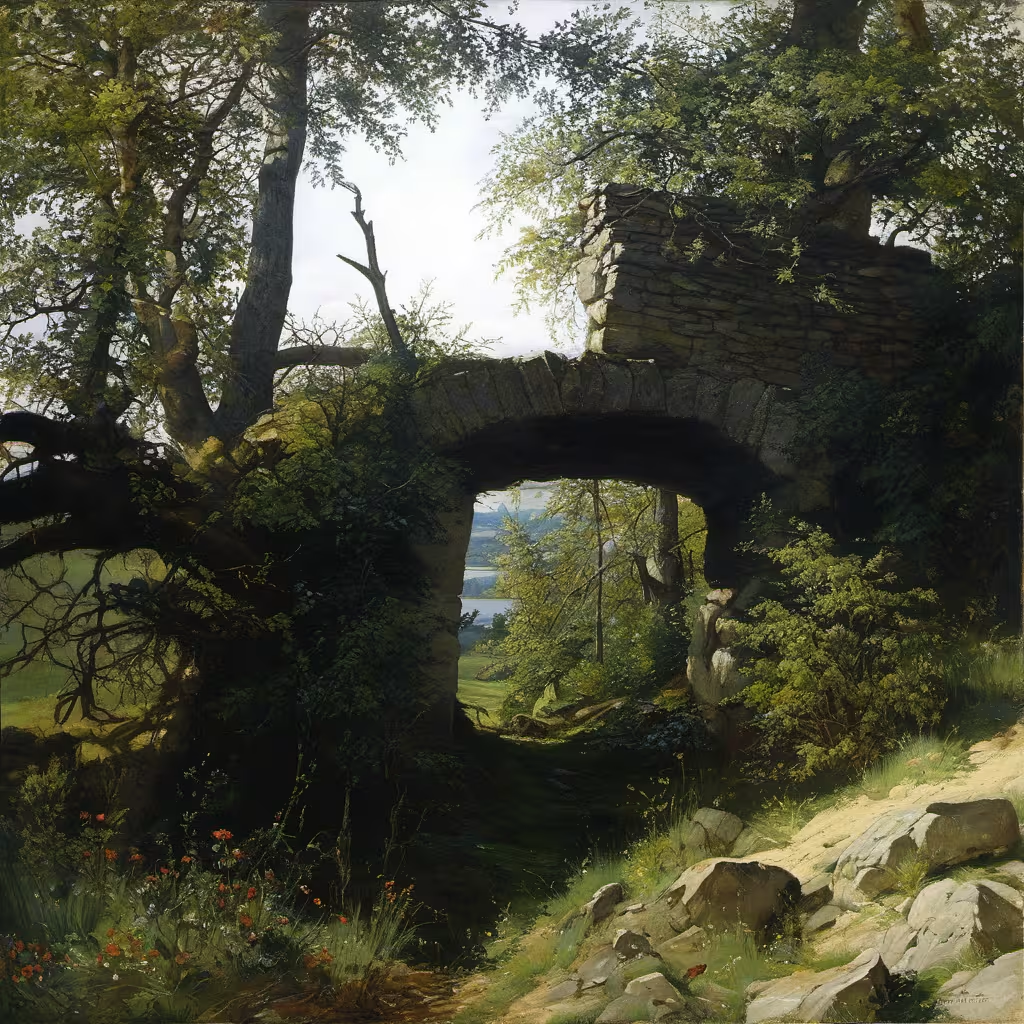
The historical appearance on the left is an AI-generated visualisation and serves as inspiration only.
Historical milestones
- 1964
- The chateau was declared a cultural monument.
Architectural development
The original chateau structure included palace construction, gates and chateaux. During its existence it was extended several times by the walls, park walls and later bastion.
Historical events
- 1267
- Status of the chateau by Bishop Bruno of Schauenburg.
- 1310
- The first written mention of the chateau by Bohuslav from Krasna.
- 1539
- The chateau was occupied by the army and heavily destroyed by order of King Ferdinand I.
Owners
- 1267
- 1310
- 1372
- 1505
- 1526
- 1535
Points of interest
- Rožnov Chateau was built around 1267 by Bishop Bruno of Schauenburg.
- The first written mention of the chateau is from 1310, when Bohuslav z Krasna is appointed.
- The chateau expanded and strengthened over time, for example by adding wallows and park walls.
- In 1539, the chateau was occupied by the Royal Army at the command of King Ferdinand I because of the presence of bandits.
- Since 1964, the ruin has been protected as a cultural monument.
Guide
This guide is narrated by a synthetic voice generated by artificial intelligence.
Show guide text
This text was created by artificial intelligence and has not been editorially reviewed. It may contain inaccuracies.
The ruins of Rožnov castle lie two kilometers southwest of the Wallachian town of Rožnov pod Radhoštěm. You will find them on the Hradisko hill in the Vsetín Mountains, at an altitude of 520 meters above sea level. Since 1964 it has been protected as a cultural monument.
The castle was founded around 1267 by the Olomouc bishop Bruno of Schauenburg. It was meant to protect the border with Hungary, that is, present-day Slovakia. The bishop's official Bohuslav of Krasna also resided there, and it is from him that the first written mention of the castle comes, dating from 1310. Originally the castle was laid out around the hilltop plateau. Over time, however, it was expanded several times, mainly by adding ramparts and palisade walls, and later also bastions.
The first mention of an owner is from 1372, when Vok the First of Kravař is mentioned. After him the castle was owned by the lords of Cimburk and the lords of Pezinok. In 1505 it was acquired by the Kunštát family and in 1526 by Jaroslav of Šelemberka. In 1535 it belonged to Jan of Pernštejn.
Four years later, in 1539, a turning point came. Robbers settled on the castle, so on the orders of King Ferdinand the First it was occupied by the army and the castle was heavily damaged. Later it was provisionally repaired and in 1660 it served the nobles' officials once again. By the end of the 17th century, however, it was completely abandoned.
In the second half of the 19th century, the inhabitants of Rožnov received permission from the municipal office to dismantle the remains of the castle. Stone from the castle walls thus served to build their houses.
Tips for visitors
The best time to visit the ruins of the chateau Rožnov is in the spring and autumn season when the weather is quiet and pleasant. In these months you will also avoid strong sunlight and the warmth of the summer season.
When visiting, make sure you have a suitable suit with you - the boots on hard ground are recommended for uneven soil. Also remember to take with you protective sunglasses, sun cream and plenty of drinking water.
For photography is the best place on the hill Hradisko, where you have a wide view of the surroundings. The best light for photography is usually morning or evening when the sun is not directly above your head.
In the vicinity of the ruins of the chateau Rožnov you can visit the historic square in the nearby village Vsetín. It is advisable for families with children to visit the ZOO Vsetín, which is about 30 minutes away from the ruins.
Frequently asked questions
Can the monument be visited?
This is a ruin. Such sites are often freely accessible, but some can only be visited with a guide or are closed for safety reasons. We have not verified the current situation – take care and respect any restrictions.
Where is the monument?
Location: Rožnov pod Radhoštěm, Zlínský kraj. The map on this page shows the exact spot.
Why is the monument protected?
It is listed in the Central List of Cultural Monuments of the Czech Republic as a cultural monument (register no. 19402/8-304).
For kids
Imagine going back to the past in the Middle Ages. The place on the ground where the city of Rožnov pod Radhoštěm is today was a mere village at the time. People lived here in wooden houses and in small huts.
And it was in one of these huts that the great Czech King George of Poděbrad was born. He was a man who fought with the Holy Roman Emperor and even became a Czech king.
Businesses nearby
Do you run a restaurant, accommodation, shop, museum, rental, wellness or other visitor service near this monument? Show yourself directly to the people heading to it — this is how they will see you in the app and on the web:
Nearby
Ambient landscape, other monuments, natural elements up to 5 km or zero.
Accommodation nearby
Themed route
Thematic cruise route from Rožnov under Radhosti
1. The ruin of Chateau Radhosti - * Type: * Historical landmark - Why is it worth a visit: The ruin of Radhosti Chateau is one of the oldest and most famous historical sites in the Moravian-Silesian region. Visit this place to learn about its rich history and handsome location on top of Rožnov under Radhoště.
2. The Memorial of Vojtěv Finger - * Type: * Historical Monument - Why is it worth a visit: This monument was dedicated in 1928 in honor of Vojtěch Náprstký, founder of the museum and Czech philanthropist. It is a place for honoring its benefits to cultural development in Bohemia.
3. Station Rožnov pod Radhoštěm - * Type: * Historical station object - Why is it worth visiting: The railway station is architecturally interesting and has a rich history associated with the development of railway transport in the region. It's the perfect place for those who like historical architecture.
4. Memorial to the fallen in the war - * Type: * Memorial - Why is it worth visiting: This monument is dedicated to the victims of wars and serves as a place of memory of historical events that shaped today's society. It's a place for a quiet thought and a memorial.
This route offers a combination of historical and cultural experiences in the region of Rožnova under Radhošt, which allows a deeper understanding of its rich past.
Seasonal recommendations
Spring: In the spring of Rožnov under Radhoště, the ruin emerges from the fertile green surrounding it. When the sun begins to stand higher and the length of days grows, the garden around the monument receives more lively colours with flowering bushes and trees that create a welcoming atmosphere. This time of year is ideal for visiting because the crowd load is still minimal. It is recommended to visit the morning or early afternoon period to enjoy the peace and beauty of nature. Wear comfortable shoes to walk on uneven paths and a veil or hat to protect from sunlight.
Summer: In summer Rožnov pod Radhoštěm is a popular place for tourists, which can lead to increased crowds. The sun illuminates the ruins in full beauty and nature is in bloom with rich flora and fauna, which provide an atmosphere of life and activities around the monument. The best time to visit is in the morning or in the evening when the crowd load is reduced and the temperature is more pleasant. We recommend light clothes suitable for sun day, UV protection and plenty of drinking water.
Autumn: In autumn Rožnov the atmosphere around the ruins turns to calm and mild. The leaves of the trees gain vivid colors, adding magic and beauty to the landscape. While the crowd load is usually low, it may be advisable to visit the weather without rain because the leaves are beginning to decrease. Wear a warm shirt and quality shoes for walking on potentially dry roads. UV cream can still be useful because the sun appears in autumn light.
Winter: Winter Rožnov pod Radhoštěm offers unique views of snow-covered ruins and surrounding forests that have a quiet, frosty look. This time is the most peaceful for the visit because the crowd load is minimal. We recommend warm clothes, including fur or blankets, protective shoes with good grooming and possibly a bracelet with light for safety on dark roads.
Visualizations and artistic views


The visualisations are generated by artificial intelligence and serve as inspiration.
Photos from the area
Real photos taken near the monument

Zdroj a licence jsou uvedeny u každého snímku.
Tips from visitors
No tips yet. Be the first!
Log in and add your tip.
Sources and literature
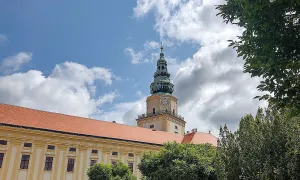
Photos: Tadeáš Dohňanský / Public domain, rozlišení zvýšeno umělou inteligencí — Wikimedia Commons. The author and licence also appear when you hover over the image.
Faktickým podkladem tohoto textu byl článek na Wikipedii, jehož autory jsou přispěvatelé Wikipedie. Článek je dostupný pod licencí CC BY-SA 4.0.
Location on the map
More monuments – Rožnov pod Radhoštěm
Show all in the municipality
Příběhy a pověsti
Legendy, pověsti a příběhy spjaté s touto památkou
Fotografie návštěvníků
Zatím žádné fotografie. Buďte první, kdo přidá fotografii z návštěvy!
Log in a přidejte svou fotografii nebo hodnoťte.
Za ověřenou návštěvu v aplikaci získáte víc bodů — poznáme podle GPS, že jste na místě.
Reviews and comments