



Rudný důl Panny Marie Pomocné I Mine
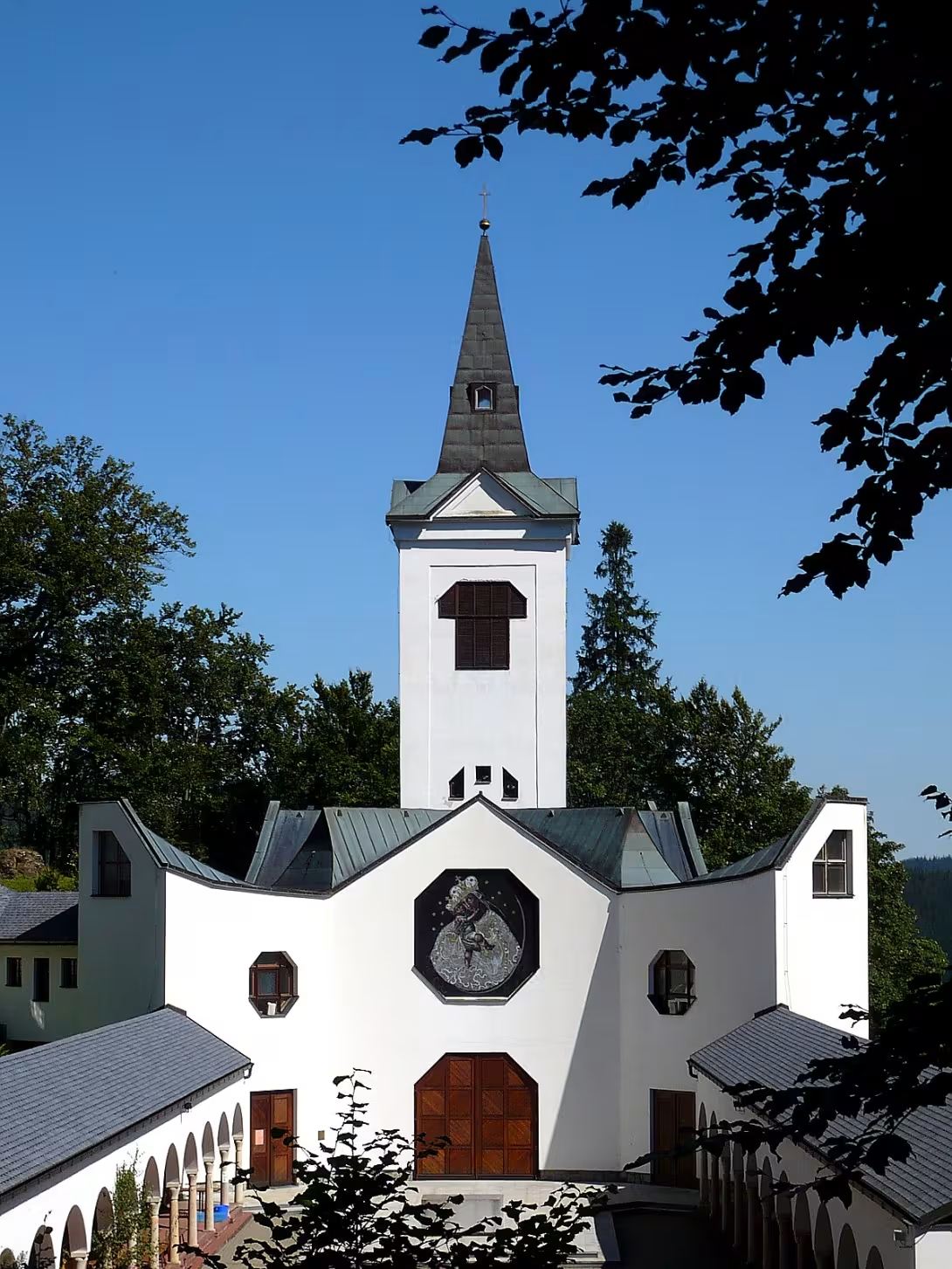
Rudný důl Panny Marie Pomocné I, located on the northeast slope of the Cross Hill near the Golden Mountains, is a remarkable monument to medieval gold mining. This site, protected as a cultural monument of the Czech Republic since 1994, attracts its historic mining structures and involvement in the Zlatohorské miner's learning path. The mine is known in particular for its architecture, which includes an ovenile stol embossed by the method of planting fire and stone fields separating individual floors.
The history of this place dates back to the 14th century, when intense mining of golden veins began. According to historical materials, the area was part of Obirschar. Originally, the mine had a different name; only on map A. Habtmann from 1769 appears as Maria Hilfe. The mining took place on floors separated by stone structures. In some parts, the height of the chambers was up to ten metres, suggesting an extensive industrial effort at the time.
The architecture of the mine includes a dike driven by the burning method, which was a common technique in the 13th century. This method allows for effective ore mining and represents one of the oldest examples of such craft skills in the Czech mountains. Stone fields, dividing floors, were key elements to ensure the stability and safety of miners.
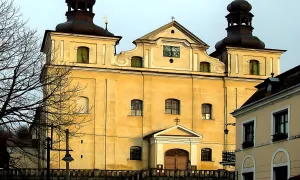
The mine is located near the pilgrimage church of the Virgin Mary of the Auxiliary, which underlines its historical and cultural value. In the 1950s, this area was part of the ore region Zlaté Hory-north (ZH-S), which illustrates its importance in the regional industrial context.
Today, the Rudný důl Panny Marie Pomocné I is accessible to visitors and is part of the Zlatohora Mining Educational Path. It offers a unique view of the history of mining in the Czech Mountains, with architectural elements forming an important part of the region's cultural heritage. Visiting this place is not only a way to the past, but also an opportunity to learn about historical innovations and techniques that shaped the industrial development of the area.
Historical milestones
- 14th century
- Main mining of gold-bearing veins
- 16th century
- Abandonment of mines
- 1769
- The name appears on map A. Habtmann
- 1994
- Declaration for the cultural monument of the Czech Republic
Architectural development
The mining took place on floors separated by stone fields. Older parts include an ovaloid dimple embossed by the burning method.
Historical events
In 1769, the name of the mine appears on the map. In 1994 the mine was declared a cultural monument of the Czech Republic.
Points of interest
- Rudný důl Panny Marie Pomocné I is a monument to medieval gold mining on the northeast slope of the Cross Hill near the Golden Mountains. - This site has been protected as a cultural monument of the Czech Republic since 1994 and is part of the Zlatohorské mining educational trail. - The mine has an architecture with an oily stale burning method, which was a common technique of ore mining in the 13th century. - The history of the mine dates back to the 14th century, when intense mining of golden-bearing veins began in the Obirschar region. - The mine is located near the pilgrimage church of the Virgin Mary of the Auxiliary and was part of the ore region Zlaté Hory-North (ZH-S) in the 1950s.
Guide
Show guide text
This text was created by artificial intelligence and has not been editorially reviewed. It may contain inaccuracies.
Welcome to a place full of history and secrets! You are standing in front of the Red Mine of Our Lady of Auxiliary I, located on the northeast slope of the Cross Hill near the Golden Mountains. Look up and look around - this location will immerse you in the past of the 14th century when there was active gold mining.
Let's move on to the beginnings. This mine is part of the rich history of mining in this area. Since the fourteenth century, gold-bearing veins have been extracted, indicating the long tradition and skills of miners who have worked in these cold and dangerous conditions. The mining activity was active in the following century, but the mines were abandoned at the end of the 16th century.
Now pay attention to the architecture. The mine has an interesting structure with an ovary stale pressed into the rock, which is typical of medieval mining facilities. Notice the preserved medieval corridors and conquest that can help you imagine the life and work of miners from the past. Stone bands also indicate technical progress at that time.
Although the particular historical figures associated with this site are not known, it is important to remember that it was thanks to anonymous miners and other workers that so much could happen here. Their efforts have enabled the extraction of precious metals that have enriched the region.
The interesting fact is that the name "Rudný důl Panny Marie Pomocné I" appeared on map A. Habtmann in 1769. This detail shows a long history of recording and recognition of this place.
This site has been protected as a cultural monument of the Czech Republic since 1994, which underlines its importance and need to preserve it for future generations. It's part of the Zlatohora Mining Learning Path, which can lead you to other interesting places.
I suggest we explore the surrounding landscape and think about the thousands of people who once worked in this place. Let the history and breath of the past reach you.
Thank you for your interest in this place. I hope this guide inspired you to explore the Golden Hors and their rich history. When we meet in another interesting place!
Tips for visitors
Best time to visit the Red Mine of the Virgin Mary's Auxiliary I is in the spring or autumn season when vegetation is welcoming and light suitable for photography. This time of year also offers mild weather compared to sunny summers.
We recommend using a car or public transport for arrival; current connections and possibilities can be detected via route search.
Take your protective shoes with you, because the terrain can be uneven. Additional recommendations are hat and sunglasses for sun protection as well as water bottle and basic equipment for photography.
Photo of the Red Mine offers the best effects in the morning light or evening sun, when light is softer and shadow contrast is more attractive. Remember also to include in your plan the views of the Pilgrimage Church of the Virgin Mary's Helpers.
In the surroundings you can visit the Pilgrimage Church of the Virgin Mary of the Auxiliary, located nearby. This monument offers not only historical experiences, but also a beautiful opportunity for families with children to walk and learn about local history.
Frequently asked questions
Can the monument be visited?
This is a technical monument. Some are open as exhibitions, others are out of use or on private land. We have not verified whether this one is accessible.
What are the opening hours and admission?
We have not verified the opening hours or admission. Current information is published by the operator.
Where is the monument?
Location: Zlaté Hory. The map on this page shows the exact spot.
Why is the monument protected?
It is listed in the Central List of Cultural Monuments of the Czech Republic as a cultural monument (register no. 1000121565).
Businesses nearby
Do you run a restaurant, accommodation, shop, museum, rental, wellness or other visitor service near this monument? Show yourself directly to the people heading to it — this is how they will see you in the app and on the web:
Nearby
Poutní kostel Panny Marie Pomocné a Příčný vrch.
Accommodation nearby
Themed route
Thematic cruise route from the village Zlaté Hory
1.Rudný důl Panny Marie Pomocné I - Type: Historical site - Why is it worth a visit: this mine is a reminder of the past when metal mining was here. It offers an interesting view of the history of mining and mineral use techniques.
2. The Pilgrimage Church of the Virgin Mary - Type: Religious monument - Why is it worth a visit: The church is the center of pilgrimage and its architecture attracts not only swirling but also lovers of history. It's a place of rest and shelter for all visitors.
3. Cross peak - Type: Climbing Centre - Why is it worth visiting: Cross hill is a popular place for climbers and tourists. It offers beautiful views of the surrounding countryside and is an ideal place to relax when looking at the natural beauty of the area.
Visiting order: Start your trip at the Red Mine of the Virgin Mary's Auxiliary I, where you can see the historical memory. Then you will move to the village Zlaté Hory, where you will find the Pilgrimage Church of the Virgin Mary of the Auxiliary. After visiting the church you can continue on the Cross Hill, which is close and offers beautiful views.
This route allows you to explore the history, culture and natural beauty of the Zlaté Hory area.
Seasonal recommendations
Spring: In the spring period Rudný důl Panny Marie Pomocné I offers visitors a unique atmosphere where green meadows and trees are revived with new leaves. The sun's rays penetrate deep into the mine corridors, creating attractive lighting that emphasizes even more historical architecture. During spring the weather can be suddenly variable, so it is advisable to equip yourself with clothes with a layered system that allows you to adapt to both warm and cold moments. The best time to visit is usually early spring when the crowds are minimal and nature offers its finest colors.
Summer: The Rudný důl Panny Marie Pomocné I has become a popular place for visitors looking for a heat leak. The days are long and sunny, which allows for more detailed exploration of mining areas in pleasant light. Summer is a time when more visitors may appear, so it is good to visit the memory at the beginning or end of the day to avoid larger crowds. Humidity and temperature in the mining areas may be considerable, so it is advisable to bring light clothes and plenty of drinking.
Autumn: Autumn visit to the Red Mine offers a unique view of the trees in the flaming colours that encapsulate the historical monument. The sun sets earlier and long evening flashes can add a romantic touch to explore ancient passages. This period is ideal for those who are looking for a more peaceful experience without the mass tourism of the summer period. Clothing with height layer is recommended because of cooler evenings and possible rain, which ensures comfort while walking around the monument.
Winter: Winter visit to the Red Mine offers a quiet atmosphere where the surrounding landscape is covered with snow. The light in the mine space changes with the daily course, creating dramatic shading and depth. Winter weather requires solid clothing, fresh shoes and protection against cold, because the temperature in the mine can be low. Visiting a monument in the early winter season is convenient when the crowds are minimal and you may enjoy a quiet view of the snow-covered landscape panoramic picture.
Visualizations and artistic views

The visualisations are generated by artificial intelligence and serve as inspiration.
Photos from the area
Real photos taken near the monument

Zdroj a licence jsou uvedeny u každého snímku.
Tips from visitors
No tips yet. Be the first!
Log in and add your tip.
Sources and literature
Faktickým podkladem tohoto textu byl článek na Wikipedii, jehož autory jsou přispěvatelé Wikipedie. Článek je dostupný pod licencí CC BY-SA 4.0.
Location on the map

Příběhy a pověsti
Legendy, pověsti a příběhy spjaté s touto památkou
Fotografie návštěvníků
Zatím žádné fotografie. Buďte první, kdo přidá fotografii z návštěvy!
Log in a přidejte svou fotografii nebo hodnoťte.
Za ověřenou návštěvu v aplikaci získáte víc bodů — poznáme podle GPS, že jste na místě.
Reviews and comments