



rychta v Kosově Speed
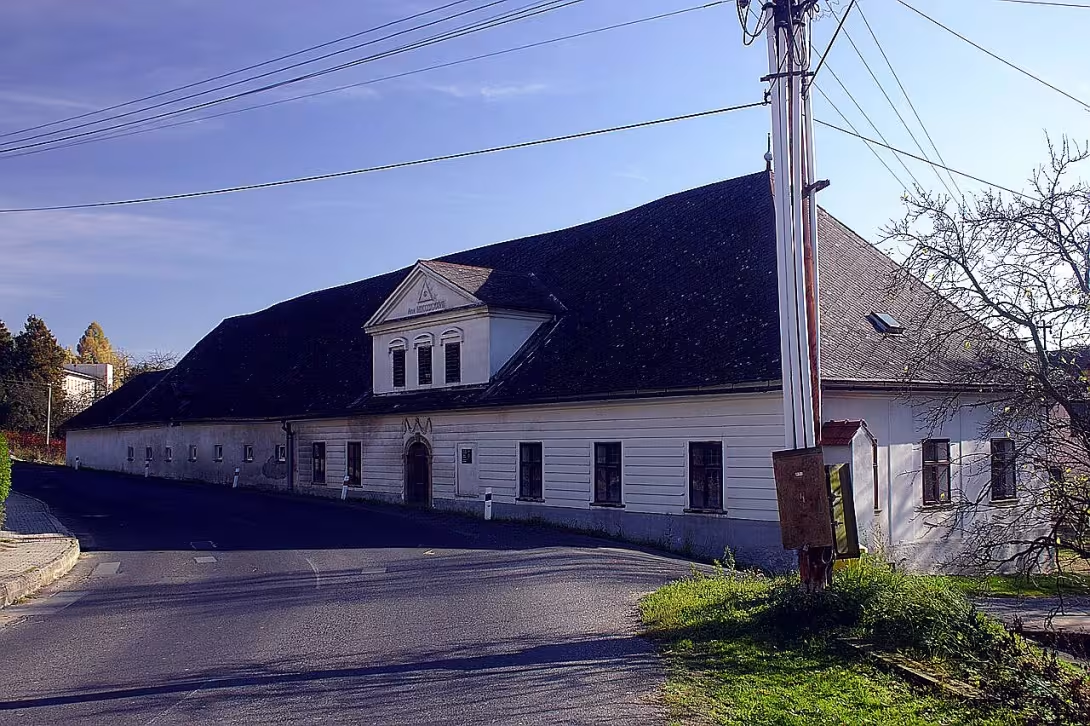
Fast in Kosovo is a cultural monument of the Czech Republic, which boasts its history and architectural character. It is located on the road II / 315 above the municipality of Kosov in the Šumperk district. This stand-alone Empire-style building, built on stone foundations, is remarkable by its history and architecture. Its importance lies not only in its role as a former farm, but also in its being an important place for the inhabitants of the surrounding villages.
The history of speed dates back to 1464, when Jan and Jiří Tunklová from Zábřeho and Brníčka bought it. It was originally a part of the Inshore estate. Václav Vaniorek became the first documented speedster in the village in 1618. The key change for the building was the purchase of the express in 1666 by Pavel Brauner Hans Steidlz of Tatenice for 600 Moravian tolars. Since then, with the exception of the years 1997- 2010, speed has been held by the Steidler family. In 1834 Ignatz Steidl remodeled the building into an empire style, which greatly affected its architectural appearance.
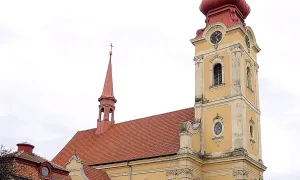
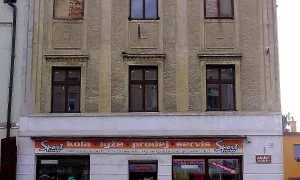
Quick architecture is characterized by its brick structure built on clay mortar. Walls are up to 90 centimeters thick, which was a common element in ensuring stability and insulation. The building has a residential area with a saddle and valb roof covered by shingles. In the front facade there is a sandstone portal with a semi-circular chord and the inscription "No. 1 Ignatz Steidel 1834." The facade is decorated with transverse rustic, which gives the building its Empire character.
The owners of the express had a significant impact on its history. After the purchase of Hans Steidlz from Tatenice, speed became part of a family property that they managed until the 20th century. Ignatz Steidl was a key figure in the history of the building, because it was rebuilt in the Empire style. Fast also had the right to shenka, which meant that dance balls and other social events were held in her large hall.
Among the key events in the history of speed is the stay of writer Rose Svobodová in 1894. She came here on the recommendation of her friend Josef Pecl, Prague publisher and editor. Her experiences of her stay were first published in the magazine Sideways and then in the book "In a remote village." On the 120th anniversary of her stay, a commemorative plaque was quickly unveiled in 2014.
Today rychta v Kosově is protected by a cultural monument and attracts attention from its history and architecture. Her current condition retains many primary characteristics, making the visit interesting for lovers of history and architecture. Fast is worth visiting not only as a monument to the past, but also as a witness to life and events that shaped Kosovo.
Fast in Kosovo is a reminder of the region's rich history and culture. Its architecture and history reflect the changes faced by the municipality and its owners. For those who want to understand the past and appreciate the historical value of the local environment, rychta v Kosově is a necessary visitor substance.
Historical milestones
- 1464
- Jan and Jiří Tunklové bought the village of Kosov.
- 1618
- Acquired first speedster Václav Vaniorek.
- 1666
- Hans Steidl bought the speed from Pavel Brauner.
- 1834
- Ignatz Steidl has converted the speed into the Empire style.
- 1964
- Listing to the state list of cultural monuments.
Architectural development
The original state was transformed into an empire style in 1834 thanks to Ignatz Steidl. The building is built of hand-made bricks on clay mortar with wall thickness up to 90 cm. The construction includes a saddle and valb roof with hambalic steps.
Historical events
In 1464 the village was purchased by Jan and Jiří Tunklová. In 1666, Hans Steidl bought the express. In 1834 a reconstruction took place in the Empire style. In 1964 it was listed as a cultural landmark.
Owners
In 1666 Hans Steidl of Tatenice, since then held by the Steidler family with the exception of the years 1997- 2010.
Points of interest
- Fast in Kosovo is a cultural monument of the Czech Republic. - It is located on the road II / 315 above the village of Kosov in the district of Šumperk and has a history dating back to 1464, when it was purchased by Jan and Jiří Tunklová from Záboha and Brníčka. - In 1666, quickly bought from Pavel Brauner Hans Steidlz of Tatenice for 600 Moravian tolars, which led him to be held by the Steidler family with the exception of 1997- 2010. - Ignatz Steidl converted the building into an empirical style in 1834 and quickly had the right of a shank, which meant holding dance balls and social events. - The writer Růžena Svobodová was on the fast track in 1894 and her experiences were published, which led to the discovery of the commemorative record in 2014.
Guide
Show guide text
This text was created by artificial intelligence and has not been editorially reviewed. It may contain inaccuracies.
Welcome. You have just stopped in front of a place that carries a deep breath of history and peace of agricultural tradition. You're standing right in front of Kosovo. Before we go into deeper research, let your eyes first enjoy a general view of this building. You are in a picturesque environment above the village of Kosov, in the district of Šumperk, near the road that leads around this important building. Feel the atmosphere - it's a place where the power of stone and the elegance of architecture are combined.
Now look at the construction itself. What you see in front of you is a self-standing object that is very dignified by its solid design. The whole was built on solid stone foundations, giving it a sense of stability and duration. This is not just an ordinary house. It is a complex whole, which includes the residential part where daily life took place, but also the court additions and the economic tract. In the past, it was not just about housing, but about an important farm, which was the heart of work and life.
Let us now return together in time and try to understand how this place has shaped for centuries. The history of this place is not short; It goes deep into the past, down to the mid-fifteenth century. Just in 1464, more than 500 years ago, Jan and Jiří Tunklová from Zábřeho and Brníčka bought the village of Kosov. This means that the roots of this place are firmly rooted in the period when the foundations of our country were formed.
Over time, the role and position of this place changed. If we look at the 1618 records, we can find here the name of the first documented speedster, Václav Vaniorek. Speed was a place of some power and responsibility. In the next centuries, the owners took turns and the building developed constantly. A very important moment was 1666. That was when a significant transfer of ownership took place, when Hans Steidl bought the express from Pavel Brauner. This transaction was very significant at the time and shows how much this place was worth.
Now I'd like to ask you to pay attention to what the building looks like right now. Although it has roots in ancient times, its present appearance is the result of a great transformation that occurred in the nineteenth century. In 1834 Ignatz Steidl carried out a major reconstruction. It's because of him that speed has turned into an object in the Empire style. This style has brought some nobility and balance to the construction.
Now look carefully at the details that are right in front of your eyes. Note above all the sandstone portal. This entry element is very characteristic and shows the craftsmanship of the then masters. The sandstone from which the portal is made also gives the building a sense of historical authenticity. Then look up above and pay attention to the ledge. It is a richly profiled ledge that surrounds the building and gives it a clear and balanced appearance. It is these details, such as stone work and precise shapes, that make this fast a real architectural gem.
When you look at these shapes, you can imagine the people who lived and worked here. The history of this place is linked to many personalities. In addition to Ignatz Steidl, who created the construction in its present form, there are other names such as Růžena Svobodová or Josef Pecl in history. Each of these names represents a piece of the human story that took place in these areas.
It is fascinating to think of this place turning from a simple farm into a protected cultural monument. As early as 1964, it was included in the national list of cultural monuments of the Czech Republic, which is proof of its essential importance for our history and culture. It is a place that has survived centuries, survived changes in political and social conditions, and stayed here as a silent witness to time.
It can also be interesting how much this place has changed over time in property relations. For example, in 1666, as we have already mentioned, the fast purchase was made for 600 units, which at that time represented a significant amount and underlines the importance of this property as a valuable asset.
Now that you've looked at the main features of this building and recognized its history, I suggest you stop for a while and perceive the atmosphere of the entire area. See how the building clasps into the landscape above the village of Kosov and how its stone foundations act in contrast to the softness of the surrounding world. You can try to find traces of time in the details of the sandstone portal and imagine all the people who went through it for centuries.
Thank you for taking the time to listen to this story. We hope that this short journey through the history of speed in Kosovo has brought you new insight and that you will enjoy continuing your walk around this beautiful place. We'll brigade you a pleasant further discovery of the surroundings.
Tips for visitors
The best time to visit the speed in Kosovo is autumn or spring, when nature is best colored in the surroundings and the light is suitable for photography. This period also offers mild weather compared to summer heat.
It is appropriate to use a passenger car to access the speed in Kosovo as the building is located on the road II / 315.
When visiting, bring your sunglasses and plenty of drinking water. Although the tour takes place from the outside, it may be advisable to also carry warm clothes, especially if you visit a memorial at the end of the day.
Fast photography in Kosovo offers the best possibilities from outside where the building is lit with natural light. The best times are morning and evening when the sun does not shine directly on the object, which allows you to capture the details of architecture.
It is possible to visit other historical and cultural monuments such as the ruins of an old castle or a local church in the vicinity of the express in Kosovo. These places can be reached by foot or by car within 30 minutes.
Frequently asked questions
Can the monument be visited?
This is a residential or farm building, not a museum with opening hours. Please view it from public space and respect the owners' privacy. We have no information about access to the interior.
Why is the monument protected?
It is listed in the Central List of Cultural Monuments of the Czech Republic as a cultural monument (register no. 1000149617).
Businesses nearby
Do you run a restaurant, accommodation, shop, museum, rental, wellness or other visitor service near this monument? Show yourself directly to the people heading to it — this is how they will see you in the app and on the web:
Nearby
Budova se nachází u silnice II/315 nad obcí Kosov v okrese Šumperk.
Accommodation nearby
Themed route
1. Speed Type: Historical building A tour of the object itself and its inner spaces.
2. Tanks at the speed Type: Building area Walk in the immediate vicinity of the building.
3. Road II / 315 Type: Road section Observing the appearance of the building from the road perspective.
4. Municipality of Kosov Type: Plate A short walk near the monument.
Seasonal recommendations
Spring brings fresh green colour and fine sun rays to the surroundings that highlight the structure of old walls beautifully. The atmosphere is very lively and fresh due to the awakening nature. It is best to choose the morning time when the light is most suitable for the tour. It is advisable to wear layered clothes because morning temperatures can still be cold.
In the summer months the area is filled with strong and sharp light, which creates significant shadows on the facade of the building. The landscape around it can cause drought and heat is very sensitive. The best time to visit is early morning or late evening to avoid the greatest heat. Don't forget the headgear and plenty of fluids.
The autumn season offers a rich palette of golden and brown shades in surrounding vegetation, creating a calm and nostalgic atmosphere around the building. The morning fog often appears, which gives the place a certain mystery. I recommend you take a warmer jacket and stronger shoes because the ground can be wet. The light in the afternoon is ideal for observing details.
Zimą can be covered with snow, which creates a strong contrast with the color of the historic building. The day is short and light is often gray or very low. It is necessary to prepare for frost, so choose very warm clothes and waterproof shoes. The best thing to do is to visit a place on a bright, freezing day when the snow reflects beautifully.
Visualizations and artistic views

The visualisations are generated by artificial intelligence and serve as inspiration.
Photos from the area
Real photos taken near the monument


Zdroj a licence jsou uvedeny u každého snímku.
Tips from visitors
No tips yet. Be the first!
Log in and add your tip.
Sources and literature
Photos: I would appreciate being notified if you use my work outside Wikimedia. More of my work can be found in my personal gall / CC BY-SA 4.0 — Wikimedia Commons. The author and licence also appear when you hover over the image.
Faktickým podkladem tohoto textu byl článek na Wikipedii, jehož autory jsou přispěvatelé Wikipedie. Článek je dostupný pod licencí CC BY-SA 4.0.
Location on the map
Příběhy a pověsti
Legendy, pověsti a příběhy spjaté s touto památkou
Fotografie návštěvníků
Zatím žádné fotografie. Buďte první, kdo přidá fotografii z návštěvy!
Log in a přidejte svou fotografii nebo hodnoťte.
Za ověřenou návštěvu v aplikaci získáte víc bodů — poznáme podle GPS, že jste na místě.
Reviews and comments