






Schreberovy zahrádky Park
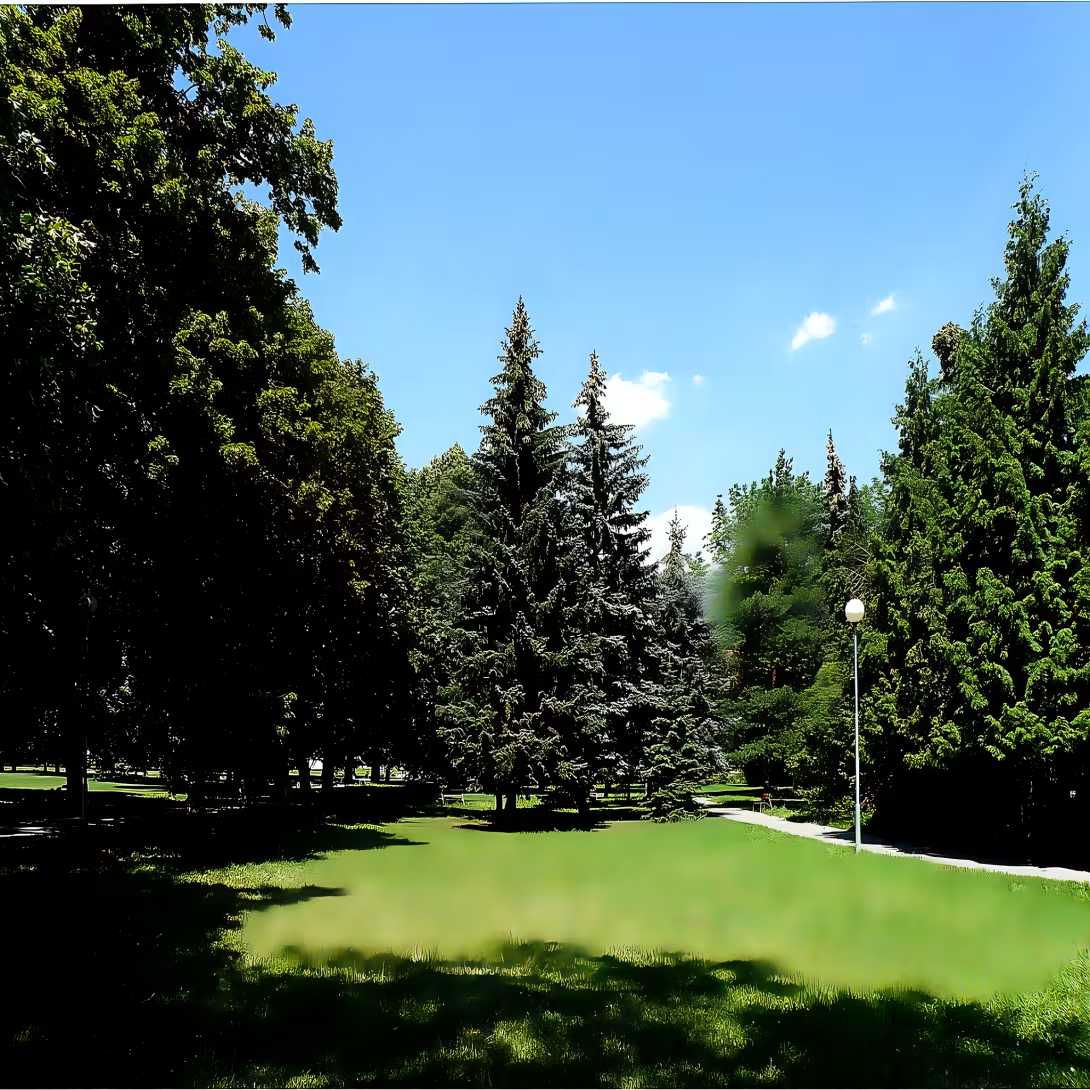
Schreberovy Zahrádky is a historical park located in Brno-sever, Brno, Czech Republic. Spanning 2.4 hectares within Černá Pole, it stands as one of the first allotment garden colonies established in Austria-Hungary. Originally an old cemetery moved to its current location in 1853, it was transformed into a public park by the late 1950s and early 1960s. The park's evolution mirrors broader social changes, particularly the rise of urban gardening movements aimed at enhancing public health and community spaces.
The origins trace back to when it served as a cemetery on the eastern edge of what was then Katastralbezirk Dolní and Horní Cejl. In 1853, this cemetery relocated from its original site near today's Vranovská Street, where it had existed since 1783. By 1907, the area transformed into an allotment garden colony named after Dr. D. G. M. Schreber, who advocated open-air therapy for healing his patients. This change was part of a broader European trend in the early 20th century, where urban gardening gained popularity due to its health benefits and community-building potential.
Architecturally, the site transitioned from cemetery to allotment garden colony in 1907. Later, between the late 1950s and early 1960s, it was redeveloped into a public park. This transformation included new facilities like a children's playground built in the 1970s, later renovated with wooden play structures in the 1990s. These changes reflect ongoing adaptation to meet community needs while preserving historical significance.
Ownership and administration of Schreberovy Zahrádky have shifted over time. Initially part of Austria-Hungary when it became an allotment garden colony, the park underwent a name change in 1989 following communism's fall, reverting to its original designation. During this period, it was known as Julius Fučík Park and featured a monument honoring him at the intersection of Lesnická and Jugoslávská streets.
Key events include its establishment as an allotment garden colony in 1907, reflecting Dr. D. G. M. Schreber's influence on public health practices. The park's name change to Julius Fučík Park post-1989 highlights its role within the socio-political landscape of Czechoslovakia during and after communism. These events underscore the site's historical importance as a reflection of broader societal changes.
Today, Schreberovy Zahrádky is a cherished public park in Brno-sever, offering relaxation and recreation for residents and visitors alike. Its rich history, from its origins as a cemetery to its current status as an urban green space, makes it a site worth visiting. The park's evolution over the years serves as a testament to changing societal values and priorities, inviting exploration and appreciation of its historical layers.
Schreberovy Zahrádky offers more than leisure; it is a living narrative of community adaptation and resilience. Visitors are encouraged to explore this unique blend of history and nature, where past meets present in harmony.
Then and now
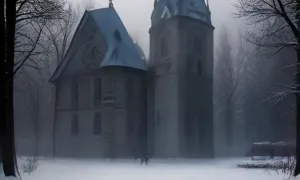
Drag the slider to compare how the landmark may have looked when it was built with the view today.
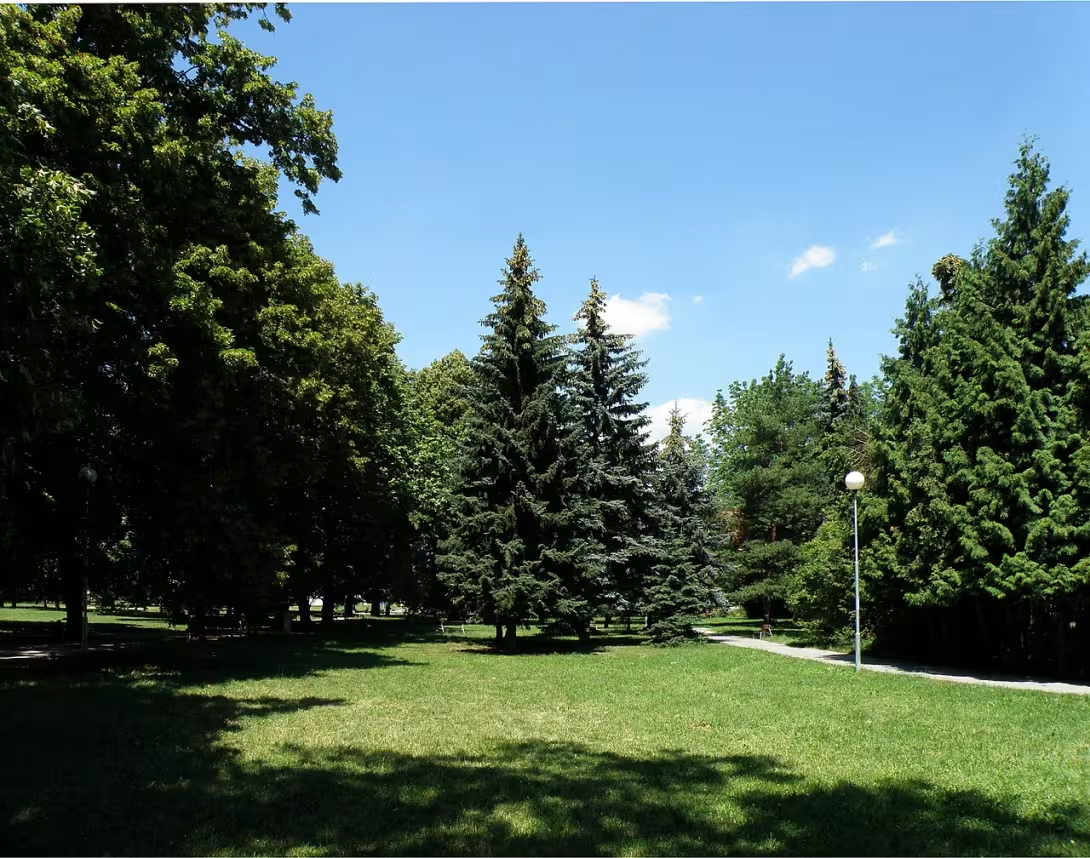

The historical appearance on the left is an AI-generated visualisation and serves as inspiration only.
Historical milestones
- 1853
- The cemetery was moved to its current location.
- 1907
- Transformed into the first allotment garden colony in Austria-Hungary.
- 1989
- Park reverted to its original name after the fall of communism.
Architectural development
The site originally served as a cemetery before being repurposed into an allotment garden colony in 1907. In the mid-20th century, it was redeveloped into a public park with new facilities, including a children's playground built in the 1970s and renovated in the 1990s.
Historical events
1853: The cemetery was moved to its current location.
1907: Transformed into the first allotment garden colony in Austria-Hungary.
Late 1950s - Early 1960s: Underwent major reconstruction and became a public park.
Post-1989: Park reverted to its original name after the fall of communism.
Guide
This guide is narrated by a synthetic voice generated by artificial intelligence.
Show guide text
This text was created by artificial intelligence and has not been editorially reviewed. It may contain inaccuracies.
Schreberovy zahrádky is a park in the Brno-sever district of the city of Brno. It covers an area of two point four hectares in the cadastral territory of Černá Pole, on a roughly triangular plot of land between Lesnická, Jugoslávská and Volejníkova streets.
Today's park was created on the site of a former cemetery. It was located on the eastern border of the former cadastral territory of Dolní and Horní Cejl, not far from an extension of Králova Pole. The Zábrdovický cemetery had been located since seventeen eighty-three near today's Vranovská street. It was moved there in eighteen fifty-three.
After the cemetery was closed, its transformation began. From nineteen seven onwards, the very first allotment garden colony on the territory of the former Austria-Hungary gradually developed here. It was named after the orthopedic surgeon Schreiber, who advocated that his patients should recover through time spent in fresh air.
At the turn of the nineteen-fifties and nineteen-sixties, the site underwent a complete reconstruction and the allotment gardens became a park. Before nineteen eighty-nine, it bore the name of Julius Fučík. At the tip of the park, at the intersection of Lesnická and Jugoslávská streets, the Fučík monument stood there at that time. After the fall of communism, the park was given back its original name.
In the nineteen-seventies, a children's playground was created here. During its renovation in the nineteen-nineties, wooden climbing structures were added. The renovation of the entire park took place from October two thousand six to May two thousand seven.
Throughout its existence, the park has served as a place of rest. People from all over Černá Pole often come here.
Tips for visitors
The best time to visit Schreberovy zahrádky is during the spring or early autumn when the weather is mild, and the park's natural beauty is at its peak. During these seasons, you can enjoy blooming flowers and lush greenery without the summer crowds or winter chill. Additionally, visiting on a weekday might offer a more tranquil experience as weekends tend to be busier.
Always check current transport options online before your visit.
When visiting Schreberovy zahrádky, consider bringing comfortable walking shoes and a hat to protect against the sun. A picnic blanket or portable chairs can enhance your experience if you plan to relax for a while in the park. Additionally, carrying water is advisable, especially during warmer months, as there may be limited facilities available.
For photography enthusiasts, Schreberovy zahrádky offers picturesque spots throughout its grounds. Early morning light provides soft illumination that enhances the natural beauty of the park's flora and pathways. Try capturing images near the historical structures or along the scenic walkways for a diverse range of shots. Be mindful of other visitors to ensure everyone enjoys their time in the park.
Nearby, within a 30-minute drive from Schreberovy zahrádky, you can visit the Moravian Gallery in Brno, which showcases an impressive collection of art and architecture. Another option is the Tugendhat House, a UNESCO World Heritage site known for its architectural significance. Both attractions offer cultural insights into the region's rich history.
Frequently asked questions
Can the monument be visited?
Parks and gardens are often open to the public, but some have opening hours or are part of a closed site. We have not verified the entry conditions.
What are the opening hours and admission?
We have not verified the opening hours or admission. Current information is published by the operator.
Where is the monument?
Location: Černá Pole (Brno-sever), Jihomoravský kraj. The map on this page shows the exact spot.
Businesses nearby
Do you run a restaurant, accommodation, shop, museum, rental, wellness or other visitor service near this monument? Show yourself directly to the people heading to it — this is how they will see you in the app and on the web:
Events nearby


Zdroj akcí: otevřená data měst a obcí ČR (Národní katalog otevřených dat) a kalendář akcí Národního památkového ústavu.
Accommodation nearby
Trips and activities nearby
Guided tours, tickets and activities nearby from GetYourGuide
Affiliate link: if you buy from the partner, we may receive a commission. The price for you does not change.
Search tours and activities →Themed route
Trasa: Schreberovy zahrádky a okolí
1. Schreberovy zahrádky (park) - hlavní cíl trasy. Jedinečné parkové komplexy zahrádek, které navrhl architekt Otto Schreber, stojí za návštěvou pro jejich jedinečnou architektonickou hodnotu a historii. 2. Kostel svatého Petra a Pavla (kostel) - stojí za návštěvu pro svou krásnou architekturu a bohatou historii. Kostel je významnou dominantou obce a jeho interiér je bohatě zdoben. 3. Městská památková zóna Černá Pole (městská památková zóna) - stojí za návštěvou pro její jedinečnou architektonickou hodnotu a historii. Zóna je plná historických domů a budov, které představují charakteristické rysy městské památkové zóny. 4. Kaple svatého Jana Nepomuckého (kaple) - stojí za návštěvou pro svou jedinečnou architekturu a historii. Kaple je malá, ale velmi působivá a nachází se v blízkosti Schreberových zahrad.
Seasonal recommendations
Jaro: In the spring season, Schreberovy zahrádky is full of life and color. Flowers begin to bloom and green leaves spread across the entire park. The atmosphere is filled with optimism and hope. We recommend visiting the park before 9:00 AM to avoid crowds that arrive later.
Léto: In summer, Schreberovy zahrádky is full of life and energy. Flowers are in full bloom and temperatures are warm. We recommend visiting the park early in the morning to avoid crowds that arrive later. It's also a good idea to bring plenty of water and shade, as the park can get hot.
Podzim: In autumn, Schreberovy zahrádky is full of beautiful colors and scents. Tree leaves change to shades of red, yellow, and gold. The atmosphere is calm and quiet. We recommend visiting the park at noon when sunlight illuminates the park and reduces shadows.
Zima: In winter, Schreberovy zahrádky is peaceful and quiet. Trees are covered in snow and the park is full of tranquility. We recommend visiting the park at noon when it's open only until 3:00 PM to avoid long waits. It's also a good idea to bring warm clothing, as the park can be cold.
Visualizations and artistic views


The visualisations are generated by artificial intelligence and serve as inspiration.
Photos from the area
Real photos taken near the monument


Zdroj a licence jsou uvedeny u každého snímku.
Tips from visitors
No tips yet. Be the first!
Log in and add your tip.
Sources and literature
Photos: Beren / CC BY-SA 4.0, rozlišení zvýšeno umělou inteligencí — Wikimedia Commons. The author and licence also appear when you hover over the image.
Faktickým podkladem tohoto textu byl článek na Wikipedii, jehož autory jsou přispěvatelé Wikipedie. Článek je dostupný pod licencí CC BY-SA 4.0.
Location on the map


Příběhy a pověsti
Legendy, pověsti a příběhy spjaté s touto památkou
Fotografie návštěvníků
Zatím žádné fotografie. Buďte první, kdo přidá fotografii z návštěvy!
Log in a přidejte svou fotografii nebo hodnoťte.
Za ověřenou návštěvu v aplikaci získáte víc bodů — poznáme podle GPS, že jste na místě.
Reviews and comments