






Sedlecký klášter Monastery
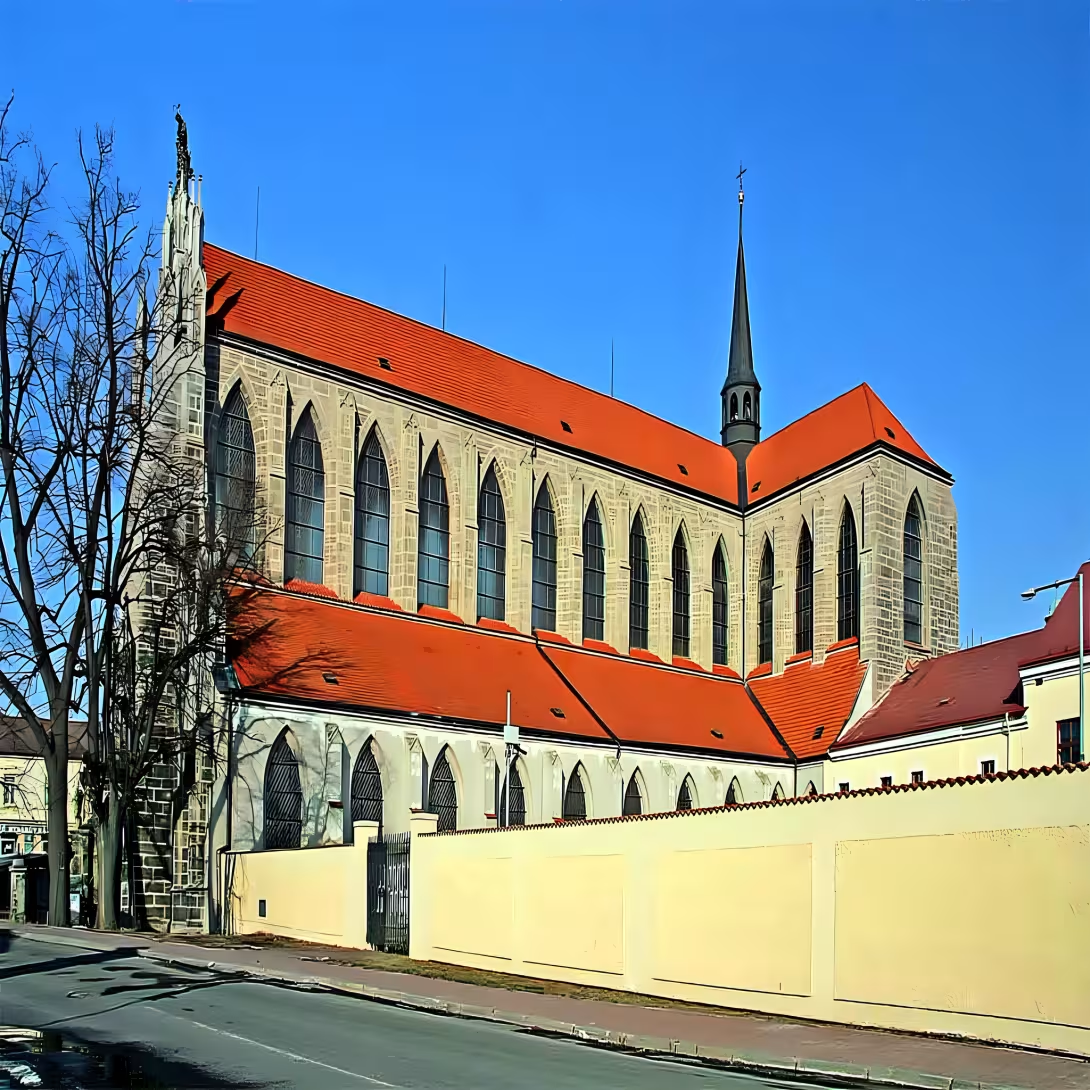
Sedlecký Klášter, located near Kutná Hora in Sedlec, Czech Republic, stands as a testament to Bohemia's rich monastic history. Founded in 1142 by Miroslav and Gerlach z Valdštejna under Bishop Jindřich Zdík of Olomouc, it was the region's first Cistercian monastery. Its historical significance is highlighted by its inclusion in the UNESCO World Heritage Site listing for Kutná Hora town centre in 1995, celebrated for its outstanding Baroque architecture and housing the renowned Sedlec Ossuary.
The foundation of Sedlecký Klášter coincided with a period of monastic growth across Europe during the early 12th century under the Přemyslid dynasty. Established on land previously covered by wood and swamp, granted by Miroslav from the House of Vartenberk, it quickly rose to prominence under Abbot Heinrich Heidenreich between 1282 and 1304. The monastery benefited economically from nearby silver mines and established several daughter monasteries.
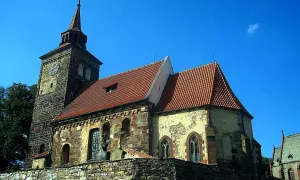
Architecturally, Sedlecký Klášter evolved through various styles over its history. Initially constructed in the Romanesque style, it underwent significant remodeling into Gothic architecture between 1280 and 1320. The abbey church, dedicated to the Assumption of Mary and Saint John the Baptist, was built as a basilica with five naves during this period. After being destroyed by Hussite forces led by Jan Žižka in 1421, it underwent reconstruction at the beginning of the 18th century. The church was rebuilt from 1699 to 1707 following designs by Paul Ignaz Bayer and Jan Santini Aichel, with another restoration between 1854 and 1857 aimed at preserving its original appearance.
Throughout its history, Sedlecký Klášter experienced dramatic changes in ownership and fortune. Initially flourishing under the Cistercian Order until its destruction in 1421 by Hussite forces, it saw a revival after several decades, reaching new heights post-Thirty Years' War with additional buildings erected or remodeled. However, the abbey was ultimately dissolved in 1783.
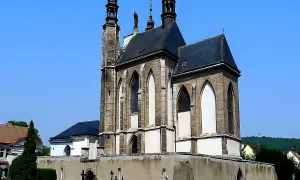
Key events at Sedlecký Klášter include its foundation and subsequent rise under Abbot Heidenreich, as well as its destruction by Hussites in 1421. The nearly one-meter-tall processional monstrance is a rare surviving artifact from this period. Additionally, the Chapel of All Saints, associated with the Brotherhood of the Holy Sepulchre since 1389 and remodeled in Baroque style by Santini Aichel in 1710, holds the Sedlec Ossuary in its basement.
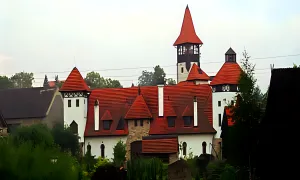
Today, the site of Sedlecký Klášter is marked by historical remnants such as the convent church. While much of the original monastery has been replaced by a cigarette factory operated by Philip Morris ČR and s. a., these remnants offer visitors a glimpse into its storied past. The abbey's architectural evolution, from Romanesque to Baroque, alongside its rich history, makes it a compelling site for those interested in Bohemia's monastic heritage.
Sedlecký Klášter remains an important cultural and historical landmark, inviting visitors to explore its legacy and appreciate the enduring impact of Cistercian monasticism in the Czech Republic. Its blend of architectural styles and historical significance provides a unique window into the past, making it well worth a visit for anyone interested in history or architecture.
Then and now
Drag the slider to compare how the landmark may have looked when it was built with the view today.
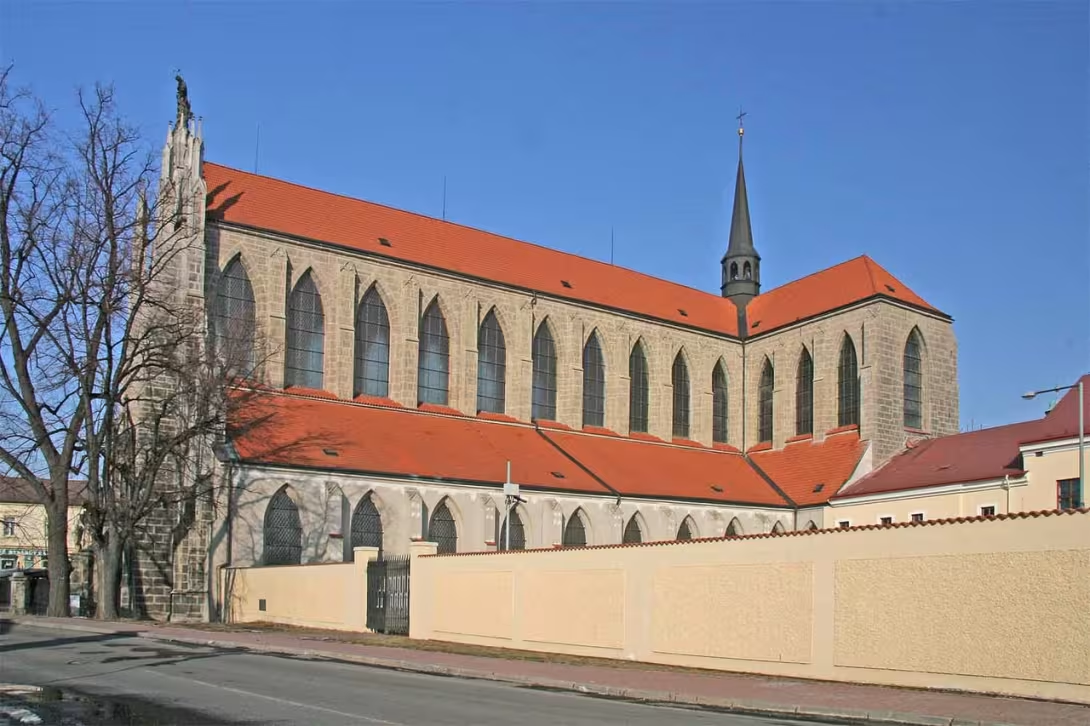
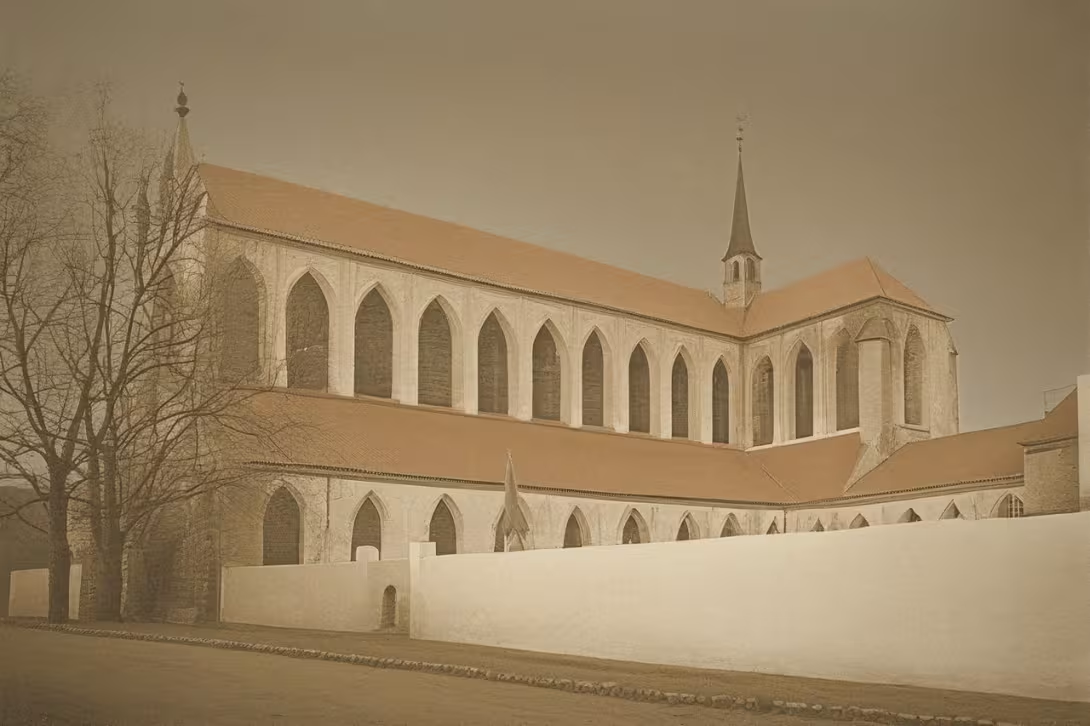
The historical appearance on the left is an AI-generated visualisation and serves as inspiration only.
Historical milestones
- 1142
- Foundation by Miroslav with advice from Bishop Jindřich Zdík.
- 1282
- Heidenreich becomes abbot and enhances the monastery's prominence.
- 1421
- Destruction by Hussite forces.
Architectural development
Initially modest in significance, Sedlecký klášter expanded its influence under Abbot Heidenreich. The monastery was involved in founding daughter monasteries and benefited economically from nearby silver mines. Its architectural development included the convent church of the Assumption of the Virgin Mary and St. John the Baptist.
Historical events
1142: Foundation by Miroslav and Gerlach z Valdsasy.
1282-1304: Under Abbot Heidenreich, the monastery gained prominence.
1421: Destruction by Hussite forces.
Owners
Founded by Miroslav
Cistercian Order until 1421
Points of interest
- One of the lesser-known facts about Sedlecký Klášter is its connection to the Brotherhood of the Holy Sepulchre, which has been associated with the site since 1389. This brotherhood played a significant role in the religious and cultural life of the monastery.
- The nearly one-meter-tall processional monstrance that survived the destruction by Hussite forces in 1421 is an intriguing artifact from Sedlecký Klášter's history, symbolizing both its religious significance and resilience through turbulent times.
- Despite being largely replaced by a cigarette factory operated by Philip Morris ČR and s. a., remnants of Sedlecký Klášter still stand today, offering visitors a glimpse into its storied past and the architectural evolution from Romanesque to Baroque styles.
- The abbey's economic prosperity was significantly boosted by nearby silver mines, which contributed to its wealth and influence in the region during its peak under Abbot Heinrich Heidenreich between 1282 and 1304.
- Sedlecký Klášter's history of dramatic changes includes being dissolved in 1783, marking the end of its monastic era but leaving behind a rich legacy that continues to be celebrated as part of the UNESCO World Heritage Site listing for Kutná Hora town centre.
Guide
This guide is narrated by a synthetic voice generated by artificial intelligence.
Show guide text
This text was created by artificial intelligence and has not been editorially reviewed. It may contain inaccuracies.
Welcome to the historic Sedlecký Klášter, nestled in the serene town of Sedlec within Středočeský kraj. As you stand here, take a moment to absorb the aura of this ancient site. Before your eyes lies a testament to centuries of monastic life and spiritual devotion.
The story of Sedlecký Klášter begins in 1142 when nobleman Miroslav founded it on the advice of Bishop Jindřich Zdík of Olomouc. This establishment marked a significant moment as it became the first Cistercian monastery in the Czech Kingdom, setting a precedent for monastic life in Bohemia. Its foundation was not just an act of piety but also a strategic move to enhance religious and cultural influence in the region.
As you explore this site today, take note of the remnants that speak volumes about its architectural past. The convent church stands as a resilient survivor from times long gone. While specific architects remain unknown, the structure's enduring presence offers a glimpse into medieval design and craftsmanship.
Key figures have shaped Sedlecký Klášter’s storied history. Miroslav's vision laid the foundation, while Heidenreich, who became abbot in 1282, significantly enhanced its prominence. However, the monastery faced turmoil during the Hussite Wars when it was destroyed in 1421. Despite this devastation, echoes of its former glory remain.
Now, let’s delve into a fascinating aspect of Sedlecký Klášter. Since 1389, the site has been associated with the Brotherhood of the Holy Sepulchre, highlighting its importance beyond monastic confines. This brotherhood played an integral role in shaping the religious and cultural life here, adding layers to the monastery's rich tapestry.
As you continue your journey through this historic landscape, I invite you to explore further and let your imagination wander through time. Discover more about the stories etched into every stone and pathway. Thank you for visiting Sedlecký Klášter, a place where history whispers secrets of devotion and resilience. Safe travels as you uncover more wonders in this enchanting region.
Tips for visitors
The best time to visit Sedlecký klášter is during the late spring or early autumn months, when the weather is pleasant for exploring outdoor ruins and enjoying the surrounding landscape. During these times, you can appreciate the historical architecture without the discomfort of summer heat or winter cold. The lighting conditions are also ideal for photography, capturing the serene beauty of the monastery's remnants.
Parking and transportation options are convenient at Sedlecký klášter. There is parking available near the site, making it accessible by car. For those preferring public transport, there are routes that connect to nearby towns, allowing you to reach the ruins without needing a vehicle. It’s advisable to check current public transit options in advance for the most efficient travel plan.
When visiting Sedlecký klášter, consider bringing comfortable walking shoes as exploring the site involves some uneven terrain. A hat and sunscreen are recommended if you're planning your visit during sunny days. Additionally, carrying a camera or smartphone will help capture the stunning views of the ruins and the convent church nearby.
For photography enthusiasts, the best spots at Sedlecký klášter include areas around the convent church where natural light enhances the textures of the stone structures. Early morning or late afternoon offers the most favorable lighting conditions for capturing dramatic shadows and highlights. The surrounding landscape also provides a picturesque backdrop for your photos.
Nearby attractions within a 30-minute drive from Sedlecký klášter include historical sites such as Kutná Hora, known for its stunning Gothic architecture and UNESCO World Heritage status. Families with children might enjoy visiting the Sedlec Ossuary, famous for its unique skeletal decorations, located just a short distance from the ruins.
Businesses nearby
Do you run a restaurant, accommodation, shop, museum, rental, wellness or other visitor service near this monument? Show yourself directly to the people heading to it — this is how they will see you in the app and on the web:
Nearby
Today, the site of the former monastery houses a cigarette factory operated by Philip Morris ČR and s. a., with historical remnants like the convent church nearby.
Accommodation nearby
Trips and activities nearby
Guided tours, tickets and activities nearby from GetYourGuide
Affiliate link: if you buy from the partner, we may receive a commission. The price for you does not change.
Search tours and activities →Themed route
Tematická výletní trasa: Sedlecký klášter a okolí
1. Sedlecký klášter (Klášter) - Typ: Historické místo - Proč stojí za návštěvu: Navštivte tento klášterní komplex, který je známý svou bohatou historií a architektonickým významem. Klášter byl kdysi domovem řeholních bratří, kteří se starali o pohřebiště s tzv. "Černou kaplí", slavné pro svůj kostrový hrob.
2. Kostel Panny Marie Sedlecké (Konventský kostel) - Typ: Náboženské místo - Proč stojí za návštěvu: Tento konventský kostel je nedaleko kláštera a nabízí jedinečnou architekturu s bohatou historií. Je to významné duchovní místo, které představuje důležitý aspekt náboženského života kláštera.
3. Zbytky starých budov (Historické zbytky) - Typ: Historické pozůstatky - Proč stojí za návštěvu: Tyto historické zbytky jsou svědkem minulosti klášterního komplexu. Přestože se dnes nacházejí v blízkosti moderních budov, nabízejí cenný pohled na život a činnost, které kdysi probíhaly v této oblasti.
4. Philip Morris ČR a s. a. (Současná použití) - Typ: Průmyslové místo - Proč stojí za návštěvu: Dnes je na místě bývalého kláštera umístěna továrna Philip Morris, což představuje zajímavou transformaci historického místa do moderní průmyslové oblasti. Navštívte a uviděte, jak se historie prolíná s současným využitím.
Tato trasa nabízí kombinaci historických i současných zkušeností, které odrážejí bohatou minulost a moderní adaptace Sedleckého kláštera.
Seasonal recommendations
Spring: The arrival of spring at Sedlec Monastery brings a gentle awakening, as the surrounding landscape is adorned with fresh greens and budding flowers. This season offers a tranquil atmosphere where visitors can enjoy the serene beauty of nature without the overwhelming crowds typical in other seasons. As daylight extends into the evening, the ruins are softly illuminated by natural light, creating an ethereal ambiance that enhances their historical mystique. For those planning to visit, it's advisable to wear comfortable walking shoes and layers, as temperatures can be mild but unpredictable. Early morning visits are recommended to fully appreciate the quiet beauty of the site before larger groups arrive.
Summer: Summer at Sedlec Monastery is marked by vibrant greenery and long days filled with sunlight that accentuates the ancient stones of the ruins. This season often sees a higher number of visitors, drawn by both the historical significance and the pleasant weather, making it ideal for those who enjoy lively atmospheres. To avoid the crowds, consider visiting in the early morning or later in the afternoon when the site is less busy. Light clothing is recommended to stay comfortable during the warmer days, but don't forget a hat and sunscreen to protect against the sun.
Autumn: The autumn months transform Sedlec Monastery into a picturesque canvas of warm colors, with leaves turning shades of amber and gold. This seasonal change creates a cozy and reflective atmosphere that complements the historical aura of the ruins. As daylight shortens, the golden hour provides stunning lighting for photography enthusiasts. Visitors should dress in layers to accommodate the cooler temperatures and unpredictable weather. The site remains popular during this time, so arriving early can help avoid larger groups and allow for a more personal experience.
Winter: Winter at Sedlec Monastery offers a stark yet beautiful contrast, with snow-covered ruins that evoke a sense of timeless solitude. The shorter days mean the site is illuminated by softer, often dramatic lighting from the low winter sun, adding to its mystical appeal. This season attracts fewer visitors, providing an opportunity for those seeking peace and quiet to explore at their own pace. It's essential to wear warm clothing, including thermal layers, a hat, gloves, and sturdy boots, as temperatures can be quite cold. Be mindful of shorter opening hours during this time, planning your visit accordingly to make the most of your experience.
Visualizations and artistic views


The visualisations are generated by artificial intelligence and serve as inspiration.
Photos from the area
Real photos taken near the monument


Zdroj a licence jsou uvedeny u každého snímku.
Tips from visitors
No tips yet. Be the first!
Log in and add your tip.
Sources and literature
Photos: cs:User:Zp (autor:Zp) / CC BY-SA 3.0, rozlišení zvýšeno umělou inteligencí — Wikimedia Commons. The author and licence also appear when you hover over the image.
Faktickým podkladem tohoto textu byl článek na Wikipedii, jehož autory jsou přispěvatelé Wikipedie. Článek je dostupný pod licencí CC BY-SA 4.0.
Location on the map
Příběhy a pověsti
Legendy, pověsti a příběhy spjaté s touto památkou
Fotografie návštěvníků
Zatím žádné fotografie. Buďte první, kdo přidá fotografii z návštěvy!
Log in a přidejte svou fotografii nebo hodnoťte.
Za ověřenou návštěvu v aplikaci získáte víc bodů — poznáme podle GPS, že jste na místě.
Reviews and comments