






Seeberg Castle
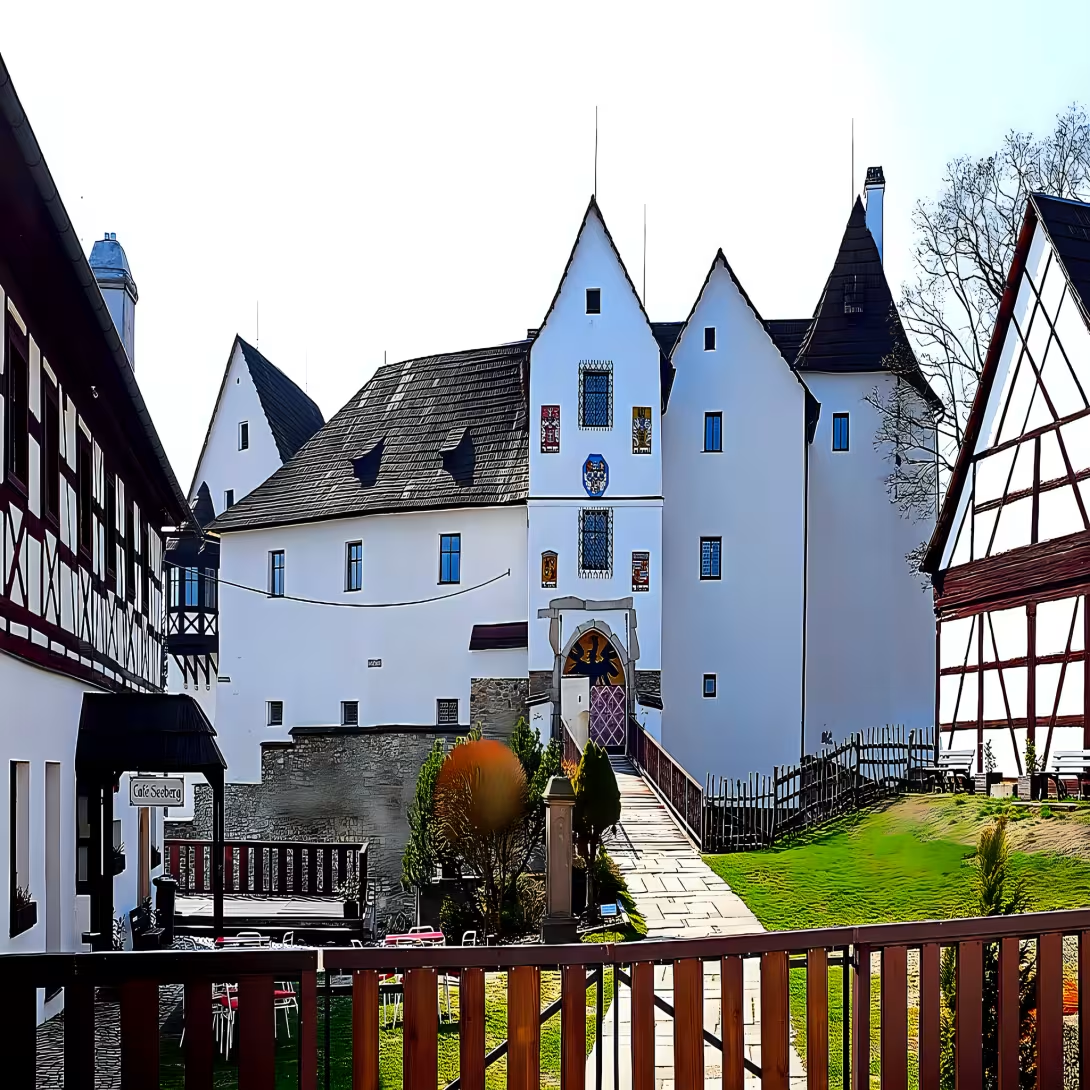
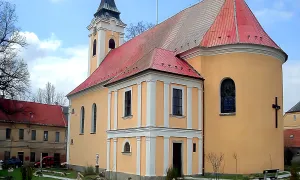
Seeberg, also known as Ostroh, is a castle located in Poustka, Karlovy Vary Region, Czech Republic. Perched on a rocky outcrop above Slatinný potok, this historical monument has been recognized for its cultural significance and stands as a testament to the region's rich history. The site dates back to prehistoric times with evidence of Bronze Age settlements, highlighting its long-standing importance.
The origins of Seeberg trace back to the early 13th century when Bohemia was part of the Holy Roman Empire. During this period, political shifts and territorial disputes were common, shaping the region's history. The castle first appeared in documented records in 1322 as collateral for King John of Luxembourg, marking its initial significance in regional governance.
Architecturally, Seeberg features a two-part layout with remnants of Romanesque fortifications, including a gatehouse. Over time, it underwent several modifications, notably adopting Gothic elements such as an extended gateway and the addition of a surrounding park. These changes reflect evolving architectural styles and functional needs through the centuries.
Ownership of Seeberg has seen notable transitions over the years. Initially part of Cheb city from 1398 to 1435, it was gifted by Emperor Sigismund to Chancellor Kaspar Šlik in 1435. The castle later came under Kašpar Juncker's control and subsequently Konrád and Jošt z Neuberga following Juncker's death. In 1648, Swedish forces led by General Königsmark captured, looted, and burned down Seeberg during a prolonged conflict, marking a dramatic chapter in its history.
Despite these turbulent events, the castle has been preserved through various restoration efforts. Phased restorations led by J. Pröckl between 1905-1915 saved it from complete ruin. In the 1970s, further preservation work was undertaken by the Municipal Museum in Františkovy Lázně to maintain its structural integrity.
Today, Seeberg stands as a cultural monument open for visitors to explore. The surrounding landscape includes natural features like Slatinný potok and historical sites such as the Church of Saint Wolfgang. Traditional Cheb architecture is also represented by relocated buildings within the castle grounds. A didactic trail opened around Seeberg in 2007, offering insights into nearby attractions like a mill and chapel.
Visiting Seeberg offers a unique opportunity to delve into the region's history and appreciate its architectural evolution. The site not only provides a glimpse into the past but also serves as a reminder of the resilience and cultural heritage that have shaped this area over centuries. It is an inviting destination for those interested in exploring historical landmarks and understanding their significance within the broader tapestry of European history.
Then and now
Drag the slider to compare how the landmark may have looked when it was built with the view today.
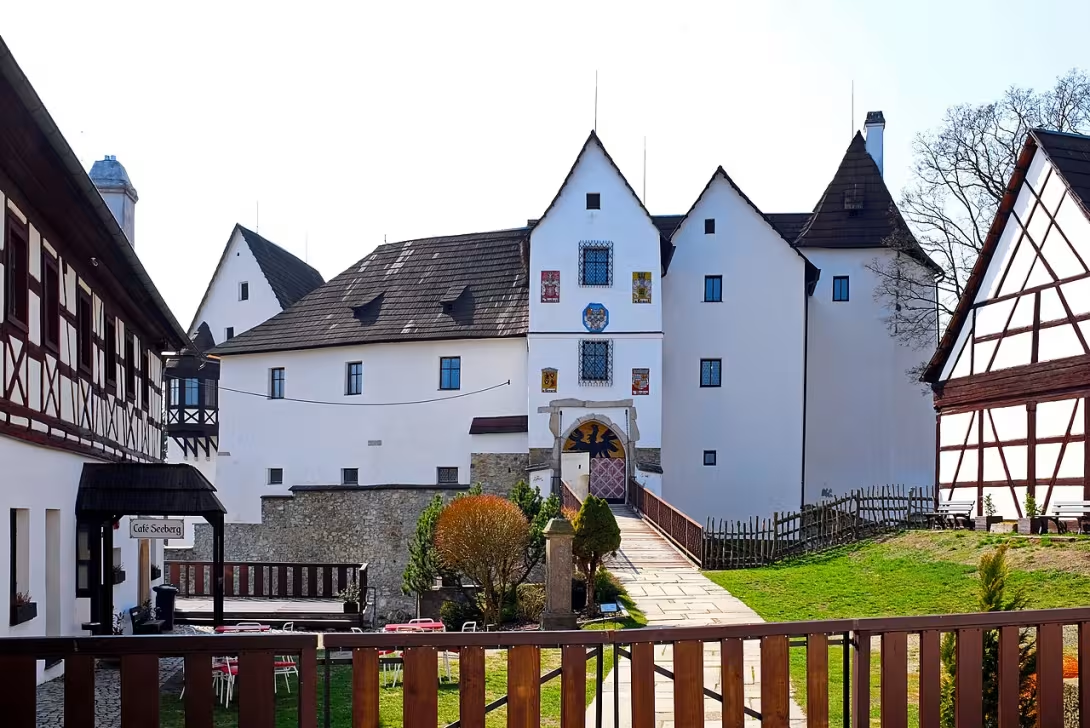
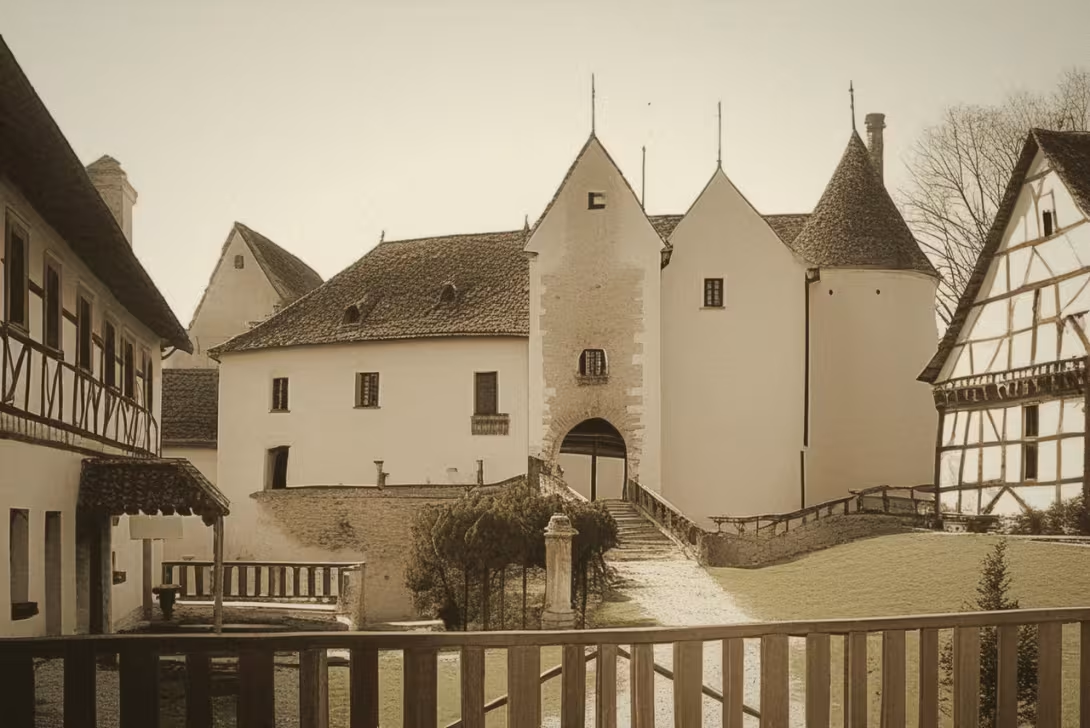
The historical appearance on the left is an AI-generated visualisation and serves as inspiration only.
Historical milestones
- 1322
- First documented mention as collateral for King John of Luxembourg.
- 1435
- Gifted by Emperor Sigismund to Chancellor Kaspar Šlik.
- 1648
- Captured and destroyed by Swedish forces under General Königsmark.
Architectural development
The castle's core originally occupied a smaller area than today. It features a two-part layout with remnants of Romanesque fortifications including a gatehouse. Over time, the structure underwent several modifications, notably in Gothic style, which included the addition of a surrounding park and an extended gateway. The current appearance of the outer bailey results from later renovations unrelated to its original Gothic design.
Historical events
First documented mention in 1322 when it became part of the collateral for King John of Luxembourg.
In 1435, Emperor Sigismund gifted Seeberg to Chancellor Kaspar Šlik.
The castle was severely damaged during a prolonged conflict between the Neubergs and Jorg Zedtwitz in the mid-15th century.
In 1648, Swedish forces under General Königsmark captured, looted, and burned down Seeberg.
Owners
Cheb city (1398-1435)
Kaspar Šlik (1435-1461)
Kašpar Juncker (1461-after his death)
Konrád and Jošt z Neuberga (after Kašpar Juncker's death)
Vít Dětřich ze Steinheimu (before 1648)
Cheb city (1703-present)
Points of interest
- Despite its historical significance, Seeberg's role as collateral for King John of Luxembourg in 1322 is often overshadowed by more famous castles involved in the political machinations of the Holy Roman Empire.
- The castle's transition from a fortified stronghold to a site with Gothic architectural elements reflects broader European trends during the medieval period, yet it remains one of the lesser-known examples of such evolution in the Czech Republic.
- In 1648, Seeberg became a target for Swedish forces under General Königsmark, an event that is not widely recognized outside military history circles but highlights the region's strategic importance during conflicts involving the Holy Roman Empire and Sweden.
- The phased restorations led by J. Pröckl between 1905-1915 are crucial to Seeberg’s survival; however, these efforts are rarely mentioned in broader discussions of architectural preservation in Central Europe.
- While Seeberg is now a cultural monument open for visitors, its didactic trail, which opened in 2007, offers unique insights into the local history and landscape that many tourists overlook when visiting more prominent sites like Karlovy Vary.
Guide
This guide is narrated by a synthetic voice generated by artificial intelligence.
Show guide text
This text was created by artificial intelligence and has not been editorially reviewed. It may contain inaccuracies.
Welcome to the historic site of Seeberg, known locally as Ostroh, a remarkable castle perched on an imposing rocky outcrop above Slatinný potok in the town of Poustka within the Karlovy Vary Region. As you stand here, take a moment to absorb the grandeur and mystery that surrounds this cultural monument. Its rugged terrain speaks volumes about its storied past, stretching back to prehistoric times with evidence of Bronze Age settlements.
The origins of Seeberg are steeped in medieval intrigue. First documented in 1322, it served as collateral for King John of Luxembourg—a fact often overshadowed by the more illustrious castles within the Holy Roman Empire. By 1435, Emperor Sigismund had gifted the castle to Chancellor Kaspar Šlik, marking its significance during a turbulent period in European history. However, its fate took a dramatic turn in 1648 when Swedish forces led by General Königsmark captured and destroyed it.
As you explore Seeberg's remnants, notice how the site has evolved from a fortified stronghold to an architectural tapestry that hints at Gothic influences. Although specific architects remain unknown, the castle’s strategic location and design reflect its historical role as both a noble residence and a military bastion. Take in the atmosphere of resilience and transformation that lingers here.
Key figures associated with Seeberg add layers to its rich history. Ludvík IV. Bavor, Jan Lucemburský, Zikmund Lucemburský, Kašpar Šlik, and Vít Dětřich ze Steinheimu all played roles in shaping the destiny of this castle. Their stories are interwoven with Seeberg’s evolution from a medieval fortress to its current state as a historical monument.
An intriguing aspect of Seeberg is its initial role as collateral for King John of Luxembourg, an event that highlights the political complexities of the era. Despite being overshadowed by grander castles in historical narratives, this detail underscores Seeberg's importance in regional power dynamics.
As you continue your exploration, let the history and mystery of Seeberg inspire you. This site invites you to delve deeper into its past, uncovering stories that have shaped not just a castle but an entire region. Thank you for joining us on this journey through time. We hope you leave with a greater appreciation for the layers of history embedded in these ancient stones.
Tips for visitors
The best time to visit Seeberg Castle is during late spring or early autumn when the weather is mild, and the surrounding landscape of Slatinný potok is particularly picturesque. During these seasons, you can enjoy pleasant temperatures and vibrant natural scenery without the crowds typical of summer months. Additionally, visiting in the morning provides soft lighting for photography and a chance to explore before it gets too busy.
Parking at Seeberg Castle is convenient as there are designated parking areas near the site. For those preferring public transportation, you can reach Poustka by bus or train from Karlovy Vary, with further local transport options available within the town. It's advisable to verify current routes and schedules through a travel planner or official website for the most accurate information.
When planning your visit, consider bringing comfortable walking shoes as exploring the castle grounds involves some hiking due to its rocky terrain. A camera is recommended to capture stunning views of the natural landscape and architectural details. Don’t forget to bring water and snacks, especially if you plan to spend several hours at the site or explore nearby areas.
For photography enthusiasts, the best spots for capturing Seeberg Castle are from the south side where the castle overlooks Slatinný potok, offering a dramatic backdrop of natural beauty. The golden hour during sunrise or sunset provides excellent lighting conditions, enhancing the textures and colors of both the architecture and landscape. Additionally, photographing the relocated traditional Cheb buildings within the grounds can add historical context to your shots.
Nearby attractions worth visiting include the Church of Saint Wolfgang, which is a short drive away and offers insight into local religious history. The natural feature Slatinný potok itself provides opportunities for leisurely walks or picnics in its scenic surroundings. For families with children, these areas offer both educational content and recreational activities, making them ideal spots to explore after visiting the castle.
Frequently asked questions
Can the monument be visited?
Yes. We verified the opening hours or admission on the official website (28. 8. 2026); you will find them in the visitor information on this page. Please double-check with the operator before you travel.
What are the opening hours and admission?
Details verified on the official website (28. 8. 2026) are listed in the visitor information on this page. Official website: http://www.seeberg.cz/
Where is the monument?
Location: Ostroh č.p. 18, Poustka, Karlovarský kraj. The map on this page shows the exact spot.
Why is the monument protected?
It is listed in the Central List of Cultural Monuments of the Czech Republic as a cultural monument (register no. 45571/4-114).
Businesses nearby
Do you run a restaurant, accommodation, shop, museum, rental, wellness or other visitor service near this monument? Show yourself directly to the people heading to it — this is how they will see you in the app and on the web:
Nearby
The surrounding landscape includes natural features such as Slatinný potok and historical sites like the Church of Saint Wolfgang. The area is also home to traditional Cheb architecture exemplified by relocated buildings within the castle grounds.
Accommodation nearby
Themed route
Thematic Tour Itinerary: Seeberg Castle and Surroundings
1. Seeberg (Castle) - Type: Historical Site - Why Visit: The Seeberg Castle, located in the village of Ostroh, is a captivating medieval fortress with rich history dating back to the 13th century. Visitors can explore its impressive architecture and delve into the stories of its past inhabitants. Within the castle grounds, you'll find traditional Cheb architecture exemplified by relocated buildings that offer a glimpse into historical building techniques.
2. Church of Saint Wolfgang - Type: Historical Site - Why Visit: A short walk from Seeberg Castle, this church is an architectural gem with its distinctive Gothic style and serene atmosphere. It provides insight into the religious history of the region and serves as a peaceful retreat for reflection amidst the lush landscape.
3. Slatinný Potok - Type: Natural Feature - Why Visit: Flowing through the picturesque surroundings, Slatinný Potok offers a tranquil setting perfect for nature lovers. The stream's gentle waters and surrounding greenery create an ideal spot for leisurely walks or picnics, allowing visitors to connect with the natural beauty of the Karlovarský kraj.
This itinerary provides a balanced exploration of both historical and natural attractions in the vicinity of Seeberg Castle, ensuring a memorable experience.
Seasonal recommendations
Spring: The arrival of spring at Seeberg Castle brings a refreshing atmosphere as nature awakens with blooming flowers and lush greenery enveloping the historic site. This season offers a unique opportunity to witness the castle against a backdrop of vibrant colors, making it an ideal time for photography enthusiasts. Visitors can enjoy pleasant temperatures and longer daylight hours, which are perfect for leisurely exploring the grounds. It's advisable to wear layers as mornings can still be cool, and comfortable walking shoes are recommended due to occasional muddy paths from spring rains. While crowds might not be as dense as in summer, it’s a good idea to arrive early to fully enjoy the serene environment.
Summer: During summer, Seeberg Castle is bathed in golden sunlight that accentuates its architectural beauty, creating an inviting atmosphere for visitors. The lush surroundings and warm weather make this season ideal for outdoor activities such as picnicking or hiking nearby trails. However, it's important to note that this is the peak tourist season, so expect larger crowds and longer wait times at popular spots within the castle grounds. To avoid the midday heat, plan your visit in the early morning or late afternoon. Dress comfortably in light clothing and don't forget sun protection like hats and sunscreen.
Autumn: Autumn transforms Seeberg Castle into a picturesque haven with its rich palette of reds, oranges, and yellows as the leaves change color. The cooler temperatures provide a comfortable environment for exploring both the castle interiors and its scenic landscapes. This season is particularly enchanting for those who appreciate nature photography or simply enjoy a tranquil walk through the foliage. As the days begin to shorten, it’s wise to plan your visit during daylight hours. Layered clothing will help you adjust to fluctuating temperatures throughout the day.
Winter: Winter cloaks Seeberg Castle in a serene blanket of snow, offering a magical and peaceful experience as the landscape transforms into a winter wonderland. The castle takes on an ethereal quality under the soft glow of sunlight reflecting off the snow-covered grounds. While some areas might be less accessible due to snow or ice, this season provides a unique opportunity for those who enjoy quieter visits with fewer crowds. It's essential to dress warmly in layers and wear sturdy boots suitable for walking on potentially slippery surfaces. Since opening hours may vary during winter months, it’s advisable to check ahead of your visit.
Visualizations and artistic views


The visualisations are generated by artificial intelligence and serve as inspiration.
Photos from the area
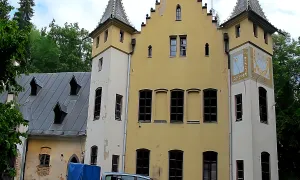
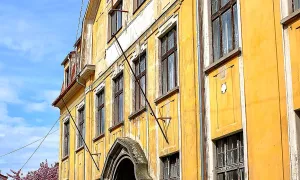
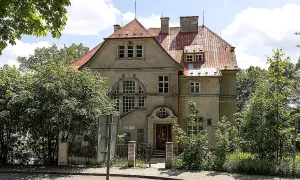
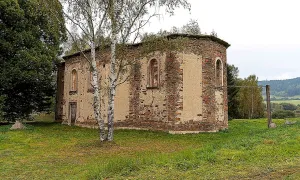
Real photos taken near the monument

Zdroj a licence jsou uvedeny u každého snímku.
Atmosphere of the place
This atmospheric visualisation of the place and period was generated by artificial intelligence. It is not real footage of the location.
Tips from visitors
No tips yet. Be the first!
Log in and add your tip.
Sources and literature
Photos: Lubor Ferenc / CC BY-SA 4.0, rozlišení zvýšeno umělou inteligencí — Wikimedia Commons. The author and licence also appear when you hover over the image.
Faktickým podkladem tohoto textu byl článek na Wikipedii, jehož autory jsou přispěvatelé Wikipedie. Článek je dostupný pod licencí CC BY-SA 4.0.
Location on the map
Příběhy a pověsti
Legendy, pověsti a příběhy spjaté s touto památkou
Fotografie návštěvníků
Zatím žádné fotografie. Buďte první, kdo přidá fotografii z návštěvy!
Log in a přidejte svou fotografii nebo hodnoťte.
Za ověřenou návštěvu v aplikaci získáte víc bodů — poznáme podle GPS, že jste na místě.
Reviews and comments