






Selské muzeum Michalův statek Museum building
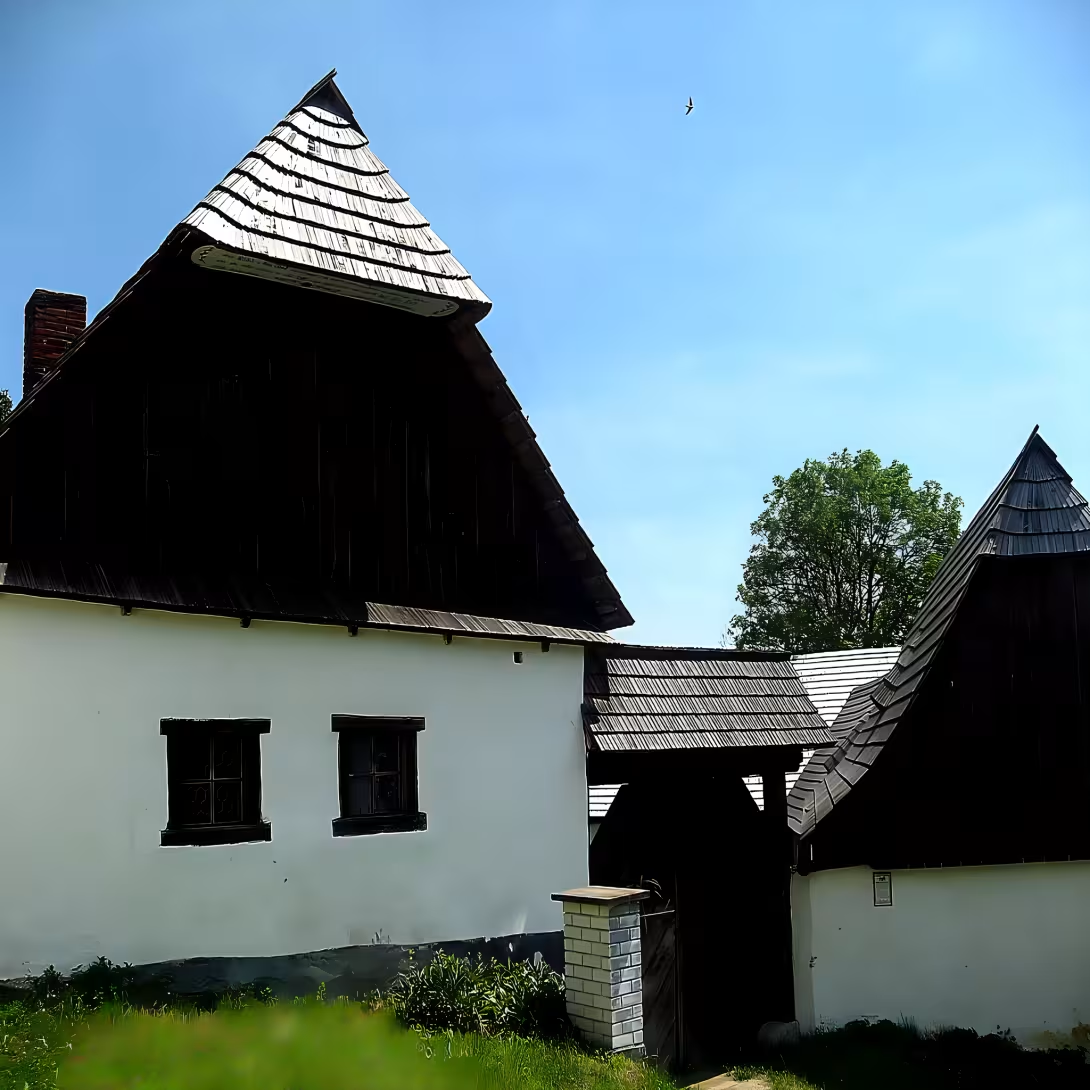
Selské muzeum Michalův statek is a museum and national cultural monument in Pohled, Vysočina Region, Czech Republic. Established as a museum on August 1, 2004, it was declared a cultural monument in 2003 and elevated to national status in 2014. The site offers an authentic glimpse into rural Bohemia's historical lifestyle through its traditional architectural complex.
The origins of Michalův statek date back to around 1591 when the Michal family is first mentioned in connection with it, as noted in the Registrech panství světelského. Over time, the estate experienced various ownership changes and significant historical events that shaped its legacy. In 1788, Václav Michal acquired the property from the manor lords, marking a pivotal moment in its history. By 1798, it was divided into two parts, with Matěj Michal later becoming an influential figure as mayor of Pohled between 1902 and 1926. The estate underwent nationalization after 1950 but returned to private ownership following the Velvet Revolution, with Karel Michal being its last owner until his death in 1997. In 2000, the town purchased the estate, leading to its restoration and transformation into a museum by 2004.
Architecturally, Michalův statek is an oriented building facing the village square, featuring both residential and agricultural structures that form enclosed courtyards. The residential section includes several rooms such as a hall, kitchen, and other traditional spaces like a black kitchen and chamber. Notably, it also houses a barn directly connected to living quarters, emphasizing its dual-purpose design. Other significant buildings include a granary, storage sheds for wood and tools, and a gatehouse. Among the complex's features are a milk cellar, potato cellar, well, and a small building from 1924, reflecting the estate’s historical functionality.
Throughout its history, Michalův statek has experienced dramatic changes in ownership and fortune. The Michal family played a central role in its early development and management. After nationalization post-1950, it returned to private hands following political shifts in Czechoslovakia. The town's acquisition of the estate in 2000 marked a new chapter, leading to its preservation as a cultural monument.
Key events at Michalův statek include its declaration as a cultural monument in 2003 and its elevation to national cultural monument status on May 28, 2014. These recognitions underscore its historical and cultural significance within the Czech Republic. The estate also hosts various events related to rural life themes, enhancing its role as an educational resource.
Today, Michalův statek stands as a testament to the region's rich history and cultural heritage. Visitors can explore its well-preserved buildings and learn about traditional rural lifestyles through exhibitions and activities. Its accessibility and engaging programming make it a worthwhile destination for those interested in Czech history and culture.
Selské muzeum Michalův statek offers a unique opportunity to connect with the past, providing insights into the lives of those who lived and worked on this estate over centuries. It is an invitation to explore and appreciate the enduring legacy of rural Bohemia.
Then and now
Drag the slider to compare how the landmark may have looked when it was built with the view today.
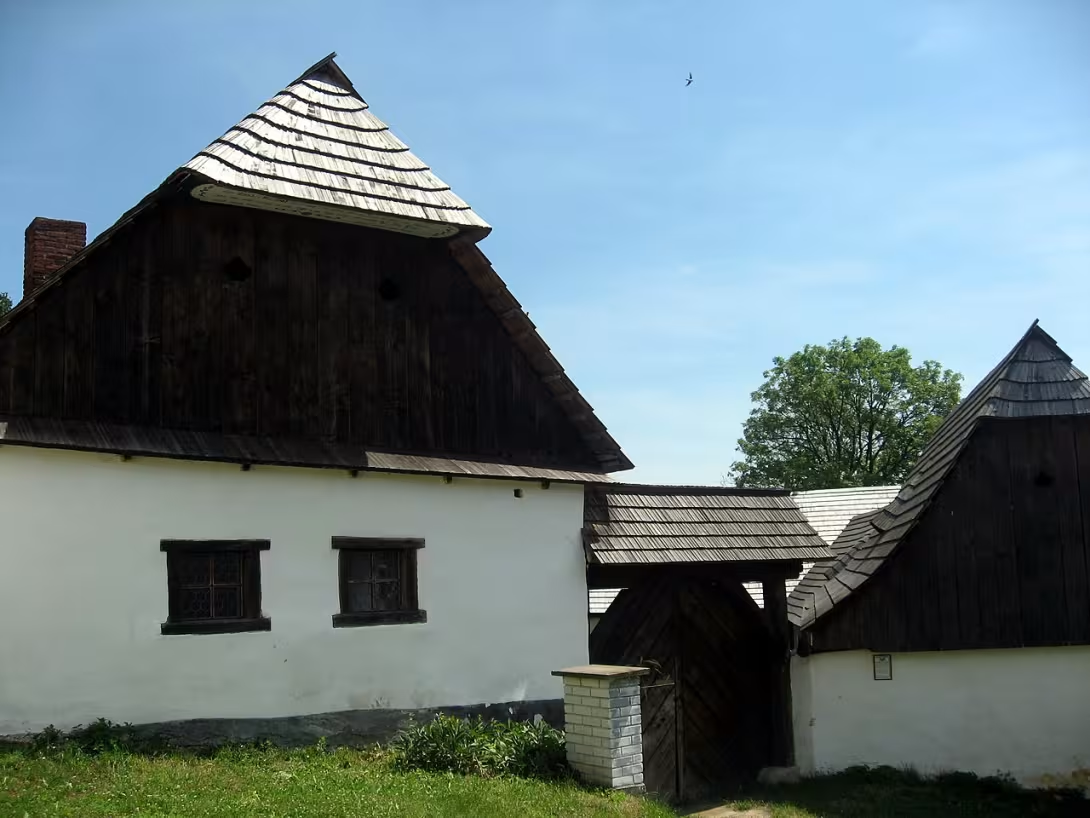
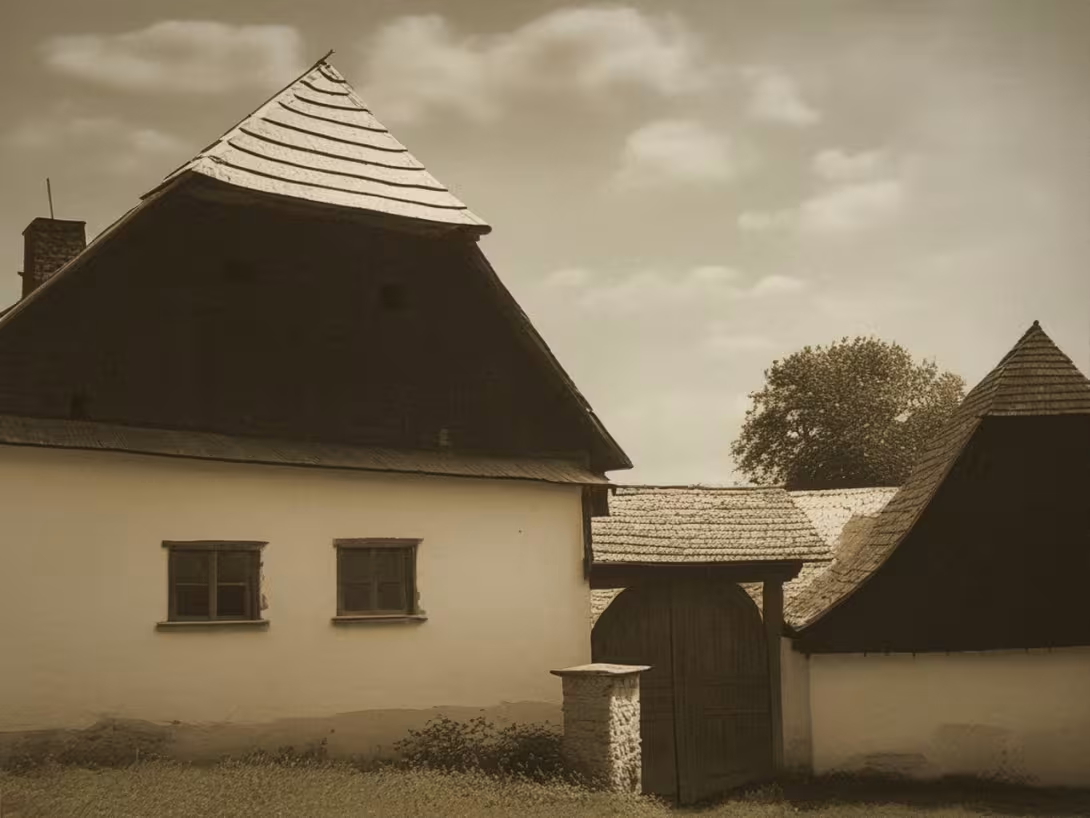
The historical appearance on the left is an AI-generated visualisation and serves as inspiration only.
Historical milestones
- 1591
- Michal family first mentioned in connection with Michalův statek.
- 1788
- Václav Michal acquires the property from manor lords.
- 1798
- Estate divided into two parts.
- 1902
- Matěj Michal becomes mayor of Pohled, serving until 1926.
- 1950
- Estate undergoes nationalization after this year.
- 1997
- Karel Michal passes away, last private owner of the estate.
Architectural development
Michalův statek is an oriented building facing the village square with enclosed courtyards. The residential section includes several rooms such as a hall and kitchen, while agricultural buildings include a barn connected to living quarters. Notable structures are a granary, storage sheds, and a gatehouse. The complex also features a milk cellar, potato cellar, well, and a small building from 1924.
Historical events
The estate was declared a cultural monument of the Czech Republic in 2003.
It became a national cultural monument on May 28, 2014.
Owners
The estate was first mentioned around 1591 with the Michal family. In 1788, Václav Michal purchased it from the manor lords. It was divided in 1798 and later owned by Matěj Michal, who served as mayor of Pohled between 1902 and 1926. After nationalization post-1950, it returned to the Michal family after the Velvet Revolution, with Karel Michal being the last private owner until his death in 1997. The town purchased the estate in 2000.
Points of interest
- The Michalův statek estate was originally mentioned in the Registrech panství světelského around 1591, highlighting its long-standing historical significance and connection to the Michal family.
- In a pivotal moment of its history, Václav Michal acquired the property from the manor lords in 1788, marking a significant transition in ownership that would influence its future development.
- Matěj Michal served as mayor of Pohled between 1902 and 1926, showcasing how members of the Michal family were not only landowners but also influential figures in local governance.
Guide
This guide is narrated by a synthetic voice generated by artificial intelligence.
Show guide text
This text was created by artificial intelligence and has not been editorially reviewed. It may contain inaccuracies.
Welcome to the Selské muzeum Michalův statek, a remarkable testament to rural heritage nestled in the heart of Pohled, Vysočina Region. As you stand here, imagine yourself stepping back into time where history breathes through the walls and whispers tales of generations past.
The estate first emerged on historical records around 1591, known as Michalův statek, marking its significance to the Michal family. This rural complex has evolved over centuries, embodying traditional architecture with residential and agricultural buildings that speak volumes about the lives once lived here. As you gaze upon it now, picture the Michal family who first claimed this land, their legacy etched into every stone.
In 1788, a pivotal moment unfolded when Václav Michal acquired the property from the manor lords, setting in motion a new chapter for the estate. This acquisition not only expanded its boundaries but also cemented the Michal family's influence over the region. The estate later underwent division in 1798, reflecting changes both within and beyond its borders.
As you explore further, notice the harmonious blend of structures—the barn, granary, and well—each telling a story of agricultural life that sustained generations. These elements are not just architectural feats; they are symbols of resilience and adaptation through changing times.
The Michal family's influence continued to shape the estate's destiny. In 1902, Matěj Michal rose as mayor of Pohled, serving with distinction until 1926. His leadership reflected a commitment to community and progress that resonated throughout Pohled. However, in 1950, the winds of change brought nationalization, altering the estate’s course yet again.
One intriguing mystery is how this estate transitioned from private ownership to becoming a museum on August 1, 2004. Declared a cultural monument in 2003 and later recognized as a national cultural monument, its transformation into a museum preserves not just buildings but stories of rural life that are invaluable to our understanding of the past.
As you stand here, enveloped by history, consider how each brick and beam holds secrets waiting to be discovered. This estate is more than an architectural marvel; it's a living narrative of resilience, community, and heritage.
We invite you to delve deeper into this fascinating journey through time. Explore every corner, listen to the echoes of the past, and let your imagination wander as you uncover the stories that have shaped Michalův statek. Thank you for joining us on this exploration, and we hope you carry these tales with you long after today's visit concludes.
Tips for visitors
The best time to visit Selské muzeum Michalův statek is during the late spring or early fall, when the weather is pleasant and the surrounding countryside of Vysočina Region is particularly beautiful with blooming flowers in spring and vibrant foliage in autumn. These seasons also coincide with various rural life-themed events hosted by the museum, offering visitors a richer cultural experience.
Parking at Michalův statek is generally available on-site for visitors driving their own vehicles. For those preferring public transport, the area can be accessed via regional buses or trains; however, it's advisable to check current routes and schedules in advance using an online travel planner. The museum’s location in a rural setting makes having your own vehicle convenient, especially if you plan to explore nearby attractions.
When visiting Selské muzeum Michalův statek, consider bringing comfortable walking shoes as there are several outdoor areas to explore within the estate and its surroundings. A camera is recommended for capturing the picturesque landscapes and traditional architecture of the rural complex. Additionally, carrying a light jacket or sweater can be useful due to variable weather conditions in the region.
For photography enthusiasts, some of the best spots at Michalův statek include the front facade of the main building during golden hour (early morning or late afternoon) for optimal natural lighting. The surrounding gardens and rolling hills also provide excellent opportunities for landscape shots. Early mornings are particularly ideal as they offer softer light and fewer crowds.
Within a 30-minute drive from Michalův statek, visitors can explore other attractions in the Vysočina Region such as the historic town of Telč, known for its well-preserved Renaissance architecture, or the scenic hiking trails around the nearby hills. These destinations offer additional cultural and natural experiences that complement your visit to the museum.
Families with children will find Selské muzeum Michalův statek engaging due to its interactive exhibits on rural life and traditional crafts. The open spaces are perfect for young ones to run around, and there may be family-friendly events or workshops during certain times of the year. Be sure to check the museum’s schedule in advance for any special activities that might interest your children.
Businesses nearby
Do you run a restaurant, accommodation, shop, museum, rental, wellness or other visitor service near this monument? Show yourself directly to the people heading to it — this is how they will see you in the app and on the web:
Nearby
Located in the Vysočina Region, the area around Pohled is characterized by rolling hills and traditional Czech countryside. The museum hosts events related to rural life themes.
Accommodation nearby
Themed route
Tematická výletní trasa kolem Selského muzea Michalův statek
1. Selské muzeum Michalův statek (budova muzea) *Typ:* Historická budova a muzeum *Proč stojí za návštěvu:* Selské muzeum Michalův statek je nejlepším místem pro poznání tradičního života na venkově. Vystavuje různorodou sbírku předmětů a informací o zemědělských tradicích, což poskytuje návštěvníkům hluboký vhled do historie venkovského života v České republice.
2. Selské muzeum Michalův statek (venkovní areál) *Typ:* Muzejní zahrada a venkovní expozice *Proč stojí za návštěvu:* Venkovní areál muzea nabízí přehled o tradičních zemědělských postupech. Zde můžete vidět staré stroje a vybavení, které byly používány v minulosti, což dodává celkovému dojmu autentičnost.
3. Selské muzeum Michalův statek (exponáty venkovního života) *Typ:* Exponáty a interaktivní výstavy *Proč stojí za návštěvu:* Interaktivní výstavy umožňují zúčastněným osobám aktivně se zapojit do poznání venkovského života. Tyto exponáty poskytují cenné informace o každodenním životě, pracovních postupech a kultuře obyvatel venkova.
4. Selské muzeum Michalův statek (nádvoří) *Typ:* Historické nádvoří s architektonickými prvky *Proč stojí za návštěvu:* Nádvoří je ideálním místem pro relaxaci a pochopení historického kontextu budovy. Architektonické prvky jsou připomínkou minulosti a dodávají celkovému dojmu autentičnosti.
5. Selské muzeum Michalův statek (události související s venkovským životem) *Typ:* Muzejní akce a události *Proč stojí za návštěvu:* Pravidelné události, jako jsou představení a workshopy zaměřené na venkovský život, poskytují zúžitý pohled do tradičních praktik. Tyto akce jsou skvělou příležitostí pro návštěvníky se učit a zapojit se do kulturního dědictví.
Tato trasa nabízí komplexní pohled na venkovský život v regionu Vysočina, přičemž každý bod poskytuje jedinečnou perspektivu a zároveň je logicky propojen s hlavním cílem - Selským muzeem Michalův statek.
Seasonal recommendations
Spring: The arrival of spring at Michalův statek is marked by a vibrant display of wildflowers and blooming gardens, creating a picturesque setting that enhances the charm of this historical site. As daylight extends into the evening, visitors can enjoy longer tours under the soft glow of natural light. This season often sees moderate visitor numbers, making it an ideal time for those seeking a quieter experience. It's recommended to wear comfortable layers as temperatures can vary; mornings may be cool while afternoons warm up.
Summer: Summer at Michalův statek is characterized by lush greenery and the full bloom of nature, offering a lively backdrop to explore the museum’s exhibits. With longer daylight hours, visitors have more time to immerse themselves in the site's history. However, this also means larger crowds, especially during peak tourist season. Arriving early in the morning can help avoid the midday rush, and it is advisable to wear light clothing along with a hat and sunscreen to stay comfortable under the sun.
Autumn: Autumn transforms Michalův statek into a tapestry of warm colors as leaves change from green to hues of red, orange, and gold. The cooler temperatures make for pleasant walking conditions, ideal for exploring both the indoor exhibits and outdoor surroundings. This is a popular time for visitors who enjoy photography in nature’s changing palette. Layered clothing is recommended to adjust to fluctuating weather, and it's wise to check opening hours as they may shorten with the advancing season.
Winter: Winter at Michalův statek offers a serene atmosphere with snow-covered landscapes that add a magical touch to its historical ambiance. The shorter days mean limited daylight for tours, so planning ahead is essential. Visitor numbers tend to be lower, providing a more intimate experience of the site. It’s crucial to dress warmly in layers and wear waterproof boots, as conditions can be chilly and wet. Checking for any seasonal closures or reduced opening hours before visiting will ensure a smooth visit.
Visualizations and artistic views


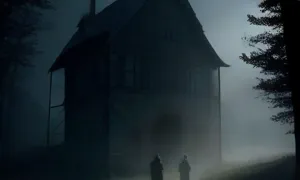
The visualisations are generated by artificial intelligence and serve as inspiration.
Tips from visitors
No tips yet. Be the first!
Log in and add your tip.
Sources and literature
Fotografie: Dezidor / CC BY 3.0, rozlišení zvýšeno umělou inteligencí — Wikimedia Commons. The author and licence also appear when you hover over the image.
Faktickým podkladem tohoto textu byl článek na Wikipedii, jehož autory jsou přispěvatelé Wikipedie. Článek je dostupný pod licencí CC BY-SA 4.0.
Location on the map

Příběhy a pověsti
Legendy, pověsti a příběhy spjaté s touto památkou
Fotografie návštěvníků
Zatím žádné fotografie. Buďte první, kdo přidá fotografii z návštěvy!
Přihlaste se a přidejte svou fotografii nebo hodnoťte.
Za ověřenou návštěvu v aplikaci získáte víc bodů — poznáme podle GPS, že jste na místě.
Reviews and comments