






Skála Ruin
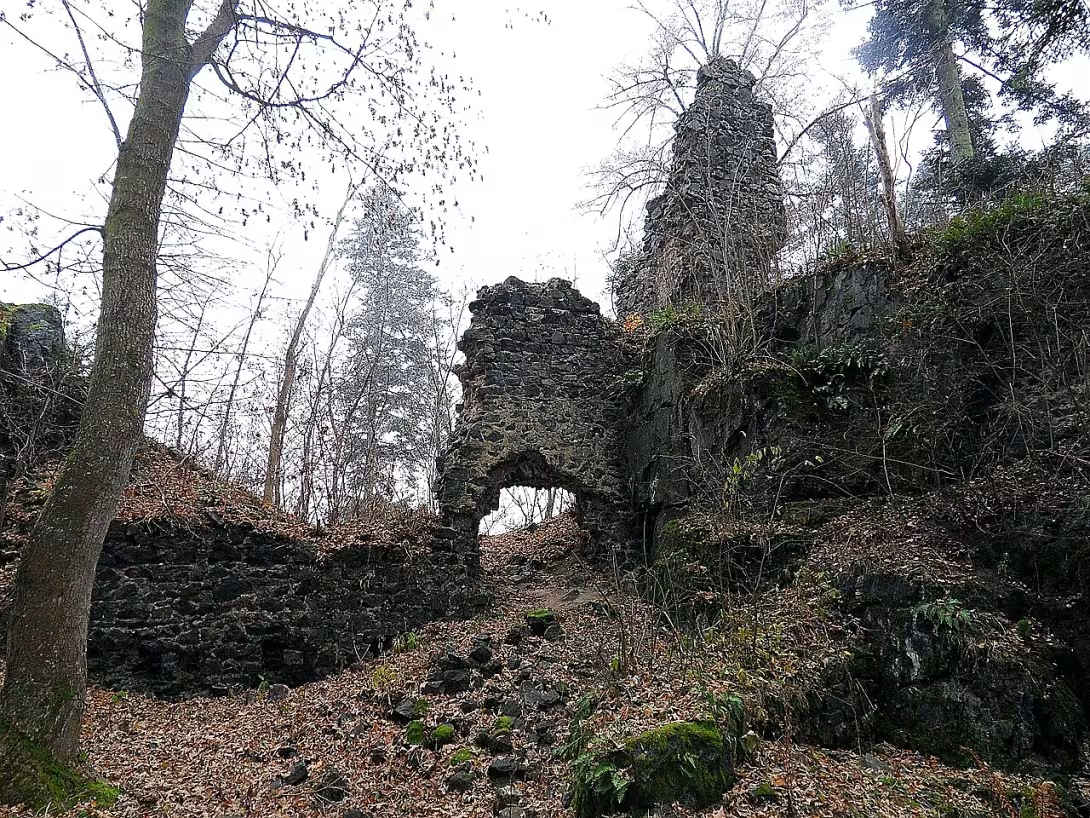
Skála is an intriguing castle ruin located in Zálesí u Příchovic near Přeštice, Plzeňský kraj, Czech Republic. Known for its unique architectural form as one of only two double castles (ganerbenburg) from the 14th century in Bohemia, Skála features dual independent cores and holds strategic military significance during a tumultuous period in Bohemian history. Recognized as a protected cultural site since 1963, it underscores its historical importance.
The origins of Skála date back to the early 14th century, first documented in 1318 under Wilhelm of Rýzmberk's ownership. It served as a stronghold for the Švihovský family from Rýzmberk, playing a crucial role during political upheavals at the turn of the 14th and 15th centuries. Its strategic location made it pivotal in conflicts with King Wenceslaus IV, reflecting broader political turmoil in Bohemia.
Architecturally, Skála is an unusual double castle example, featuring two independent cores suggesting simultaneous development rather than separate construction phases. The consistency in building style and materials across both sections highlights its unique design, although it may not fit the classic definition of a ganerbenburg. This architectural peculiarity adds to its allure as a historical site.
Ownership was primarily held by the Švihovský family from Rýzmberk during its peak as a military stronghold. Wilhelm of Rýzmberk, an early 14th-century owner, passed it on to his sons Břeněk and Půta, who continued to play significant roles in its history. The castle's strategic importance was underscored during the 1399 siege, where gunpowder weapons were reportedly used for the first time in Bohemia, marking a pivotal moment in military technology.
Key events at Skála include repeated sieges by royal forces due to owners' opposition to King Wenceslaus IV. These conflicts highlight its role as a bastion of resistance during significant political and military developments in Bohemia. The use of gunpowder weapons during the 1399 siege further emphasizes Skála's historical significance.
Today, Skála stands as a testament to its storied past, offering visitors insight into medieval architecture and history. While now a ruin, its preserved structure provides insight into strategic and architectural innovations of the time. The picturesque landscapes surrounding Skála enhance its appeal, making it a worthwhile destination for those interested in Bohemian heritage.
Skála's historical value lies not only in its unique architectural form but also in its role during a pivotal era in Czech history. Its preservation as a cultural monument ensures future generations can appreciate and learn from this remarkable site. Visitors are invited to explore Skála, where echoes of medieval conflicts and innovations continue to resonate through its ancient stones.
Then and now
Drag the slider to compare how the landmark may have looked when it was built with the view today.
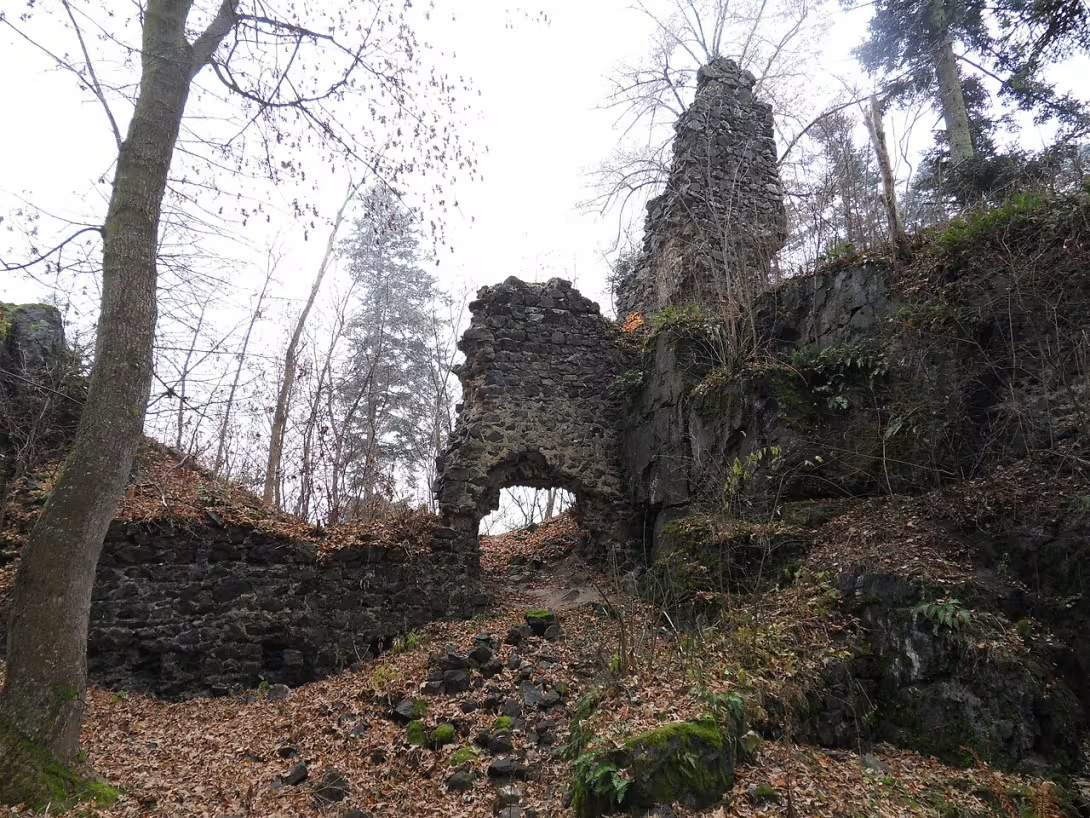
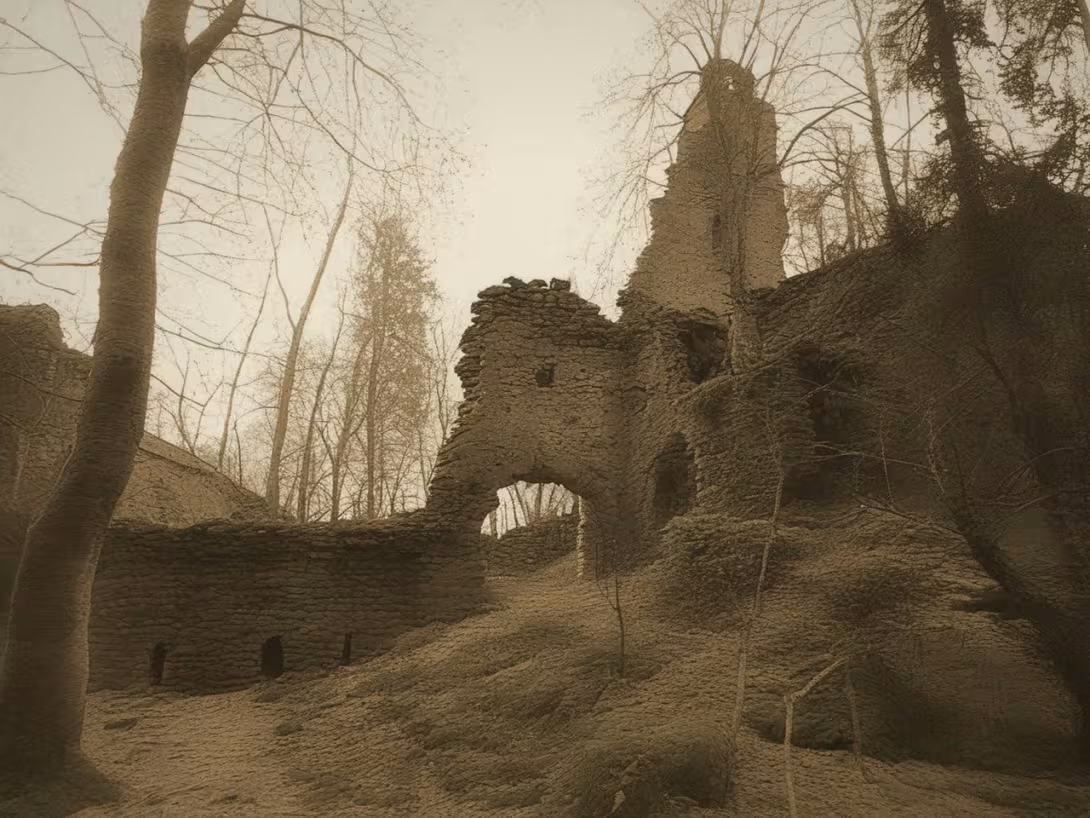
The historical appearance on the left is an AI-generated visualisation and serves as inspiration only.
Historical milestones
- 1318
- Skála first documented under Wilhelm of Rýzmberk's ownership.
- early 14th century
- Construction of Skála as a double castle begins.
- 1399
- First reported use of gunpowder weapons in Bohemia during siege.
- turn of the 14th and 15th centuries
- Skála plays a crucial role during political upheavals.
- 1963
- Recognized as a protected cultural site.
Architectural development
Skála is an unusual example of a double castle (ganerbenburg) with two independent cores, though it may not be a classic double castle. The construction style and materials are consistent across both sections, suggesting simultaneous development rather than separate phases.
Historical events
First documented mention in 1318 when it belonged to Wilhelm of Rýzmberk.
In 1399, during its siege, gunpowder weapons were reportedly used for the first time in Bohemia.
The castle was repeatedly besieged by royal forces due to its owners' opposition to King Wenceslaus IV.
Owners
The Švihovský family from Rýzmberk were the primary owners during its significance as a stronghold. Wilhelm of Rýzmberk was an early owner in the 14th century, followed by his sons Břeněk and Půta.
Points of interest
- Skála's dual-core structure is unique among Bohemian castles, with its simultaneous development of two independent cores challenging typical construction norms and adding to its architectural intrigue.
- The castle’s first documented owner, Wilhelm of Rýzmberk, played a significant role in shaping the region's history through his strategic alliances and military engagements during the early 14th century.
- During the siege of 1399, Skála became historically notable for being one of the earliest sites in Bohemia to witness the use of gunpowder weapons, marking a transformative moment in medieval warfare technology.
- The Švihovský family's resistance against King Wenceslaus IV at Skála highlights their pivotal role in regional politics and underscores the castle’s strategic importance during periods of political unrest.
- Despite its ruinous state today, Skála offers a glimpse into medieval life through its preserved architecture, providing valuable insights into both military strategy and construction techniques from the 14th century.
Guide
This guide is narrated by a synthetic voice generated by artificial intelligence.
Show guide text
This text was created by artificial intelligence and has not been editorially reviewed. It may contain inaccuracies.
Welcome to Skála, a remarkable testament to history nestled in the scenic landscape of Zálesí u Příchovic near Přeštice in Plzeňský kraj. As you stand before this captivating ruin, imagine the grandeur that once stood here—a castle with stories etched into its very stones.
Skála's origins trace back to 1318 when Wilhelm of Rýzmberk first laid claim to it. The early 14th century marked a significant chapter in its history as construction began on what would become one of Bohemia’s most intriguing architectural feats—a double castle, or ganerbenburg. This unique structure featured two independent cores developed simultaneously, challenging the norms of medieval construction and adding layers of complexity and intrigue to its design.
As you wander through the remnants, take a moment to appreciate this dual-core architecture. The layout invites curiosity about how these separate sections coexisted within one fortified complex. Notice the way the ruins seem to whisper tales of their past, from strategic military decisions to daily life in medieval times.
Skála played a pivotal role during tumultuous periods at the turn of the 14th and 15th centuries. It was here that Bohemia saw its first recorded use of gunpowder weapons during a siege in 1399—a testament to the castle's significance in military history. The Švihovský family, including notable figures like Břeněk Švihovský ze Skály and Půta starší ze Skály, once held sway over this fortress, shaping its legacy through their governance and influence.
One of the most fascinating aspects of Skála is its status as one of only two double castles in Bohemia. This architectural anomaly presents a mystery: why were such complex structures built when simpler designs could suffice? The answer lies partly in strategic advantage and perhaps in demonstrating power and prestige, reflecting the ambitions of those who once called it home.
As you conclude your visit, allow yourself to be inspired by the resilience and stories encapsulated within these ruins. Skála invites you not just to observe but to connect with history on a personal level. So, take a moment longer to let the atmosphere envelop you before moving on to uncover more of this region’s rich heritage.
Thank you for joining us at Skála. May your journey through history continue to be as enlightening and inspiring as it is here today.
Frequently asked questions
Can the monument be visited?
This is a ruin. Such sites are often freely accessible, but some can only be visited with a guide or are closed for safety reasons. We have not verified the current situation – take care and respect any restrictions.
Where is the monument?
Location: Zálesí, Plzeňský kraj. The map on this page shows the exact spot.
Why is the monument protected?
It is listed in the Central List of Cultural Monuments of the Czech Republic as a cultural monument (register no. 15868/4-434).
Businesses nearby
Do you run a restaurant, accommodation, shop, museum, rental, wellness or other visitor service near this monument? Show yourself directly to the people heading to it — this is how they will see you in the app and on the web:
Events nearby

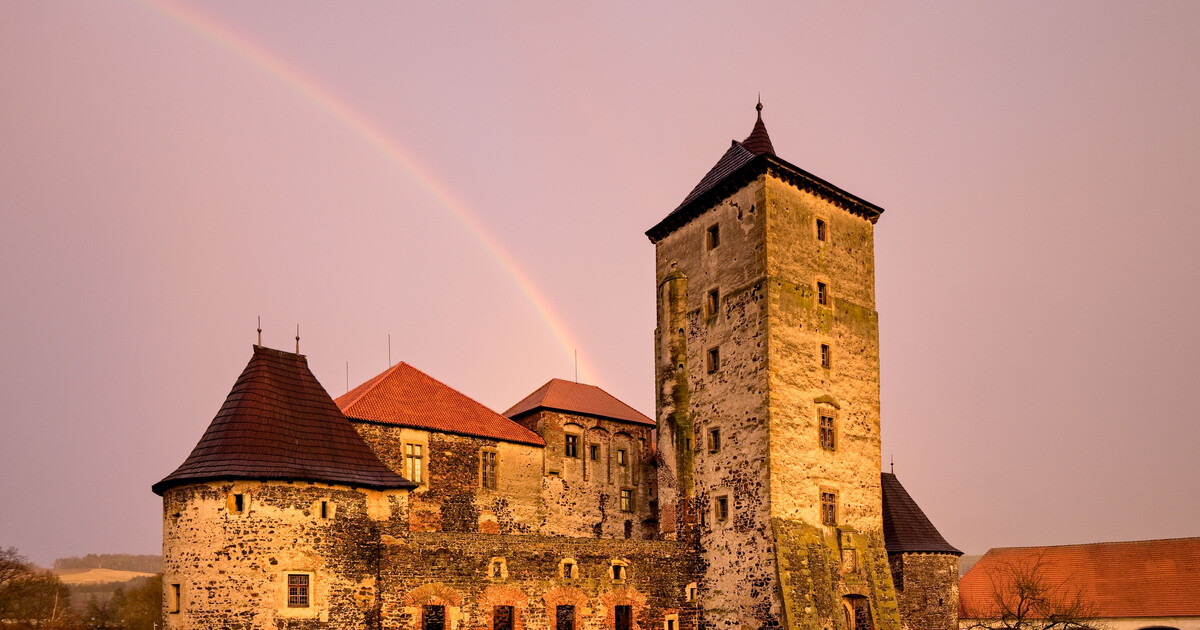
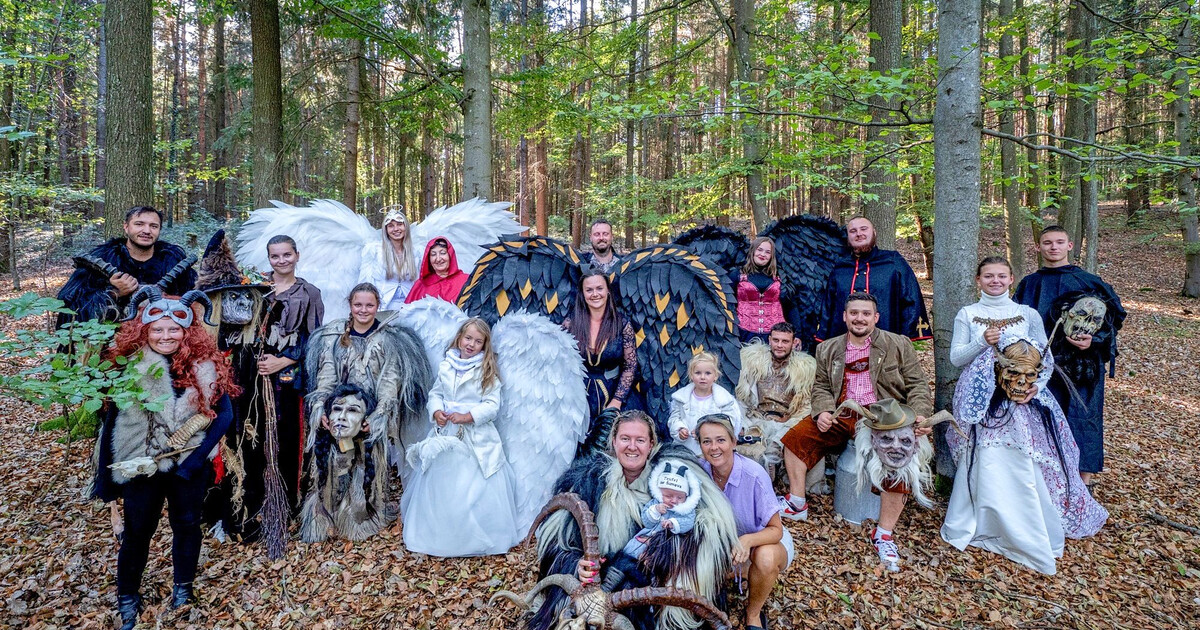
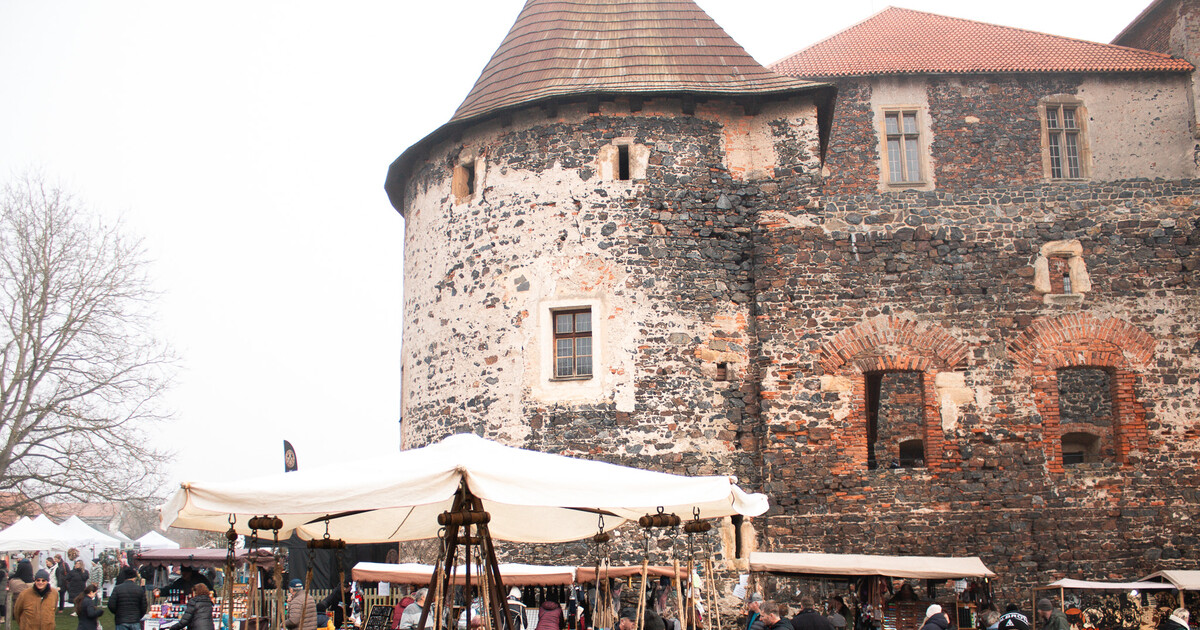

Zdroj akcí: otevřená data měst a obcí ČR (Národní katalog otevřených dat) a kalendář akcí Národního památkového ústavu.
Nearby
Located near Přeštice, Skála is surrounded by picturesque landscapes typical of western Bohemia. The area features rolling hills and forests, contributing to its historical allure.
Accommodation nearby
Trips and activities nearby
Guided tours, tickets and activities nearby from GetYourGuide
Affiliate link: if you buy from the partner, we may receive a commission. The price for you does not change.
Search tours and activities →Themed route
Thematic Walking Tour: The Ruins of Skála and Surrounding Attractions
1. Skála (Zřícenina) - Type: Historical Site - Why Visit: Begin your journey at the ruins of Skála, a captivating historical site that offers a glimpse into the medieval past of western Bohemia. The remnants tell stories of ancient fortifications and strategic importance in the region.
2. Přeštice Castle - Type: Historical Monument - Why Visit: A short drive from Skála, Přeštice Castle is a stunning example of Renaissance architecture nestled within lush gardens. Explore its well-preserved interiors and enjoy panoramic views of the surrounding landscapes.
3. Forests near Zálesí - Type: Natural Area - Why Visit: Venture into the picturesque forests that envelop the area around Zálesí. These woods are perfect for a leisurely walk, offering tranquility and an opportunity to connect with nature amidst rolling hills typical of western Bohemia.
4. Local Villages in the Region - Type: Cultural Experience - Why Visit: Discover the charm of local villages near Zálesí, where traditional Czech culture is alive and well. Engage with locals, explore quaint streets, and experience authentic regional cuisine at small eateries or markets.
This tour offers a balanced mix of history, nature, and cultural immersion, providing an enriching exploration of the Skála area and its surroundings.
Seasonal recommendations
Spring: Visiting the ruins of Skála during spring offers a unique experience as nature begins to awaken around the ancient stones. The site is enveloped in blossoming flora, with wildflowers and budding trees creating a vibrant tapestry that contrasts beautifully against the weathered rock. This season brings a gentle atmosphere, where the air is fresh and filled with the scent of new growth. To fully appreciate this natural revival, it's advisable to dress in layers as temperatures can vary significantly throughout the day. Early morning or late afternoon visits are recommended to avoid larger crowds that gather during midday when the sun makes its presence felt.
Summer: Summer at Skála is characterized by long daylight hours and warm weather, making it an ideal time for exploring the ruins under the bright sun. The lush greenery surrounding the site provides a picturesque backdrop, while the open skies enhance the dramatic appeal of the ancient structures. However, this season also attracts more visitors due to its favorable conditions, so arriving early in the morning can help avoid the peak tourist hours. Wearing comfortable and breathable clothing is essential, along with sun protection such as hats and sunscreen, to ensure a pleasant visit during the warmer months.
Autumn: Autumn brings a magical transformation to Skála, with the changing leaves painting the landscape in rich hues of red, orange, and gold. The cooler temperatures create an inviting atmosphere for leisurely exploration without the summer crowds. The soft light filtering through the canopy enhances the ruins' mystique, making it a perfect time for photography enthusiasts. As the days grow shorter, visitors should plan to arrive earlier to make the most of the daylight hours. Layered clothing is recommended to accommodate fluctuating temperatures throughout the day.
Winter: Visiting Skála in winter offers a serene and contemplative experience as snow blankets the ruins, adding an ethereal quality to the ancient stones. The site takes on a quiet charm with fewer visitors, allowing for a more intimate connection with history amidst the stillness of the season. However, accessibility may be limited due to weather conditions, so checking the site's status beforehand is crucial. Dressing warmly in layers and wearing sturdy footwear is essential to navigate potentially icy paths safely. The shorter days mean planning your visit during daylight hours, but the unique winter atmosphere makes it a rewarding experience for those who venture out.
Visualizations and artistic views


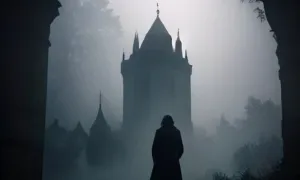
The visualisations are generated by artificial intelligence and serve as inspiration.
Photos from the area
Real photos taken near the monument


Zdroj a licence jsou uvedeny u každého snímku.
Tips from visitors
No tips yet. Be the first!
Log in and add your tip.
Sources and literature
Photos: Jik jik / CC BY-SA 3.0 — Wikimedia Commons. The author and licence also appear when you hover over the image.
Faktickým podkladem tohoto textu byl článek na Wikipedii, jehož autory jsou přispěvatelé Wikipedie. Článek je dostupný pod licencí CC BY-SA 4.0.
Location on the map
More monuments – Zálesí
Show all in the municipality

Příběhy a pověsti
Legendy, pověsti a příběhy spjaté s touto památkou
Fotografie návštěvníků
Zatím žádné fotografie. Buďte první, kdo přidá fotografii z návštěvy!
Log in a přidejte svou fotografii nebo hodnoťte.
Za ověřenou návštěvu v aplikaci získáte víc bodů — poznáme podle GPS, že jste na místě.
Reviews and comments