






Skalka Castle
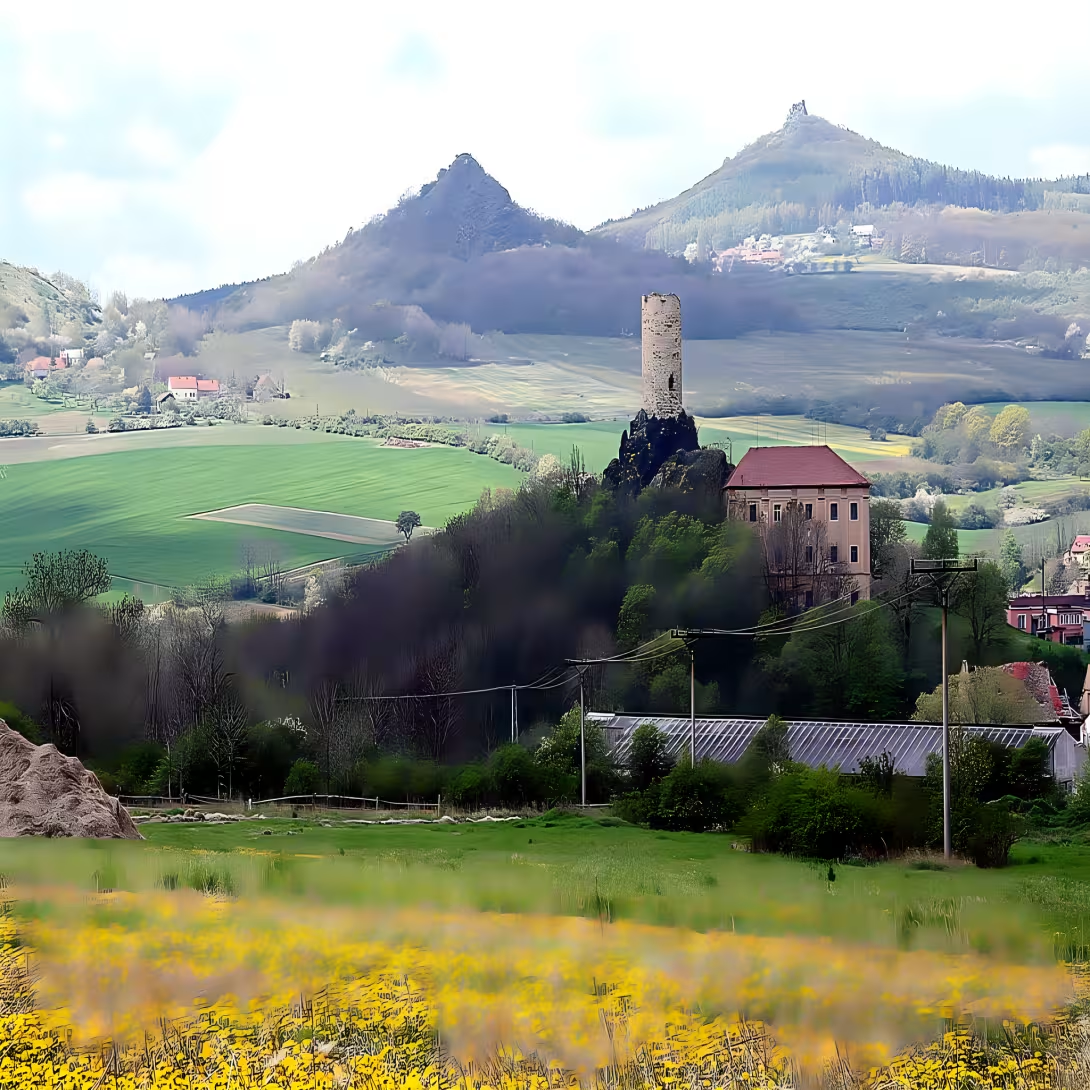
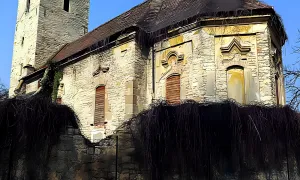
Skalka is a historical complex consisting of the ruins of the castle and Baroque castle, located on the edge of the village Vlastislav in the district of Litoměřice, Ústecký kraj. This monument is remarkable by its rich history dating back to the 14th century when a noble castle was founded. After its destruction during the 30-year war, the Baroque castle was built at the foot of the castle in the second half of the 17th century. Today Skalka is protected as a cultural monument and serves as a place for exhibitions of art and history.
The first written mention of the castle dates back to 1357, when its name appeared in the predicate Petra ze Skalky. The Founding House owned Skalka until the beginning of the 15th century. In 1414 the castle was listed as property of Hanus Kaplíra of Sulevic. After that, Jan II. Žlutický z Vřesovic bought it, which settled on it until 1544, when he sold it back to the Chaplers of Sulevic. Since 1578, Skalka was owned by the House of Hrzans of Harasova, who held it until the beginning of the 17th century.
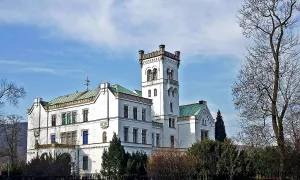
During the Thirty Years' War, the owner of Skalka Zdeslav Hrzán z Harasova tried to keep his property from confiscation, but in 1639 the castle was ravaged by the Swedish invasion. After this disaster, the House of Hrzán decided to build a new residence at the foot of the castle. The Baroque castle, probably designed by Antonio della Portou, was built in the second half of the 17th century. Its architecture is characteristic of Baroque style with two storey building, long pilasters and decorated windows.
After several changes to the owners in the 18th century, the castle went into the hands of the Schönborn family. In the middle of the 19th century the castle was used as an administrative centre for the Dlažkovice estate. After World War II he served as a depository of the State Regional Archive in Litoměřice.
In 2001, Vlastislav became the owner of the castle, which annually organizes exhibitions of art and history. The interesting thing is that Kryštof Maria Schönborn, Archbishop and Cardinal were born in the castle.
Today Skalka is accessible to visitors from spring to autumn. Its historical significance is linked to the rich past and architectural elements that demonstrate the changes that this monument has undergone. Visiting Skalka offers not only a view of history, but also an opportunity to appreciate the art and culture of the Czech Central Mountains.
Skalka is therefore a place full of historical twists and architectural pearls waiting to be discovered by every visitor. Its presence in the village Vlastislav is an important part of the cultural heritage of the region and is worth visiting so that people can learn more about the past and the presence of this fascinating monument.
Then and now
Drag the slider to compare how the landmark may have looked when it was built with the view today.
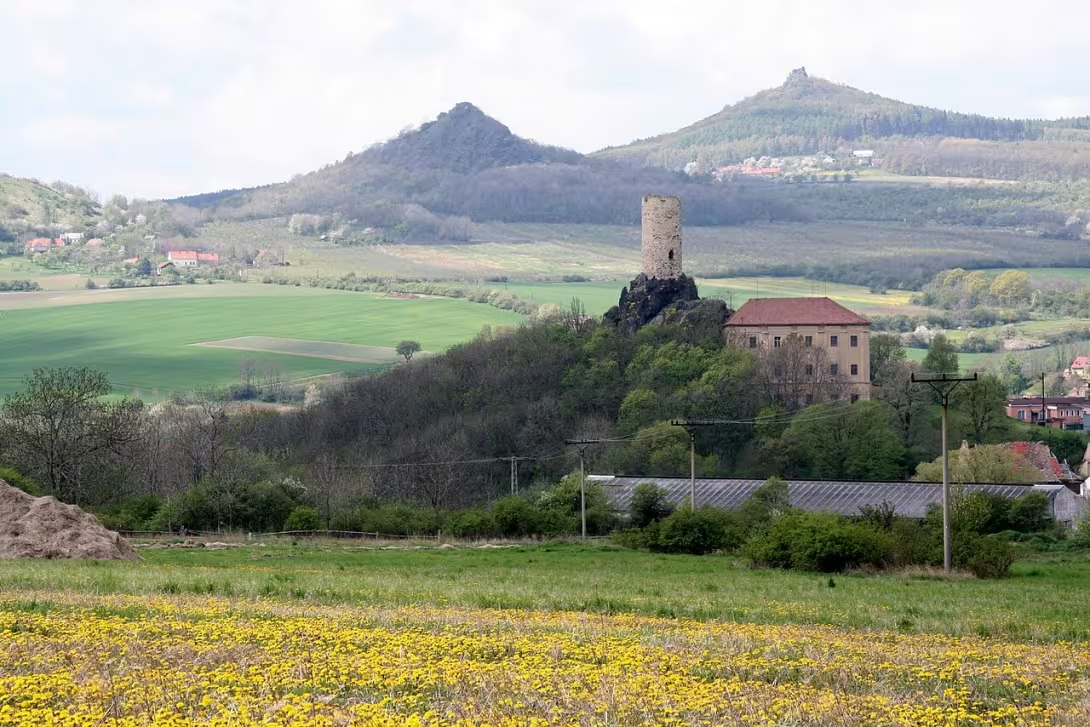
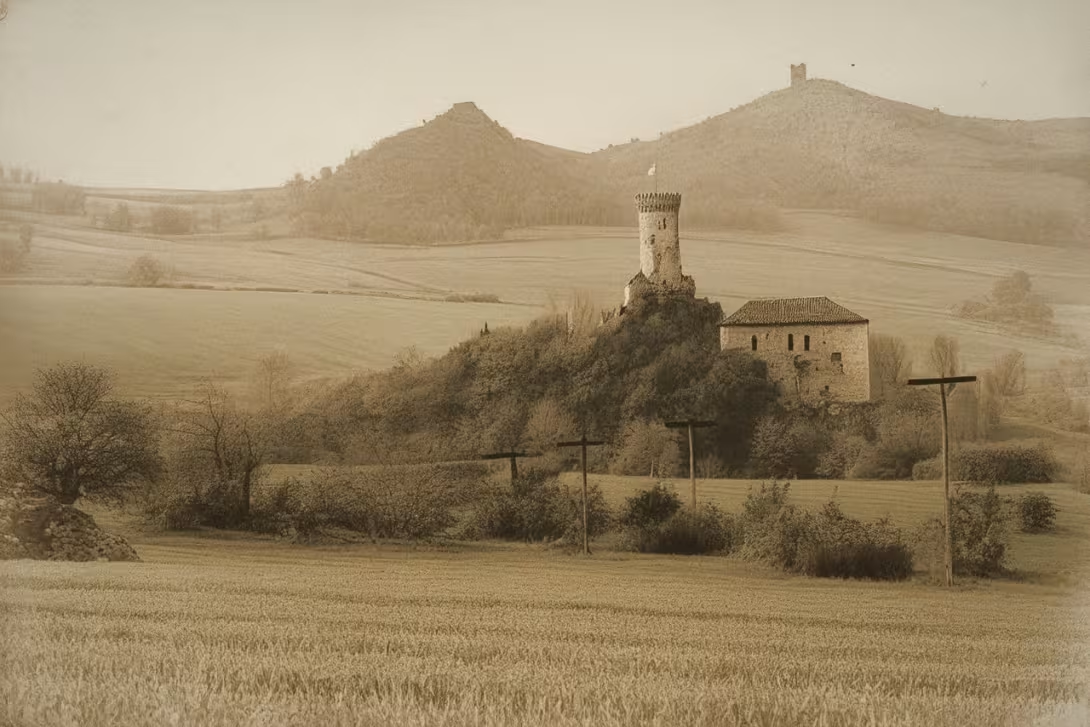
The historical appearance on the left is an AI-generated visualisation and serves as inspiration only.
Historical milestones
- 1639
- The destruction of the castle during the Swedish invasion.
- 2001
- The village Vlastislav has become the owner of the castle.
Architectural development
The castle was originally an aristocratic castle of the bergfrit type, built in the 14th century and ravaged during the Thirty Years' War. At the foot of it was built in the second half of the 17th century a Baroque castle which probably designed Antonio della Porta. The castle is a two-storey building with long pilasters and decorated windows.
Historical events
- 1357
- First written mention of the castle.
- 1639
- The destruction of the castle during the Swedish invasion.
- 2001
- The village Vlastislav has become the owner of the castle.
Owners
- 1357
Points of interest
- Skalka is a historical complex consisting of the ruins of the castle and Baroque castle.
- The first written mention of the castle dates back to 1357, when its name appeared in the predicate Petra ze Skalky.
- During the Thirty Years' War, the castle was ravaged by a Swedish invasion and later built at the foot of the castle in the second half of the 17th century.
- Baroque castle, probably designed by Antonio della Porta, is characteristic of its architectural style with a two-story building and decorated windows.
- Kryštof Maria Schönborn, Archbishop and Cardinal were born in the castle.
Guide
This guide is narrated by a synthetic voice generated by artificial intelligence.
Show guide text
This text was created by artificial intelligence and has not been editorially reviewed. It may contain inaccuracies.
Welcome! You are standing in front of the historical Skalka complex, which is perfectly hidden in the heart of the Ústí Region. While you're looking at this beautiful ruin of the castle and the Baroque castle, take your time and make history.
Let's move on to the past and see how this complex has evolved. The first written mention of the castle dates back to 1357, when its name appeared in the predicate Petra ze Skalky. The castle was built in the 14th century and at that time was probably built by architect Antonio della Porta.
Now pay attention to the Baroque castle, which was built at the foot of the castle after destruction during the 30-year war. The Swedish invasion in 1639 left the castle in ruins, which is why the owners decided to build a new castle that could serve as a refuge and administrative centre.
Notice how the Baroque architecture of the castle extends before you. Take a look at the facade and note the details that are shown here. The castle was built in the second half of the 17th century and its architecture is characteristic of the then epoch.
Skalka is also associated with many interesting personalities that have been present in the past. Among them is Hanuš Kaplíř ze Sulevic, for example, who was a great nobleman at the time. Other personalities that have been present are Jan II. Žlutický z Vřesovic, Adam Hrzán z Harasova, Zdeslav Hrzán z Harasova, Jan Adam Hrzán z Harasova, Marie Putzová z Adlerthurnu and Kryštof Maria Schönborn.
Here's one of the most promising things about the Skalce: the complex is full of historical secrets and mysteries that await discovery. Look at the ruins of the castle and think about what life has looked like in centuries past. What happened here? What were the events here? These questions will remain for you to amuse and outrage you.
Allow Skalka to seize your atmosphere and offer you the opportunity to get lost in it. Explore her, discover her secrets, and take time to get her history into your heart.
Tips for visitors
The best time to visit Skalka is summer, especially from May to September. During these months the weather is usually favourable for walking and photography, with long days offering more light to capture historical ruins. Visit morning or evening for milder temperatures and better atmosphere.
Parking is possible near the monument, although capacity may be limited. We recommend using public transport for easier access; the current connection can be verified in an online search engine or at local information stations. Admission is paid on site, and the current price list can be found on the official site of the sights.
When you visit Skalka, you should bring comfortable shoes to walk on uneven terrain and protective sunglasses. Remember also the water and sun cream, especially during the summer months. A map of a monument or brochure with historical information can improve your knowledge of the location.
It is best to use morning or evening light for photography, which gives dramatic atmosphere to the ruins of the castle and the Baroque castle. The best places for photography are at the foot of Skalka, where panoramic view of the surrounding landscape opens. Pay attention to the details of the castle architecture.
The historical town Vlastislav offers a view of typical Czech rural architecture. For families with children you can plan a walk through the surrounding forest park where children can play and discover nature.
Frequently asked questions
Can the monument be visited?
Yes. We verified the opening hours or admission on the official website (24. 9. 2026); you will find them in the visitor information on this page. Please double-check with the operator before you travel.
What are the opening hours and admission?
Details verified on the official website (24. 9. 2026) are listed in the visitor information on this page. Official website: https://www.obec-vlastislav.cz/zamek-skalka/
Where is the monument?
Location: č.p. 9, Vlastislav, Ústecký kraj. The map on this page shows the exact spot.
Why is the monument protected?
It is listed in the Central List of Cultural Monuments of the Czech Republic as a cultural monument (register no. 42770/5-2439).
Businesses nearby
Do you run a restaurant, accommodation, shop, museum, rental, wellness or other visitor service near this monument? Show yourself directly to the people heading to it — this is how they will see you in the app and on the web:
Events nearby

Zdroj akcí: otevřená data měst a obcí ČR (Národní katalog otevřených dat) a kalendář akcí Národního památkového ústavu.
Nearby
🏰 Historic sites (103)
- Skalka 0.0 km
- Jaroslav Tregner 1.9 km
- Oltářík 2.8 km
- Muzeum českého granátu 2.8 km web
- Doly 2.8 km
- Kriegergedenkstätte 3.2 km
- Ostrý 3.8 km
- Blešenský vrch 4.3 km
- Sv.Prokop 4.6 km
- svatého Antonína Paduánského 4.7 km
- Čížkovice 4.9 km
- Zřícenina Opárno 6.0 km
- Pamětní deska obětem komunistické zvůle 6.4 km
- Alfons Dopsch 6.6 km
- Morový kámen (1680) 6.6 km
- Pamětní deska Petr Kabeš 6.6 km
- Obětem střelby 8. května 1945 6.7 km
- sv. Václav 6.7 km
- plk. Ota Bauer 6.7 km
- LOVO Galerie 6.7 km 8.května 155/13 +420 777 858 232
🍽️ Restaurants and dining (160)
- U Radnice 3.2 km
- Penzion Kocourov 3.2 km
- Čokolaterie 3.2 km
- Hospoda u nás 4.3 km
- Cafe Vchy 4.5 km +420 777 211 416 web
- Rybářská bašta 4.5 km
- U Černých 4.9 km
- U Muškektýra 5.0 km
- Andělské Dobroty 5.0 km
- Motorest Velemín 5.0 km
- U kaple 6.0 km
- U Arnošta 6.1 km Dřevce 32 +420 775 298 680 web
- Černodolský mlýn 6.2 km web
- Centrální školní jídelna 6.3 km Všehrdova 924/3 +420 416 532 415 web
- Beseda 6.5 km
- Chata Milešovka 6.6 km +420 606 229 823
- Sarajevo 6.6 km Osvoboditelů 1069/16 +420 721 021 158
- Bufet Královny českého středohoří 6.7 km 602 716 486
- Pizza ristorante Tinito 6.7 km +420 604235425 web
- Vinotéka Čajovna 6.7 km
🏨 Accommodation (36)
- Penzion Kocourov 3.2 km
- Penzion ORÁČ 5.6 km
- Černodolský mlýn 6.2 km +420 602 145 680 web
- Jordán 6.5 km +420777949924
- Hotel Active Stadium 7.1 km U Stadionu 1022/2 +420 733 493 707 web
- Kemp Píšťany 7.8 km web
- Farma pod Házmburkem 8.2 km +420 770 199 772 web
- Marina Labe 8.3 km +420 774 584 249 web
- Žernosecké vinařství s.r.o. 8.6 km
- Caravan Club Ústí nad Labem 11.2 km
- Pension Relax 12.3 km Stránského 6 +420 222 539 539 web
- U Svatého Václava 12.4 km
- Penzion Mácha 12.4 km Pekařská 496/17 web
- litometice 12.5 km
- Hostel U sv. Štěpána 12.5 km Komenského 748/4 +420 731 402 588 web
- Pivovarský sál 12.6 km
- Anděl 12.7 km Jarošova 13/43 +420 721 840 415 web
- Hotel Dejmalík 12.8 km
- U Borovičku 12.9 km
- Penzion Laterna 13.0 km +420 777 655 140 web
🚲 Rentals and sport (20)
- Cyklo Vondra 6.4 km Palackého 450/7
- Yacht-klub Lovosice 7.0 km
- Městský bazén ASK Lovosice 7.0 km
- Marina Píšťany 8.3 km
- K+S 11.8 km
- Velo Novy 12.4 km
- Skicentrum 12.5 km
- norskamoda 12.6 km
- Motokros Světec 12.6 km
- Sokol 13.0 km
- Yacht-klub Lovosice 13.1 km web
- Plavecký bazén 13.3 km Daliborova 2078/7
- Plavecká hala 14.0 km Žižkovo údolí 276/6 web
- Zelená hala 14.0 km Tyršova 374
- Sport center (hockeyball, florball, football) 14.1 km
- Volleyball 14.1 km
- Černá hala Bílina 14.4 km Studentská 584/7
- Fotbalový stadion Bílina 14.8 km
- Atletický stadion Bílina 14.9 km
- Tenisové kurty Bílina 15.0 km Kyselská 410 775 547 956 web
🥾 Hiking and nature (239)
- V remízku 0.8 km
- Holý vrch 1.3 km
- Holý vrch 1.3 km
- Třešňovka 1.5 km
- Sutomský vrch 1.6 km
- Plešivec 1.7 km
- Vršetín 1.8 km
- Jezerka 1.8 km
- Košťál 1.9 km
- Košťál 1.9 km
- Košťálov 1.9 km
- ventarola 2.7 km
- Boreč 2.7 km
- ventarola 2.7 km
- Hrádek 2.8 km
- Ovčín 3.2 km
- Třtín 3.3 km
- Dlouhý vrch 3.6 km
- Lipská hora 3.6 km
- Lhota 3.7 km
Accommodation nearby
Trips and activities nearby
Guided tours, tickets and activities nearby from GetYourGuide
Affiliate link: if you buy from the partner, we may receive a commission. The price for you does not change.
Search tours and activities →Themed route
Route: Skalka and surroundings
1. Skalka (lock) - The main destination of the route, the castle from the 17th century, is worth visiting because of its unique architecture and rich history. 2. Church of St. Peter and Paul (parish church) - is worth visiting because of its Baroque architecture and beautiful surroundings. 3. St. John Nepomuk Chapel - is worth visiting because of its unique form and location in the middle of the forest. 4. Lip alley - worth visiting due to its unique form and beautiful surroundings. 5. Memorial to the victims of world wars - worth visiting because of its symbolic importance and beautiful location.
Seasonal recommendations
Spring:
Spring is an ideal time to visit Skalka because nature around the castle is awakening from winter sleep and offers beautiful colorful views. The atmosphere is full of optimism and hope.
We recommend visiting Skalka in the spring months, when it is open from 9 a.m. to 5 p.m. It is good to prepare for a larger number of tourists who decide to visit the castle here.
Summer:
Summer is the season of the greatest attendance, so it is good to come to Skalka early in the morning to avoid crowds.
It's open from 9:00 to 6:00 in the summer.
Autumn:
In autumn months, Skalka is surrounded by beautiful colors of nature that turn into beautiful shades.
We recommend visiting Skalka in autumn months, when it is open from 9 am to 16 pm.
Winter:
In winter Skalka is surrounded by white snow and offers a quiet atmosphere.
We recommend visiting Skalka in winter months, when it is open from 10 a.m. to 15 p.m.
Visualizations and artistic views


The visualisations are generated by artificial intelligence and serve as inspiration.
Photos from the area
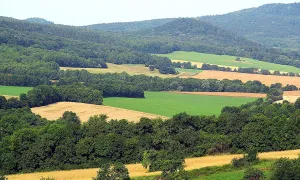
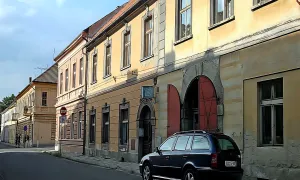
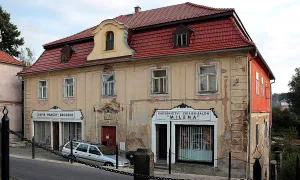
Real photos taken near the monument


Zdroj a licence jsou uvedeny u každého snímku.
Tips from visitors
No tips yet. Be the first!
Log in and add your tip.
Sources and literature
Photos: Björn Ehrlich / CC BY-SA 3.0, rozlišení zvýšeno umělou inteligencí — Wikimedia Commons. The author and licence also appear when you hover over the image.
Faktickým podkladem tohoto textu byl článek na Wikipedii, jehož autory jsou přispěvatelé Wikipedie. Článek je dostupný pod licencí CC BY-SA 4.0.
Location on the map

Příběhy a pověsti
Legendy, pověsti a příběhy spjaté s touto památkou
Fotografie návštěvníků
Zatím žádné fotografie. Buďte první, kdo přidá fotografii z návštěvy!
Log in a přidejte svou fotografii nebo hodnoťte.
Za ověřenou návštěvu v aplikaci získáte víc bodů — poznáme podle GPS, že jste na místě.
Reviews and comments