



Skály Ruin
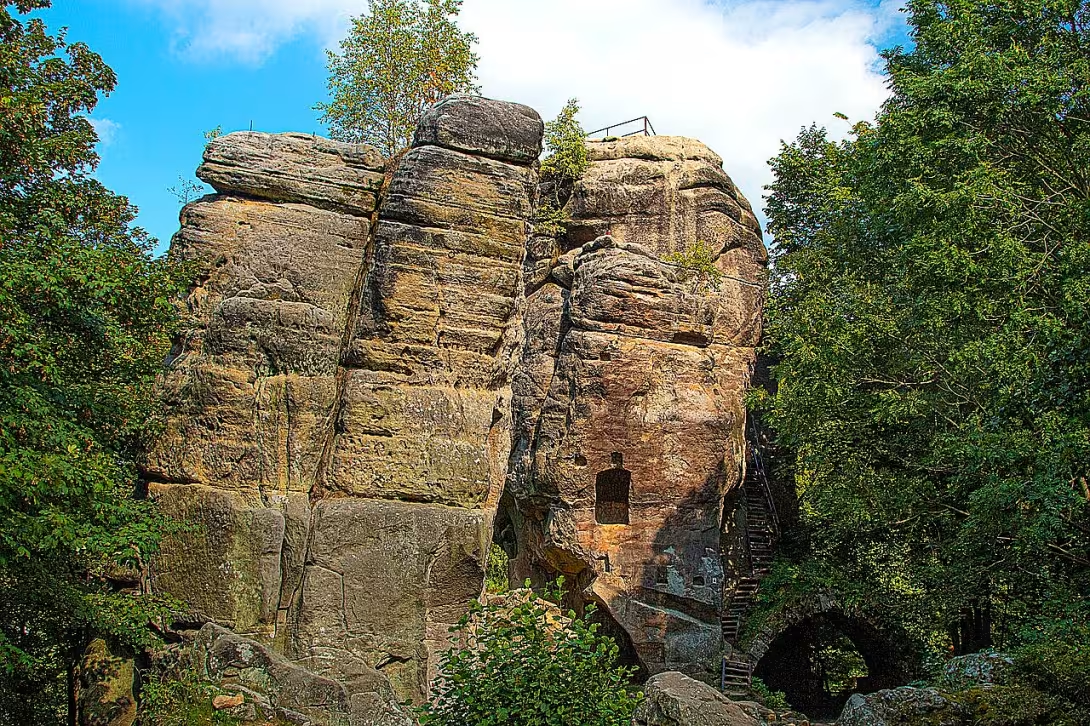
Skály, also known as Katzenštejn or Bišofštejn, is a captivating ruin located four kilometers from Teplice nad Metují in the Královéhradecký kraj of the Czech Republic. This Gothic castle ruin offers stunning views and stands as a testament to its historical significance during the Hussite Wars. Built at the end of the 14th century by Matěj Salava z Lípy, Skály was an important fortress before it met its destruction in 1447. Today, it is preserved as a cultural monument, inviting visitors to explore its mysterious past and enjoy panoramic vistas.
The origins of Skály date back to the late 14th century when Bohemia faced significant religious upheaval leading up to the Hussite Wars. Matěj Salava z Lípy constructed this fortress during a period marked by conflicts between Catholic forces and reformist Hussites, influencing regional politics and military actions. Its strategic location on the southern edge of Teplické skály made it ideal for defense and control over surrounding territories.
Architecturally, Skály was initially built as a fortress at the end of the 14th century. Although specific details about its construction style and materials are not extensively documented, its design reflects typical Gothic elements suited to its defensive purpose. After its destruction in 1447 by Silesian forces, it underwent reconstruction and was renamed Katzenstein by Kočka. Despite changes in ownership and function over the centuries, Skály's architectural remnants continue to intrigue historians and visitors.
Ownership of Skály changed hands several times throughout its history. After its initial construction by Matěj Salava z Lípy, it was acquired by Kočka in 1454, who renamed it Katzenstein. Subsequent owners included Hanuš z Varnsdorfu from 1466 to 1484, Zbyněk Buchovec z Buchova in 1488, Jan Špetle z Janovic in 1497, Bartoloměj Minsterberský in 1513, and others such as Peter Adršpach z Dubé before 1517, with disputes over his ownership. By 1528, Zdeňek Lev z Rožmitálu and Jan Krušina z Lichtenburka held the castle. These transitions reflect the turbulent political landscape of the time.
Key events in Skály's history include its destruction by Silesians in 1447 after being used for raids into neighboring regions. Despite this setback, the castle demonstrated resilience when it withstood a siege led by Friedrich II. Lehnický's forces in 1513. These episodes highlight Skály's strategic importance and the fierce battles that shaped its history.
Today, Skály stands as an atmospheric ruin accessible to visitors who wish to explore its historical significance and enjoy the surrounding landscape. The site offers panoramic views of the area, including nearby historical sites such as Stárkov and various villages. Its preservation as a cultural monument ensures that future generations can appreciate this piece of Czech history.
Skály's enduring legacy lies in its ability to connect visitors with the past through its ruins and stories. As a witness to significant historical events, it offers a unique glimpse into the region's turbulent history during the Hussite Wars. Visitors are invited to explore Skály, where they can immerse themselves in its mysterious atmosphere and appreciate its cultural significance.
Then and now
Drag the slider to compare how the landmark may have looked when it was built with the view today.
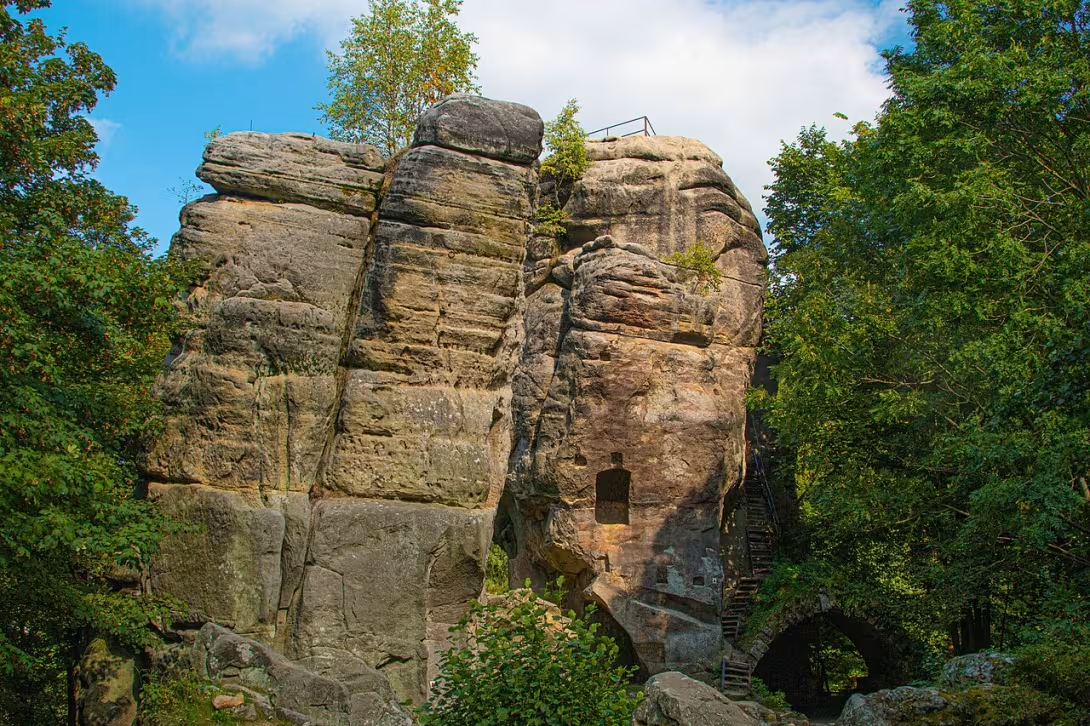
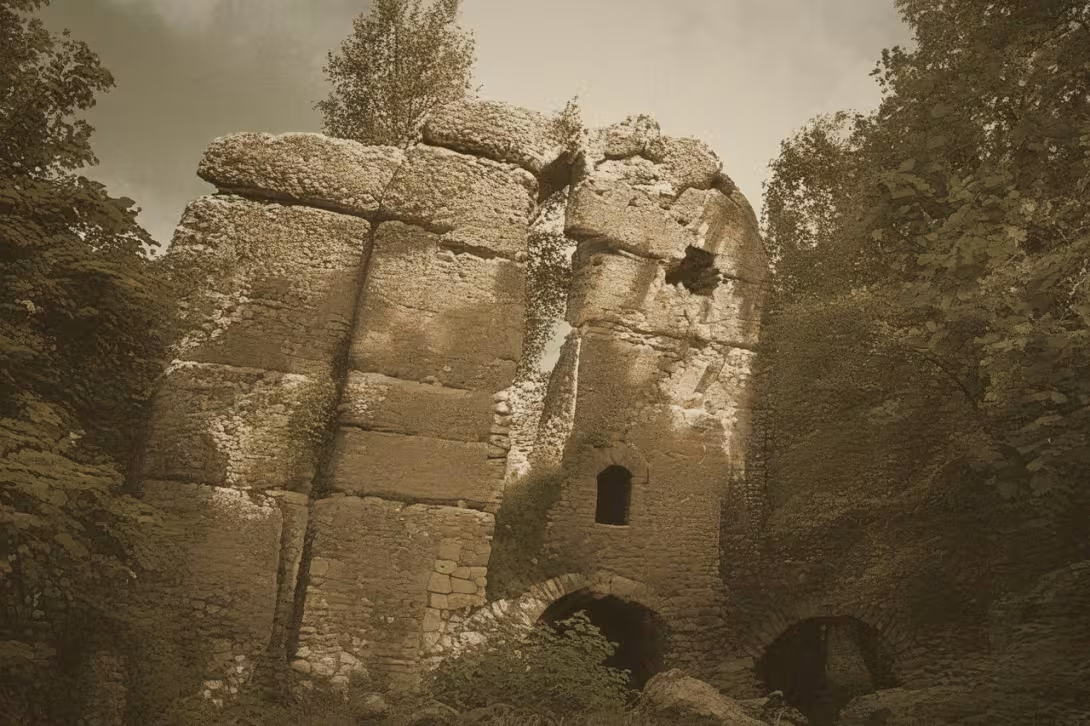
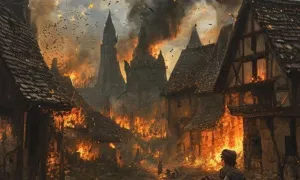
The historical appearance on the left is an AI-generated visualisation and serves as inspiration only.
Historical milestones
- 1393
- First documented mention of the castle.
- 1447
- The castle was destroyed by Silesians.
- 1513
- The castle withstood a siege by Friedrich II. Lehnický's forces.
Architectural development
Skály was originally constructed as a fortress at the end of the 14th century. After its destruction in 1447, it was rebuilt and renamed Katzenstein by Kočka. The castle underwent several ownership changes throughout the 15th and early 16th centuries, eventually losing its function as a noble seat.
Historical events
Matěj Salava z Lípy built the castle at the end of the 14th century.
The castle was destroyed by Silesians in 1447 after being used for raids into Silesia and Lusatia.
In 1513, the castle withstood a siege by forces led by Friedrich II. Lehnický.
Owners
Matěj Salava z Lípy (end of 14th century)
Kočka (1454), renamed it Katzenstein
Hanuš z Varnsdorfu (1466–1484)
Zbyněk Buchovec z Buchova (1488)
Jan Špetle z Janovic (1497)
Bartoloměj Minsterberský (1513)
Jan Špetle z Náchoda (1515)
Peter Adršpach z Dubé (before 1517, disputed)
Zdeňek Lev z Rožmitálu and Jan Krušina z Lichtenburka (1528)
Points of interest
- Skály was originally constructed by Matěj Salava z Lípy during a period of religious upheaval in Bohemia, which highlights its role as both a military stronghold and a symbol of resistance against the Catholic Church's influence.
- The castle underwent several name changes, including being renamed Katzenstein by Kočka after its reconstruction post-destruction in 1447, reflecting shifts in ownership and cultural influences over time.
- Despite being destroyed by Silesian forces in 1447, Skály demonstrated remarkable resilience when it successfully withstood a siege led by Friedrich II. Lehnický's troops in 1513, emphasizing its strategic importance during the Hussite Wars.
- Ownership of Skály changed hands numerous times, from Matěj Salava z Lípy to various notable figures such as Hanuš z Varnsdorfu and Zdeňek Lev z Rožmitálu, illustrating the turbulent political landscape of medieval Bohemia.
- Today, Skály not only serves as a cultural monument but also provides breathtaking panoramic views that connect visitors with both its historical significance and the natural beauty of the surrounding Královéhradecký kraj region.
Guide
This guide is narrated by a synthetic voice generated by artificial intelligence.
Show guide text
This text was created by artificial intelligence and has not been editorially reviewed. It may contain inaccuracies.
The ruins of Skály castle lie about four kilometers from Teplice nad Metují in the Náchod region, on the southern edge of Teplické skály. The castle owes its name to precisely this location. However, it is also known by the names Katzenštejn and Bischofstein. Its remains are protected as a cultural monument.
The first written mention dates from thirteen ninety-three, when the castle belonged to Matěj Salava of Lípa. He was most likely its builder as well. However, Rubín of Žampach, the owner of Stárkov, is also considered a possible founder.
During the Hussite Wars, Matěj Salava sided with the Hussites and expanded his possessions at the expense of the Broumov monastery. Later he switched to the Catholics, and so he retained the acquired lands even after the battle of Lipan. However, the Skály garrison continued to make raids against Silesian and Lusatian towns after the wars. Therefore, in fourteen forty-seven, the Silesians and the towns of Žitava bought and demolished the castle from Matěj the younger Salava of Lípa.
By fourteen fifty-four, the restored castle belonged to someone named Kočka. According to him, it began to be called Kočka's castle, or in German, Katzenstein. The owners then changed, until Jan Špetle of Janovic attached Skály to the Náchod estate in fourteen ninety-seven.
In fifteen thirteen, the castle was acquired by Prince Bartoloměj of Minsterberg. His servant Zikmund Kaufunk on the night of the twenty-eighth to twenty-ninth of July set fire to several farmyards in the Świnyczyc suburb, plundered the surrounding villages, and returned to Skály with the booty. Prince Frederick the Second of Liegnitz first complained in vain and on the twenty-first of August besieged the castle with an army of two thousand men. For three days he bombarded it with cannons. However, when he learned that an army organized by the Praguers was preparing to come to the castle's aid, he plundered the surrounding area and withdrew back to Silesia.
Bartoloměj did not pay the full purchase price, so the castle returned to Jan Špetle after his death. A dispute over property rights followed. Before it could be resolved, Petr Adršpach of Dubé sold Skály in fifteen twenty-eight to Zdeněk Lev of Rožmitál and Jan Krušina of Lichtenburg for two thousand kop of groschen. The castle then included the town of Stárkov, several villages, and the deserted castle Adršpach.
In the second half of the sixteenth century, the castle ceased to serve as a noble residence and fell into ruin. The name Bischofstein was given to it by Bishop Matouš Ferdinand Sobek of Bílenberka, who bought the estate in sixteen sixty-two. Modified rock formations have been preserved, part of the palace walls with barrel vaulting, and traces of fortifications. How extensive the castle originally was is unclear.
Tips for visitors
The best time to visit Skály is during late spring or early autumn, when the weather is mild and the surrounding landscape is lush with greenery or rich autumnal colors. These seasons offer comfortable temperatures for exploring the ruins and enjoying panoramic views without the summer crowds. Additionally, visiting in these months allows you to experience the area's natural beauty at its peak.
For those preferring public transportation, local buses connect Teplice nad Metují with nearby areas, making it accessible without needing a personal vehicle. Always check current transport schedules to plan your visit effectively.
When visiting Skály, it's advisable to bring comfortable walking shoes as the terrain can be uneven and requires some hiking to reach the ruins. Additionally, consider bringing a hat, sunscreen, and water, especially during warmer months, to stay hydrated and protected from the sun. A camera or smartphone is also recommended for capturing the stunning views and atmospheric ambiance of the site.
Photography enthusiasts will find several spots around Skály ideal for capturing its beauty. The best light for photography is usually in the early morning or late afternoon when the sunlight creates dramatic shadows and highlights on the ruins. From these angles, you can capture both the intricate details of the castle's architecture and the expansive views of the surrounding landscape. Be mindful of your surroundings to ensure safety while setting up shots.
Nearby attractions within a 30-minute drive include Stárkov Castle, which offers its own historical charm and scenic views. Exploring this nearby site can complement your visit to Skály by providing additional context about the region's history and architecture. For families with children, these sites offer interesting stories and landscapes that can make for an educational and enjoyable outing.
Frequently asked questions
Can the monument be visited?
This is a ruin. Such sites are often freely accessible, but some can only be visited with a guide or are closed for safety reasons. We have not verified the current situation – take care and respect any restrictions.
Where is the monument?
Location: Skály, Královéhradecký kraj. The map on this page shows the exact spot.
Why is the monument protected?
It is listed in the Central List of Cultural Monuments of the Czech Republic as a cultural monument (register no. 27573/6-1903).
Businesses nearby
Do you run a restaurant, accommodation, shop, museum, rental, wellness or other visitor service near this monument? Show yourself directly to the people heading to it — this is how they will see you in the app and on the web:
Nearby
Skály is situated near Teplice nad Metují, offering panoramic views of the surrounding landscape. The area includes other historical sites such as Stárkov and various villages.
Accommodation nearby
Themed route
Thematic Tour Itinerary: Skály and Surroundings
1. Skály (zřícenina) - Type: Historical Ruin - Why Visit: The ruins of Skály offer a glimpse into the medieval past, providing panoramic views of the surrounding landscape. This site is significant for its historical architecture and strategic location near Teplice nad Metují.
2. Stárkov - Type: Historical Site - Why Visit: Located approximately 5 kilometers from Skály, Stárkov is renowned for its well-preserved castle ruins. The site offers insights into medieval life and architecture, making it a fascinating stop for history enthusiasts.
3. Villages near Skály - Type: Cultural Exploration - Why Visit: Exploring the nearby villages allows visitors to experience local culture and traditions. These areas provide a charming glimpse of rural life in the Královéhradecký kraj region, with opportunities to interact with locals and enjoy traditional cuisine.
4. Teplice nad Metují - Type: Town Exploration - Why Visit: Situated near Skály, Teplice nad Metují is a picturesque town offering cultural attractions such as local markets and historical buildings. It serves as an excellent base for exploring the surrounding natural beauty and historical sites.
This itinerary provides a balanced mix of history, culture, and scenic views, ensuring a memorable experience in the Královéhradecký kraj region.
Seasonal recommendations
Spring: Visiting the Skály ruins during spring offers a unique experience as nature begins to awaken around the historical site. The surrounding landscape is adorned with vibrant wildflowers and fresh greenery, creating a picturesque backdrop for exploration. As daylight extends into longer evenings, the soft morning light beautifully illuminates the ancient stones, enhancing their mysterious allure. This season tends to attract fewer visitors compared to summer, providing a more tranquil atmosphere for those who appreciate solitude amidst history. To make the most of your visit, wear comfortable walking shoes and layered clothing to accommodate fluctuating temperatures typical of spring weather.
Summer: Summer is an ideal time to explore the Skály ruins due to the extended daylight hours that allow visitors ample time to wander through the site. The lush greenery surrounding the ruins is at its peak, offering a refreshing contrast to the ancient stones and creating a serene environment for reflection or photography. However, summer also brings larger crowds, especially during weekends and holidays, so it's advisable to arrive early in the morning to avoid the midday rush. Lightweight, breathable clothing and sun protection are essential due to the warmer temperatures and increased sun exposure.
Autumn: Autumn transforms the Skály ruins into a stunning display of warm colors as the foliage around the site turns shades of red, orange, and gold. The cooler weather makes for comfortable exploration without the summer heat, while the soft autumn light casts dramatic shadows across the ancient stones, adding to their mystique. This season is perfect for those who enjoy photography or simply want to experience history amidst nature's beauty. Be prepared with a warm jacket or sweater as temperatures can drop significantly in the evenings, and consider visiting on weekdays when visitor numbers are lower.
Winter: Winter offers a stark yet captivating view of the Skály ruins, where snow-covered stones create an ethereal atmosphere that feels both ancient and timeless. The shorter days mean visits should be planned around daylight hours, with early mornings being ideal for capturing the site in its quietest state before crowds arrive. While winter's beauty is undeniable, it also brings challenges such as slippery paths and colder temperatures, so wearing sturdy boots, warm layers, and possibly a hat and gloves is recommended. The open-air nature of the ruins means they may have limited access during severe weather conditions, so checking ahead for any closures or restrictions is wise.
Visualizations and artistic views


The visualisations are generated by artificial intelligence and serve as inspiration.
Photos from the area
Real photos taken near the monument


Zdroj a licence jsou uvedeny u každého snímku.
Tips from visitors
No tips yet. Be the first!
Log in and add your tip.
Sources and literature
Photos: Petr1888 / CC BY-SA 4.0 — Wikimedia Commons. The author and licence also appear when you hover over the image.
Faktickým podkladem tohoto textu byl článek na Wikipedii, jehož autory jsou přispěvatelé Wikipedie. Článek je dostupný pod licencí CC BY-SA 4.0.
Location on the map
Příběhy a pověsti
Legendy, pověsti a příběhy spjaté s touto památkou
Fotografie návštěvníků
Zatím žádné fotografie. Buďte první, kdo přidá fotografii z návštěvy!
Log in a přidejte svou fotografii nebo hodnoťte.
Za ověřenou návštěvu v aplikaci získáte víc bodů — poznáme podle GPS, že jste na místě.
Reviews and comments