



Sklárna v Harrachově Glass factory
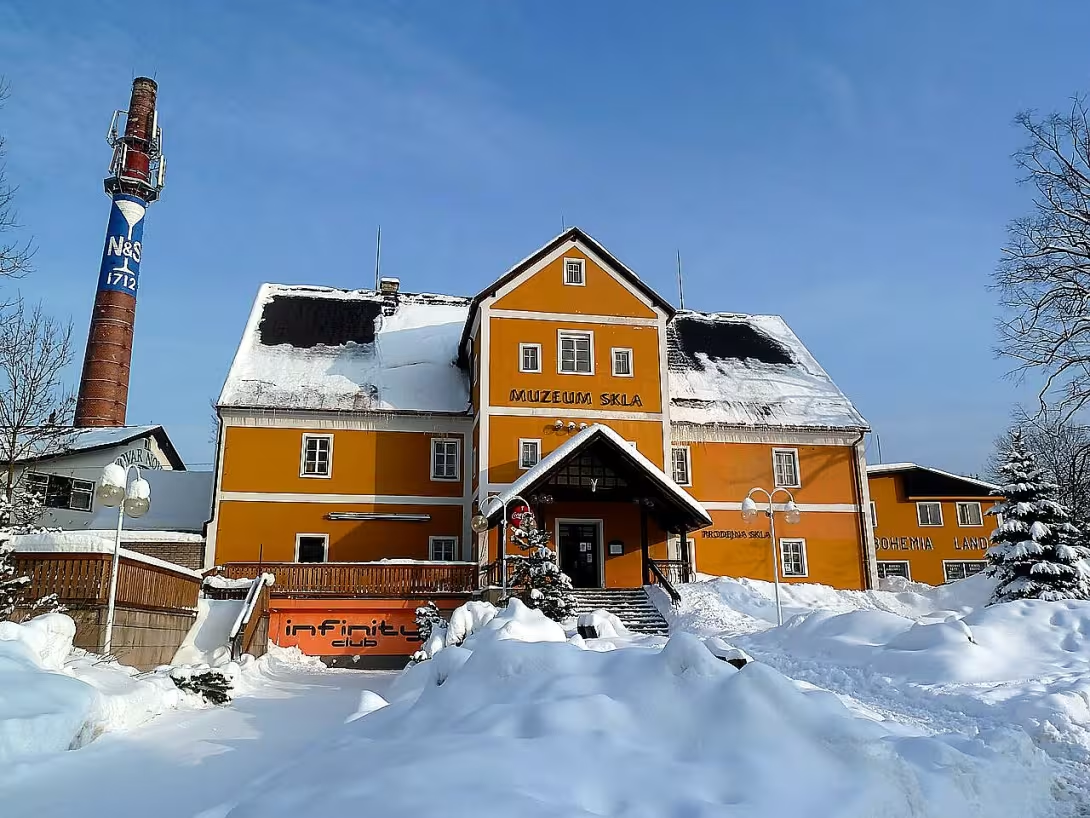
Sklárna v Harrachově, located in Nový Svět within the Krkonošské Mountains, is renowned as the world's oldest continuously operating glassworks. Established in 1712 by Elias Müller, it has been a significant cultural and industrial site for centuries. The glassworks have survived multiple reconstructions following fires and changes in ownership, reflecting its resilience and historical importance. It was declared a national cultural monument in 1991, highlighting its architectural and historical value.
The origins of Sklárna v Harrachově date back to the early 18th century when Elias Müller founded it in 1712. The glassworks became part of the Harrachové family's holdings in 1764, marking a significant period in its history as it transitioned into a prominent industrial site within the Habsburg Monarchy. This era was characterized by economic and cultural development across Bohemia, aligning with broader European trends in crafts like glassmaking.
Architecturally, Sklárna v Harrachově has undergone several phases of development, particularly after fires in 1827, 1861, and a significant one in 1946. The most notable modernization occurred post-World War II when the facility was rebuilt with new technology, transitioning from coal to natural gas for heating. The glassworks' brusírna, equipped with machinery powered by a water turbine, remains its most preserved element.
Ownership of the glassworks has seen dramatic changes over the centuries. Initially founded by Elias Müller, it became part of the Harrachové family's estate in 1764 and remained under their control until World War II. During the war, Rudolf Endler took ownership before state expropriation in 1945. Post-war reconstruction led to its integration into national enterprises, eventually culminating in privatization in 1993 when it became part of Harrachov (zapsána do obchodního rejstříku).
Key events at Sklárna v Harrachově include visits by members of the Habsburg and Saxon royal families in the early 19th century, which contributed to its fame. The major fire in 1946 was a pivotal moment that led to significant reconstruction efforts, ensuring the glassworks' continued operation.
Today, Sklárna v Harrachově stands as a testament to over three centuries of uninterrupted production and resilience. It is accessible to visitors who are interested in exploring its rich history and architectural significance. Located amidst the scenic Krkonošské Mountains, it offers not only a glimpse into the past but also an appreciation for the enduring legacy of craftsmanship.
Sklárna v Harrachově invites those curious about historical industry and cultural heritage to explore its storied halls. Its continuous operation since 1712 makes it a unique site worth visiting, offering insights into both the evolution of glassmaking and the broader historical context of the region.
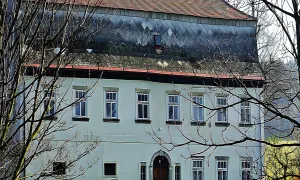
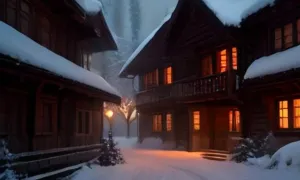
Then and now
Drag the slider to compare how the landmark may have looked when it was built with the view today.
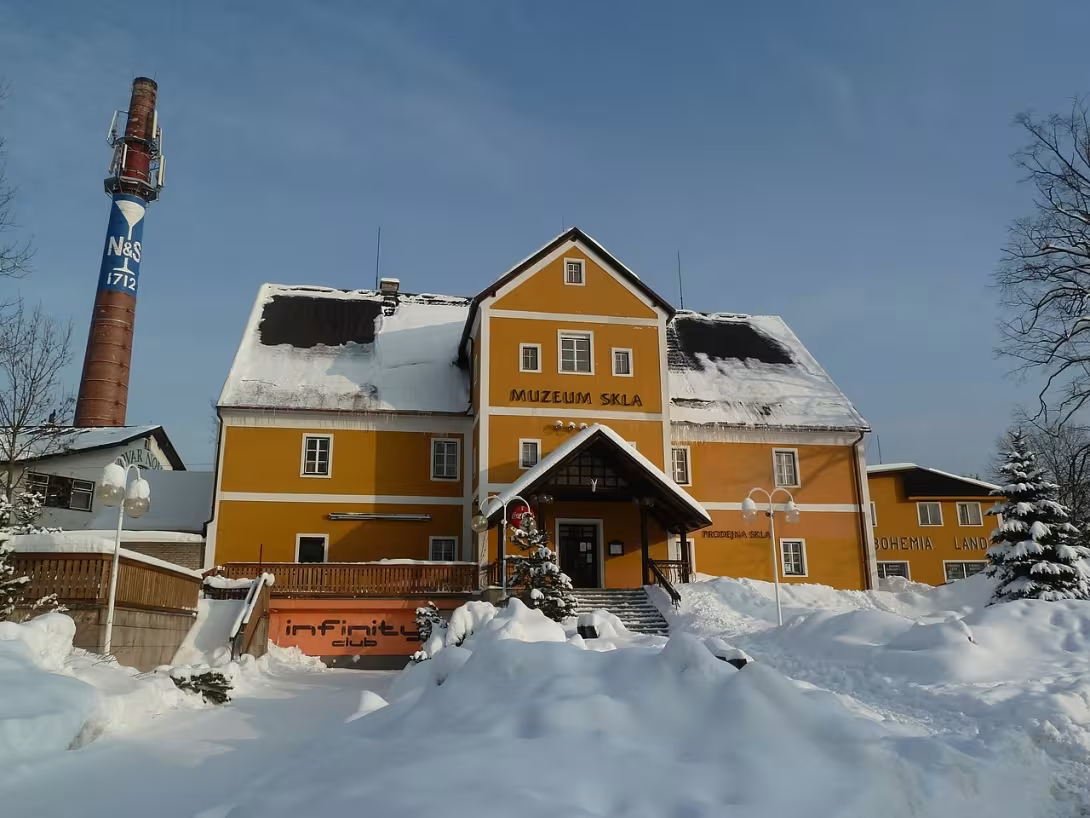
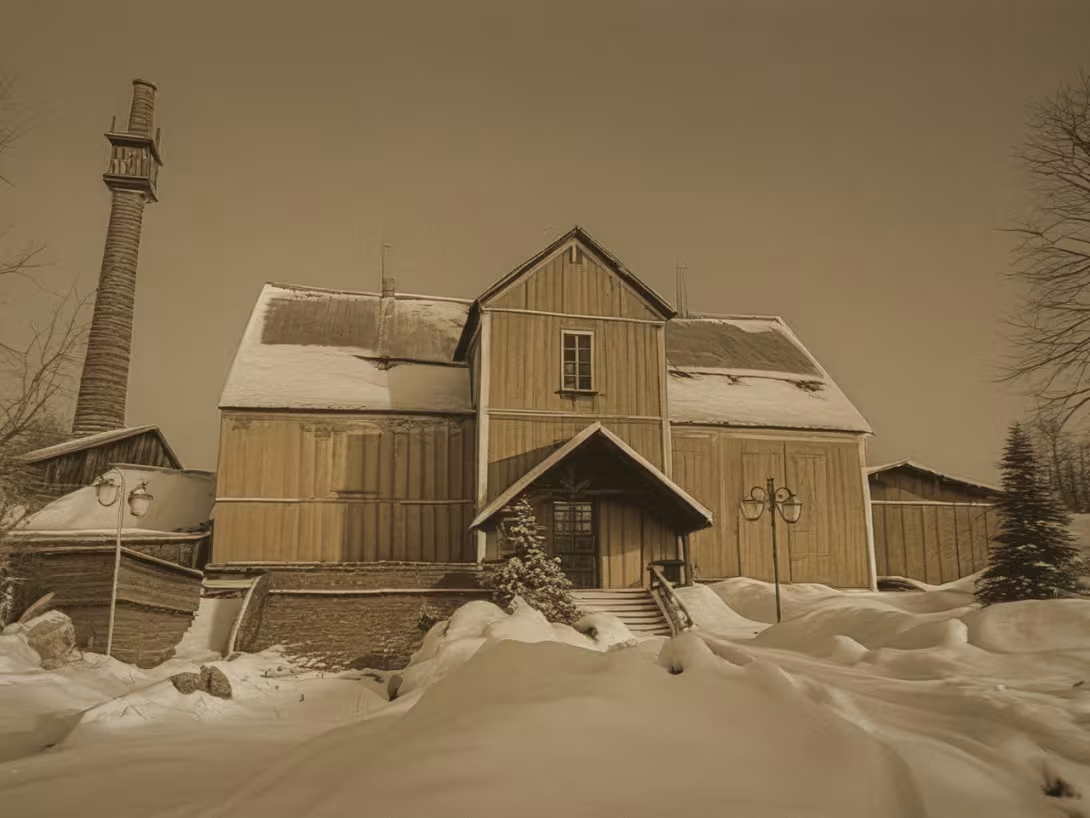
The historical appearance on the left is an AI-generated visualisation and serves as inspiration only.
Historical milestones
- 1712
- Establishment of the Glassworks in Harrachov by Elias Müller.
- 1764
- Transition into the ownership of the Harrach family.
- 1827
- Fire at the Glassworks, followed by reconstruction.
- 1861
- Another fire and subsequent reconstruction.
- 1946
- Significant fire, modernization after World War II.
- 1991
- Declared a national cultural monument.
Architectural development
The glassworks have undergone several phases of development, including major reconstructions after fires in 1827, 1861, and 1946. The most notable modernization occurred post-World War II when the facility was rebuilt with new technology, transitioning from coal to natural gas for heating.
Historical events
First mentioned in 1712, marking its establishment.
Visited by members of the Habsburg and Saxon royal families in the early 19th century.
Significant fire in 1946 leading to reconstruction.
Owners
Elias Müller (1712),
Harrachové family (1764 onwards),
Rudolf Endler (1943-1945),
State ownership post-1945
Points of interest
- The glassworks at Sklárna v Harrachově was once visited by members of the Habsburg and Saxon royal families in the early 19th century, which significantly boosted its fame across Europe.
- Despite multiple devastating fires throughout its history, including one in 1946 that led to a major reconstruction, the glassworks has maintained continuous production since its founding in 1712, making it unique globally for such longevity.
- The transition of Sklárna v Harrachově from coal to natural gas for heating after World War II marked a significant modernization effort, reflecting broader industrial advancements while preserving traditional craftsmanship.
- In 1764, the glassworks became part of the Harrachové family's holdings, marking a pivotal moment in its history as it integrated into one of the prominent noble estates within the Habsburg Monarchy and contributed to regional economic growth.
- The brusírna at Sklárna v Harrachově, powered by a water turbine, is considered the most preserved element of the site, showcasing both historical glassmaking techniques and early industrial machinery.
Guide
This guide is narrated by a synthetic voice generated by artificial intelligence.
Show guide text
This text was created by artificial intelligence and has not been editorially reviewed. It may contain inaccuracies.
The glassworks at Nový Svět in Harrachov is the oldest continuously operating glassworks in the world. Glass has been produced here without interruption since seventeen twelve. Since nineteen ninety-one it has been a cultural monument, and its cutting workshop with machinery and sample collection has held the status of a national cultural monument since twenty fourteen.
The founder and first director of the glassworks was Elias Müller. His son Hans Josef Müller sold it in seventeen sixty-four to Count Ernst Guido Harrach, and the glassworks became part of the Harrachov estate. The Harrach family had actually been managing this area for a long time before that. They acquired the Krkonošské panství Branná in sixteen thirty-two.
The glassworks products gradually became famous throughout Europe. Already in the second half of the eighteenth century, the glassworks had warehouses in Vienna, Izmir, Istanbul and elsewhere. Its reputation was enhanced by visits from royal families. Archduke Joseph and Archduke Rainer came here, in eighteen twenty Crown Prince Ferdinand, the later Emperor Ferdinand First the Benevolent, and in eighteen forty King Frederick August the Second of Saxony. By the end of the nineteenth century, around four hundred people worked here. In eighteen ninety-five a large cutting workshop was built with electric lighting, powered by a water turbine.
The glassworks caught fire three times, in eighteen twenty-seven, eighteen sixty-one and nineteen forty-six, and each time it was restored. The Harrach family owned it until the Second World War. At that time Count Jan Harrach was forced under pressure from Nazi authorities to sell it. In nineteen forty-three it was purchased by Rudolf Endler, the director at that time. After the war the glassworks was nationalized.
The most difficult moment came in January nineteen forty-six. A fire destroyed the warehouse, the engraving workshop, the painting studio and offices, and the roof of the old furnace hall collapsed. There were considerations about shutting down operations, but the local workers stood up for its preservation. After the intervention of the chairman of the Czechoslovak government, construction of a new factory began that same summer.
From nineteen forty-eight the glassworks belonged to Železnobrodské sklo, from nineteen fifty-eight to Borské sklo, from which Crystalex Nový Bor later emerged. For the two hundred and fiftieth anniversary of its first mention, it received the Order of Labor in nineteen sixty-two. A major reconstruction in nineteen seventy-one brought an expansion of the furnace hall, two new furnaces and a new chimney. Coal gas produced directly in the glassworks then replaced gas supplied from a distance.
In nineteen ninety-three the glassworks was privatized. Its owner became František Novosad from Nový Bor, originally a trained glassmaker.
Tips for visitors
The best time to visit Sklárna v Harrachově is during the late spring or early fall when the weather is pleasant, allowing you to comfortably explore both the glassworks and the surrounding Krkonošské Mountains. During these months, the natural beauty of the area is at its peak with vibrant flora and clear skies, making it ideal for outdoor activities like hiking. Additionally, visiting during off-peak seasons can mean fewer crowds, providing a more intimate experience at this historic site.
Parking near Sklárna v Harrachově is generally available, but it's advisable to check the availability in advance as spaces might be limited due to its popularity among tourists and locals alike. Public transportation options are also accessible; you can reach Harrachov by train or bus from nearby cities. For those driving, make sure your vehicle is well-equipped for mountain roads. Always verify current transport schedules through a reliable travel app or website before your visit.
When visiting Sklárna v Harrachově, it's recommended to bring comfortable walking shoes as you'll likely explore the site and its surroundings on foot. Given the variable weather in the Krkonošské Mountains, packing layers is wise—bring a light jacket or raincoat even if the forecast seems clear. Don't forget your camera for capturing the stunning landscapes and glasswork creations. A small backpack can be handy to carry water, snacks, and any personal items.
For photography enthusiasts, Sklárna v Harrachově offers several picturesque spots, especially during sunrise or sunset when the light is soft and warm, enhancing the natural beauty of the mountains and the intricate glasswork designs. The best views are often found along the hiking trails that offer panoramic vistas of the area. Early morning visits can provide a serene atmosphere with fewer visitors, allowing for uninterrupted photography sessions.
Within 30 minutes from Sklárna v Harrachově, you can explore other cultural sites and natural attractions in the region. The nearby Krkonoše National Park offers numerous hiking trails suitable for all ages and skill levels, providing opportunities to experience the stunning alpine scenery. For families with children, these trails are a great way to enjoy nature while engaging in outdoor activities. Additionally, Harrachov itself is known for its winter sports facilities, making it an attractive destination year-round.
Frequently asked questions
Can the monument be visited?
Yes. We verified the opening hours or admission on the official website (20. 9. 2026); you will find them in the visitor information on this page. Please double-check with the operator before you travel.
What are the opening hours and admission?
Details verified on the official website (20. 9. 2026) are listed in the visitor information on this page. Official website: http://en.sklarnaharrachov.cz/glass-factory
Where is the monument?
Location: Nový Svět č.p. 95, Harrachov, Liberecký kraj. The map on this page shows the exact spot.
Why is the monument protected?
It is listed in the Central List of Cultural Monuments of the Czech Republic as a national cultural monument (register no. 385).
Businesses nearby
Do you run a restaurant, accommodation, shop, museum, rental, wellness or other visitor service near this monument? Show yourself directly to the people heading to it — this is how they will see you in the app and on the web:
Nearby
Located in the scenic Krkonošské Mountains, the area around Harrachov is known for its natural beauty and outdoor activities. Nearby attractions include hiking trails and other cultural sites within the region.
Accommodation nearby
Trips and activities nearby
Guided tours, tickets and activities nearby from GetYourGuide
Affiliate link: if you buy from the partner, we may receive a commission. The price for you does not change.
Search tours and activities →Themed route
Tematická výletní trasa: Sklárna v Harrachově a Krkonošské krajiny
1. Sklárna v Harrachově
Typ: Historický průmyslový objekt
Proč stojí za návštěvu: Navštivte tuto historickou sklárnu, která je nejen památkou průmyslu, ale také nabízí pohled na technologii a kulturu dřevařství v regionu. Zajímavostí jsou expozice a možnost se dozvědět více o historii sklárenství v Krkonoších.
2. Harrachovské hory
Typ: Horský terén pro procházky
Proč stojí za návštěvu: Prozkoumejte krásné pohledy a přírodní krajiny Krkonošských hor, které nabízejí mnoho cest a výhledů. Tato oblast je ideální pro milovníky přírody a aktivní odpočinek na venkově.
3. Harrachov
Typ: Místní centrum s kulturou
Proč stojí za návštěvu: Prozkoumejte místní centrum Harrachova, které nabízí kulturní a historický zážitek. Zde najdete možnosti pro relaxaci a poznání místní kultury prostřednictvím různých aktivit a událostí.
4. Harrachovské lesy
Typ: Lesní oblast s cestami
Proč stojí za návštěvu: Prozkoumejte tyto lesy, které jsou součástí Krkonošských hor a nabízejí mnoho možností pro relaxaci a aktivní odpočinek. Ideální místo pro lidi hledající klid a přírodu.
5. Krkonošské pohádkové zámky
Typ: Kulturní památka v okolí
Proč stojí za návštěvu: Navštivte tyto historické zámky, které jsou součástí kulturního dědictví regionu. Zde můžete prozkoumat architekturu a historii Krkonošských pohádek.
Tato trasa nabízí kombinaci historie, kultury a přírody v krásném prostředí Krkonošských hor.
Seasonal recommendations
Spring: Visiting Harrachov Glassworks during spring offers a unique experience as the surrounding landscape begins to bloom, creating a picturesque backdrop for the historic site. The early morning light casts a soft glow on the glass pieces, enhancing their vibrant colors and intricate designs. This season is perfect for photography enthusiasts who wish to capture the interplay of natural beauty and artisanal craftsmanship. Visitors should consider wearing layers as temperatures can vary, and arriving in the late morning helps avoid any lingering chill from the night.
Summer: The summer months bring a lively atmosphere to Harrachov Glassworks with longer daylight hours allowing for extended exploration of both indoor exhibits and outdoor gardens. The lush greenery surrounding the site provides a refreshing contrast to the warm hues of glass art, making it an ideal time for nature walks. However, with increased visitor numbers during this peak season, arriving early in the day is advisable to avoid crowds and fully enjoy the experience. Light clothing and comfortable footwear are recommended due to higher temperatures.
Autumn: In autumn, Harrachov Glassworks is enveloped in a warm palette of reds, oranges, and yellows as the leaves change color, offering a stunning visual treat that complements the glass displays inside. The cooler weather makes for pleasant strolls through the site's grounds without the summer heat, while the soft light enhances the reflective qualities of the glasswork. Visitors should dress in layers to adapt to fluctuating temperatures throughout the day and consider bringing an umbrella or raincoat as autumn rains can be unpredictable.
Winter: The winter season transforms Harrachov Glassworks into a serene wonderland, with snow-covered landscapes providing a magical setting for exploring the site's historical exhibits. The unique lighting conditions of shorter days create dramatic shadows and highlights within the glass displays, offering an entirely different perspective on the artistry. Visitors should dress warmly in layers to combat the cold and check opening hours as they may be reduced during this time. Arriving early helps ensure a more tranquil visit before potential winter crowds gather later in the day.
Visualizations and artistic views


The visualisations are generated by artificial intelligence and serve as inspiration.
Photos from the area
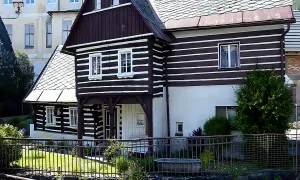
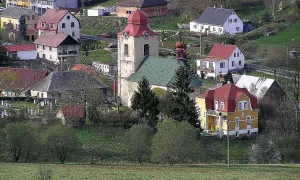
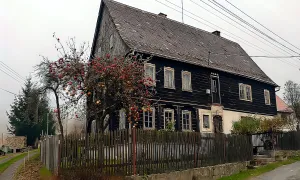
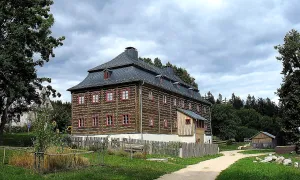
Real photos taken near the monument


Zdroj a licence jsou uvedeny u každého snímku.
Tips from visitors
No tips yet. Be the first!
Log in and add your tip.
Sources and literature
Photos: Loracco / CC BY-SA 3.0 — Wikimedia Commons. The author and licence also appear when you hover over the image.
Faktickým podkladem tohoto textu byl článek na Wikipedii, jehož autory jsou přispěvatelé Wikipedie. Článek je dostupný pod licencí CC BY-SA 4.0.
Location on the map
Příběhy a pověsti
Legendy, pověsti a příběhy spjaté s touto památkou
Fotografie návštěvníků
Zatím žádné fotografie. Buďte první, kdo přidá fotografii z návštěvy!
Log in a přidejte svou fotografii nebo hodnoťte.
Za ověřenou návštěvu v aplikaci získáte víc bodů — poznáme podle GPS, že jste na místě.
Reviews and comments