






Šlajferka Monastery
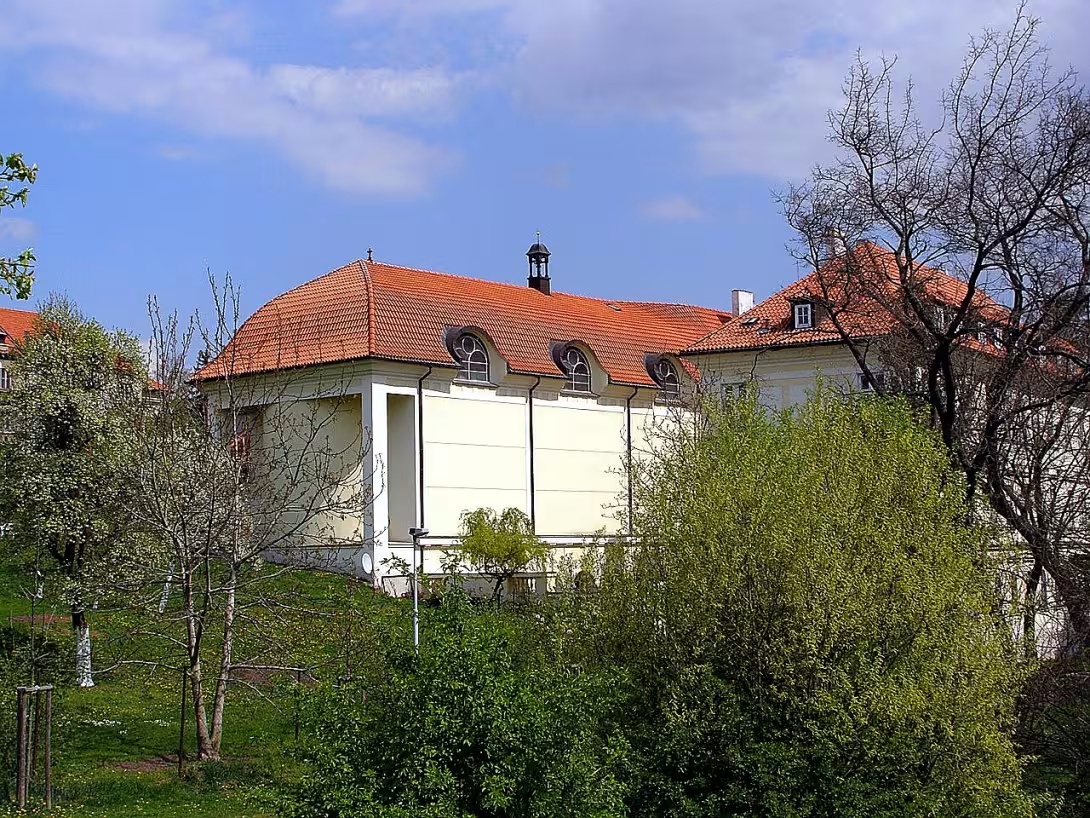
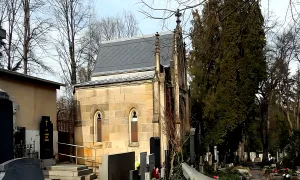
Šlajferka is a historic monastery in Prague's Břevnov district, with roots dating back to at least the 14th century. Over the centuries, it has experienced various ownerships and reconstructions, reflecting broader European conflicts and cultural shifts. Today, it serves as a charitable house for the Congregation of School Sisters of St. Francis, making it an intriguing destination for those interested in history and social service.
The origins of Šlajferka are deeply embedded in Prague's historical landscape. Initially linked to the Order of Saint George on Prague Castle from at least the 14th century, its first documented owner was Mikuláš Vopřetický by the late 16th century. In 1607, it reverted to the monastery as an escheat before being transferred to Marty Vopřetické z Libenberka and then to her second husband, Adam Schleichert. Despite devastation during the Thirty Years' War, it was restored by a new owner by the end of the 17th century.
Architecturally, Šlajferka has evolved significantly over time. Initially serving as a garden and estate, it underwent partial reconstruction around 1850. In 1922, the Congregation of School Sisters of St. Francis purchased the site and extensively renovated it to meet their needs, adding structures such as a chapel on the first floor and multiple living quarters above.
Ownership of Šlajferka has seen dramatic shifts throughout its history. After Adam Schleichert's tenure, František říšský hrabě von Sickingen acquired it in 1806, marking another significant change. Post-World War II, the site became the headquarters for ONV in Prague 5 until a merger with Prague 6 in 1960. These changes reflect broader socio-political transformations.
Key events at Šlajferka include its occupation by a German garrison during World War II, highlighting its strategic importance. Post-war, it served various purposes: from ONV's headquarters to a cultural hall and later a club venue known as Klub Na Petynce. These transitions underscore the site's adaptability and continued relevance through turbulent times.
Today, Šlajferka stands as a testament to resilience and adaptation. It is accessible to visitors interested in its historical significance and current charitable mission. The monastery's rich history, coupled with its ongoing social contributions, makes it a worthwhile destination for those exploring Prague's cultural heritage. Visitors are invited to delve into the layers of history that Šlajferka embodies, appreciating both its past and present roles within the community.
Then and now
Drag the slider to compare how the landmark may have looked when it was built with the view today.
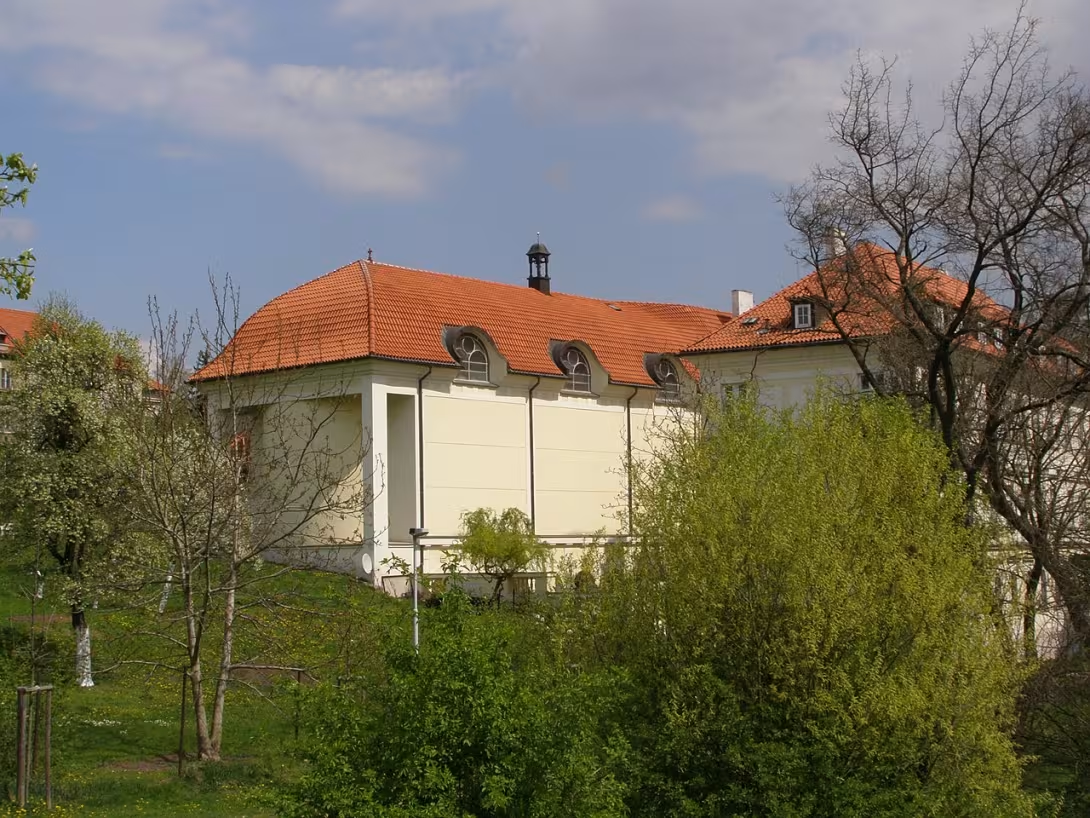

The historical appearance on the left is an AI-generated visualisation and serves as inspiration only.
Historical milestones
- around the 14th century
- Originally associated with the Order of Saint George at Prague Castle.
- end of the 16th century
- The first documented owner was Mikuláš Vopřetický.
- 1607
- Returned to the monastery as escheat.
- end of the 17th century
- Restoration after the Thirty Years' War by a new owner.
- 1850
- Partial reconstruction as a garden and estate.
- 1922
- Purchased by the Order of the School Sisters of Saint Francis.
Architectural development
Šlajferka has seen several architectural phases. Initially a garden and estate, it was rebuilt after wartime destruction. In the early 20th century, the Congregation of School Sisters of St. Francis transformed it into a monastery with significant additions including a chapel.
Historical events
During the Thirty Years' War, Šlajferka was devastated but later restored by a new owner by the end of the 17th century.
In 1947, after World War II, the building became the headquarters for ONV in Prague 5 until its merger with Prague 6 in 1960.
Owners
The property was initially associated with the Order of Saint George on Prague Castle from at least the 14th century. By the late 16th century, Mikuláš Vopřetický and his heirs were documented owners. In 1607, it reverted to the monastery as an escheat. It later belonged to Marty Vopřetické z Libenberka, who transferred it to her second husband, Adam Schleichert. The estate was acquired by František říšský hrabě von Sickingen in 1806. In 1922, the Congregation of School Sisters of St. Francis purchased and significantly renovated it.
Points of interest
- Despite its turbulent history, the Šlajferka monastery has maintained a continuous presence in Prague since at least the 14th century, surviving wars and ownership changes that reshaped much of Europe.
- The name "Šlajferka" itself is derived from Adam Schleichert, who acquired it in 1806. His legacy lives on through this unique naming, linking personal history to a broader cultural narrative.
- During World War II, Šlajferka was occupied by a German garrison, highlighting its strategic importance during the conflict and serving as a reminder of Prague's role in European wartime history.
- After World War II, the site transitioned from being headquarters for ONV (Občanské národní výbor) to hosting cultural events at Klub Na Petynce, showcasing its ability to adapt to changing societal needs over time.
- The monastery’s extensive renovations in 1922 by the Congregation of School Sisters of St. Francis transformed it into a charitable institution, illustrating how historical sites can be repurposed for modern social services while preserving their heritage.
Guide
This guide is narrated by a synthetic voice generated by artificial intelligence.
Show guide text
This text was created by artificial intelligence and has not been editorially reviewed. It may contain inaccuracies.
Welcome to the historic Šlajferka Monastery in Prague's Břevnov district. As you stand here, imagine stepping back into a world where history has unfolded over centuries. Before you lies a site that whispers tales of its diverse past—a former estate and monastery with roots stretching deep into the 14th century.
Šlajferka's story begins as part of the Order of St. George on Prague Castle, marking it as an integral piece of Bohemian heritage from its early days. By the late 16th century, Mikuláš Vopřetický became its first documented owner, a chapter that would only be the beginning of Šlajferka's journey through time.
In 1607, after changing hands, it was returned to the monastery as escheat—a testament to its enduring spiritual significance. The turbulent times following the Thirty Years' War saw it restored by new owners in the late 17th century, ensuring that this site would continue to stand resiliently against the backdrop of Europe's shifting landscapes.
As you look around, take a moment to appreciate the chapel built in the early 20th century by the Congregation of School Sisters of St. Francis. Its presence here serves as a reminder of the site’s continuous evolution and its role as a charitable house for the same congregation today.
While exploring, consider the figures who have walked these grounds: from Mikuláš Vopřetický to Adam Schleichert, whose name became synonymous with Šlajferka after acquiring it in 1806. Each owner has left an indelible mark on this place, contributing to its rich tapestry of stories.
One fascinating aspect that might intrigue you is how the name "Šlajferka" itself ties back to Adam Schleichert. Despite its turbulent history, Šlajferka has maintained a continuous presence in Prague since at least the 14th century, surviving wars and ownership changes that reshaped much of Europe.
As we conclude this brief journey through time, I invite you to delve deeper into the layers of history surrounding you. Explore the grounds, let your imagination wander through the centuries, and discover what stories these walls might still have to tell. Thank you for visiting Šlajferka; may it inspire a lasting curiosity about the past that shaped this remarkable place.
Tips for visitors
The best time to visit Šlajferka is during the late spring or early autumn months, when the weather is mild and pleasant. This period offers a perfect balance of comfortable temperatures for exploring the monastery grounds and enjoying the natural landscapes around the Brusnice stream. Additionally, visiting outside the peak summer season can mean fewer crowds, allowing you to appreciate the historical architecture in a more serene setting.
Parking near Šlajferka is limited due to its location within Prague's Břevnov district, so it’s advisable to use public transportation or park further away and walk. The area is accessible by tram and bus lines that connect to central Prague, making it convenient for visitors traveling from the city center. For those driving, checking a local map service in advance can help identify nearby parking options. Always verify current transport routes as they may change.
When visiting Šlajferka, consider bringing comfortable walking shoes, especially if you plan to explore the surrounding natural areas and historical sites on foot. A camera is also recommended to capture the picturesque views of the chapel and its surroundings. Since weather conditions can vary, packing a light jacket or umbrella might be wise, ensuring your visit remains enjoyable regardless of unexpected changes in the weather.
Photography enthusiasts will find several spots around Šlajferka ideal for capturing its historical charm, especially during the golden hours of early morning or late afternoon when the light is soft and warm. The chapel offers a particularly striking subject against the backdrop of Prague's skyline. Exploring the area near the Brusnice stream can also provide unique natural landscapes to photograph.
For those interested in exploring nearby attractions within 30 minutes, consider visiting other historical sites in the Břevnov district or taking a leisurely walk along the Brusnice stream to enjoy its natural beauty. These activities offer additional context and appreciation for Prague's rich history and cultural heritage, making them perfect complements to your visit to Šlajferka.
Businesses nearby
Do you run a restaurant, accommodation, shop, museum, rental, wellness or other visitor service near this monument? Show yourself directly to the people heading to it — this is how they will see you in the app and on the web:
Events nearby

Zdroj akcí: otevřená data měst a obcí ČR (Národní katalog otevřených dat) a kalendář akcí Národního památkového ústavu.
Nearby
Šlajferka is located near the Brusnice stream in Prague's Břevnov district. The area features historical architecture and natural landscapes typical of Prague.
Accommodation nearby
Trips and activities nearby
Guided tours, tickets and activities nearby from GetYourGuide
Affiliate link: if you buy from the partner, we may receive a commission. The price for you does not change.
Search tours and activities →Themed route
Thematic Walking Tour: Břevnov Monastery and Surroundings
1. Šlajferka (Břevnov Monastery) - Historical Architecture Begin your journey at the heart of this tour, the Šlajferka or Břevnov Monastery, a remarkable example of Gothic architecture nestled near the Brusnice stream in Prague's Břevnov district. This historic site offers visitors a glimpse into medieval monastic life and features impressive structures such as the Church of St. Procopius. The monastery is renowned for its rich history and cultural significance, making it an essential stop for anyone interested in exploring Prague’s architectural heritage.
2. Brusnice Stream - Natural Landscape From Šlajferka, take a leisurely walk along the Brusnice stream, which flows nearby. This natural feature provides a serene setting that contrasts beautifully with the historical architecture of the monastery. The stream is an ideal spot for a peaceful stroll or a moment of reflection amidst the lush greenery typical of Prague's landscape. Its proximity to Šlajferka makes it a convenient and picturesque addition to your tour.
3. Břevnov Monastery Nádvoří (Courtyard) - Cultural Experience Return to the Břevnov Monastery grounds, specifically its expansive courtyard. This area offers an intimate look at the monastery's daily operations and serves as a cultural hub for various events and exhibitions throughout the year. The nádvoří is perfect for visitors who wish to delve deeper into the life of the monastic community or simply enjoy the tranquil atmosphere it provides.
4. Monastery Tower - Panoramic Views Conclude your tour by visiting the Monastery Tower, accessible from within the Břevnov Monastery complex. Climbing the tower rewards you with breathtaking panoramic views of Prague and its surrounding areas. This vantage point offers a unique perspective on the city's skyline and is an ideal spot to reflect on the day’s journey through history and nature.
This thematic walking tour combines architectural marvels, natural beauty, and cultural insights, providing a well-rounded experience of the Břevnov Monastery and its immediate surroundings.
Seasonal recommendations
Spring: Visiting Šlajferka during spring offers a unique experience as the surrounding Břevnov landscape bursts into life with blooming flowers and lush greenery, creating a picturesque atmosphere that complements the historical architecture of the monastery. The soft light filtering through budding trees adds a serene quality to your visit. Spring is generally less crowded than summer, making it an ideal time for those who prefer a quieter exploration. However, be prepared for occasional rain showers; wearing comfortable layers and waterproof footwear can enhance your experience.
Summer: Summer at Šlajferka is characterized by vibrant greenery and warm sunshine, which illuminate the monastery's historic structures in a golden glow. The longer daylight hours allow more time to explore the site, but it also means increased visitor numbers during peak times like early mornings or late afternoons. To avoid the crowds, consider visiting on weekdays or arriving early. Dressing in light, breathable clothing and wearing sun protection is advisable due to the warmer weather.
Autumn: Autumn transforms Šlajferka into a stunning tapestry of reds, oranges, and yellows as the leaves change color around the monastery. This seasonal shift creates a magical atmosphere that enhances the historical ambiance with its warm hues. While visitor numbers begin to decrease compared to summer, it's still wise to plan your visit during weekdays or less busy hours. Layered clothing is recommended to accommodate the cooler temperatures, and carrying an umbrella can be useful for unexpected rain.
Winter: Winter at Šlajferka offers a serene and tranquil experience as snow may blanket the surrounding landscape, adding a mystical charm to the monastery's historic architecture. The shorter days mean that visiting in daylight hours is essential, so plan your trip accordingly. Winter conditions might lead to reduced opening times or accessibility issues, so checking ahead is advisable. Dress warmly with layers, including gloves and a hat, to comfortably enjoy the beauty of Šlajferka during the colder months.
Visualizations and artistic views


The visualisations are generated by artificial intelligence and serve as inspiration.
Photos from the area
Real photos taken near the monument


Zdroj a licence jsou uvedeny u každého snímku.
Tips from visitors
No tips yet. Be the first!
Log in and add your tip.
Sources and literature
Photos: JiriMatejicek / CC BY-SA 3.0 — Wikimedia Commons. The author and licence also appear when you hover over the image.
Faktickým podkladem tohoto textu byl článek na Wikipedii, jehož autory jsou přispěvatelé Wikipedie. Článek je dostupný pod licencí CC BY-SA 4.0.
Location on the map



Příběhy a pověsti
Legendy, pověsti a příběhy spjaté s touto památkou

Fotografie návštěvníků
Zatím žádné fotografie. Buďte první, kdo přidá fotografii z návštěvy!
Log in a přidejte svou fotografii nebo hodnoťte.
Za ověřenou návštěvu v aplikaci získáte víc bodů — poznáme podle GPS, že jste na místě.
Reviews and comments