



Slatinka Hamlet
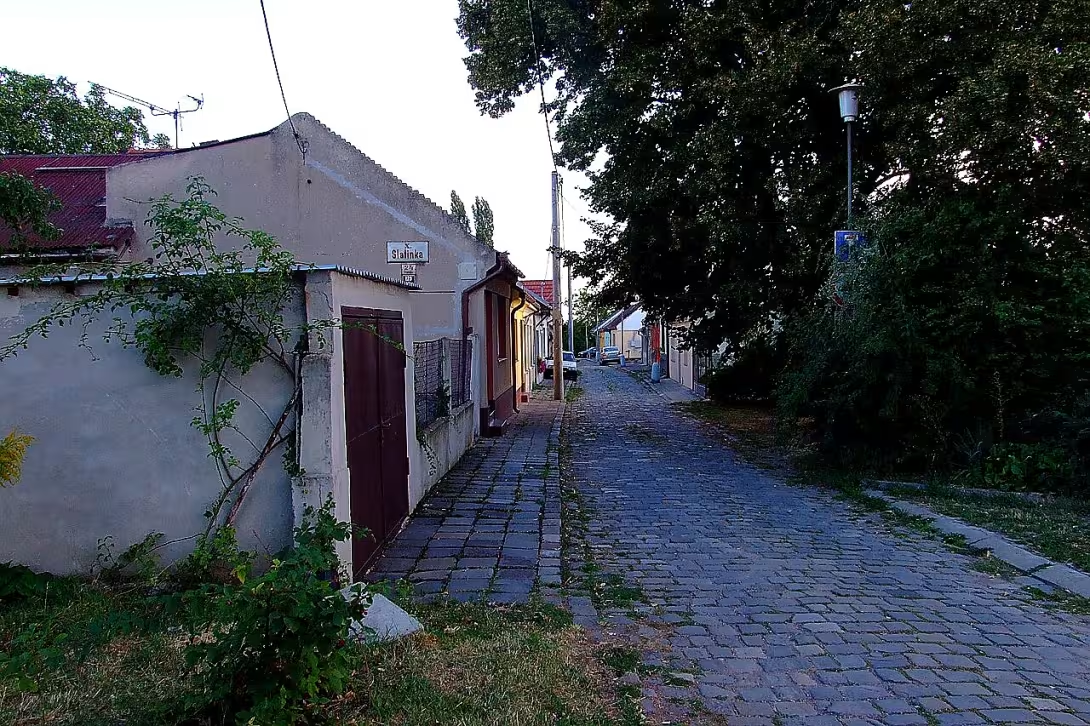
Slatinka - street and settlement in the town of Brno-Slatina - was created in the second period of the 18th century as a small settlement around the pilgrimage temple. It is located about 1.5 kilometres south of the very edge of its cadastre and represents an interesting chapter in Brno's history, as it shows how the Central European settlements have shaped the религival traditions.
The heart of Slatinka is the Church of the Virgin Mary of the Painful, which in 1732 was built by Jan Kryštof z Freyenfelsu, owner of the Líšín estate. The temple was supposed to be a place of pilgrimage and soon a small community grew around it - a pub and several houses formed a short street. The osada was originally named Mariánska Star according to the initiation of the church, the German Maria Stern, but the simpler name Slatinka was taken in the awareness of the locals.
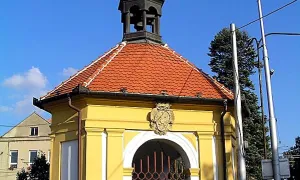
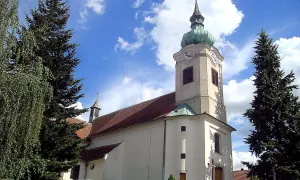
The fate of this settlement changed after the Yosefin reforms. In 1784 the church was abolished and torn down by the state. Although they no longer believed in the temple, the tradition was partially preserved: at the end of the 19th century they built a neo-gothic chapel in its place, which was also dedicated to the Virgin Mary the Painful. This brick construction of the brick wall stands between the houses and forms the center of the street to this day.
In the second half of the 19th century, Slatinka grew - roughly doubled its length towards the north. In 1887 a Flemish railway was built near the northern end of the settlement, which became the only transport link to the location. Three decades later, in 1919, Slatinka became a part of Brno together with the entire Slatia.
The second half of the 20th century gradually isolated the Slatina. The Brno-Turany airport was built south of it, industrial areas around the Slatina railway station were built north and the D1 motorway was built to separate the settlement from the rest of Slatina. These factors turned the once-revived place into an enclave.
Today the Slatinka is almost passable - the street itself is blind and the only access leads from the station Slatina through the Railway. The railway crossing protects the moving barrier here. Citizens or visitors are only driven by the town line 77, which ends at the intersection of these streets and the vehicles turn there. After dark, public transport doesn't come here at all.
Slatinka is an example of a marginalised location in the middle of a large city - a place with a rich history that the progress has gradually cut off from its surrounding community. The readers will come here mainly because of the architectural interest of the chapel and the sad beauty of the forgotten street, which is penetrated in winter or in the rain by a feeling of defiance and a time stop.
Then and now
Drag the slider to compare how the landmark may have looked when it was built with the view today.
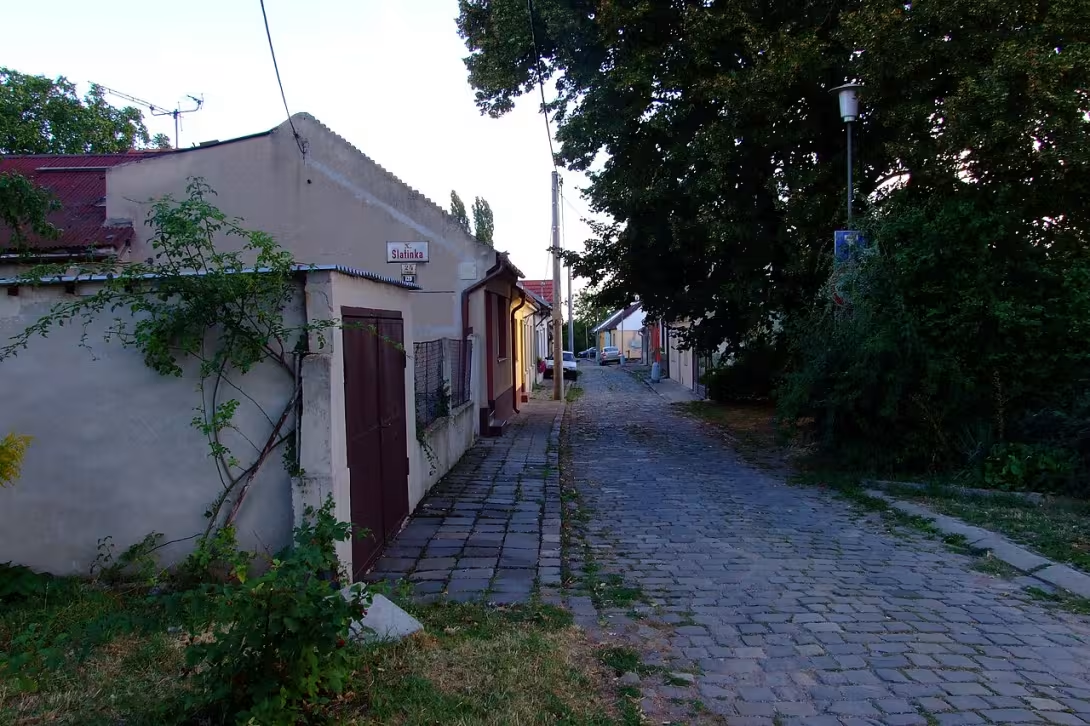

The historical appearance on the left is an AI-generated visualisation and serves as inspiration only.
Historical milestones
- 1732
- Construction of the pilgrimage church of Our Lady of Pain.
- 1784
- Cancellation and demolishing of the original church during the josefin reforms.
Architectural development
Originally, a pilgrimage church was built in 1732, which was demolished in 1784. A neo-gothic chapel was created in its place in the late 19th century. The orchard grew north during the second half of the 19th century.
Historical events
- 1732
- Construction of the pilgrimage church of Our Lady of Pain.
- 1784
- Cancellation and demolishing of the original church during the josefin reforms.
- 1919
- Slatina Incorporation to Brno.
Points of interest
- Slatinka - street and settlement in the town of Brno-Slatina - was created in the second period of the 18th century as a small settlement around the pilgrimage temple. - The heart of the Slatinka is the church of the Virgin Mary of Pain, which in 1732 was built by Jan Kryštof z Freyenfelsu, owner of the Líšín estate. - After the Josephine reforms, the church was abolished and demolished in 1784. In its place at the end of the 19th century they built a neo-gothic chapel, which is still the center of the street. - In 1887 a Flemish railway was built near the northern end of the settlement, which became the only transport link to the site. - The second half of the 20th century gradually isolated Slatinka, mainly thanks to the construction of the Brno-Tuřany airport and industrial areas around the Slatinska railway station.
Guide
This guide is narrated by a synthetic voice generated by artificial intelligence.
Show guide text
This text was created by artificial intelligence and has not been editorially reviewed. It may contain inaccuracies.
Slatinka is a small settlement and at the same time a street in Brno, in the Brno-Slatina city district. In German it was called Klein Latein. It is a place that lies on the edge of the city and gradually became increasingly separated from its surroundings.
The settlement was founded in the second third of the eighteenth century. Approximately one and a half kilometers south of Slatina, on the edge of the Slatina cadastral area, the owner of the Líšeň estate, Jan Kryštof z Freyenfelsu, had a pilgrimage church of Our Lady of Sorrows built in 1732. An inn and several houses soon grew up around it, which created a very short street. The settlement was given the name Mariánská Hvězda, in German Maria Stern, but among the people the name Slatinka became established.
The church did not last long. During the Josephine reforms it was closed in 1784 and then demolished. In the second half of the nineteenth century, the settlement expanded toward the north roughly to double its original length. At the end of the century, a neo-Gothic chapel of the same dedication was probably built on the site of the former church. It is made of exposed brick and stands among the houses approximately in the middle of the street. In 1919, Slatinka, together with all of Slatina, became part of Brno.
The fate of the settlement was significantly marked by transport and industry. In 1887, the Vlárská dráhy railway ran close to its northern end, and the only access to Slatinka still leads across it via Drážní street from the Slatina station. The street Slatinka itself is a dead end. In the second half of the twentieth century, the isolation was further deepened by the construction of Brno-Tuřany airport south of the settlement, industrial complexes around the Slatina station to the north, and also the D1 motorway, which runs past Slatinka and separates it from the rest of Slatina.
Tips for visitors
The best time to visit the Chapel of Our Lady of Pain in Slatina is from spring to autumn when the weather is usually pleasantly warm and ideal for walks. This period also offers the best light for photography, especially in the early morning hours or evening when the sun is low and illuminates the chapel from an angle point of view.
When visiting the chapel we recommend taking a warm suit and protective glasses, especially in colder months. Photographers can also bring a stabilizer or a monopod for better footage.
For families with children the chapel of Our Lady of Pain is an ideal place to learn about the history and traditions of the region. Children can also play in the surrounding environment and explore the natural beauty of the area.
Near the chapel, within 30 minutes of the journey, there is a historical church of St. John Nepomucký in Slatina, which is another interesting place to visit. In addition, you can explore the picturesque surrounding landscape and perhaps visit gardens or parks.
Frequently asked questions
Can the monument be visited?
This is a structure in a public space that can usually be seen from outside free of charge. We have not verified that this particular one is freely accessible.
Where is the monument?
Location: Slatina, Jihomoravský kraj. The map on this page shows the exact spot.
For kids
Imagine going back 80 years and finding yourself in Brno, specifically in the town of Brno- Slatina. There is a settlement Slatinka which was built only in 1946. But what did it look like before? Who lived here? What happened here?
It was like a game where you're a hero and you have to solve a mysterious story. Slatinka was a village village where people lived in homes with wooden ceilings and roofs. The locals fed on farming and livestock farming. They were people who liked nature and animals.
Businesses nearby
Do you run a restaurant, accommodation, shop, museum, rental, wellness or other visitor service near this monument? Show yourself directly to the people heading to it — this is how they will see you in the app and on the web:
Events nearby


Zdroj akcí: otevřená data měst a obcí ČR (Národní katalog otevřených dat) a kalendář akcí Národního památkového ústavu.
Nearby
ITEX Show interactive overview of the surroundings - restaurants, accommodation, rentals and other places within a 15 km radius.
Data: OpenStreetMap contributors, 15 km radius.
‡ Historical monuments
- William L. Kiggins (1.5 km)
- Monument (1.5 km)
- Monument of peace (6.7 km)
- Hotel Avion (6.9 km - Moravian Square 1a)
- Monument of Italian carbonator (7.0 km)
- Casemates (7.2 km)
- Mendel Museum (7.5 km)
- Wild move 1945 (7.5 km)
Restaurant and catering
- McDonald's (5.7 km)
- Motorest Rohlenka (5.8 km)
- Pizzeria near the Balkans (6.6 km - Old 88 / 14)
- Mikuláshek (6.8 km - Elgartova 263 / 8)
- Morgal (7.0 km - Husova 18)
- Teátr (7.2 km - Lidická 1862 / 14)
- Location Gallery Glass meadow (7.4 km - Kounicova 276 / 23)
- Moravian cottage (7.9 km - Křížkovsky 489 / 47a)
Accommodation
- Elendris - Accommodation near the churches (1.6 km - Krejčí 550 / 2)
- Masarykova Universita (2.8 km - Railway station 465 / 58)
- Guesthouse Nikol (5.3 km - Infantry 363 / 6)
- Radlas. cz hostel (6.0 km - Radlas 84 / 6)
- R.C.P.R. - reality, s. r.o. (6.2 km - Cejl 469 / 71)
- Hotel Omega * * * (7.0 km - Wings 333 / 19b)
- Accommodation in Brno - Stairs (7.3 km - Staircase 1288 / 9)
- Hotel Voro (8.0 km - Crožkovsky 488 / 49)
› Rental and sports
- Sokolovna (3.0 km - Railway station 706 / 87)
- Velo Hanák (6.2 km)
- Sun massage and body styling studios (6.3 km - Cejl 496 / 28)
- Studio Bianca - Sports Education Center (6.4 km - Vranovská 217 / 19)
- Kola Sírer (6.6 km)
- Spa Brna (6.9 km - Rashínová 643 / 12)
- Army Store (7.4 km)
- TETA drugerie (7.4 km)
© Tourism and nature
- Šlepanice (public transport) (2.8 km)
- Strane rock (3.1 km)
- White Hora (4.0 km)
- Hornek (7.8 km)
- Big Hornek (7.8 km)
- Locality Red Hill - Střířice - Writers (7.9 km)
- Kraví hora (8.8 km)
- Brno- Typists (public transport) (9.1 km)
Accommodation nearby
Trips and activities nearby
Guided tours, tickets and activities nearby from GetYourGuide
Affiliate link: if you buy from the partner, we may receive a commission. The price for you does not change.
Search tours and activities →Themed route
Thematic cruise route from the village Slatina
1.Slatinka (chapel) * Type: * Religious monument * Why is it worth a visit: * Chapel Slatinka is a quiet and impressive place that offers beautiful wonders of architecture and history. It's a place to meditate and enjoy the quiet of nature.
2. Municipal Office Slatina * Type: * Administrative building * Why is it worth a visit: * Visit the Municipal Office to learn more about the history and contemporary functioning of this picturesque village. Here you can get valuable information for further exploring the surrounding region.
3. Equipment for children * Type: * Social facilities * Why is it worth a visit: * This place is the centre of the community where various family-oriented events and activities take place. It's an ideal local spot for learning about life in Slatina.
4. Sports Hall * Type: * Sports equipment * Why is it worth visiting: * Explore the sports hall where you can observe activities and competitions. It's a place that reflects the active lifestyle of the Slatins.
5. Parking near the chapel * Type: * Public space * Why is it worth a visit: * Parking provides a comfortable place for a break and rest during the trip. It is also an ideal place for a short walk around the chapel of Slatinka.
This route offers visitors the opportunity to get acquainted with the spiritual, historical and community pages of the village Slatina.
Seasonal recommendations
Spring: In spring the surroundings of the chapel Slatinka are again green and full of blooming flowers, creating a fresh and optimistic atmosphere. Light is delicate in this period, which is ideal for observing details of Baroque architecture. We recommend taking layered clothes because the morning cold can be accompanied by a sudden heat surge. It's the perfect time for a calmer visit without big groups of people.
Summer: Summer months bring intense sunlight and rich, dark green vegetation to the landscape, which surrounds the chapel beautifully. In the main summer season, however, you may find a larger number of visitors near the monument. For the best experience and avoiding the greatest heat we recommend to come early in the morning or in late afternoon. Don't forget the protective headgear and plenty of fluids.
Autumn: Autumn visit offers unique melancholic beauty thanks to golden and brown shades of leaves and morning fog, which provide the place with mystery. Low sun creates long shadows and highlights the texture of buildings. Due to wet air and colder days, it is necessary to choose waterproof shoes and warmer layers of clothing. The best time for a tour is in the afternoon when the colors most excel.
Winter: In winter, the chapel is very distant and peaceful in the landscape, especially if the surrounding area is covered with snow and the trees are without leaves. The atmosphere is quiet and focused, which allows deeper perception of history. Due to the short time of the day and lower temperatures it is necessary to take very warm clothes and plan a visit to match the limited light and shorter opening time.
Visualizations and artistic views


The visualisations are generated by artificial intelligence and serve as inspiration.
Photos from the area
Real photos taken near the monument


Zdroj a licence jsou uvedeny u každého snímku.
Atmosphere of the place
This atmospheric visualisation of the place and period was generated by artificial intelligence. It is not real footage of the location.
Tips from visitors
No tips yet. Be the first!
Log in and add your tip.
Sources and literature
Photos: Kirk / CC BY-SA 3.0 — Wikimedia Commons. The author and licence also appear when you hover over the image.
Faktickým podkladem tohoto textu byl článek na Wikipedii, jehož autory jsou přispěvatelé Wikipedie. Článek je dostupný pod licencí CC BY-SA 4.0.
Location on the map



Příběhy a pověsti
Legendy, pověsti a příběhy spjaté s touto památkou

Fotografie návštěvníků
Zatím žádné fotografie. Buďte první, kdo přidá fotografii z návštěvy!
Log in a přidejte svou fotografii nebo hodnoťte.
Za ověřenou návštěvu v aplikaci získáte víc bodů — poznáme podle GPS, že jste na místě.
Reviews and comments