






Sloup Hillfort
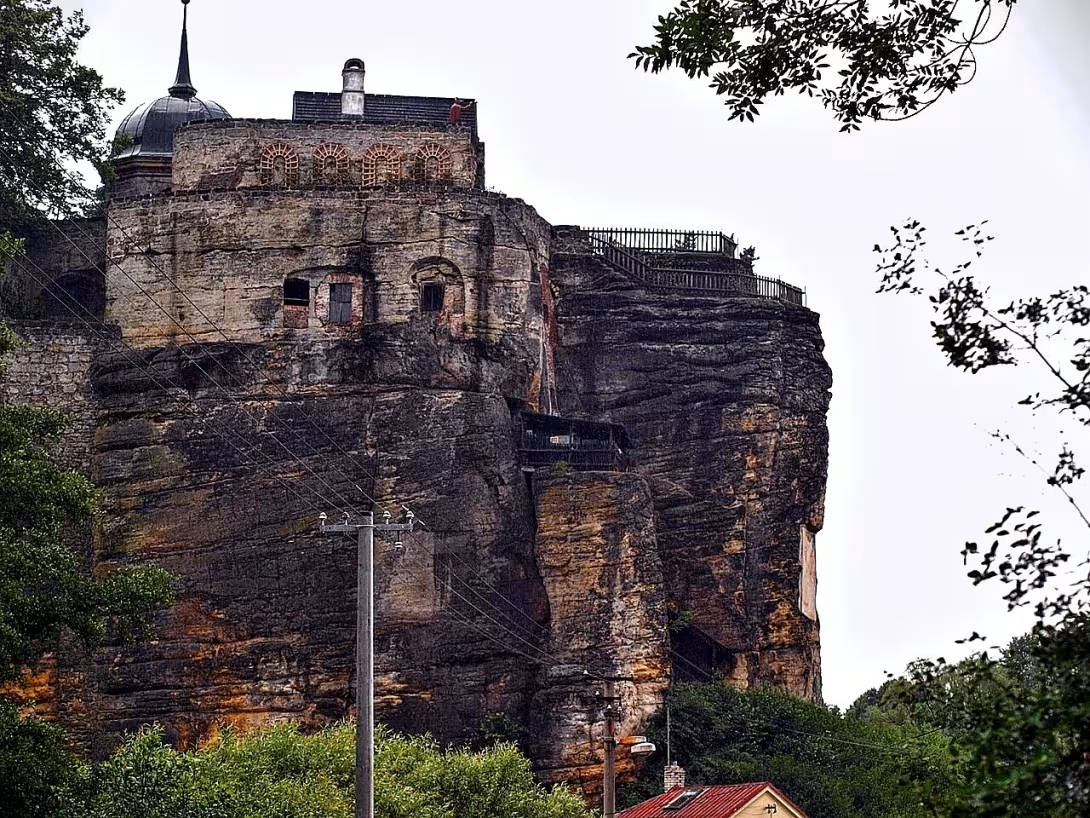
Sloup is a extinct rock castle on the southwest edge of the village Sloup in the district of Česká Lípa in the Liberec Region. The monument is significant thanks to the combination of medieval remains and baroque modifications. These include rock hermitages, chapel and terraces carved directly into stone.
The rock block was already inhabited in prehistoric times, as evidenced by archaeological findings of ceramics from eneolite, the time of the lužické culture and the time of the Latin era. In one of these periods there could have been a fort. The castle itself was probably built by Ronovs in the early 14th century. The first documented owner was Chenek of Lipé; after 1330 it was bought by relatives Berkové z Dubé.
The original layout of the castle is not exactly known because most of the buildings were wooden and eventually disappeared. The preserved remains consist of rooms carved into rocks, a famine house, a tank, hermit cells, a crosswalk and an underground chapel from 1693. There are also three artificial caves and terraces on the south and east side. A statue of a native Samuel Görner is visible on the gallery. It's a second replica of the original wooden original that the Prussians destroyed in 1866.
During the Hussite wars, the knight Mikeš Pancíř ze Smojna settled here, who was engaged in robbery expeditions to Lusatia. But after the siege and the burning of the castle, the army of Lusatia restored it within three years and continued in its expeditions. In 1471 the castle regained Berkové z Dubé. A major breakthrough occurred in 1639 during the Thirty Years' War, when the castle was destroyed by Swedish troops led by General Johan Banero. It hasn't been restored since. In 1679, Count Ferdinand Zrnata of Kokořov won the Sloup Manor and dedicated the rock grounds to hermit people. After his death in 1708, the construction works stopped, but the new owner of Stephen Wilhelm Oldřich had the terraces cut out. In 1780 the estate was taken over by Filip Josef Kinský, who modified the place to the cruise area for his guests. Rod Kinski stayed here until 1940. After the death of Augustus František Kinsky, the property was transferred to Wilhelm Emanuel Preysings and confiscated in 1945.
The rock served as a refuge for six hermit people. Among them was the builder Konstantin or painter Václav Rincholín, author of the local sun clock. As part of the Josephine reforms, the hermit was officially abolished in 1785 by imperial decree. In the 19th century the castle became a popular destination of noble trips; He was visited for example by future emperor Franz Joseph I. The romantic environment was also used for film production, for example in the fairy tale with the devils there are no jokes where the Baroque staircase in the rock hole served as a gateway to hell.
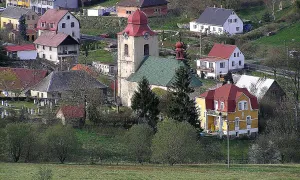
Currently, the building is protected as a cultural monument and managed by the Castelan Ivan Volman. Visitors can admire the views of the villages Sloup and Genov, the town of Nový Bor and the panorama of the Lusatian Mountains. The castle is best accessible by bus from Nové Bor, Bukovany or Sloup, or by walking from Nové Bor for approximately 3.5 to 4 km. Entry is charged and visiting season lasts from April to October.
Sloup Rock Castle represents a unique combination of natural phenomenon and human work across centuries. It's a place where medieval history meets the baroque mysticism of hermit life.
Then and now
Drag the slider to compare how the landmark may have looked when it was built with the view today.
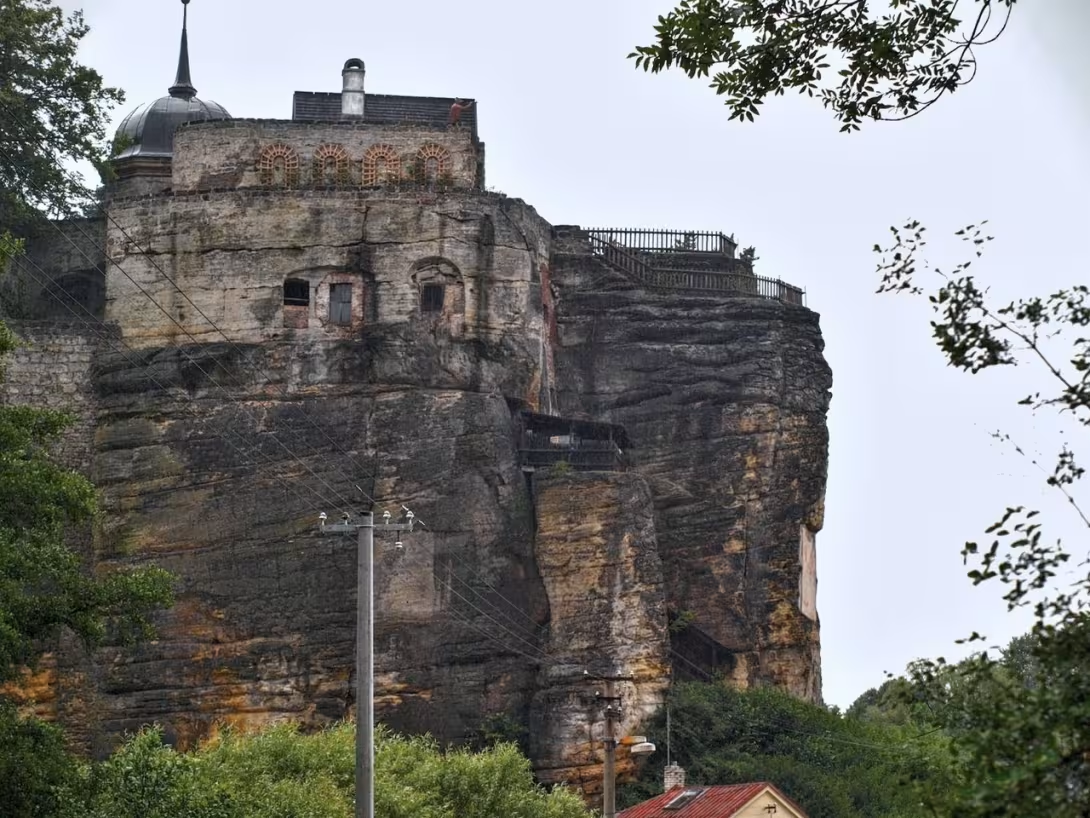
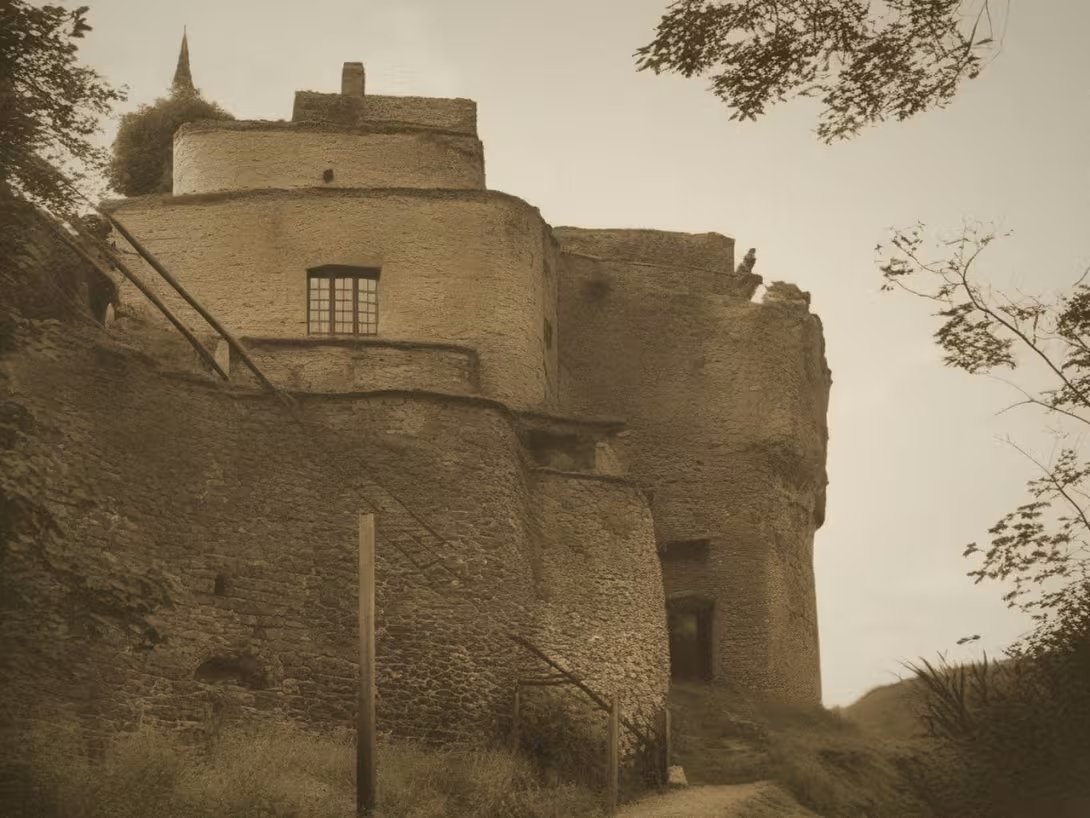
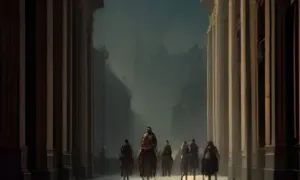
The historical appearance on the left is an AI-generated visualisation and serves as inspiration only.
Historical milestones
- 1679
- The rock was dedicated to the hermit by Count Ferdinand the Grape of Kokořov.
- 1785
- The cancellation of the hermit by the imperial decree of Joseph II.
Architectural development
The original medieval structures have been severely damaged over the years. During the Baroque period there was artificial reconstruction, the creation of hermitage and other objects.
Historical events
- 1427
- The siege of the castle by the army of Lusatia.
- 1444
- The second siege and the burning of the castle.
- 1639
- Destroyed by Swedish troops.
Owners
The first documented owner was Chenek of Lipé, followed by Berkové z Dubé and Mikeš Pancíř ze Smojna. After the Thirty Years War, the castle was not restored.
Points of interest
- Sloup is a extinct rock castle on the southwest edge of the village Sloup in the district of Česká Lípa in the Liberec Region. - The monument is significant thanks to the combination of medieval remnants and baroque modifications which include rock hermitages, chapel and terraces carved directly into stone. - The rock block was already inhabited in prehistoric times, as evidenced by archaeological findings of ceramics from the eneolite, the time of the lužické culture and the time of the latenian era. - During the Hussite wars, the knight Mikeš Pancíř ze Smojna settled here, who was engaged in robbery expeditions to Lusatia. - After the Thirty Years War, the castle was destroyed by Swedish troops and has not been restored since.
Guide
Show guide text
This text was created by artificial intelligence and has not been editorially reviewed. It may contain inaccuracies.
Welcome! You are standing in front of a unique historical monument, the famous Sloup, also known as Alt Birgstein or Bürgstein. This rock castle was built on the southwest edge of the village Sloup v Čechách and its remains reflect a rich history that has spread over hundreds of years.
Let's dive into the past. The castle was probably built in the early 14th century and remained in history as a place of many conflicts, especially during Hussite wars. Although his architects remained unknown, Sloup became a key castle for various important historical personalities such as Zhenek of Lipé and Berkové z Dubé. These people played an important role in shaping regional events at the time.
Look up at the rock block, which is now covered with the remains of medieval walls and baroque modifications. Note the chapel and terraces carved directly into the stone - these elements will help you introduce yourself into the atmosphere of the past, when Sloup served not only as a defensive nest, but also as a place of refuge. Although we have lost many details of architecture, you will still notice how these structures were adapted to the rocky terrain.
Now let's look at the key stories and personalities associated with this monument. Mikeš Pancíř ze Smojna, another significant character, also had his share in the history of Sloup. These persons were key in shaping regional events and their stories intersect with every stone of this site.
The interesting thing that captures every visitor is the fact that Sloup was dedicated in 1679 to the hermit Count Ferdinand the Grid of Kokořov. This act added a spiritual dimension to the history of the castle. However, this hermit was later abolished in 1785 by the imperial decree of Josef II, which shows the variable nature of this place.
Now that you've seen these historical elements and stories, inviting them to continue to explore this fascinating rock castle. Every stone has its own story, waiting to be discovered. I hope your visiting day will be full of discovery and fascination. Goodbye to another historic place!
Tips for visitors
The best time to visit the ruins of castle Sloup is spring and autumn, when the weather is welcoming and surrounding natural landscape in the Liberec Region takes on beautiful colors. In summer it can be hot in the sun, while in winter access to ruins can be limited due to snow and sliding. We recommend that you avoid the top tourist days to enjoy the peace and quiet this historic location offers.
Transport to the place is provided by car, which is the most practical choice, as the municipality Sloup v Čechách lies in the Liberec Region near Česká Lípa. Parking is usually possible near the village or at the entrance to ruins, however capacity can be limited, especially on weekends. If you plan to travel by public transport, the location is available, but the current connection and departure times need to be verified in the search engine because they can change.
When visiting ruins, take with you fixed shoes with a good heel, because the terrain around the rock castle can be uneven and rocky. We recommend taking plenty of drinking water and light snacks because in the immediate vicinity of ruins there may not be any refreshments. If you are planning a longer walk around the surrounding natural landscape, do not forget a light jacket that protects against wind or rain.
For photography are the best places of view near the ruins, where you can see the rock castle and surrounding landscape. The best light for photography is in the morning or late afternoon when the sun shines at an angle and creates dramatic shadows on rocks. Watch out for safety, because some parts of the ruins may be unstable, and never climb the forbidden places.
In the vicinity of the village Sloup there is a natural landscape that offers the opportunity to explore other historical and natural monuments. If you have time, go for a walk around and discover the beauty of the Liberec Region. For families with children, a visit to ruins is suitable if children are older and used to walking on uneven terrain. Younger children may have a problem with long walks, so we recommend taking a stroller only to asphalt sections and being prepared to carry some parts.
Businesses nearby
Do you run a restaurant, accommodation, shop, museum, rental, wellness or other visitor service near this monument? Show yourself directly to the people heading to it — this is how they will see you in the app and on the web:
Natáčelo se zde
- S čerty nejsou žerty (1985) film
Zdroj: Wikidata (vlastnost „místo natáčení“) · Všechna filmová místa
Nearby
The village Sloup is located in the Liberec Region, near České Lípa. The surrounding area is a natural landscape with the possibility of exploring other historical and natural monuments.
Accommodation nearby
Themed route
1. Česká Lípa, town - Background for travel towards destination. 2. Municipality of Sloup, village - A place for a short stop and knowledge of the local atmosphere. 3. Sloup (castle), monument - The main destination of the route offering a tour of historical spaces. 4. Natural landscape, natural area - Space around the castle designed for relaxing and observing nature.
Seasonal recommendations
Spring brings the awakening of nature and the lush greenery that surrounds the rock reef. The atmosphere is full of optimism and light is soft, which softens the rough shapes of stone walls. I recommend layered clothes because morning cold can quickly replace the sun. Visiting is in this period of middle, so it is the perfect time for a quiet browsing of ruins without large groups of people.
The summer months offer a rich green landscape and sharp sun that emphasizes the texture of sandstone walls. The castle is very crowded in the season, so I recommend you come first thing in the morning to avoid the biggest crowds. Don't forget to wear light clothes, hat and enough drinking to keep up the climb in hot weather.
Autumn is a period of colorful foliage and morning fog, which gives the ruin a mysterious and melancholy touch. The golden light of the afternoon hours is ideal for capturing details of architecture and surrounding landscape. It is practical to shoe with a fixed sole so that you do not slip on wet leaves in the forest roads leading to the castle.
Winter turns the castle into a quiet and rough place where white snow contrasts sharply with a dark stone. The atmosphere is quiet and desolate, which underlines the historical character of ruins. It is necessary to have warm and waterproof clothes and to verify in advance the shortened opening times. The best time to visit is noon, when the temperature is highest.
Visualizations and artistic views


The visualisations are generated by artificial intelligence and serve as inspiration.
Photos from the area
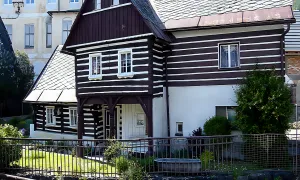
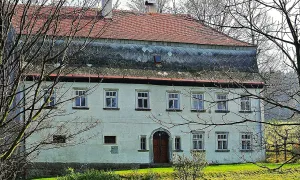
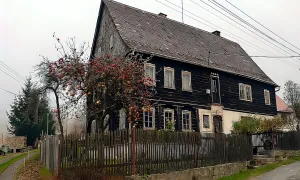
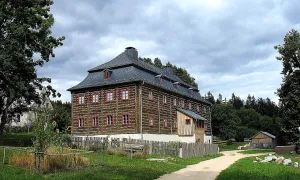
Real photos taken near the monument


Zdroj a licence jsou uvedeny u každého snímku.
Tips from visitors
No tips yet. Be the first!
Log in and add your tip.
Sources and literature
Photos: VitVit / CC BY-SA 4.0 — Wikimedia Commons. The author and licence also appear when you hover over the image.
Faktickým podkladem tohoto textu byl článek na Wikipedii, jehož autory jsou přispěvatelé Wikipedie. Článek je dostupný pod licencí CC BY-SA 4.0.
Location on the map
Příběhy a pověsti
Legendy, pověsti a příběhy spjaté s touto památkou
Fotografie návštěvníků
Zatím žádné fotografie. Buďte první, kdo přidá fotografii z návštěvy!
Přihlaste se a přidejte svou fotografii nebo hodnoťte.
Za ověřenou návštěvu v aplikaci získáte víc bodů — poznáme podle GPS, že jste na místě.
Reviews and comments