



Smrčina Castle
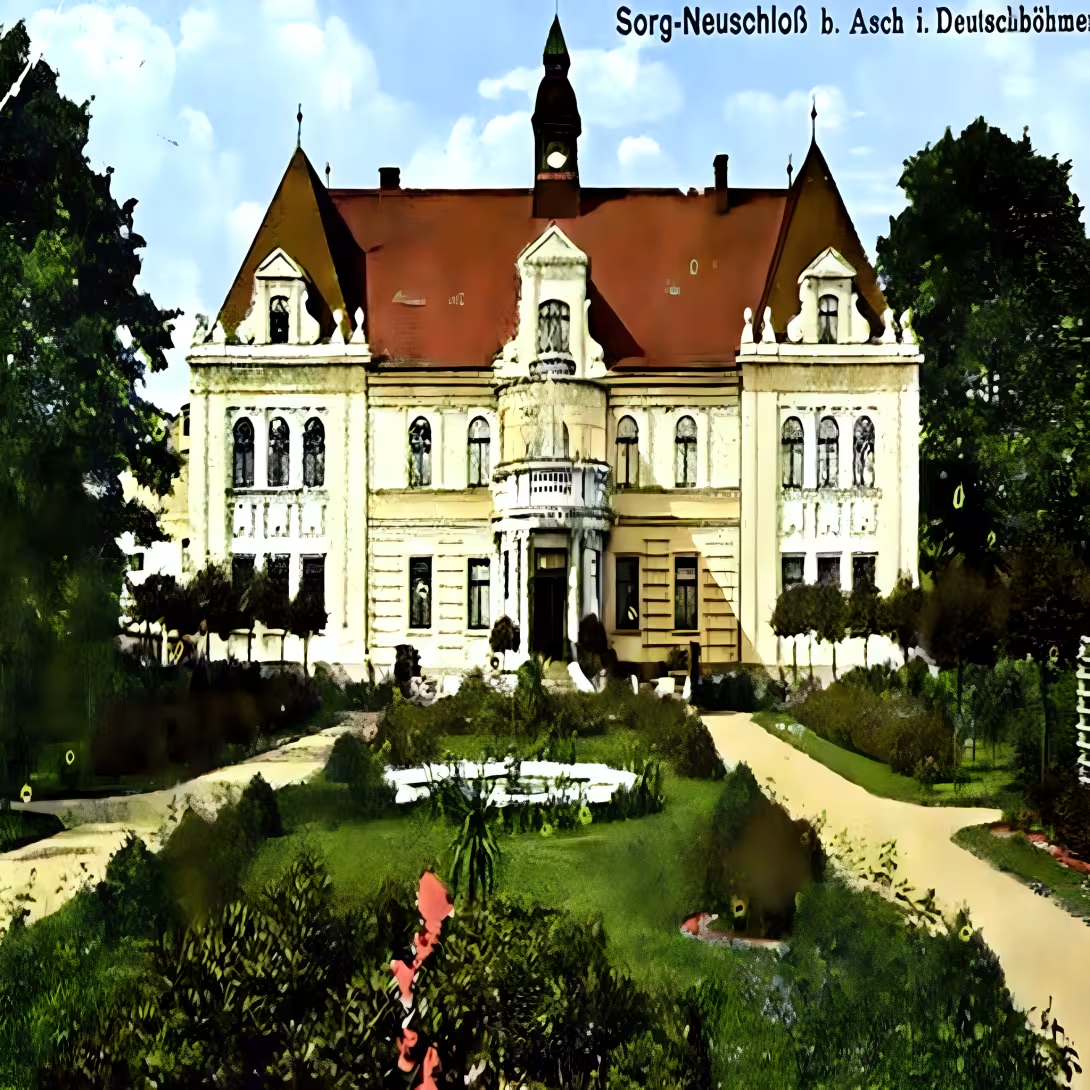
Objekt se nedochoval — na místě dnes nestojí. Následující text popisuje jeho historii, ne současnou návštěvu.
Smrčina, once a Baroque castle near Aš in the Karlovy Vary Region of the Czech Republic, has been evidence of architectural and historical changes for centuries. Originally built by Karel Josef Zedtwitz in 1690, he served as a summer residence for his owners. Despite the demolition in 1963 due to security concerns, the history of the castle reflects significant cultural shifts and changes in ownership from its inception to its decline.
The origin of Smrčina returned to 1290, when Otto Machwitz z Vogtlandu acquired it as a firecracker. Originally they represented a worsening fortress until the 17th century, the estate later became part of the Neubergs family before the transition to the Zedtwitz family in 1690. Under Karl Josef Zedtwitz, the castle was originally built of wood and the embodiment of baroque architectural elements. This period meant a significant cultural and artistic development in Bohemia after the Thirty Years War.
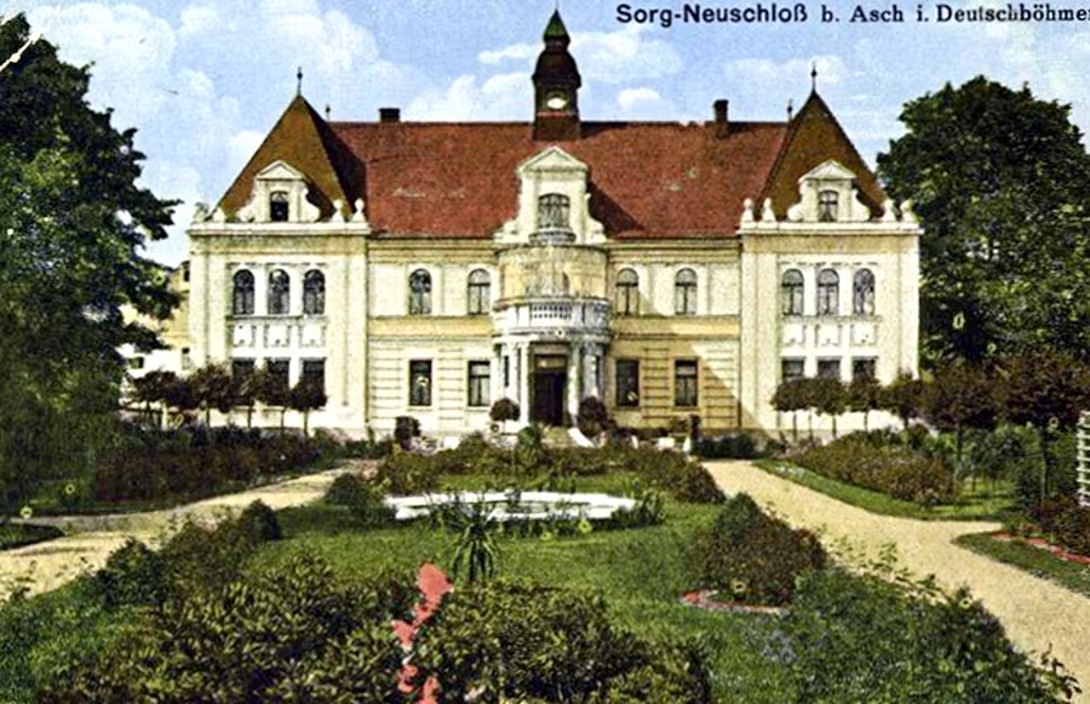
Smrčina started architecturally as a simple wooden construction, but it evolved significantly over time. The original building was extended to another floor and surrounded by economic buildings and a tavern that reflected its function as residential and operating buildings. At the turn of the 19th century, it turned into a one-winged building with three risties, with a distinctive half-circle balcony nearing central risalites facing castle gardens.
The ownership of Smrčina has seen several transitions. After the tenure of the Zedtwitz family, financial difficulties led to its sale in 1911 to Wilhelm Fischer, a wealthy industrialist from Aš. Under Fischer's possession, the castle was revived and in his family it became known as "the jewel." However, nationalisation after 1945 led to neglect, leading to its possible demolition in 1963 due to structural instability.
During his history Smrčina witnessed remarkable events such as the accommodation of imperial soldiers within seven years. "War underlines its strategic importance at different times. Despite these historic moments, there is now little physical evidence of the castle itself, just traces of the landfill where it once stood.
Today the link Smrčina will survive through stories and records that capture its architectural evolution and socio-political importance in the region. Although visitors cannot see the castle as it once was, understanding its history offers a view of the wider cultural transformation of Bohemia during and behind the Baroque period. For those interested in Czech history and architecture, Smrčina continues to be a pitiful reminder of the persistence of large buildings and the lasting impact they leave on their surroundings.
Then and now
Drag the slider to compare how the landmark may have looked when it was built with the view today.
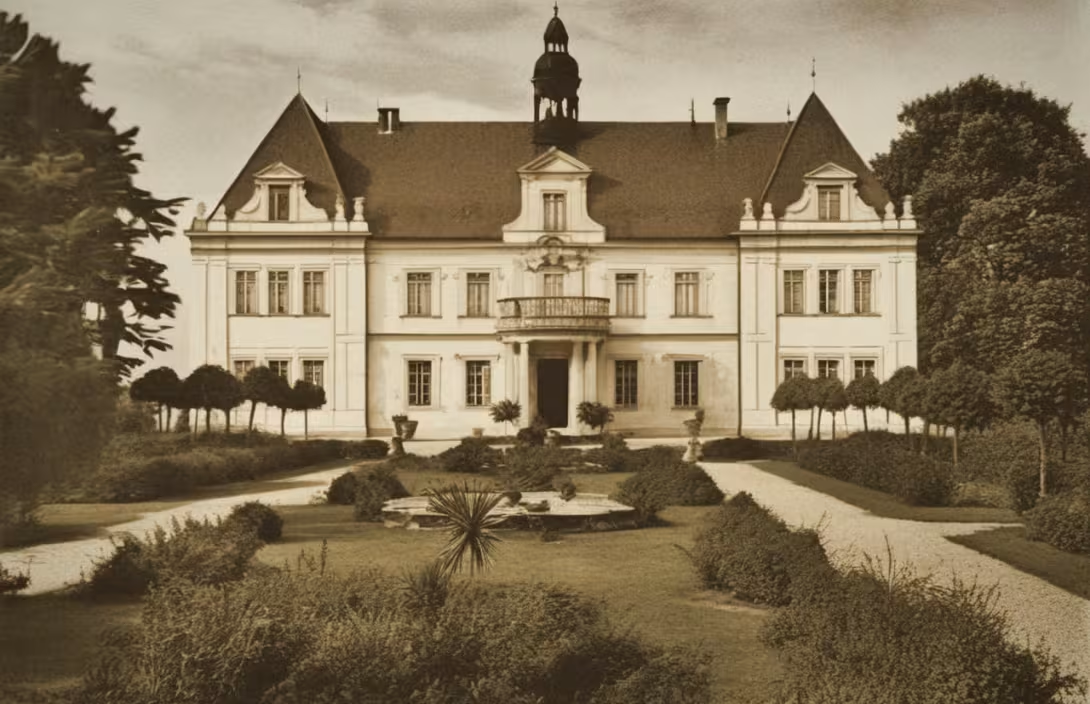
The historical appearance on the left is an AI-generated visualisation and serves as inspiration only.
Historical milestones
- 1290
- Otto Machwitz z Vogtlandu gets Smrčina as prey.
- 1690
- The castle is built by Karel Josef Zedtwitz in Baroque style.
- 17th Century
- The original fortress as a fortress is embarrassed.
- 1911
- Wilhelm Fischer buys the castle and restores its construction.
- 1963
- The castle is demolished because of security concerns.
Architectural development
Initially constructed as a wooden Baroque building of Karl Josef Zedtwitz in 1690, the castle underwent several modifications. Later it was extended to another floor and surrounded by economic buildings and tavern. At the turn of the 19th and 20th centuries it was completely rebuilt into a one-winged building with three risties.
Historical events
The castle was built by Karl Joseph Zedtwitz in 1690.
During the seven-year war, imperial troops were stationed in the castle.
In 1963, the castle was demolished because of its degraded condition.
Owners
Otto Machwitz z Vogtlandu (1290)
Neubergové
Zedtwitzové (1690 et seq.)
Wilhelm Fischer (1911)
Points of interest
- The castle Smrčina was initially a worsening fortress of the 17th century before being transformed into a baroque form under Karl Joseph Zedtwitz. This reflects the development of architectural styles and building functions in response to changing cultural and economic conditions.
- During the seven-year war, Smrčina served as a cabin for imperial forces and stressed its strategic importance beyond the borders of a residential home only. This military role underlines the importance of the castle at a time of conflict in European history.
- After being revived by Wilhelm Fischer in 1911, Smrčina was considered a "jewel" in his family, illustrating how personal investment and ownership could transform neglected properties into valuable properties. Fischer's influence reflects broader trends in the early 20th century, affecting local heritage.
- Despite demolition in 1963 due to security concerns, the link Smrčina will persist through historical records and stories that capture its architectural development and socio-political significance. This points out how the structures lost in time can leave a lasting impact on cultural memory and regional history.
- The original wooden construction Smrčina has evolved into a one-winged structure with three risties to the 19th century, showing significant architectural advances for centuries. This transformation reflects the broader trends of Baroque architecture in the Czech Republic after the 30-year war.
Guide
This guide is narrated by a synthetic voice generated by artificial intelligence.
Show guide text
This text was created by artificial intelligence and has not been editorially reviewed. It may contain inaccuracies.
Smrčina Castle, in German Sorg, stood in the village of the same name three kilometers north of Aš, between the villages of Podhradí and Krásná in the Cheb region. Today nothing remains of it. It was demolished in nineteen sixty-three.
The village of Smrčina is first mentioned in twelve ninety. At that time, the territorial judge Otto Machwitz from Vogtland acquired it as a fief from Rudolf of Habsburg. Sometime after that, a fortified manor arose here, which apparently stood until the seventeenth century. Then it fell into disrepair and was demolished. In the meantime, Smrčina passed into the ownership of the Neubergs from the nearby village of Podhradí.
The Zedtwitzs acquired Smrčina from the Neubergs. Karel Josef Zedtwitz built a castle there in sixteen ninety, according to historical sources predominantly made of wood. It was a simple rectangular baroque building, later raised by one story. The Zedtwitzs from Podhradí used it as a summer residence. Several farm buildings and an inn gradually grew up around the castle. In the eighteenth century, during the Seven Years' War, imperial troops were quartered there.
At the turn of the nineteenth and twentieth centuries, the castle underwent a complete reconstruction. A single-wing multi-story building emerged with three risalits, that is, protruding parts of the facade. The central risalit had a semicircular balcony on the side facing the castle gardens.
At the beginning of the twentieth century, the Zedtwitzs got into financial difficulties and the castle began to deteriorate. In nineteen eleven they therefore sold it to Wilhelm Fischer, a wealthy industrialist from Aš. He repaired the castle and restored the castle gardens and surroundings.
After nineteen forty-five, the castle was taken from the Fischers and began to fall into ruin. Later, state farms established offices and a works canteen in it. However, they did not care for the building at all. By the nineteen sixties, the castle was in such a catastrophic state that it had to be demolished in nineteen sixty-three for safety reasons. Today, where it stood, there is a silage pit.
Businesses nearby
Do you run a restaurant, accommodation, shop, museum, rental, wellness or other visitor service near this monument? Show yourself directly to the people heading to it — this is how they will see you in the app and on the web:
Nearby
Located near Aš, Smrčina is surrounded by natural landscapes and lies between the municipalities of Podhradí and Beautiful. The area once represented economic buildings and a pub around the castle.
Visualizations and artistic views


The visualisations are generated by artificial intelligence and serve as inspiration.
Tips from visitors
No tips yet. Be the first!
Log in and add your tip.
Sources and literature
Photos: autor neuveden / Public domain, rozlišení zvýšeno umělou inteligencí — Wikimedia Commons. The author and licence also appear when you hover over the image.
Faktickým podkladem tohoto textu byl článek na Wikipedii, jehož autory jsou přispěvatelé Wikipedie. Článek je dostupný pod licencí CC BY-SA 4.0.
Location on the map
More monuments – Podhradí
Show all in the municipality

Příběhy a pověsti
Legendy, pověsti a příběhy spjaté s touto památkou
Fotografie návštěvníků
Zatím žádné fotografie. Buďte první, kdo přidá fotografii z návštěvy!
Log in a přidejte svou fotografii nebo hodnoťte.
Za ověřenou návštěvu v aplikaci získáte víc bodů — poznáme podle GPS, že jste na místě.
Reviews and comments