






Socha rudoarmějce (Lanžhot) Monument
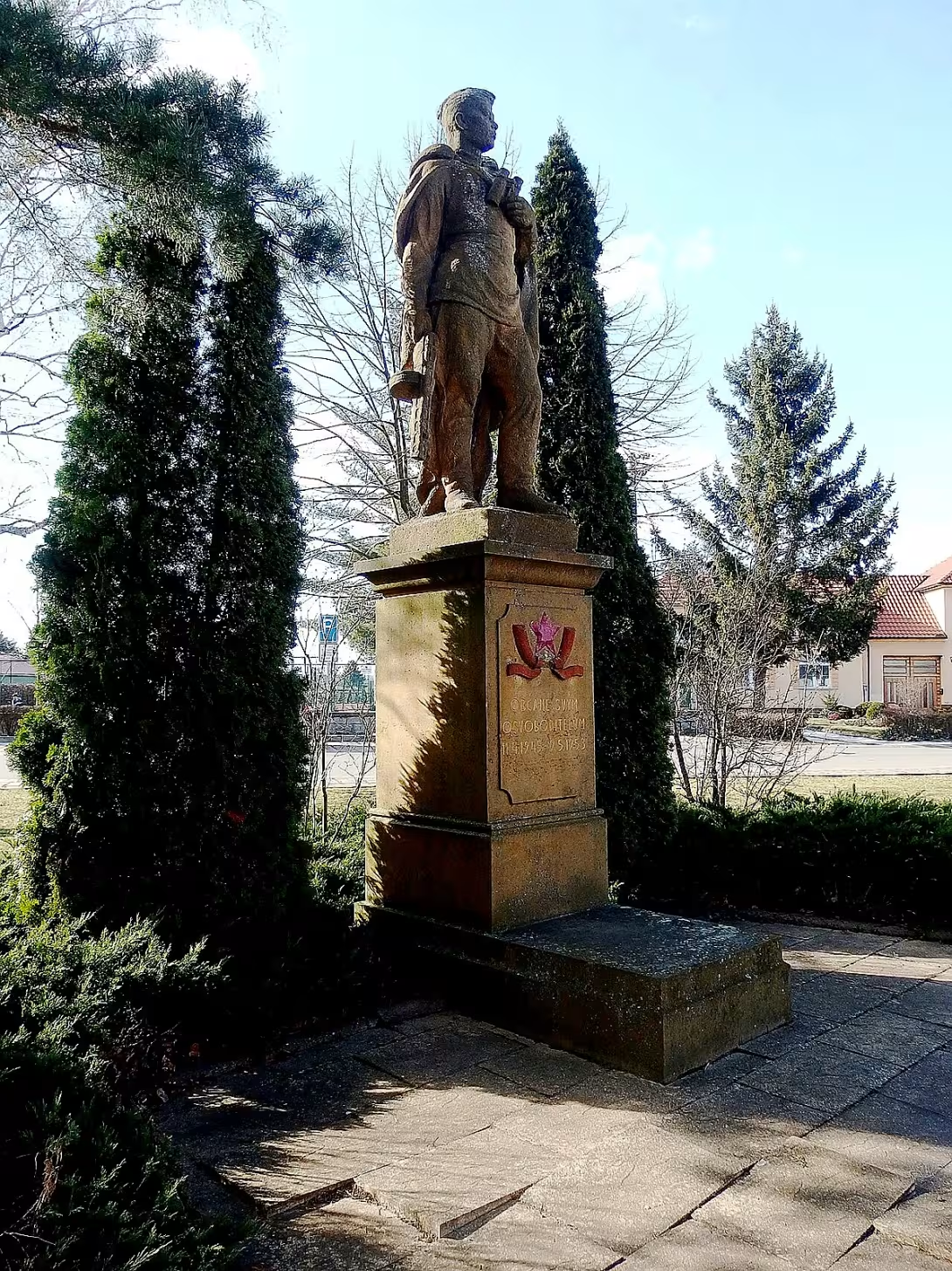
The Socha rudoarmějce in Lanžhot is a significant monument commemorating the town's liberation by the Red Army during World War II. Erected in 1953 and located at the heart of Lanžhot, this statue honors the soldiers who fought for freedom on April 11, 1945. Designed by František Šenka, it serves as both an artistic representation and a cultural landmark, recognized as a protected monument since May 3, 1958.
The origins of the Socha rudoarmějce are deeply rooted in historical events surrounding Lanžhot's liberation. On April 6, 1945, the Red Army crossed the Morava River, initiating intense battles that included air combat and bombings. The town was captured on April 11, 1945, marking a significant moment in the Soviet advance into Central and Eastern Europe during World War II. This period saw geopolitical shifts as Nazi occupation ended across the region. In recognition of these events, František Šenka designed the statue in 1953 to honor the Red Army's role in liberating Lanžhot.
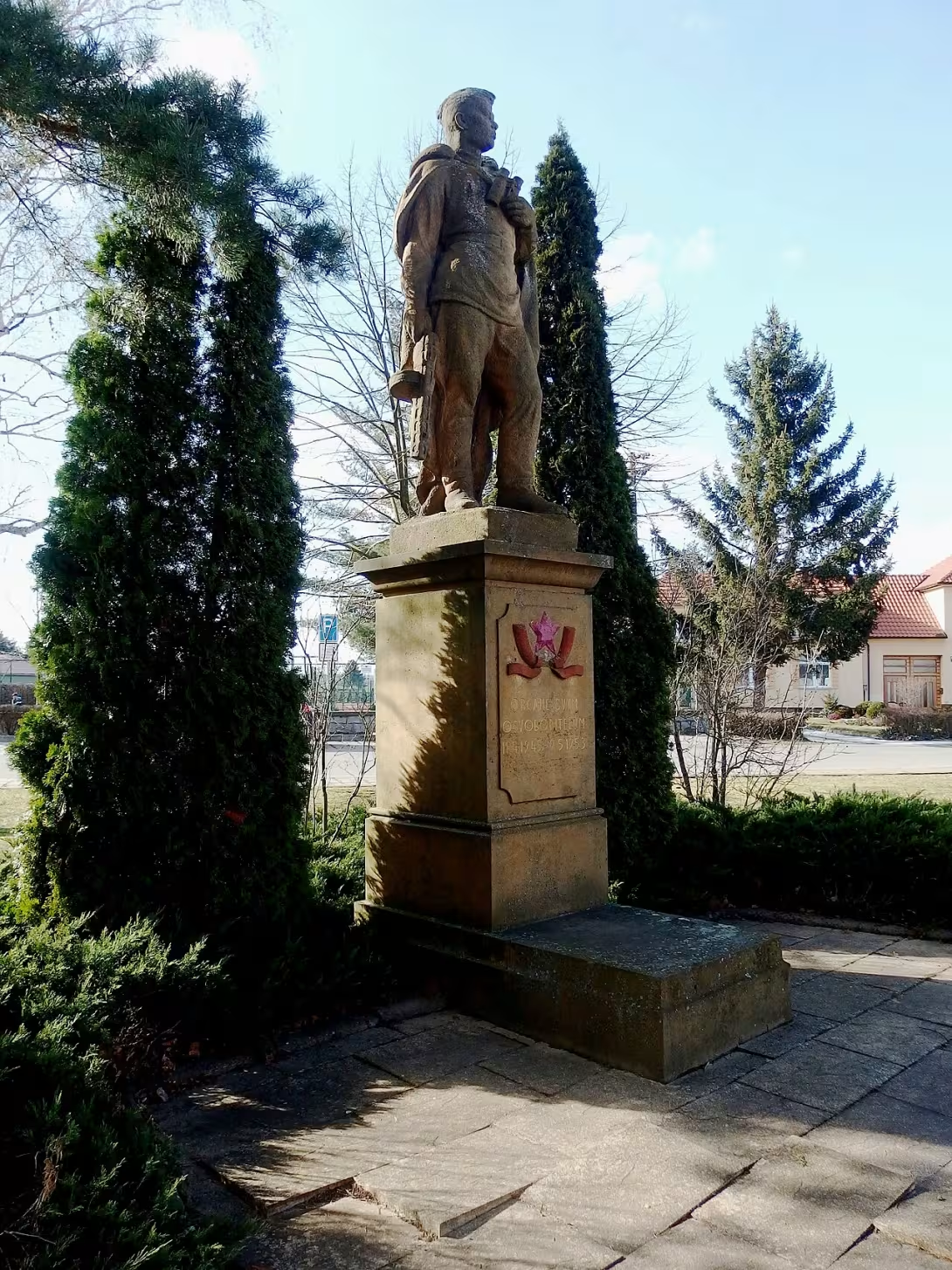
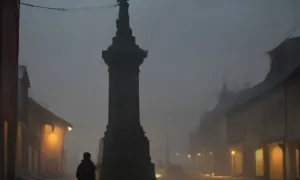
Architecturally, the Socha rudoarmějce is a striking monument combining artistic elements with historical symbolism. The statue features a Red Army soldier depicted in contrapposto, with his left foot forward, dressed in military uniform holding a submachine gun in one hand and a binocular around his neck in the other. It stands on a high pedestal adorned with an oak wreath relief surrounding a five-pointed star, symbolizing victory and honor. The front of the pedestal bears an inscription commemorating these events, adding to its historical significance.
Throughout its history, the Socha rudoarmějce has been maintained and celebrated by various stakeholders. In 2008, the Russian consulate contributed to restoring the area surrounding the statue, highlighting ongoing international interest in this monument. Additionally, Russian consuls participate in commemorative events at the site during major anniversaries, underscoring its enduring importance as a symbol of liberation.
The Socha rudoarmějce remains an important cultural and historical site today. It is accessible to visitors who wish to learn about its significance and reflect on World War II's impact in Europe. The statue serves as a reminder of past struggles for freedom and fosters international connections through commemorative events.
Visiting the Socha rudoarmějce offers an opportunity to engage with history firsthand, providing insight into the sacrifices made during World War II and the enduring legacy of those who fought for liberation. It stands as a testament to resilience and unity, inviting visitors from around the world to honor its historical significance.
Then and now
Drag the slider to compare how the landmark may have looked when it was built with the view today.
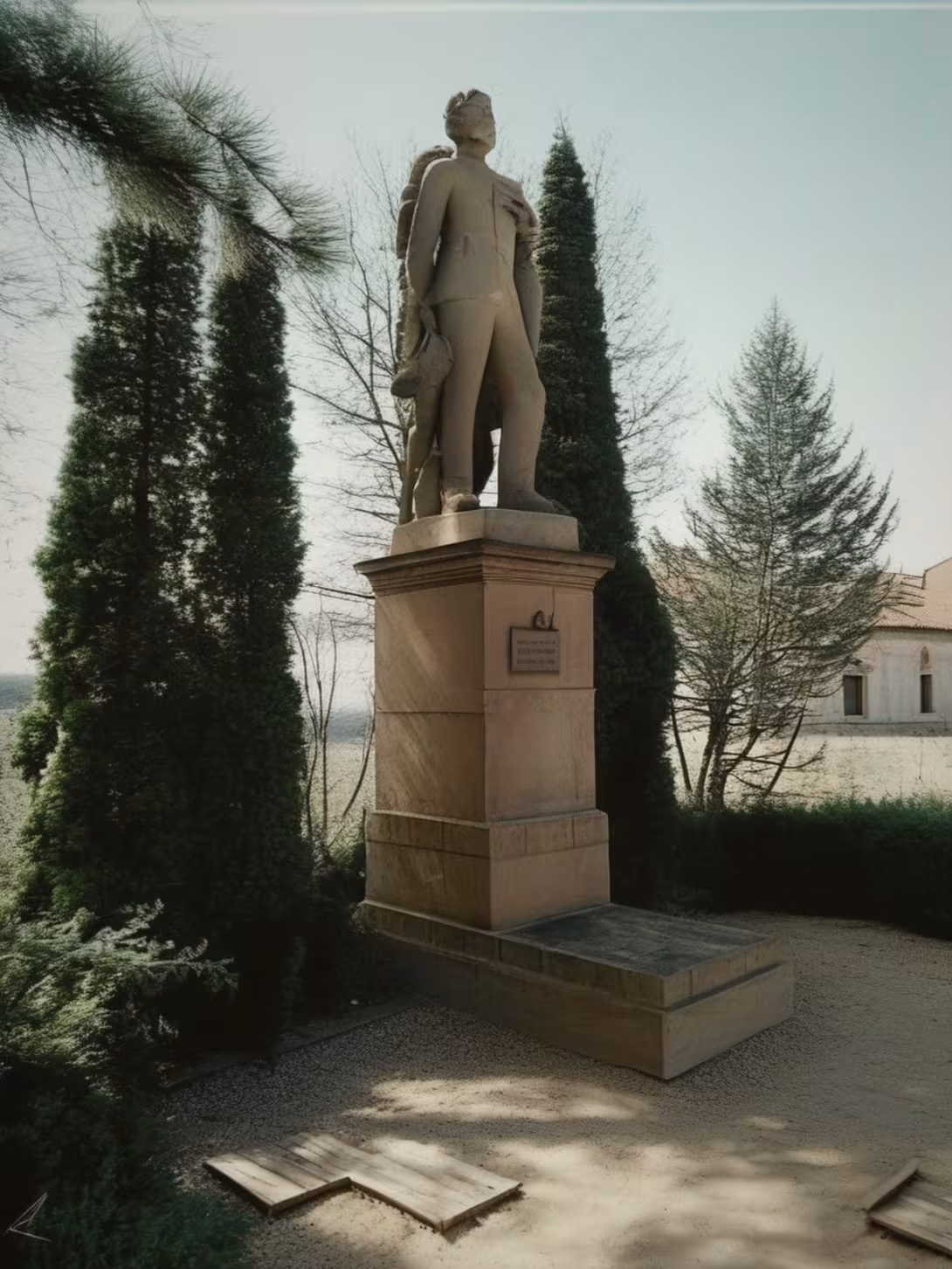
The historical appearance on the left is an AI-generated visualisation and serves as inspiration only.
Historical milestones
- 1945
- Liberace Lanžhotu Rudou armádou dne 11. dubna
- 1953
- Vznik sochy rudoarmějce v Lanžhotu
- 1958
- Zachování památky jako chráněného kulturního majetku
- 2008
- Obnova oblasti kolem sochy Ruským konzulátem
Architectural development
Designed by František Šenka in 1953, the statue was constructed to honor the Red Army's role in liberating Lanžhot. The pedestal features a relief and an inscription commemorating these events.
Historical events
The liberation of Lanžhot began on April 6, 1945, when the Red Army crossed the Morava River and engaged in intense battles, including air combat and bombings. The town was captured by the Red Army on April 11, 1945.
The statue has been a protected cultural monument since May 3, 1958.
Guide
This guide is narrated by a synthetic voice generated by artificial intelligence.
Show guide text
This text was created by artificial intelligence and has not been editorially reviewed. It may contain inaccuracies.
Welcome to Lanžhot, where the Statue of the Red Army Soldier stands as a monument commemorating the liberation of the town by the Red Army during World War II. You are standing before a majestic bronze statue that dominates the space in front of you. Look up and take note of the details of the sculpture. The Red Army soldier is depicted in contrapposto, with his left foot forward, wearing a uniform and holding a submachine gun. The statue is the work of František Šenka, an artist who specialized in sculpture, painting, and architecture.
Let's move on to the historical context. The statue was unveiled in 1953 as a remembrance of Lanžhot’s liberation on April 11, 1945. This date is significant because it represents the end of the town's occupation and the beginning of a new era. At that time, the Red Army was fighting against Nazi Germany, and Lanžhot was one of many towns caught in the conflict.
Now pay attention to the architecture. The statue stands on a stone pedestal adorned with reliefs and inscriptions. All these elements are evidence of the artistic value of the sculpture and its placement in this space. Notice how the statue dominates the surroundings, creating a sense of solemnity and respect.
Let's return to history. František Šenka, the sculptor who created the statue, was known for his works across various art forms. His creations are characterized by artistic diversity and an emphasis on detail. Šenka was also active during World War II, and his work reflects his personal experiences and views of that time.
You stand before the Statue of the Red Army Soldier, which is a symbol of heroism and sacrifice. Its location in Lanžhot commemorates an important moment in the history of the town and region. If you wish to learn more about this monument and its context, we recommend visiting the local museum or consulting with local residents. Thank you for your attention, and we hope you have successfully acquainted yourself with the history and artistic value of the Statue of the Red Army Soldier.
Frequently asked questions
Can the monument be visited?
This is a structure in a public space that can usually be seen from outside free of charge. We have not verified that this particular one is freely accessible.
Where is the monument?
Location: Lanžhot, Jihomoravský kraj. The map on this page shows the exact spot.
Why is the monument protected?
It is listed in the Central List of Cultural Monuments of the Czech Republic as a cultural monument (register no. 1000134351).
Businesses nearby
Do you run a restaurant, accommodation, shop, museum, rental, wellness or other visitor service near this monument? Show yourself directly to the people heading to it — this is how they will see you in the app and on the web:
Accommodation nearby
Themed route
Trasa: Socha rudoarmějce a okolí Lanžhotu
1. Socha rudoarmějce (Lanžhot) - Pomník Worth visiting for its unique sculpture commemorating the heroes of World War II. The statue is located in the center of the town of Lanžhot and can be seen from afar.
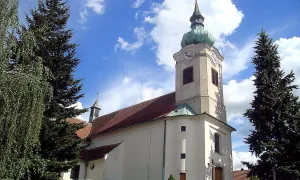
2. Kostel svatého Václava (Lanžhot) - Kostel Worth visiting for its beautiful and historically significant 18th-century church. The church serves as a focal point for religious activities in the town, with remarkable architecture.
3. Lanžhotský mlýn (Lanžhot) - Mlýn Worth visiting because it is a well-preserved historical mill now used as a cultural facility. The mill offers insights into the history of milling production and the general history of the town.
Seasonal recommendations
Jaro: In the spring season, there is special lighting for the monument that creates a pleasant atmosphere. The atmosphere is calm and serene, ideal for relaxation and rest. We recommend visiting the site in the spring season when the weather is sunny and warm but not too hot. The best time to visit is in the morning or late afternoon when there are fewer people.
Léto: In the summer season, the area around the monument is full of life and greenery. The atmosphere is cheerful and full of energy. We recommend visiting the site in the early morning or during sunny periods to avoid crowds.
Podzim: In the autumn season, the area around the monument is covered with beautiful natural colors. The atmosphere is calm and serene, ideal for relaxation and rest. We recommend visiting the site in the early afternoon when it is sunny and warm but not too hot.
Zima: In the winter season, the area around the monument is covered with snow and ice. The atmosphere is calm and serene, ideal for relaxation and rest. We recommend visiting the site in the early morning or during sunny periods, but not when it's too cold.
Visualizations and artistic views


The visualisations are generated by artificial intelligence and serve as inspiration.
Photos from the area
Real photos taken near the monument


Zdroj a licence jsou uvedeny u každého snímku.
Tips from visitors
No tips yet. Be the first!
Log in and add your tip.
Sources and literature
Photos: Palickap / CC BY-SA 4.0 — Wikimedia Commons. The author and licence also appear when you hover over the image.
Faktickým podkladem tohoto textu byl článek na Wikipedii, jehož autory jsou přispěvatelé Wikipedie. Článek je dostupný pod licencí CC BY-SA 4.0.
Location on the map

Příběhy a pověsti
Legendy, pověsti a příběhy spjaté s touto památkou
Fotografie návštěvníků
Zatím žádné fotografie. Buďte první, kdo přidá fotografii z návštěvy!
Log in a přidejte svou fotografii nebo hodnoťte.
Za ověřenou návštěvu v aplikaci získáte víc bodů — poznáme podle GPS, že jste na místě.
Reviews and comments