



Socha svatého Jana Nepomuckého (Chrast) Statue
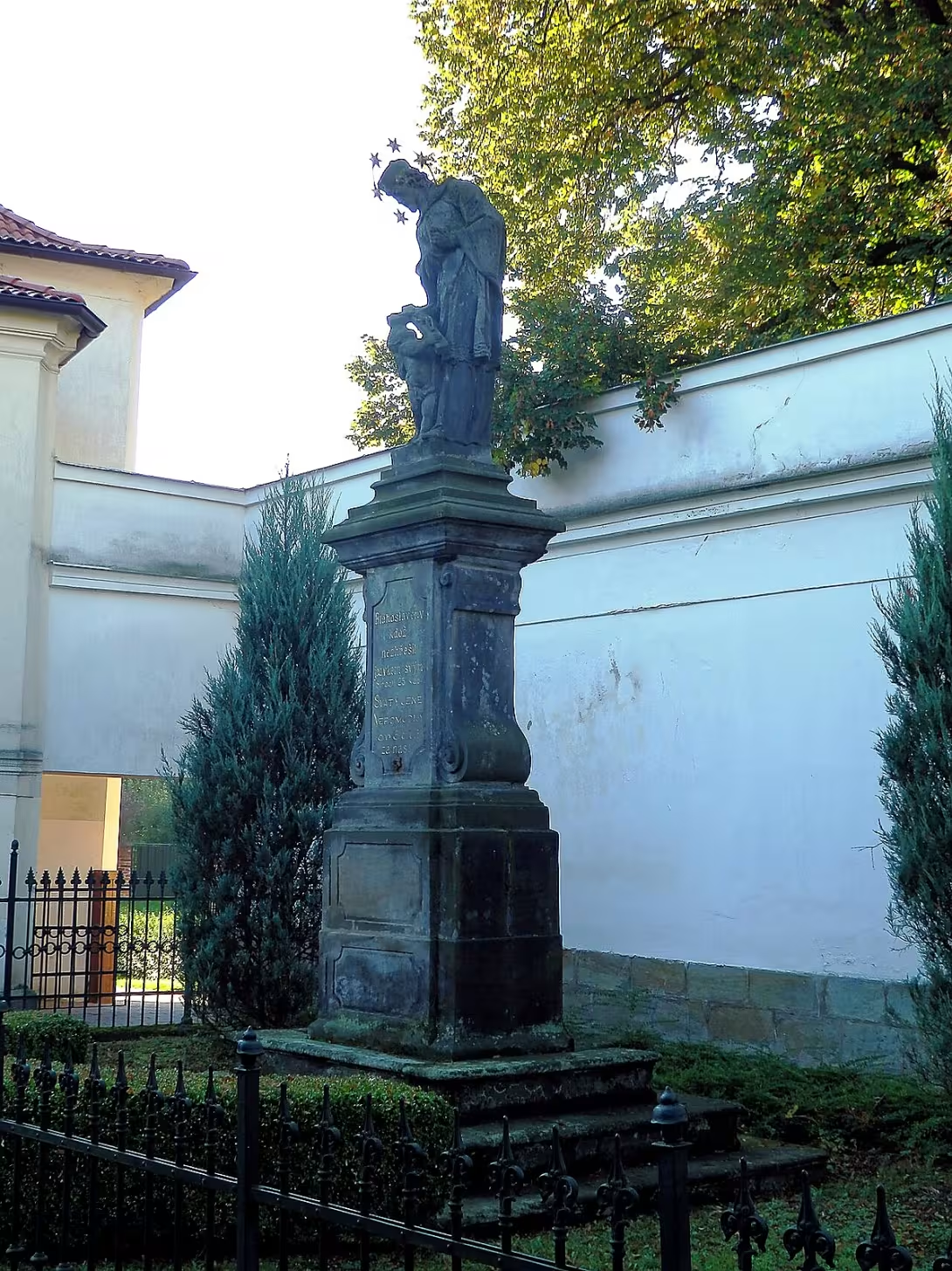
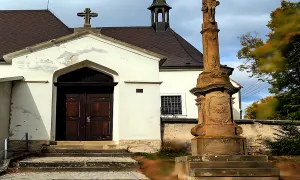
The statue of St. John Nepomuk, located at the edge of the wall between the Castle and the rectory, is an important cultural monument object. It was built in 1841 by an unknown artist and since 1964 it has been protected as a real-estate cultural monument of the Czech Republic. The architectural characteristic is a low prismatic base with a profiled ledge and a statue of a lifelike saint, surrounded by a halo of five stars.
It was created during the Czech national revival, which reflected increased attention to Czech history and culture. The statue is carved from sandstone, typical material for the statues of the time. The architectural feature is a low prismatic pedestal with a profiled ledge and extended frames with corners covered with a curve.
The statue has undergone several key events. In 1877 it was renovated, which witnessed its importance and care from the beginning of its existence. Two years later, in 1883, it was transferred and repaired as evidenced by the inscription on the pillar. In 1996 it underwent total restoration, which ensures its preservation for future generations.
Today, the statue is located in Chrasta, the district of Chrudim, near the fenced wall between historical objects such as the castle and the rectory, which contributes to the cultural heritage of the area. It is easily accessible to visitors who are interested in Czech history and art.
The statue of St. John Nepomuk in Hrast is not only a monument object but also a symbol of local cultural heritage. Its existence resembles the historical context of national renewal and serves as an inspiration for future generations. Visiting this statue is important not only for its historical value, but also for the opportunity to take an opinion on the artistic and cultural heritage of the Czech Republic.
Then and now
Drag the slider to compare how the landmark may have looked when it was built with the view today.
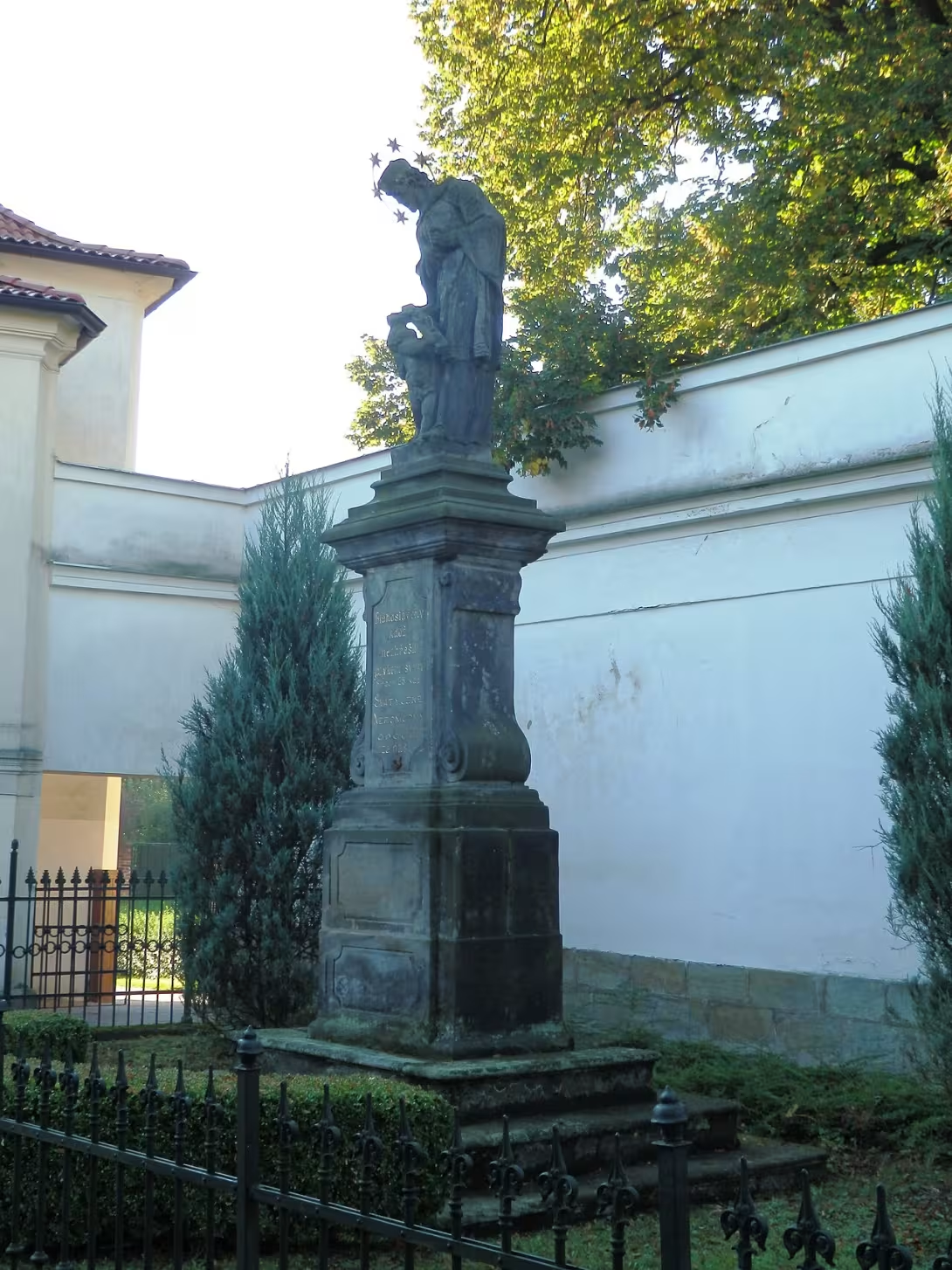
The historical appearance on the left is an AI-generated visualisation and serves as inspiration only.
Historical milestones
- 1964
- The statue was registered as a real cultural monument of the Czech Republic.
Architectural development
The statue of St. John Nepomuk was built in 1841 and subsequently underwent renovation in 1877. In 1883 it was transferred and repaired, which is evidenced by the inscription on the pillar. In 1996 the statue went through total restoration.
Historical events
- 1841
- Status of the statue of St. John Nepomuk.
- 1877
- A statue renovation.
- 1883
- Transfer and repair of the L.P. statue.
- 1996
- Total restoration of the statue.
Points of interest
The statue of St. John Nepomuk was built in 1841. - Since 1964 it has been protected as a real-estate cultural monument of the Czech Republic. - It was created during the Czech national revival, which reflected increased attention to Czech history and culture. - The statue underwent renovation in 1877 and was transferred and repaired in 1883. In 1996, the statue went through a complete restoration.
Guide
Show guide text
This text was created by artificial intelligence and has not been editorially reviewed. It may contain inaccuracies.
Welcome to Chrast, a small place full of history and beauty! You are standing in front of one of the most famous cultural monuments in this area - the sandstone statue of St. John Nepomuk. This wonderful holiday contribution to local architecture will bring you into the rich history and culture that have come together.
The statue of St. John Nepomuk was built in 1841. This time is due to the period known as the Czech national revival, when there was increased interest in Czech history and cultural heritage. Although the artist who created the statue remained unknown, his work reminds us of the importance of St. John Nepomuk as a symbol of courage and obedience. The statue you see is located at the wall between the castle and the rectory, which makes its location not only significant but also crucial for understanding the historical context of the area.
Look up at the statue of St. John Nepomuk. Note the low prism pedestal with a profiled ledge that gives the statue elegance and meaning. The statue is made in the size of life, which allows visitors to feel close to a spiritual hero. This detail of architecture reveals the skills and aesthetic taste of the then craftsmen, even though their names remain a secret.
The statue of St. John Nepomuk has a rich history. Since 1964 it has been protected as a real-estate cultural monument of the Czech Republic, which confirms its importance for local and national heritage. It is interesting that the statue was previously renovated in 1877 and moved to its present position. This change not only improved her condition, but also strengthened her symbolic importance for the local population.
Now let's look at the interesting thing about this statue. Although the artist remains unknown, it is fascinating to note that the statue of St. John Nepomuk was created during the period of national awakening. This period brought a new spirit and revival of cultural traditions to Czech countries, which is also evident in this work of art.
We wish you to learn more about local history and culture. The rattle offers many other attractions waiting to be explored. If you liked this guide, feel free to explore the other beauty of this region and enjoy every step of your way. God!
Tips for visitors
The best time to visit the statue of St. John Nepomuk in Hrasta is the spring or autumn season, when nature is in full beauty and the temperature is pleasant. This time of year also offers a quieter environment for visiting compared to winter frost or summer sun.
Traffic connections allow easy access to the monument building.
When visiting the statue of St. John Nepomuk, it is advisable to bring protective clothing, especially in colder months. You can store photos in your memory using your camera or mobile phone. Don't forget to bring a drink, especially during the summer.
Photography of the statue offers the best possibilities from different angles, especially when the sun is at the beginning of the morning or evening. This light effect brings beautiful shadows and details to the picture. Sooner or later in the day, light can be too strong, which can cause a loss of brightness in photographs.
In the vicinity of the statue there is a historical castle and rectory, which are suitable for further discovery. These sites represent a rich cultural heritage of the region and offer interesting information about local history. For families with children visiting these monuments is a fun opportunity for a educational tour.
Frequently asked questions
Can the monument be visited?
This is a structure in a public space that can usually be seen from outside free of charge. We have not verified that this particular one is freely accessible.
Where is the monument?
Location: Chrást, Pardubický kraj. The map on this page shows the exact spot.
Why is the monument protected?
It is listed in the Central List of Cultural Monuments of the Czech Republic as a cultural monument (register no. 1000125714).
Businesses nearby
Do you run a restaurant, accommodation, shop, museum, rental, wellness or other visitor service near this monument? Show yourself directly to the people heading to it — this is how they will see you in the app and on the web:
Events nearby
Zdroj akcí: otevřená data měst a obcí ČR (Národní katalog otevřených dat) a kalendář akcí Národního památkového ústavu.
Nearby
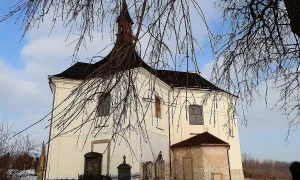
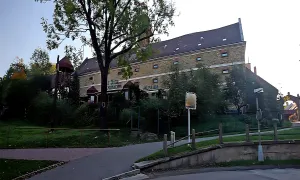
Socha se nachází v Chrastu, okres Chrudim. V blízkosti jsou historické objekty jako zámek a fara (děkanství), které přispívají k kulturnímu dědictví oblasti.
Accommodation nearby
Themed route
Thematic cruise route from Chrast
1. Statue of St. John Nepomuk
Type: Monuments
This statue is one of the famous paintings of the city of Chrasta and attracts attention to its historical significance. It's a symbol of local culture and spiritual life.
2. Castle
Type: Historical building
Castle in Chrast is a key part of the cultural heritage of the region. Its architecture and history represent an interesting view of the past of local society.
3. Faroe (dean)
Type: Religious building
The rectory in Chrast is not only a spiritual centre but also an architectural monument with rich historical elements. It is suitable for visiting because of its charming appearance and spiritual atmosphere.
4. Church
Type: Religious building
The church is another important religious centre in Hrast, which attracts its historical and architectural value. It's a place of quiet rest and reflection.
5. Park by the castle
Type: Green area
The park around the castle offers an opportunity to relax and walk in the outdoor environment. It is a place where you can enjoy beautiful garden treatments and a quiet environment.
This route will allow you to discover the cultural wealth of Chrast and its historical monuments.
Seasonal recommendations
Spring: In the spring life awakens around the statue and the surrounding greenery starts to pick up colors. The light is delicate and pleasant in this period, which allows you to better observe all the little things in the stone. I recommend wearing layered clothes because morning temperatures can still be low. The best time to visit is in the morning when the air is fresh and nature most comes to life.
Summer: In the summer months, the surroundings are full of bright colors and the sun shines very strongly. The days are long, which offers enough time to search. Because of possible crowds and high temperatures, it's best to arrive early in the morning before the hottest heat starts. Don't forget enough water and headgear for sun protection.
Autumn: Autumn brings a calm and a little sad mood to the surroundings of the monument. The golden and brown colours of the leaves create a beautiful background for the statue and the morning mist gives it a mystery. It is advisable to carry a waterproof jacket for frequent rains. Ideal is a visit in the afternoon when the sun shines below and creates interesting shadows.
Winter: Zimą is quiet near the monument and the statue can be filled with snow or covered with frost. The day is very short and the light is very little. For a comfortable tour it is necessary to have very warm clothes, including hat and gloves. The best time to visit is around noon when there is the most light, and you need to watch out for slippery roads.
Visualizations and artistic views


The visualisations are generated by artificial intelligence and serve as inspiration.
Photos from the area
Real photos taken near the monument


Zdroj a licence jsou uvedeny u každého snímku.
Tips from visitors
No tips yet. Be the first!
Log in and add your tip.
Sources and literature
Photos: Isolda11 / CC BY-SA 3.0 — Wikimedia Commons. The author and licence also appear when you hover over the image.
Faktickým podkladem tohoto textu byl článek na Wikipedii, jehož autory jsou přispěvatelé Wikipedie. Článek je dostupný pod licencí CC BY-SA 4.0.
Location on the map

Příběhy a pověsti
Legendy, pověsti a příběhy spjaté s touto památkou
Fotografie návštěvníků
Zatím žádné fotografie. Buďte první, kdo přidá fotografii z návštěvy!
Log in a přidejte svou fotografii nebo hodnoťte.
Za ověřenou návštěvu v aplikaci získáte víc bodů — poznáme podle GPS, že jste na místě.
Reviews and comments