






Kostel svatého Martina (Chrást) Church
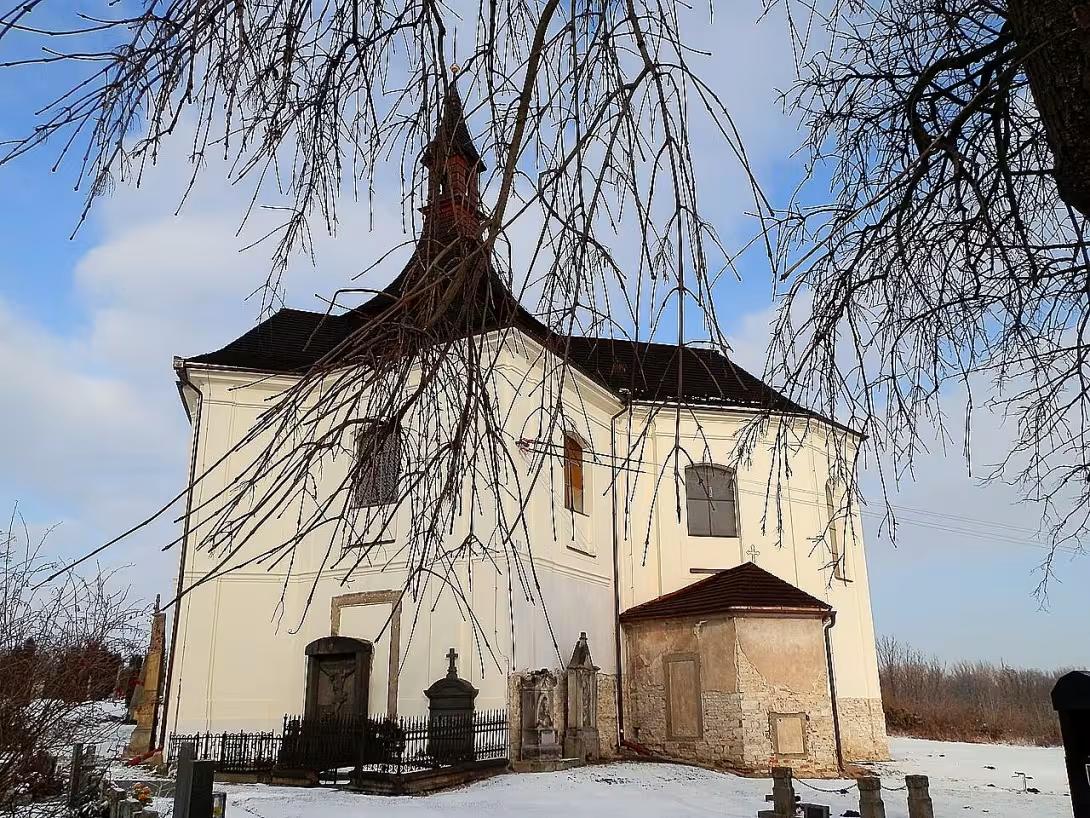
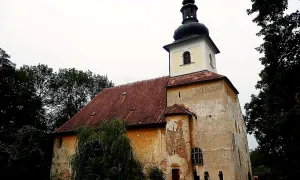
The Church of Saint Martin in Chrast is a Baroque church located in Chrašice, part of the municipality of Chrast in the Pardubice Region of the Czech Republic. Constructed between 1720 and 1721, it stands as a cultural monument recognized for its architectural significance and historical importance. The design is attributed to Jan Blažej Santini-Aichel, a renowned architect known for his Baroque style. This church underwent significant transformation at the beginning of the 18th century, marking it as an important example of Baroque architecture in the region.
The site where the Church of Saint Martin now stands has been documented since 1349, indicating that earlier structures existed there before undergoing several transformations over the centuries. The most notable change occurred at the start of the 18th century when the church was extensively reconstructed. Although Santini's authorship is not directly documented in archives, it is strongly suggested through stylistic analysis and his known association with Bishop Jan Adam Vratislav z Mitrovic, who commissioned the reconstruction. This connection further solidifies Santini’s influence on the project.
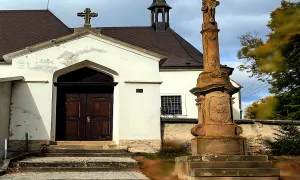
Architecturally, the church features a simple interior design with a flat-ceiling nave and an older vaulted chancel. The exterior is distinguished by its crystalline arrangement of smooth walls forming sharp angles, typical of Santini's late work. These elements contribute to the building's striking appearance as it changes perspective when viewed from different angles. The structure includes a kiosk-shaped base with two protruding corners and an elongated three-lobed presbytery on the east side. Additional features include lisenas, flat pilasters, and segmental arches that frame its windows.
The Church of Saint Martin's history is marked by significant events tied to Bishop Jan Adam Vratislav z Mitrovic. In 1720, he consecrated the church and held the first mass there on November 10th. The decoration was completed, and the church was reconsecrated on August 3rd, 1721. These events underscore the church's religious significance during its early years.
Jan Ludvík Pešinský, Santini’s assistant and a carpenter from Hradec Králové, played a crucial role in crafting the interior decorations of the church. He is credited with creating three altars dedicated to Saint Martin, Saint Wenceslas, and Saint Briccius, as well as other decorative elements such as door trims and parapets. This collaboration highlights the artistic contributions that complemented Santini’s architectural vision.
Today, the Church of Saint Martin remains a protected cultural monument in the Czech Republic, registered under number 21545/6-871 since May 3, 1958. Despite its historical significance, the church is currently closed and used only occasionally. In recent years, it has undergone restoration efforts, including the installation of a new roof in 2010 as part of the architectural heritage conservation program, which allocated approximately 6,095,000 Kč for repairs between 1995 and 2014.
Visitors interested in Baroque architecture and Czech cultural history will find the Church of Saint Martin an intriguing site. Its unique design and historical context offer a glimpse into the artistic and religious influences of early 18th-century Bohemia. Although access is limited, its preservation ensures that future generations can appreciate this remarkable example of Jan Blažej Santini-Aichel’s architectural legacy.
Then and now
Drag the slider to compare how the landmark may have looked when it was built with the view today.
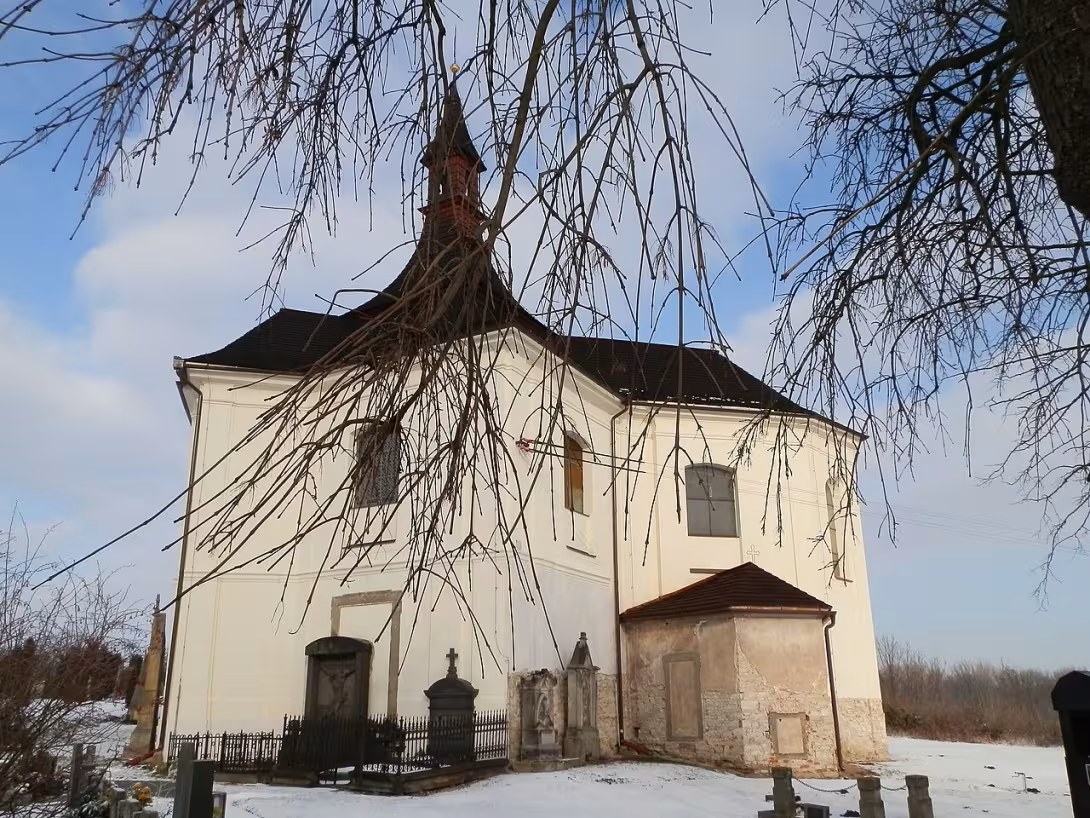
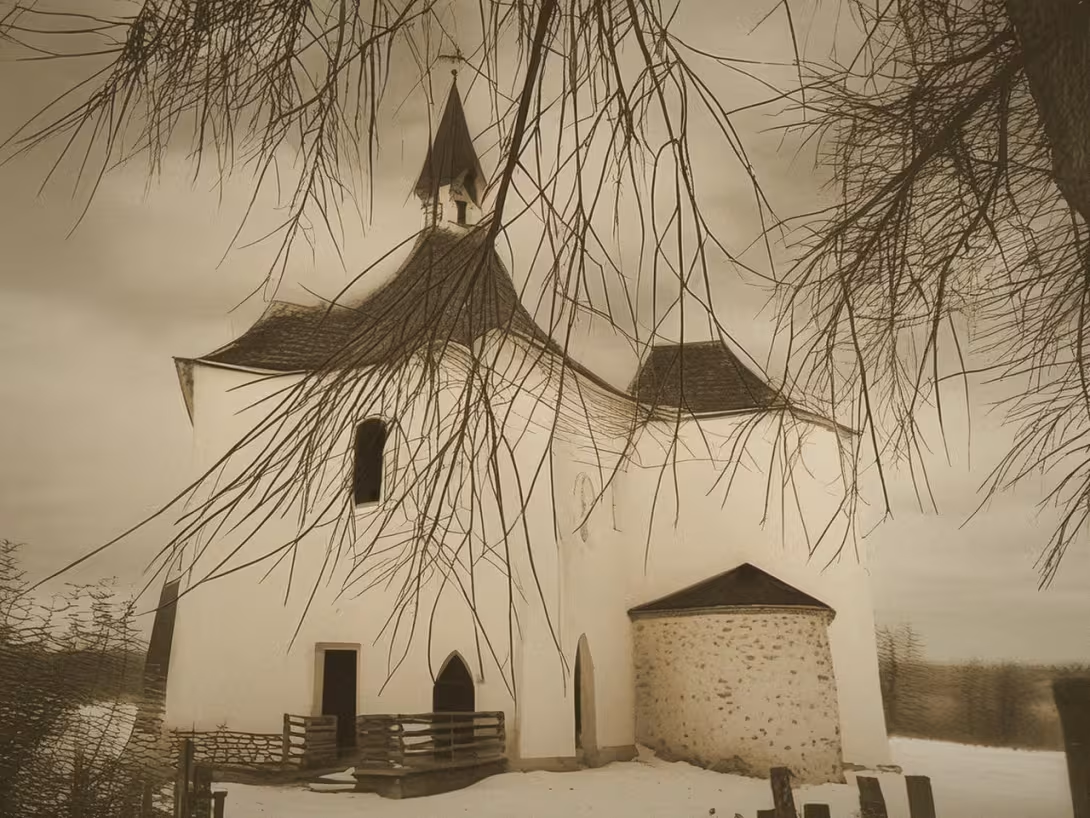
The historical appearance on the left is an AI-generated visualisation and serves as inspiration only.
Historical milestones
- 1720
- Bishop Jan Adam Vratislav z Mitrovic consecrated the church and held the first mass.
- 1721
- The church was reconsecrated with its decoration completed.
Architectural development
Originally documented in 1349, the site underwent several transformations before its major Baroque reconstruction at the start of the 18th century. The church features a simple interior with a flat-ceiling nave and an older vaulted chancel. Its exterior is notable for the crystalline arrangement of smooth walls forming sharp angles, typical of Santini's late work.
Historical events
In 1720, Bishop Jan Adam Vratislav z Mitrovic consecrated the church and held the first mass there on November 10th.
The church was reconsecrated with its decoration completed on August 3rd, 1721.
Points of interest
- The Church of Saint Martin's transformation at the start of the 18th century marked a significant shift from its earlier structures, which have been documented since 1349.
- Although Jan Blažej Santini-Aichel’s authorship is not directly recorded in archives, his stylistic influence and connection with Bishop Jan Adam Vratislav z Mitrovic strongly suggest he played a key role in the church's reconstruction.
Guide
This guide is narrated by a synthetic voice generated by artificial intelligence.
Show guide text
This text was created by artificial intelligence and has not been editorially reviewed. It may contain inaccuracies.
Welcome to the Church of Saint Martin in Chrast, one of the most splendid Baroque architectural landmarks in the Pardubice Region. What you see before you is a structure full of history and artistic mastery that will captivate you with its elegance and harmony.
This church was built between 1700 and 1701 under the supervision of architect Jan Blažej Santini-Aichel. Its design represents an outstanding example of Baroque art that developed at the beginning of the 18th century. Although his name is not directly recorded in archival documents, Santini-Aichel's style and his connection to Chrast are undeniable.
Let's take a look at the church façade. Even if you don't see any specific sculptures or paintings, notice the elegant lines and balance that are characteristic features of Baroque architecture. This church represents a fundamental transformation compared to its older structures, with the first record dating back as far as 1349.
In 1700, this church was consecrated by Bishop Jan Adam Vratislav of Mitrovic. This historical moment is a key part of its past because the bishop not only consecrated the structure but also celebrated the first Mass. In the following year, 1701, the church was reconsecrated and its decoration completed.
Now pay attention to the historical figures associated with this landmark. Bishop Jan Adam Vratislav of Mitrovic, who played a key role in the consecration of the church, was an important figure at the time. His efforts and patronage were essential for completing this architectural work.
There is an interesting detail that will captivate every visitor: although Santini-Aichel's direct contribution is not archivally confirmed, his influence on the Church of Saint Martin is undeniable. This mystery adds another layer of intrigue and allure to those interested in architectural history.
Let's also notice the atmosphere that this church exudes. The interior is a place of peace and reverence where every detail contributes to a unique sense of spiritual tranquility.
And now, as an excellent guide, I invite you to further explore Chrast. Let yourself be captivated by its history and architecture and continue your journey with new impressions and memories. I hope this church has inspired you and prepared you for more discoveries. When you return, we will be here to welcome you again.
Businesses nearby
Do you run a restaurant, accommodation, shop, museum, rental, wellness or other visitor service near this monument? Show yourself directly to the people heading to it — this is how they will see you in the app and on the web:
Events nearby
Zdroj akcí: otevřená data měst a obcí ČR (Národní katalog otevřených dat) a kalendář akcí Národního památkového ústavu.
Accommodation nearby
Themed route
Tematická výletní trasa: Kostel svatého Martina (Chrást)
1. Kostel svatého Martina (Chrást) - Typ: Náboženská památka - Proč stojí za návštěvu: Tento barokní kostel, postavený v 18. století, je architektonickou perli obce Chrást. Jeho bohaté historie a krásné interiér nabízejí návštěvníkům pohled na duchovní i kulturní dědictví regionu.
2. Památník válečných obětí - Typ: Památník - Proč stojí za návštěvu: Nachází se blízko kostela svatého Martina a slouží jako místo vzpomínky na válečné oběti. Je to klidný prostor pro reflektování nad historií a důsledky konfliktů, které formovaly region.
3. Místní muzeum v Chrástu - Typ: Muzeum - Proč stojí za návštěvu: Toto malé ale informativní muzeum nabízí pohled na historii a kulturu obce. Exponáty zde představují život místních obyvatel, jejich tradice a vývoj obce v průběhu let.
4. Zastávka u tradičního čerpacího stánku - Typ: Kulturní zastávka - Proč stojí za návštěvu: Tento stánek je nejen místo pro krátkou pauzu, ale také připomínkou tradičních čerpacích stanů, které byly bývalým zastávkovým bodem pro cestující. Nabízí možnost si užít místního nápoje a poznat více o historii dopravy v regionu.
Tato trasa nabízí kombinaci kulturních, historických i klidnějších zastávek, které společně představují bohatou minulost a současný život obce Chrást.
Seasonal recommendations
Spring: The arrival of spring at the Church of St. Martin (Chrást) brings a gentle awakening to nature, with blossoming flowers and fresh greenery surrounding the historic site, creating a picturesque atmosphere. During this time, visitors can enjoy mild temperatures and longer daylight hours, making it an ideal period for leisurely exploration. As the churchyard begins to bloom, it's recommended to wear comfortable walking shoes suitable for uneven terrain. Although crowds are generally manageable in spring, arriving early is advisable to fully appreciate the serene environment before more visitors arrive.
Summer: Summer at the Church of St. Martin (Chrást) offers vibrant daylight and a lively atmosphere as nature reaches its peak with lush landscapes and warm weather. This season attracts numerous tourists due to favorable conditions for outdoor activities, so it's wise to plan your visit early in the morning or later in the afternoon to avoid larger crowds. Light clothing is recommended to stay comfortable during the warmer days, and don't forget a hat or sunglasses to protect against the sun. The church grounds provide an excellent backdrop for photography with their well-maintained gardens and historical architecture.
Autumn: Autumn at the Church of St. Martin (Chrást) is characterized by stunning foliage as leaves turn vibrant shades of red, orange, and yellow, creating a breathtaking scene that enhances the historic charm of the church. The cooler temperatures make it an ideal time for extended visits without the discomfort of summer heat. Visitors should dress in layers to accommodate fluctuating weather conditions throughout the day. As this is a popular season for sightseeing, arriving early can help ensure a more tranquil experience while enjoying the picturesque autumnal setting.
Winter: Winter transforms the Church of St. Martin (Chrást) into a serene and enchanting destination with its historic architecture set against a backdrop of snow-covered landscapes, offering a unique and quiet atmosphere. Visitors should be prepared for colder temperatures by dressing warmly in layers, including hats, gloves, and insulated footwear. Due to shorter daylight hours and potential closures during extreme weather conditions, it's advisable to check opening times beforehand. The winter season typically sees fewer visitors, allowing for a more intimate experience of the church and its surroundings, perfect for those seeking peace and reflection away from summer crowds.
Visualizations and artistic views


The visualisations are generated by artificial intelligence and serve as inspiration.
Photos from the area
Real photos taken near the monument


Zdroj a licence jsou uvedeny u každého snímku.
Tips from visitors
No tips yet. Be the first!
Log in and add your tip.
Sources and literature
Fotografie: Rezetka / CC BY-SA 3.0 — Wikimedia Commons. The author and licence also appear when you hover over the image.
Faktickým podkladem tohoto textu byl článek na Wikipedii, jehož autory jsou přispěvatelé Wikipedie. Článek je dostupný pod licencí CC BY-SA 4.0.
Location on the map

Příběhy a pověsti
Legendy, pověsti a příběhy spjaté s touto památkou
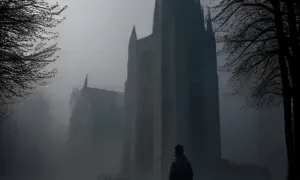
Příběh: Kostel svatého Martina (Chrást)
Bylo to v pondělí ráno, kdy Jakub Vácslavovič, mladý šlechtic z okolního panství, se octnul na pokraji samoty u kostela svatého Martina. Jeho nohy ho nést ne…
Číst příběh
Pověst: Kostel svatého Martina (Chrást)
Podle místní pověsti, která se v Chrašicích šeptá od nepaměti, nebyl kostel svatého Martina postaven pouhou lidskou rukou a vůlí. Staří obyvatelé vyprávějí, …
Číst příběhFotografie návštěvníků
Zatím žádné fotografie. Buďte první, kdo přidá fotografii z návštěvy!
Přihlaste se a přidejte svou fotografii nebo hodnoťte.
Za ověřenou návštěvu v aplikaci získáte víc bodů — poznáme podle GPS, že jste na místě.
Reviews and comments