






Sociální ústav pro okresní nemocenskou pokladnu Building
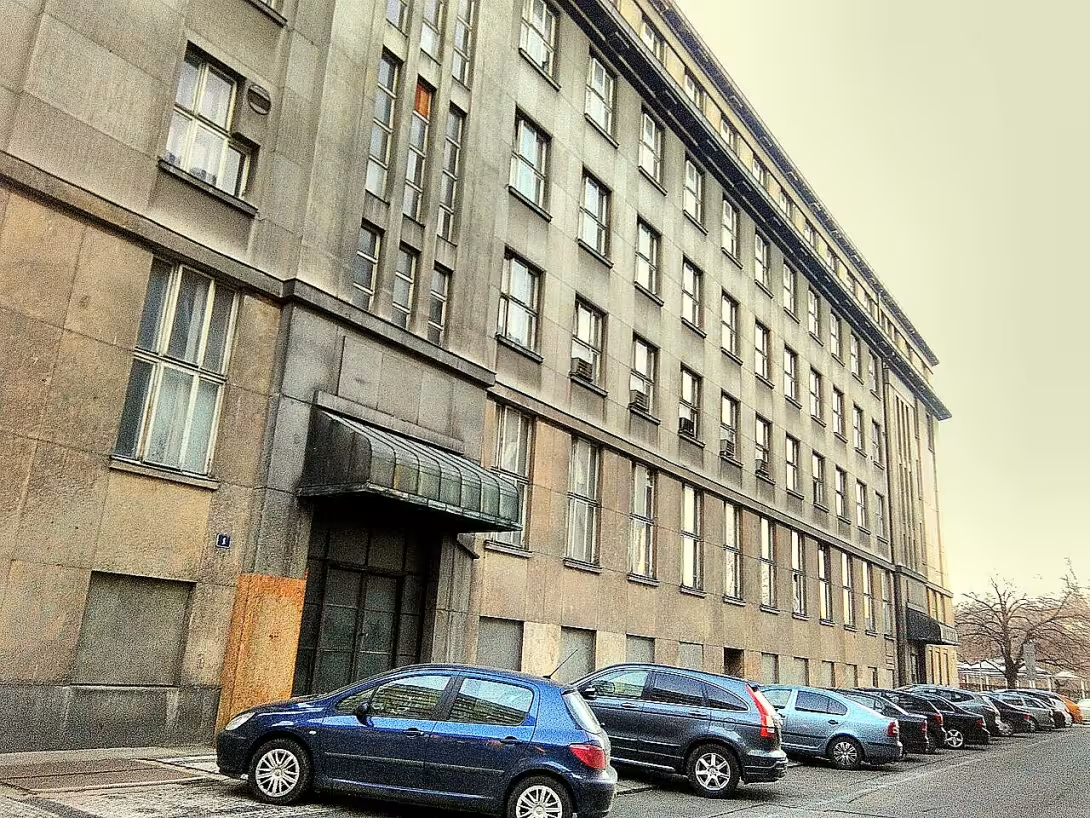
The Sociální ústav pro okresní nemocenskou pokladnu is a historical building situated in Prague's New Town, along the Vltava River. Constructed from 1924 to 1926, it forms part of a larger health complex that includes clinics and other facilities. Its importance stems not only from its architectural design but also from its role in early 20th-century Czechoslovakia's social fabric.
The building emerged during a time when Czechoslovakia was undergoing significant political and social changes after World War I. Designed by Bohumil Hypšman and František Roitha, it was part of an ambitious urban planning project that included nearby government buildings. Initial plans were approved in April 1924, with revised plans receiving approval on December 13, 1925. Construction began shortly thereafter, concluding with a final inspection by September 16, 1926.
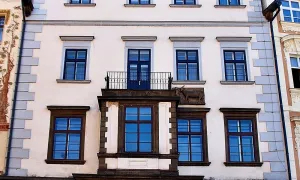
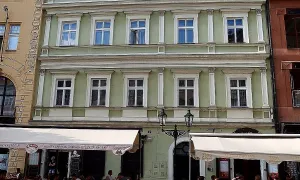
Architecturally, the Sociální ústav pro okresní nemocenskou pokladnu is notable for its modernist style and strategic use of materials. It occupies a significant portion of a city block with three open sides, featuring a five-story risalit on the northern façade adorned with allegorical sculptures by Ladislav Beneš. These sculptures depict themes such as old-age insurance, maternity, insurance, and work, reflecting the institution's social mission. The use of yellowish sandstone for the portico and grey-brown sandstone elsewhere enhances its aesthetic appeal. Additionally, due to its location in a flood-prone area, the structure includes an extensive underground level that rises above ground.
Throughout its history, the building underwent several modifications. In 1930, a children's swimming pool was added near the main underground basin, and by 1937, both pools were removed to make way for office spaces and storage areas. These changes reflect the evolving needs of the institution over time.
Today, the Sociální ústav pro okresní nemocenskou pokladnu stands as a testament to early modernist architecture in Prague. Although not officially protected as a cultural monument, its historical significance and architectural features make it noteworthy for visitors interested in Czechoslovakia's interwar urban development. Located near sites like the Church of Saint Clement and various government buildings, it offers insights into the social and political landscape of the time.
Visiting this building provides an opportunity to appreciate its architectural beauty and understand its role within Prague's New Town. Its historical significance and unique design elements make it a compelling destination for those interested in architecture and history alike.
Then and now
Drag the slider to compare how the landmark may have looked when it was built with the view today.
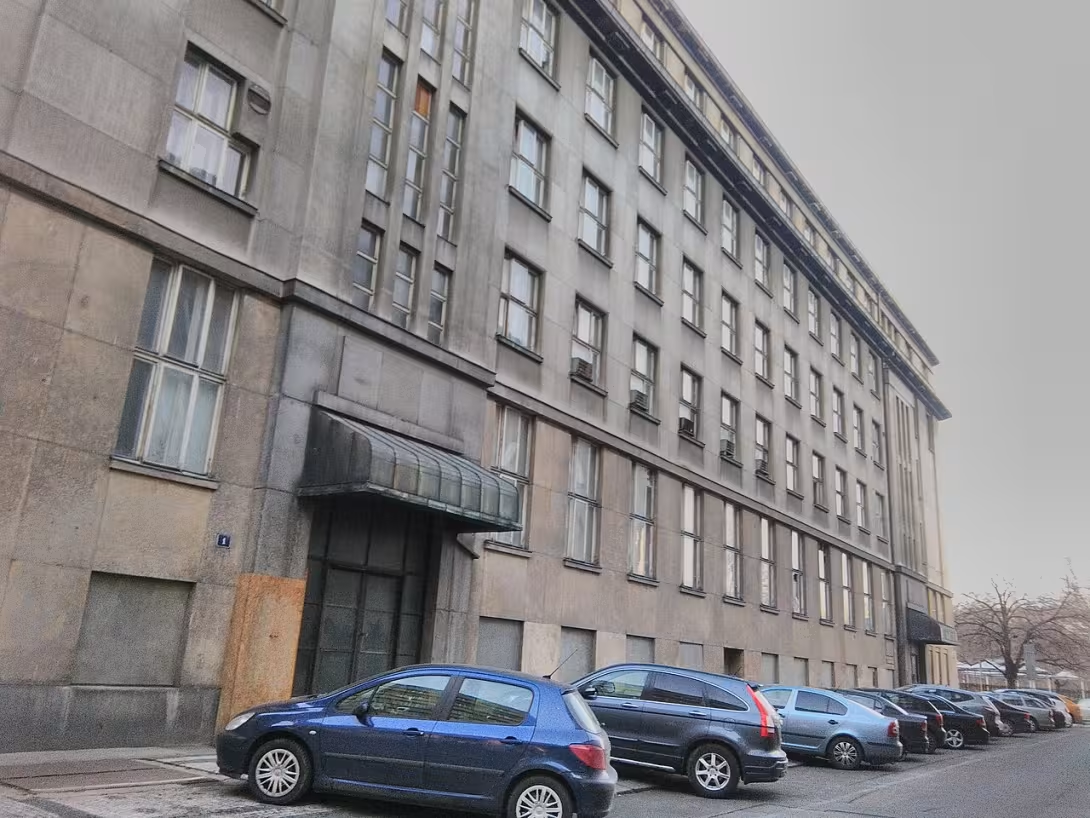

The historical appearance on the left is an AI-generated visualisation and serves as inspiration only.
Historical milestones
- 1924
- Initial plans for the Sociální ústav pro okresní nemocenskou pokladnu approved.
- 1925
- Revised plans for the building received approval on December 13.
- 1926
- Construction of the Sociální ústav pro okresní nemocenskou pokladnu completed with final inspection by September 16.
- 1930
- A children's swimming pool was added near the main underground basin.
- 1937
- Both pools were removed to make way for office spaces and storage areas.
Architectural development
The building was initially designed by Bohumil Hypšman and František Roitha, with construction beginning in 1924. It underwent significant changes in 1930 and 1937, including the addition and later removal of swimming pools to make space for offices and storage.
Historical events
1924: Stavební povolení (building permit) issued for initial plans.
1926: Celková kolaudace (final inspection) of the building completed.
Points of interest
- The Sociální ústav pro okresní nemocenskou pokladnu was constructed during a period of significant political and social transformation in Czechoslovakia following World War I, reflecting the country's evolving identity and priorities.
- Designed by Bohumil Hypšman and František Roitha, the building is part of an ambitious urban planning project that included nearby government buildings, illustrating early 20th-century efforts to create cohesive civic spaces in Prague's New Town.
- The building features allegorical sculptures by Ladislav Beneš on its northern façade, depicting themes like old-age insurance and maternity. These sculptures symbolize the institution’s commitment to social welfare during a transformative era for Czechoslovakia.
- Due to its location near the Vltava River in a flood-prone area, the Sociální ústav pro okresní nemocenskou pokladnu includes an extensive underground level that rises above ground, showcasing innovative architectural solutions to environmental challenges.
- Although not officially protected as a cultural monument, the building's modernist style and historical significance make it a noteworthy example of interwar urban development in Prague, offering insights into the social and political landscape of early 20th-century Czechoslovakia.
Guide
This guide is narrated by a synthetic voice generated by artificial intelligence.
Show guide text
This text was created by artificial intelligence and has not been editorially reviewed. It may contain inaccuracies.
Welcome to the Sociální ústav pro okresní nemocenskou pokladnu, a remarkable piece of history nestled in Prague's vibrant New Town along the serene banks of the Vltava River. As you stand here, take a moment to absorb the grandeur before you: an impressive structure that commands attention with its three-sided open layout and significant presence on this city block.
Let's delve into the origins and historical context of this architectural gem. Constructed between 1924 and 1926, the Sociální ústav pro okresní nemocenskou pokladnu was conceived during a transformative era in Czechoslovakia following World War I. This period marked significant political and social changes as the country sought to redefine its identity and priorities.
The vision for this building came to life through the creative minds of architects Bohumil Hypšman and František Roitha. Their design was part of a larger health complex, incorporating clinics and other facilities aimed at enhancing public welfare. The initial plans were approved in 1924, with revised plans receiving approval on December 13, 1925. By September 16, 1926, the construction was completed, marking the culmination of this ambitious project.
As you explore the architecture, notice how it seamlessly integrates into its surroundings while maintaining a distinct presence. The three-sided open layout invites you to appreciate both the interior and exterior spaces, offering a unique perspective on urban design from that era. Though specific stylistic details are not documented here, the thoughtful arrangement of space speaks volumes about the architects' intent.
While there may not be famous historical figures directly associated with this site, its significance lies in the stories it holds within its walls—stories of a community striving for better health and social services during a time of national transformation. The building itself is a testament to the era's architectural innovation and societal aspirations.
An intriguing aspect of this location is how it evolved over time. By 1930, a children's swimming pool was added near the main underground basin, highlighting an expansion in its facilities. However, by 1937, both pools were removed to make way for office spaces and storage areas, reflecting changing needs and priorities.
As you continue your journey through Prague, I invite you to keep exploring this fascinating city with its rich tapestry of history and culture. Thank you for joining me on this audio tour; may it enhance your appreciation of the Sociální ústav pro okresní nemocenskou pokladnu and inspire further discovery in Prague's captivating landscape. Safe travels!
Tips for visitors
The best time to visit the Sociální ústav pro okresní nemocenskou pokladnu is during late spring or early autumn, when the weather is pleasant and the crowds are smaller compared to peak tourist seasons in summer. This timing allows you to enjoy a more relaxed exploration of the building and its surroundings. The Vltava Riverbanks offer stunning views during these months, enhancing your visit.
Transportation to this historical site can be easily managed by both public transport and personal vehicles.
When planning your visit, consider bringing a camera or smartphone with a good camera to capture the architectural beauty of the building and its scenic surroundings along the Vltava River. Early morning or late afternoon is ideal for photography due to the softer light, which can beautifully highlight the intricate details of the architecture and create stunning reflections on the river.
Nearby attractions within a 30-minute walk include the Church of Saint Clement, known for its impressive Gothic architecture and historical significance. Additionally, exploring the nearby government buildings offers insight into Prague's political history. These sites provide a well-rounded cultural experience complementing your visit to the Sociální ústav pro okresní nemocenskou pokladnu.
For families with children, visiting this area can be both educational and enjoyable. The historical context of the building provides an interesting backdrop for learning about Prague's social history. While there may not be specific attractions tailored for young visitors within the immediate vicinity, the riverbank offers a pleasant environment for leisurely walks or picnics. Nearby parks could also serve as additional spots for children to play and explore.
Frequently asked questions
Can the monument be visited?
The building is in use (offices, a school, shops and the like). The interior is generally accessible only during operating hours and tours are not usually offered; we have not verified the details. You can see the exterior from the street.
Where is the monument?
Location: Praha 1, Hlavní město Praha. The map on this page shows the exact spot.
Why is the monument protected?
It is listed in the Central List of Cultural Monuments of the Czech Republic as a cultural monument (register no. 2000003687).
Businesses nearby
Do you run a restaurant, accommodation, shop, museum, rental, wellness or other visitor service near this monument? Show yourself directly to the people heading to it — this is how they will see you in the app and on the web:
Events nearby

Zdroj akcí: otevřená data měst a obcí ČR (Národní katalog otevřených dat) a kalendář akcí Národního památkového ústavu.
Nearby
Located on Vltava River banks, it is surrounded by notable sites such as the Church of Saint Clement and various government buildings. The area is part of Prague's New Town.
Accommodation nearby
Trips and activities nearby
Guided tours, tickets and activities nearby from GetYourGuide
Affiliate link: if you buy from the partner, we may receive a commission. The price for you does not change.
Search tours and activities →Themed route
Thematic Walking Tour: Historical and Architectural Highlights of Prague's New Town
1. Sociální ústav pro okresní nemocenskou pokladnu (Building) - Type: Historic Government Building - Why Visit: Begin your tour at this iconic building, a testament to the architectural evolution in Prague’s New Town. Its unique design reflects the blend of historical influences that shaped the area during its development.
2. Church of Saint Clement - Type: Baroque Church - Why Visit: Just a short walk from the Sociální ústav, this church is renowned for its stunning baroque architecture and intricate interior details. It offers insight into the religious and cultural history that has permeated Prague’s New Town.
3. Government Buildings - Type: Administrative Structures - Why Visit: Explore the surrounding government buildings to appreciate their architectural significance and understand their role in the administrative life of Prague. These structures highlight the city's historical governance and urban planning strategies.
4. Vltava River Banks - Type: Scenic Riverside Area - Why Visit: Conclude your tour by strolling along the Vltava River banks, where you can enjoy panoramic views of the river and its surroundings. This area provides a serene backdrop to reflect on the historical journey through Prague’s New Town.
This thematic walking tour offers a comprehensive exploration of key sites in Prague's New Town, emphasizing their architectural and historical importance.
Seasonal recommendations
Spring: Visiting the Social Institute for District Insurance Fund (building) during spring offers a unique experience as nature begins to awaken around Prague 1. The budding trees and blooming flowers create a picturesque setting, enhancing the historical architecture with vibrant greens and floral hues. This season is characterized by mild weather, making it ideal for exploring outdoor spaces without discomfort. To fully enjoy this time of year, consider wearing layers that can be adjusted as temperatures fluctuate throughout the day. While spring generally brings fewer tourists than summer, weekends might still see an increase in visitors, so planning your visit during a weekday could provide a more tranquil experience.
Summer: Summer at the Social Institute for District Insurance Fund is marked by longer days and warmer weather, making it perfect for leisurely exploration of Prague's historic sites. The bright sunlight accentuates the architectural details of the building, offering stunning photo opportunities. However, this season also brings larger crowds as tourists flock to the city during peak travel times. To avoid long lines and ensure a comfortable visit, arrive early in the morning when temperatures are cooler and fewer people are around. Light, breathable clothing is recommended, along with sun protection such as hats or sunglasses.
Autumn: Autumn transforms the area around the Social Institute for District Insurance Fund into a tapestry of warm colors, with leaves turning shades of orange, red, and gold. This seasonal shift creates a serene atmosphere that complements the historic ambiance of the building. The cooler temperatures are ideal for walking tours without the summer heat, though it's wise to bring a light jacket as evenings can be brisk. While autumn generally sees fewer tourists than summer, the beauty of fall may attract more visitors, so consider visiting on weekdays or planning your trip outside major holidays to avoid crowds.
Winter: Winter brings a unique charm to the Social Institute for District Insurance Fund with Prague 1 cloaked in snow and ice, offering a magical backdrop that enhances the historic architecture. The shorter days mean visits are best planned during daylight hours when the building is open. It's essential to dress warmly in layers, as temperatures can be quite cold, and ensure you have appropriate footwear for potentially icy paths. While winter may deter some tourists due to the chilly weather, those who do visit often find a quieter experience with fewer crowds, allowing for more intimate exploration of the site.
Visualizations and artistic views


The visualisations are generated by artificial intelligence and serve as inspiration.
Photos from the area
Real photos taken near the monument

Zdroj a licence jsou uvedeny u každého snímku.
Tips from visitors
No tips yet. Be the first!
Log in and add your tip.
Sources and literature
Photos: Aktron / CC BY-SA 3.0 — Wikimedia Commons. The author and licence also appear when you hover over the image.
Faktickým podkladem tohoto textu byl článek na Wikipedii, jehož autory jsou přispěvatelé Wikipedie. Článek je dostupný pod licencí CC BY-SA 4.0.
Location on the map
More monuments – Praha 1
Show all in the municipality

Příběhy a pověsti
Legendy, pověsti a příběhy spjaté s touto památkou
Fotografie návštěvníků
Zatím žádné fotografie. Buďte první, kdo přidá fotografii z návštěvy!
Log in a přidejte svou fotografii nebo hodnoťte.
Za ověřenou návštěvu v aplikaci získáte víc bodů — poznáme podle GPS, že jste na místě.
Reviews and comments