



Společenský dům Bruntál Other
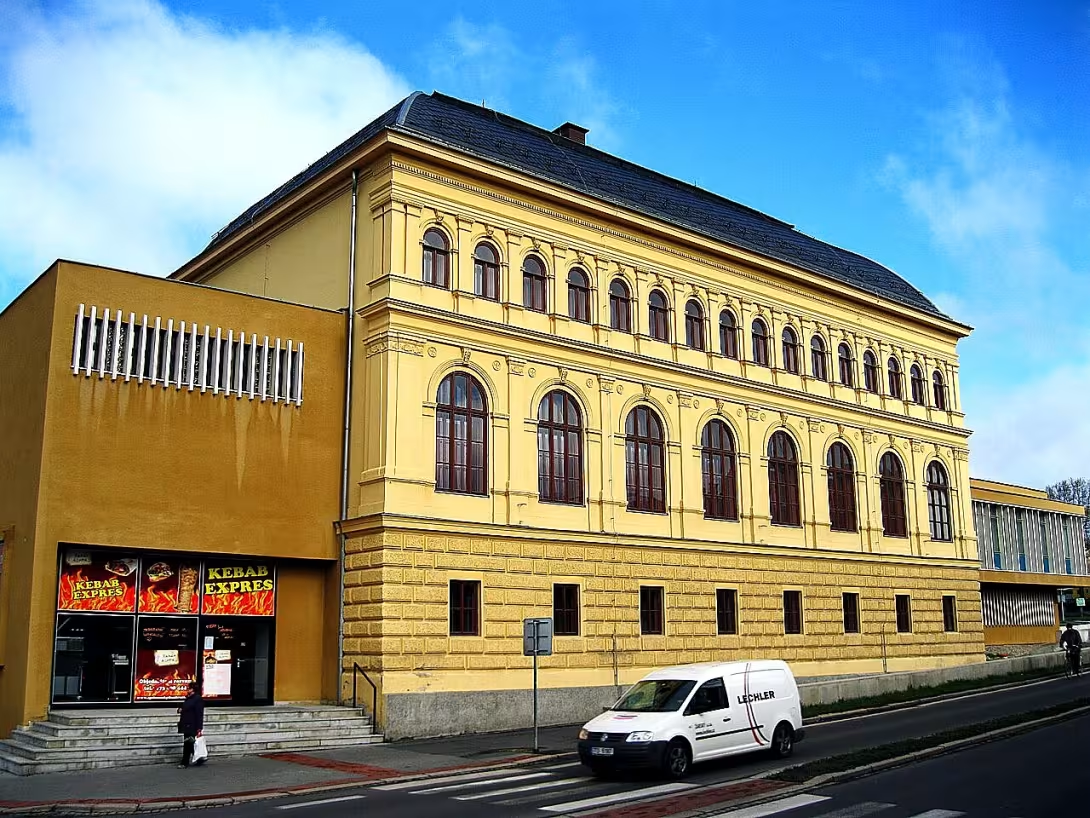
The Společenský dům in Bruntál stands as a testament to the city's vibrant social history. Since its establishment in the late 19th century, it has served as a central hub for community activities. Located at Ruská Street, this historical monument evolved from a hotel named U zlatého jelena into today’s cultural center that hosts various events. Its significance is underscored by its designation as a protected heritage site within Bruntál's historic town center since September 1995.
The building traces back to the 1870s when it was constructed as a neorenaissance two-story structure. The most notable addition came between 1882 and 1883 with the construction of the Jelení sál, designed by Franz Meissner. This ornate hall became renowned for its excellent acoustics and size, making it Bruntál's largest hall at that time. Initially part of a hotel complete with a large garden, the Společenský dům quickly became a social hub where dances and theater performances were held.
Throughout its history, the building underwent several transformations. In the mid-20th century, significant reconstruction introduced elements of the Brussels style under architects Miloš Suchánek and Karel Tylovský in 1965. This period also saw the original hotel structure replaced by a new design that included an extension serving as a hostel. Despite these changes, its role as a social center persisted.
Ownership and use have seen dramatic shifts over time. In 1907, it was acquired by the German Social Democracy, which established the Dělnický dům Bruntál within its premises. During World War I, from 1914 to 1918, the building served as provisional barracks. After the war and subsequent periods of neglect, it was restored in the mid-20th century and reopened under the name Kulturní dům. However, by the 1990s, it had fallen into disuse until a comprehensive restoration from 2006 to 2007 revived its original features, including stucco decorations.
Today, the Společenský dům is once again a vibrant cultural venue, hosting events such as performances and dance classes. Its historical significance and architectural evolution make it a compelling site for visitors interested in exploring Bruntál's rich heritage. The building's status as a protected monument within the town's conservation area further highlights its importance to the local community.
Visitors are invited to explore this remarkable site, where history and culture converge, offering a unique glimpse into the social fabric of Bruntál over the past century.
Then and now
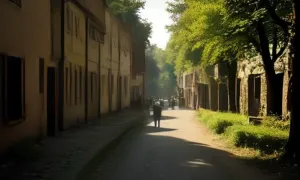
Drag the slider to compare how the landmark may have looked when it was built with the view today.
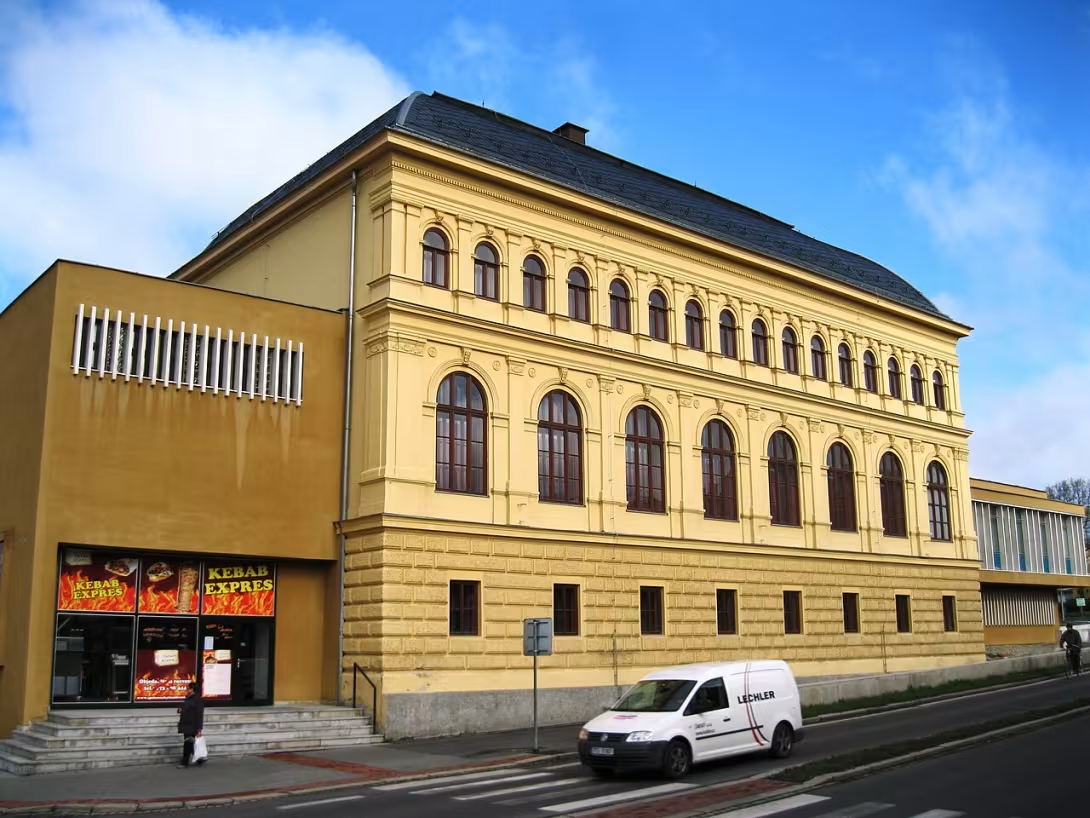
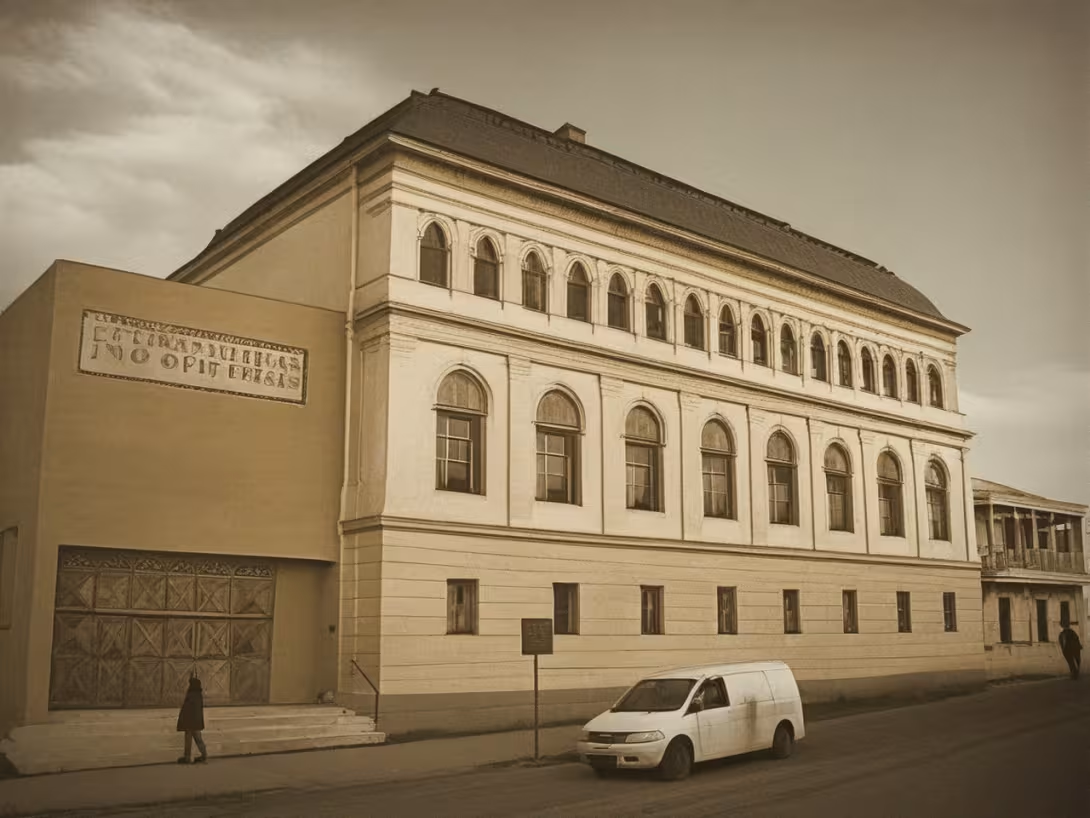
The historical appearance on the left is an AI-generated visualisation and serves as inspiration only.
Historical milestones
- 1870s
- Construction of the neorenaissance two-story building.
- 1882-1883
- Addition of Jelení sál designed by Franz Meissner.
- 1907
- Acquired by German Social Democracy, establishing Dělnický dům Bruntál.
- 1914-1918
- Served as provisional barracks during World War I.
- 1965
- Reconstruction introduced Brussels style elements by architects Miloš Suchánek and Karel Tylovský.
- 2006-2007
- Comprehensive restoration revived original features, including stucco decorations.
Architectural development
The building began as a neorenaissance two-story structure in the 1870s, with significant additions like the Jelení sál added between 1882 and 1883. In the mid-20th century, it was reconstructed under architects Miloš Suchánek and Karel Tylovský, incorporating Brussels style elements. Further restoration work in 2006-2007 restored original features such as stucco decorations.
Historical events
- 1907
- Acquisition by German Social Democracy and establishment of Dělnický dům Bruntál
- 1914-1918
- Used as provisional barracks during World War I
Points of interest
– The Společenský dům's transformation from a hotel with the name U zlatého jelena to a cultural hub underscores its adaptability and enduring significance in Bruntál’s social life.
– Despite being repurposed multiple times, including serving as provisional barracks during World War I, the building has consistently remained a focal point for community gatherings and events throughout its history.
– The Jelení sál, added between 1882 and 1883, was renowned not only for its size but also for its exceptional acoustics, making it an ideal venue for theater performances and dances in Bruntál at the time.
– A significant architectural shift occurred in 1965 when architects Miloš Suchánek and Karel Tylovský introduced elements of the Brussels style during a major reconstruction, marking a departure from its original neorenaissance design.
– The building’s journey through different ownerships reflects broader historical shifts, including being acquired by the German Social Democracy in 1907, which highlights its role as more than just a physical space but also a symbol of social and political change.
Guide
This guide is narrated by a synthetic voice generated by artificial intelligence.
Show guide text
This text was created by artificial intelligence and has not been editorially reviewed. It may contain inaccuracies.
Welcome to the Společenský dům in Bruntál, a beacon of history and culture nestled on Ruská Street. As you stand here, take a moment to soak in the grandeur of this architectural gem that has witnessed centuries unfold. The building's facade, with its neorenaissance charm, invites you into a story rich with transformation and resilience.
The origins of this remarkable structure date back to the late 19th century when it was initially conceived as a hotel named U zlatého jelena. Its construction began in the 1870s, marking the birth of what would become an enduring symbol of Bruntál's social life. The addition of Jelení sál between 1882 and 1883 by architect Franz Meissner was a significant milestone, introducing an ornate hall celebrated for its acoustics and size.
As you gaze upon the building, notice the harmonious blend of historical styles that whisper tales of its past. The neorenaissance elements are evident in the intricate detailing and symmetry, while later transformations introduced Brussels style features during a 1965 reconstruction by architects Miloš Suchánek and Karel Tylovský. These layers of history are subtly woven into the fabric of the building's architecture.
The Společenský dům has been more than just a structure; it has served as a cultural hub, adapting to the needs of its time. In 1907, it became Dělnický dům Bruntál under German Social Democracy, fostering community and dialogue. During World War I, from 1914 to 1918, it was repurposed as provisional barracks, showcasing its versatility.
A comprehensive restoration between 2006 and 2007 revived the building's original features, including exquisite stucco decorations that harken back to its early days. These restorations have ensured that the Společenský dům continues to stand proudly, preserving its historical essence while embracing modernity.
There is an intriguing mystery in how this building has seamlessly transitioned from a hotel to a cultural cornerstone. Each layer of its history adds depth and character, inviting you to explore not just its physical space but the stories it holds within its walls.
As we conclude our brief journey through time, I invite you to continue exploring Bruntál's rich tapestry of history and culture. The Společenský dům is a testament to the enduring spirit of this city, offering endless opportunities for discovery. Thank you for joining me today, and may your explorations be filled with wonder and insight.
Tips for visitors
The best time to visit the Společenský dům in Bruntál is during late spring or early autumn when the weather is pleasant, allowing for comfortable exploration of both the building and its surroundings. These seasons offer mild temperatures and fewer crowds compared to summer, providing an ideal setting to appreciate the historic architecture and enjoy outdoor activities nearby.
Visitors are encouraged to use public transportation or park at designated areas outside the immediate vicinity of Ruská Street, from where they can walk to the site.
When visiting Společenský dům, it’s recommended to bring comfortable walking shoes as you’ll likely be exploring on foot both inside and around the historic center. A camera or smartphone with a good camera will also enhance your experience, especially if you wish to capture the architectural details of the building.
For photography enthusiasts, the best spots for capturing Společenský dům are from Ruská Street where the morning light accentuates its façade, and from nearby streets that offer different angles. The golden hours of early morning or late afternoon provide soft lighting conditions ideal for highlighting the architectural features.
Within a 30-minute drive from Společenský dům, visitors can explore other historic sites in Bruntál such as the Old Town Hall and the Church of St. James. These locations offer additional insights into the town's rich history and are perfect for extending your cultural journey.
For families with children, visiting Společenský dům can be a delightful experience if planned well. The historic center of Bruntál is family-friendly, offering various cafes and small parks where children can relax. Engaging them in the town's history through storytelling or interactive activities at local museums might also enhance their visit.
Frequently asked questions
Can the monument be visited?
We have not verified whether this monument is accessible. Please ask the owner or operator, or the local municipal office.
Where is the monument?
Location: Ruská 649/14, Bruntál, Moravskoslezský kraj. The map on this page shows the exact spot.
Why is the monument protected?
It is listed in the Central List of Cultural Monuments of the Czech Republic as a cultural monument (register no. 31128/8-6).
Businesses nearby
Do you run a restaurant, accommodation, shop, museum, rental, wellness or other visitor service near this monument? Show yourself directly to the people heading to it — this is how they will see you in the app and on the web:
Nearby
Společenský dům is situated within the protected zone of the historic town center of Bruntál, which was designated as a heritage conservation area in September 1995.
Accommodation nearby
Themed route
Thematic Walking Tour of Bruntál's Historic Center
1. Společenský dům (Community House)
Type: Architectural Landmark
Why Visit: Begin your tour at the Společenský dům, a stunning example of early 20th-century architecture in Bruntál. This building stands as a testament to the town's vibrant social and cultural history, offering insights into its past communal life.
2. Historic Town Center
Type: Heritage Conservation Area
Why Visit: Explore the surrounding historic town center, designated as a heritage conservation area since 1995. Wander through charming streets lined with well-preserved buildings that reflect Bruntál's rich architectural diversity and historical significance.
3. Church of St. Lawrence (Kostel svatého Vavřince)
Type: Religious Site
Why Visit: Just a short walk from the Společenský dům, this church is an integral part of Bruntál's spiritual and architectural heritage. Its Gothic architecture and historical significance make it a must-see for anyone interested in religious history.
4. Old Town Square (Staré náměstí)
Type: Public Space
Why Visit: Conclude your tour at the Old Town Square, a central hub of Bruntál's historic center. This area offers a glimpse into daily life over centuries and is surrounded by buildings that have witnessed the town's evolution.
This walking tour provides an immersive experience of Bruntál’s historical heart, highlighting its architectural beauty and cultural significance within just a few steps.
Seasonal recommendations
Jaro: A visit to the Společenský dům Bruntál in spring offers a unique experience, as roses and lilies bloom around the monument, adding beautiful colors and aromas. The sunlight illuminates the architecture beautifully, highlighting its historical details. This time of year is ideal for visiting due to mild temperatures and relatively smaller crowds, allowing for relaxed exploration of the site. We recommend wearing comfortable clothing suitable for mild weather and bringing sunglasses to protect against strong sun.
Léto: During the main summer season, Společenský dům Bruntál buzzes with tourist activity, with warmth and light creating a bright atmosphere. The green trees around the monument are at their peak beauty, providing shade from the sunshine. This time is ideal for visiting in the morning or later in the day to avoid large crowds and heat. Wear lightweight clothing with long sleeves and bring along a sun-protective scarf and plenty of water to enjoy your tour.
Podzim: A fall visit to Společenský dům Bruntál offers a magical atmosphere with darker tree colors and calm air. The sunlight illuminates the monument in softer light, highlighting its historical details in a unique way. This period is ideal for visiting due to lower temperatures and fewer tourists, allowing for a more intense experience. We recommend wearing an outer layer and warm boots to stay cozy during chilly days.
Zima: A winter visit to Společenský dům Bruntál offers a quiet atmosphere with the possibility of seeing the monument in the magical light of icy or snowy coverings. The winter sun illuminates architectural elements differently, adding a fantastic tone to the tour. We recommend wearing warm clothing, including fur hats and gloves, and checking the opening times before your visit due to seasonal changes.
Visualizations and artistic views


The visualisations are generated by artificial intelligence and serve as inspiration.
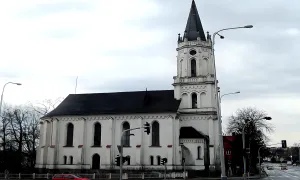
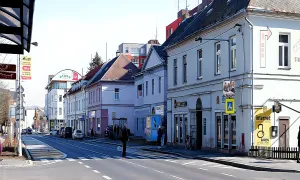
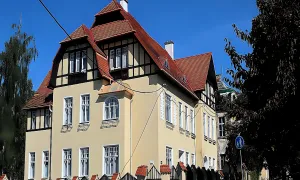
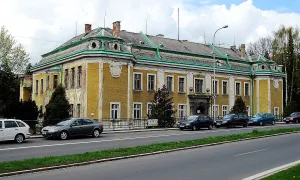
Photos from the area
Real photos taken near the monument


Zdroj a licence jsou uvedeny u každého snímku.
Tips from visitors
No tips yet. Be the first!
Log in and add your tip.
Sources and literature
Photos: Lehotsky / CC BY-SA 3.0 — Wikimedia Commons. The author and licence also appear when you hover over the image.
Faktickým podkladem tohoto textu byl článek na Wikipedii, jehož autory jsou přispěvatelé Wikipedie. Článek je dostupný pod licencí CC BY-SA 4.0.
Location on the map

Příběhy a pověsti
Legendy, pověsti a příběhy spjaté s touto památkou
Fotografie návštěvníků
Zatím žádné fotografie. Buďte první, kdo přidá fotografii z návštěvy!
Log in a přidejte svou fotografii nebo hodnoťte.
Za ověřenou návštěvu v aplikaci získáte víc bodů — poznáme podle GPS, že jste na místě.
Reviews and comments