



Starý Bohumín Other
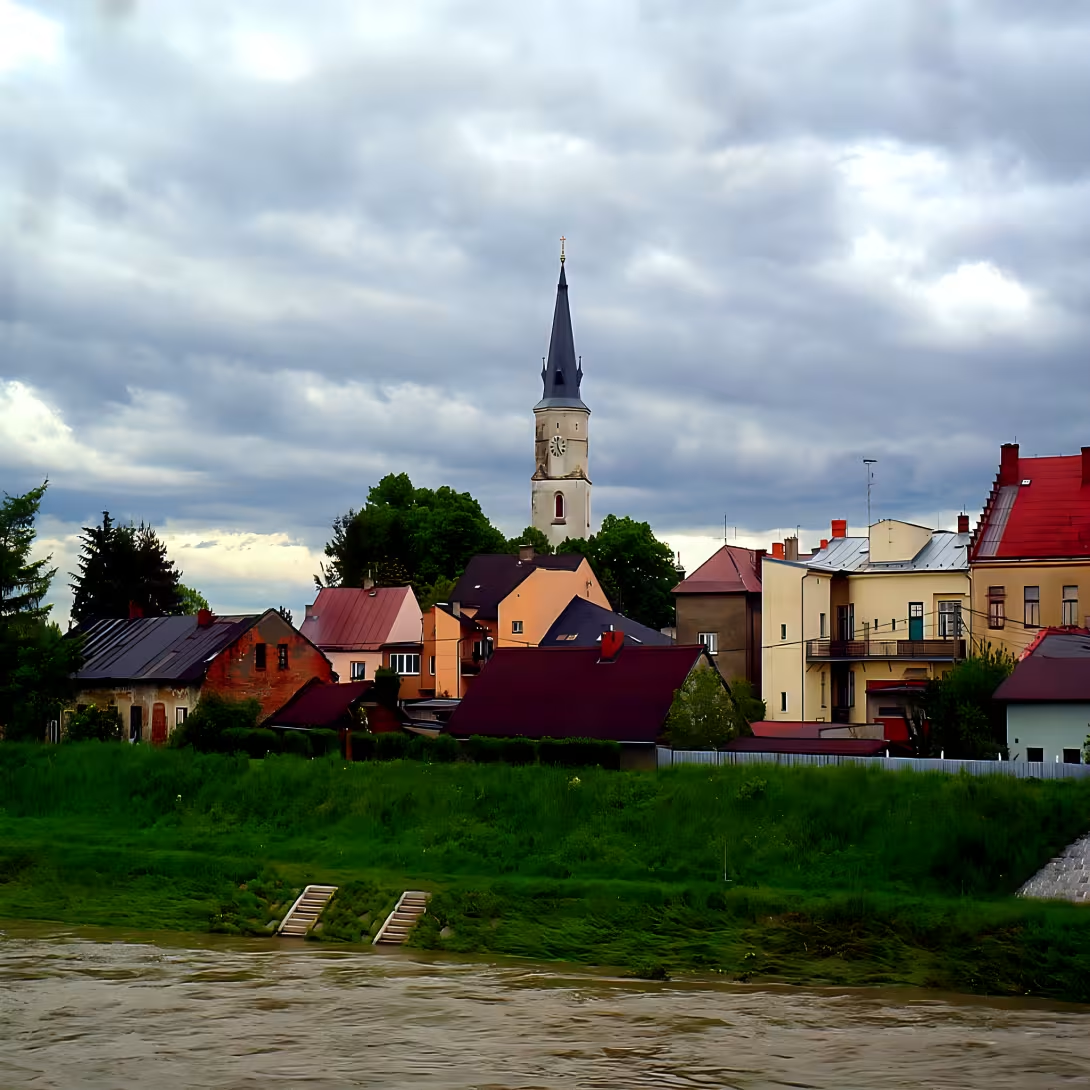
Starý Bohumín is a historically significant part of the town of Bohumín in the Moravian-Silesian Region of the Czech Republic. Known as the oldest section of today's town, it was first documented in 1256 as Bogun. Situated on the Oder River, which forms a border with Poland, Starý Bohumín has played an important role throughout history due to its strategic location and shifting political affiliations.
The origins of Starý Bohumín trace back to the mid-13th century when it was established within the Ratibořské knížectví. Its historical significance is highlighted by events such as the Vratislav Peace of 1742, which divided the area between Prussia and Habsburg Silesia. This division reflected broader European power dynamics during a time characterized by feudal fragmentation and territorial disputes among emerging states.
Architecturally, Starý Bohumín evolved from its initial form into a residential complex known as 'zámek' in the 19th century. The Henckel von Donnersmarck family played a significant role in its development, with later modifications by Erdmann Guslar and Leopold Heydenbrand transforming it into a late-classical two-story building integrated within the urban fabric. Notably, the Henckel family's mausoleum from 1752 is located in the parish garden.
Ownership of Starý Bohumín has seen dramatic changes over time. Initially part of the Ratibořské knížectví, it later came under the ownership of the Henckel von Donnersmarck family. In 1817, Erdmann Guslar von Komorn acquired two houses in the area, initiating their transformation into a residential complex. By 1857, Leopold Heydenbrand expanded this property, and in 1879 it was purchased by Hrabě Jindřich Larisch-Mönnich. Following World War II, the estate became municipal property.
Throughout its history, Starý Bohumín has been at the center of significant events. After World War I and the fall of Austria-Hungary, it became part of Czechoslovakia following the Polish–Czechoslovak War and the division of Cieszyn Silesia in 1920. However, after the Munich Agreement in October 1938, Starý Bohumín was annexed by Poland along with the Zaolzie region. It was later annexed by Nazi Germany at the beginning of World War II before being restored to Czechoslovakia post-war.
Today, Starý Bohumín retains its historical charm while accommodating modern developments. The former noble residence has been repurposed for municipal use and now houses a local post office. Its proximity to the Odra River adds to its allure, with remnants of an old bridge highlighting its strategic past. Visitors can appreciate the blend of cultural heritage and contemporary life that defines this unique area.
Starý Bohumín offers a fascinating glimpse into the complex history of Central Europe. Its rich tapestry of ownership changes, architectural evolution, and pivotal historical events make it a compelling destination for those interested in exploring the layers of European history. Visitors are invited to experience firsthand the enduring legacy of Starý Bohumín, where past and present converge seamlessly.
Historical milestones
- 1742
- The Vratislav Peace led to the division of Bohumín between Prussia and Habsburg Silesia.
- 1817
- Erdmann Guslar von Komorn purchased two houses in Starý Bohumín, initiating their transformation into a residential complex.
Architectural development
Initially a castle, Starý Bohumín evolved into a residential complex known as 'zámek' during the 19th century. The Henckel von Donnersmarck family significantly influenced its development, with later modifications by Erdmann Guslar and Leopold Heydenbrand transforming it into a late-classical two-story building integrated with the urban fabric.
Historical events
In 1256, Starý Bohumín (then Bogun) was founded within the Ratibořské knížectví.
The Vratislav Peace of 1742 resulted in the division of Bohumín between Prussia and Habsburg Silesia.
Owners
The estate was initially part of the Ratibořské knížectví and later owned by the Henckel von Donnersmarck family for an extended period. In 1817, Erdmann Guslar von Komorn acquired the Austrian portion, which was further developed into a residential complex known as 'zámek'. By 1857, Leopold Heydenbrand expanded this property, and in 1879 it was purchased by Hrabě Jindřich Larisch-Mönnich. Post-1945, the estate became municipal property.
Points of interest
- Starý Bohumín's strategic location on the Oder River has historically made it a point of contention between various powers, notably during the Vratislav Peace of 1742 when it was divided between Prussia and Habsburg Silesia.
- The Henckel von Donnersmarck family significantly influenced Starý Bohumín's development in the 19th century, transforming its architecture into a residential complex. Their mausoleum from 1752 still stands in the parish garden, serving as a testament to their legacy.
- After World War I and the Polish–Czechoslovak War, Starý Bohumín was incorporated into Czechoslovakia in 1920 following the division of Cieszyn Silesia. However, it was annexed by Poland after the Munich Agreement in 1938, only to be taken over by Nazi Germany at the start of World War II.
- The architectural evolution of Starý Bohumín is marked by its transformation from a simple settlement into a late-classical two-story building under the influence of Erdmann Guslar and Leopold Heydenbrand, reflecting broader trends in European architecture during their time.
- Despite its turbulent history, Starý Bohumín has retained elements of its past, such as remnants of an old bridge over the Odra River, which highlight its historical significance as a strategic crossing point.
Guide
This guide is narrated by a synthetic voice generated by artificial intelligence.
Show guide text
This text was created by artificial intelligence and has not been editorially reviewed. It may contain inaccuracies.
Old Bohumín was founded in the year 1256 in the territory of the Ratibor Duchy. Originally it bore the name Bogun, in German Alt Oderberg and in Polish Stary Bogumin. The castle, called Barudswerde, stood on the left bank of the Oder River, where Polish Chałupki is located today. The settlement below the castle, which later became a town, grew up across from it, on the right bank of the river.
The owners of the estate changed hands. The banker family Henckels of Donnersmarck held it the longest, and their tomb from the year 1752 is located in the parish garden. It was precisely under the Henckels that in the year 1742, based on the Peace of Breslau, Bohumín was divided. The left bank portion with the castle and suburbs fell to Prussia, while the right bank town remained part of Habsburg Silesia. Bohumín thus lost its noble seat. All the previous owners had lived in the castle, which is today on Polish territory and serves as a hotel. The division had wider consequences too: one and a half million Silesians moved to Prussia, along with 150 towns and five thousand villages. Maria Theresa retained approximately one eighth of the land, that is Těšínsko, part of the Bohumín region, the Opava region, the Krnov region and Kłodzko.
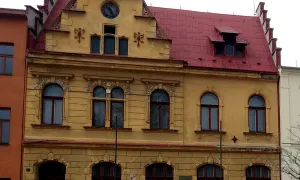
The Austrian portion of the estate was sold by the Henckels to Erdmann Guslar of Komorno. His heirs bought two houses in the year 1817 on the eastern front of the square, house numbers 7 and 8, and converted them into a residence, which came to be called a castle. The next owner Leopold Heydenbrand purchased the neighbouring house number 9 in the year 1857. He then reconstructed all three houses into a late classical two-storey building. Unlike most noble residences, it remained part of the urban fabric. In the year 1879, the castle and large estate were purchased by Count Henry Larisch-Mönnich. It was no longer a noble residence and served as offices and apartments for employees. In the year 1945 it was confiscated from its owners and passed into the ownership of the city. Later, an architecturally rather unsuitable nursing home building was erected on its site, in which the post office is now also located.
A bridge across the Oder had stood here since approximately the fifteenth century. After the division of the estate it lost its importance, nobody repaired it, and eventually it was demolished. In the year 1838 only a ferry operated here. What became fateful for the town was that its citizens opposed the planned railway. A railway bridge was built as early as 1849, but Old Bohumín gradually lost its significance. Only the development of industry and growing traffic necessitated the construction of a new road bridge. The foundation stone was laid in the year 1898 and a year later the bridge was completed.
Tips for visitors
The best time to visit Starý Bohumín is during the late spring or early autumn months, specifically from May to June or September to October. During these periods, you can enjoy mild weather that enhances your experience of exploring historical sites and enjoying outdoor activities without the discomfort of summer heat or winter cold. Additionally, visiting in these months allows for pleasant photography opportunities with softer light conditions ideal for capturing the area's historic charm.
It’s advisable to check current schedules and routes through a transportation app or website before your trip to ensure smooth travel arrangements.
When visiting Starý Bohumín, consider bringing comfortable walking shoes as exploring the historical sites involves some walking. A camera is recommended for capturing the picturesque views of the Odra River and remnants of the old bridge. Additionally, carrying a light jacket can be useful due to variable weather conditions in the region. Don’t forget water and snacks if you plan on spending several hours at the site.
Photography enthusiasts will find Starý Bohumín offers some excellent spots for capturing its historical essence. The best lighting is typically found during the golden hour, just after sunrise or before sunset, when the light is soft and warm. You can capture stunning images of the Odra River and the old bridge remnants from various angles around the site. Exploring different perspectives will help you find unique shots that highlight the area's historical significance.
For those interested in exploring nearby attractions within a 30-minute radius, consider visiting the modern infrastructure developments in the area to see how they blend with the historic sites. These include contemporary buildings and facilities that contrast interestingly with Starý Bohumín’s rich history. Such juxtapositions offer a unique perspective on the region's evolution over time.
Families with children will find Starý Bohumín an engaging destination due to its historical significance and scenic surroundings. The site offers educational opportunities for kids interested in history, while the natural landscape around the Odra River provides space for outdoor play and exploration. Be sure to engage your children with stories about the area’s past as you explore together.
Frequently asked questions
Can the monument be visited?
We have not verified whether this monument is accessible. Please ask the owner or operator, or the local municipal office.
Where is the monument?
Location: Bohumín, Moravskoslezský kraj. The map on this page shows the exact spot.
Businesses nearby
Do you run a restaurant, accommodation, shop, museum, rental, wellness or other visitor service near this monument? Show yourself directly to the people heading to it — this is how they will see you in the app and on the web:
Events nearby
Zdroj akcí: otevřená data měst a obcí ČR (Národní katalog otevřených dat) a kalendář akcí Národního památkového ústavu.
Nearby
Starý Bohumín is situated near the Odra River, with historical significance tied to its strategic location. The area includes remnants of an old bridge and features modern infrastructure developments.
Accommodation nearby
Themed route
Thematic Walking Tour: Starý Bohumín and Its Environs
1. Starý Bohumín Bridge Remnants - Type: Historical Site - Why Visit: Explore the remnants of an old bridge that once played a crucial role in connecting regions across the Odra River. This site offers insight into the area's strategic importance throughout history and allows visitors to appreciate the blend of historical significance with modern infrastructure developments nearby.
2. Odra River Promenade - Type: Scenic Walk - Why Visit: Stroll along the picturesque banks of the Odra River, which flows near Starý Bohumín. This promenade provides a serene environment to reflect on the area's rich history while enjoying natural beauty and modern amenities that have developed around this historic site.
3. Starý Bohumín Historical Center - Type: Cultural Exploration - Why Visit: Delve into the heart of Starý Bohumín, where you can explore its historical center. This area is a testament to the town's past and offers an authentic glimpse into local architecture and culture, making it a must-visit for those interested in understanding the region's heritage.
This tour provides a comprehensive exploration of Starý Bohumín and its immediate surroundings, focusing on historically significant sites and scenic views that highlight the area's rich cultural tapestry.
Seasonal recommendations
Spring: Visiting Starý Bohumín during the spring offers a vibrant display of blooming flora, with cherry blossoms and tulips adding color to the historic landscape. The mild temperatures make it an ideal time for leisurely strolls through the area's scenic paths. As nature awakens, the atmosphere is fresh and invigorating, perfect for photography enthusiasts looking to capture picturesque scenes. Spring can attract moderate crowds as people enjoy outdoor activities after winter. It’s advisable to wear layers that can be adjusted with changing temperatures throughout the day, and an early visit might help avoid larger groups of visitors.
Summer: The summer months bring long daylight hours and warm weather, ideal for exploring Starý Bohumín's historical sites at a leisurely pace. This period often sees higher visitor numbers due to school holidays and favorable conditions for outdoor activities. To fully enjoy the experience without the crowds, consider arriving early in the morning or later in the afternoon. Light, breathable clothing is recommended to stay comfortable during your visit, along with sun protection such as hats and sunscreen. The lively atmosphere of summer makes it a popular time for family outings.
Autumn: Autumn transforms Starý Bohumín into a picturesque setting with its rich tapestry of reds, oranges, and yellows. The cooler temperatures create a cozy ambiance perfect for enjoying the historic charm without the summer heat. This season is particularly appealing to photographers seeking dramatic landscapes. Wearing layers and bringing a light jacket can help manage the crisp air, ensuring a comfortable exploration of this enchanting locale.
Winter: Winter envelops Starý Bohumín in a serene blanket of snow, offering a unique and magical perspective on its historic architecture. The cold weather brings an intimate atmosphere as fewer visitors brave the chill to explore the area's quiet beauty. It’s essential to dress warmly with thermal layers, hats, gloves, and insulated boots for comfort during your visit. Be mindful that some attractions may have limited hours or be closed due to winter conditions, so checking in advance is recommended. Despite these challenges, a winter visit provides a peaceful experience away from the busier seasons.
Visualizations and artistic views


The visualisations are generated by artificial intelligence and serve as inspiration.
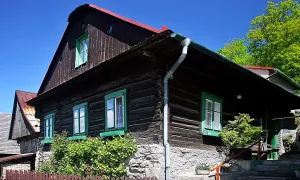
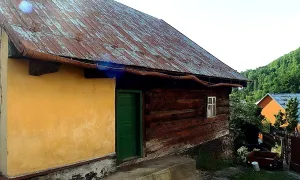
Photos from the area
Real photos taken near the monument


Zdroj a licence jsou uvedeny u každého snímku.
Tips from visitors
No tips yet. Be the first!
Log in and add your tip.
Sources and literature
Photos: Olos88 / CC0, rozlišení zvýšeno umělou inteligencí — Wikimedia Commons. The author and licence also appear when you hover over the image.
Faktickým podkladem tohoto textu byl článek na Wikipedii, jehož autory jsou přispěvatelé Wikipedie. Článek je dostupný pod licencí CC BY-SA 4.0.
Location on the map

Příběhy a pověsti
Legendy, pověsti a příběhy spjaté s touto památkou
Fotografie návštěvníků
Zatím žádné fotografie. Buďte první, kdo přidá fotografii z návštěvy!
Log in a přidejte svou fotografii nebo hodnoťte.
Za ověřenou návštěvu v aplikaci získáte víc bodů — poznáme podle GPS, že jste na místě.
Reviews and comments