






Hrobka hrabat Henckelů von Donnersmarck Tomb
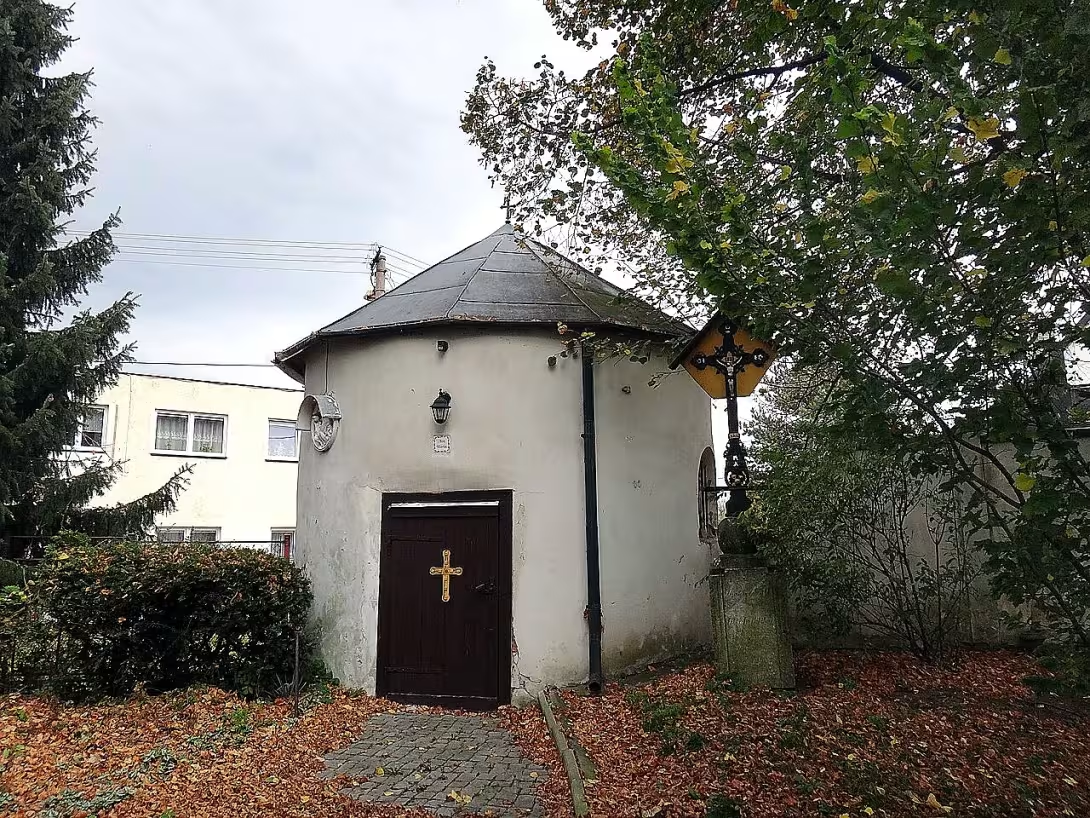
Hrobka hrabat Henckelů von Donnersmarck, located in the cemetery in the Old Bohumín near the Church of the Birth of the Virgin Mary, is a chapel of Baroque style with a rich history. This monument is remarkable as the family tomb of the Protestant noble family of Henckel von Donnersmarck and its subsequent conversion into the chapel of the Virgin Mary. Its history dates back to the second half of the 17th century when it was originally built, to the reconstruction in 2001- 2002.
The Henckel family von Donnersmarck has acquired the Hajmin estate definitively on 26 May 1629. They were active supporters of Protestant pietism, which had a significant influence on the region's religious structure. That's why they had to build a family tomb in the very corner of the cemetery. The original building was a local two-story rotunda without apsid, which resembled Romanesque rotunds with its appearance.
In 1752, the tomb was rebuilt into today's form. After this transformation, the building served as a family tomb only briefly, as the last male descendant of the Zamín branch of the Johann Erdman Henckel von Donnersmarck und Vösendorf was buried here on 16 March 1803. After his funeral, the underground part of the tomb was cleared out and its entrance was buried at the turn of the 19th and 20th centuries.
The above-ground part of the chapel served for many years as a warehouse of no longer used church mobility before it was included in the list of cultural monuments in 1974. Thanks to the initiative of Victory Malchar and Otmar Faji, the above-ground part of the former tomb was restored from 2001 to 2002 and adapted to the Chapel of the Virgin Mary, blessed by the general vicar of the Ostrava-Opava diocese František Kufa in 2002. This chapel serves as a place for afternoon mayhem.
Today the tomb of the Henckels is accessible to visitors and is worth visiting not only its historical value but also as a place of pilgrimage. Its adaptation to the chapel of the Virgin Mary shows a lively tradition of maintaining cultural monuments and their new purpose today.
This monument is a reminder of the region's rich history, which was influenced not only by religious changes, but also by cultural development. A visit to the tomb of the Henckel burrows von Donnersmarck offers an opportunity to explore the heritage of the past and appreciate the efforts to preserve and restore it.
Then and now
Drag the slider to compare how the landmark may have looked when it was built with the view today.
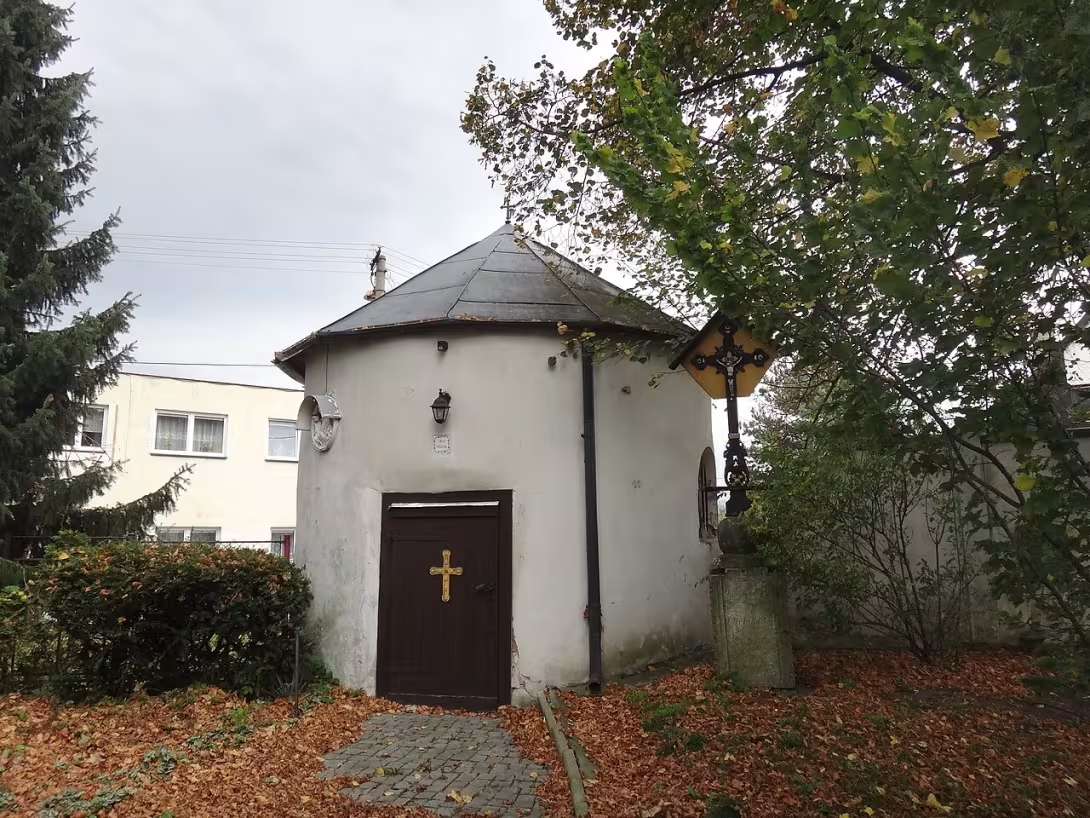
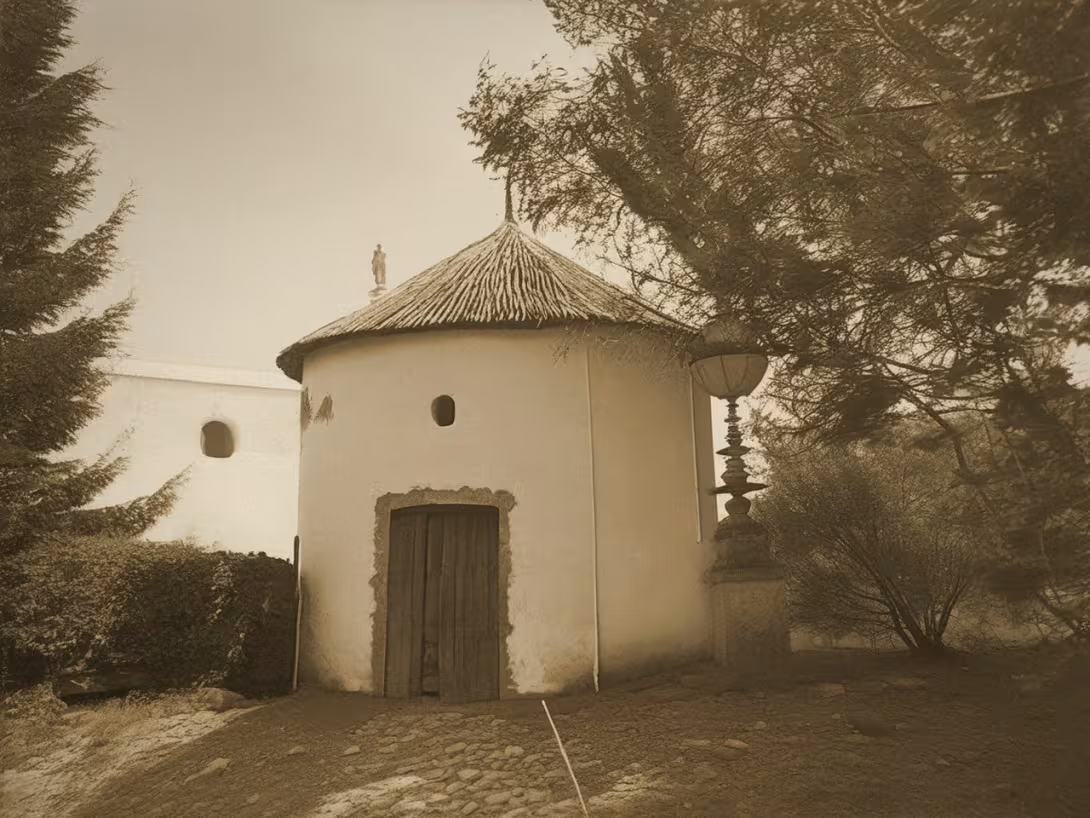
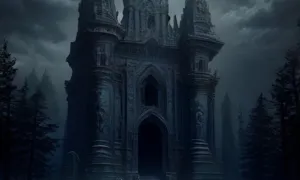
The historical appearance on the left is an AI-generated visualisation and serves as inspiration only.
Historical milestones
- 1629
- The Henckel family von Donnersmarck is in possession of the Hajmin estate.
- 1752
- The reconstruction of the tomb into today's form.
- 1803
- Buried by Johann Erdman Henckel von Donnersmarck.
- 1974
- Writing the building into the list of cultural monuments.
- 2002
- The blessing of the chapel by general vicar Franz Kufou.
Architectural development
The original building dates back to the second half of the 17th century. In 1752 it was rebuilt into today's form. After the period of use as a mobility warehouse, it was repaired and adapted to the chapel between 2001 and 2002.
Historical events
16 March 1803: Buried Johann Erdman Henckel von Donnersmarck. 1974: Writing the construction into the list of cultural monuments. 2001-2002: Reconstruction and adaptation of the chapel.
Owners
The Henckel family von Donnersmarck (since 1629)
Points of interest
- Hrobka hrabat Henckelů von Donnersmarck is a chapel of Baroque style with rich history. - Originally built as a family tomb of the Protestant noble family of Henckel von Donnersmarck and transformed into the chapel of the Virgin Mary. - The family was finally granted the Hajmin manor on 26 May 1629 and was active supporters of Protestant pietism. - After the reconstruction in 1752, it served as a family tomb briefly because the last male offspring was buried on March 16, 1803. - The above-ground part of the chapel was restored and adapted to the chapel of the Virgin Mary from 2001 to 2002, blessed by the general vicar František Kufa in 2002.
Guide
Show guide text
This text was created by artificial intelligence and has not been editorially reviewed. It may contain inaccuracies.
Welcome to Bohumín. You just stopped in front of a place that carries deep peace and a fascinating story about power, faith and time. You are standing in front of the tomb of the Henckels von Donnersmarck, who is now the chapel of the Virgin Mary. If you look around you now, you will see that this building stands out from the surrounding cemetery environment in its unusual form. It is a circular building that is very harmonious and balanced. Feel the atmosphere of silence that exists here, and let yourself be carried away by the idea of all the years that this monument has had. This building is not just a stone piece, it is a witness to the history of one of the most important families in the region.
To understand why this place is so special, we need to go back deep into the past in our minds. The whole story of this place is closely linked to the fate of the Henckel family von Donnersmarck. It was in 1629, centuries ago, that the family acquired the Hajmin estate, which meant that it became a key figure for the entire region. This family wasn't just an ordinary noble family, it was a force that formed the surroundings. Originally, this building was designated as a family tomb for this Protestant noble family. Imagine the era when religion became the fundamental pillar of identity and family heritage. Over time, however, the face of the place changed. In 1752, there was a major reconstruction that transformed the tomb into a form that you now have right in front of you. This transformation was a step towards creating a monument that would reflect not only death, but also the spiritual needs of the time.
Now pay attention to the architecture itself, which is absolutely unique to this object. If you look at the construction as a whole, you'll notice its unusual geometry. It's a circular, two-story structure. This shape immediately brings us thoughts to ancient times, namely Romanesque patterns. The construction resembles a Romanesque rotunda with one interesting absence - this rotunda has no apside. This gives her a special, closed and perfectly balanced character that acts very strongly. Although we can feel a hint of Romanesque simplicity in its lines, the construction itself is perceived as a baroque object with a rich history. It's a fascinating combination of various architectural influences.
Look at how the building is arranged into two levels, which together form one whole. These two floors have completely different functions that form a dialogue between the earthly and the celestial. In the basement, in the lower, underground part, is the tomb itself. It's a place associated with rest, family history and eternity. Above ground space is then reserved for sacral parts. That's the part we see as a chapel today. This vertical organization of space, where the tomb is located under the chapel, is very symbolic - death and earthly heritage are directly associated with prayer and spiritual ascension.
In these walls, there were fates of people whose names we need to remember if we want to understand the weight of this place. One of the most important names is Johann Erdman Henckel von Donnersmarck. He was buried here in 1803, which underlines the importance that the family attached to this place as their home estate for eternal rest. The site is also associated with other personalities who participated in its history or perception in later years such as Vítězslav Malchar or Otmar Faja. Although we do not know the architects of this building, their work remains alive thanks to the people who took care of it. Even in modern history, the tomb and the chapel meet us with people like the general vicar František Kufa, who blessed the chapel in 2002, thus confirming its spiritual role today.
Perhaps now you think about how this place could have changed so fundamentally. There is a hidden interest that can impress anyone who seeks more than dry facts in history. Originally, this building was the tomb of a Protestant noble family. Imagine that huge shift where a place that was reserved for one particular faith and one family became the Catholic Chapel of the Virgin Mary. This transformation is not just a question of religion, it is a symbolic story about how times change, how power changes and how space adapts to a new era. This transformation from the family tomb to a publicly accessible chapel is one of the most interesting aspects of the entire building.
The construction was included in the list of cultural monuments in 1974, which confirms to us that its value is not only local, but is of importance for the whole culture. Now, if you look at this whole structure, remember that you are facing a monument that has survived centuries of political and religious change.
I hope that this brief insight into the past has helped you better understand what you are seeing in front of you. This circular building is not just stone and mortar, it is the living story of the Henckel family von Donnersmarck and the story of Bohumín itself. Please continue the tour of the area, the cemetery offers many other places to think about and to quietly observe history. Thank you for your journey in time and I wish you a pleasant continuation in discovering the monuments of our region.
Tips for visitors
The best time to visit the chapel Hrobka hrabat Henckelů von Donnersmarck is in the spring or autumn season when the weather is quiet and pleasant. This time offers ideal lighting conditions for shooting architectural details of the chapel.
Parking or access to the sights is possible both by car and public transport. It is recommended to check the current connection and parking area prior to the visit. The best way to arrive in Old Bohumína is through public transport or passenger vehicles.
When planning your visit, bring protective clothes and shoes suitable for walking in the cemetery. Additional information, such as current entry conditions or breakfast options, can be found on the official site of the sights.
For photography is the best place inside the chapel where interesting light effects can appear. The exterior of the chapel also offers beautiful shots from the Church of the Birth of the Virgin Mary.
In the vicinity of the monument you can visit the Church of the Birth of the Virgin Mary in the Old Bohumín, located near the chapel. For families with children it may be interesting to explore the surrounding cemetery and its historical monuments.
Businesses nearby
Do you run a restaurant, accommodation, shop, museum, rental, wellness or other visitor service near this monument? Show yourself directly to the people heading to it — this is how they will see you in the app and on the web:
Events nearby
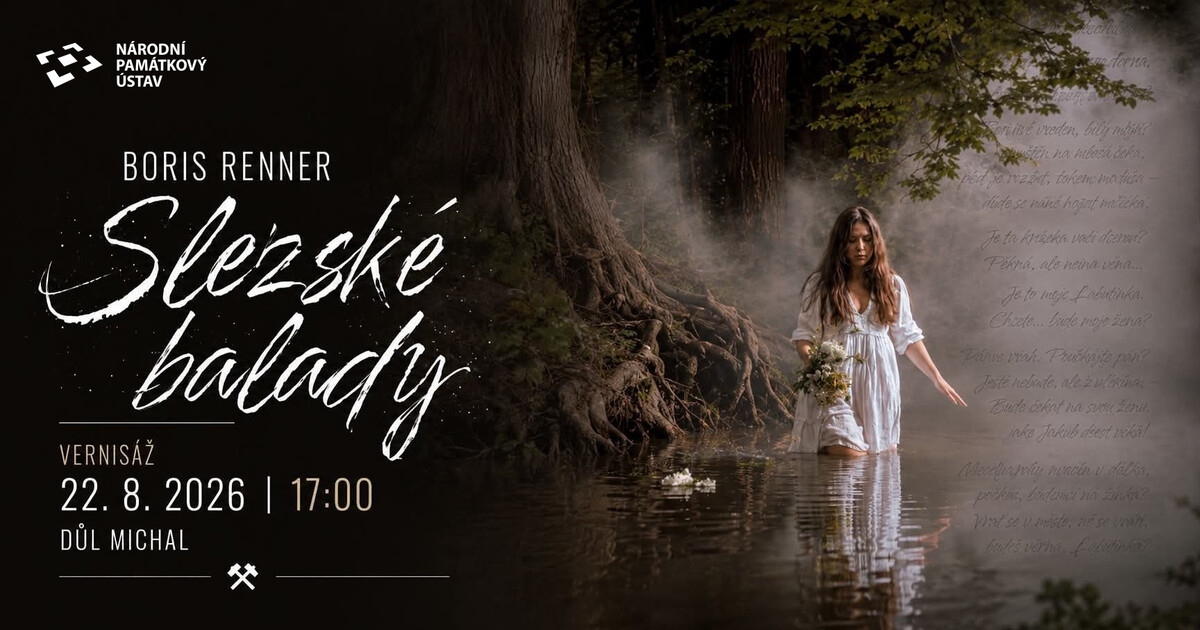
Zdroj akcí: otevřená data měst a obcí ČR (Národní katalog otevřených dat) a kalendář akcí Národního památkového ústavu.
Nearby
Church of the Birth of the Virgin Mary in Old Bohumín.
Accommodation nearby
Themed route
1. Church of the Birth of the Virgin Mary in the Old Bohumín Type: Church Why to visit: It represents the architectural dominance of Old Bohumín and an important spiritual place.
2. Hrobka hrabat Henckelů von Donnersmarck (area) Type: Park Why to visit: An environment surrounding the chapel that offers peace and space for a quiet walk.
3.Hrobka hrabat Henckelů von Donnersmarck (chapel) Type: Chapel Why to visit: The main destination of the trip, which serves as the last resting place of the noble family.
Seasonal recommendations
Spring: In spring, the tomb is surrounded by fresh air and the first bloom of surrounding vegetation. The fine sunlight creates a soothing atmosphere in the interior that underlines the historical importance of the place. We recommend visiting the morning hours when there is the most peace. Due to the variable weather, prepare for layered clothing to protect you from morning cold and afternoon heat.
Summer: The summer season offers the most light to explore the details of architecture and a rich green screen nearby. In the main summer season, however, there may be more visitors at the monument. For the best experience we recommend you come right after opening to enjoy the peace and avoid the greatest heat. Dress lightly and comfortably, but do not forget to protect yourself from the sun while walking around the building.
Autumn: Autumn moons give the chapel a melancholy and noble touch, especially thanks to golden shades of leaves and morning fog. The atmosphere is very deep at this time and ideal for people seeking silence and contemplation. It is advisable to carry waterproof shoes as moisture may increase the slippiness of the roads. The best time to visit is clear afternoon hours when the colors of nature most excel.
Winter: In winter, the tomb is very serious and distant, which may be consistent with its sacred character. If snow falls, the scene around the chapel is magical. At this time it is necessary to count on shorter opening times and early twilight. Prepare very warm clothes and accessories to enjoy the tour without the unpleasant cold that can be felt in the open space.
Visualizations and artistic views


The visualisations are generated by artificial intelligence and serve as inspiration.
Photos from the area
Real photos taken near the monument


Zdroj a licence jsou uvedeny u každého snímku.
Tips from visitors
No tips yet. Be the first!
Log in and add your tip.
Sources and literature
Fotografie: Dagmar Titzová / CC BY-SA 3.0 — Wikimedia Commons. The author and licence also appear when you hover over the image.
Faktickým podkladem tohoto textu byl článek na Wikipedii, jehož autory jsou přispěvatelé Wikipedie. Článek je dostupný pod licencí CC BY-SA 4.0.
Location on the map
More monuments – Bohumín
Show all in the municipality
Příběhy a pověsti
Legendy, pověsti a příběhy spjaté s touto památkou
Fotografie návštěvníků
Zatím žádné fotografie. Buďte první, kdo přidá fotografii z návštěvy!
Přihlaste se a přidejte svou fotografii nebo hodnoťte.
Za ověřenou návštěvu v aplikaci získáte víc bodů — poznáme podle GPS, že jste na místě.
Reviews and comments