






Nový Bohumín Settlement
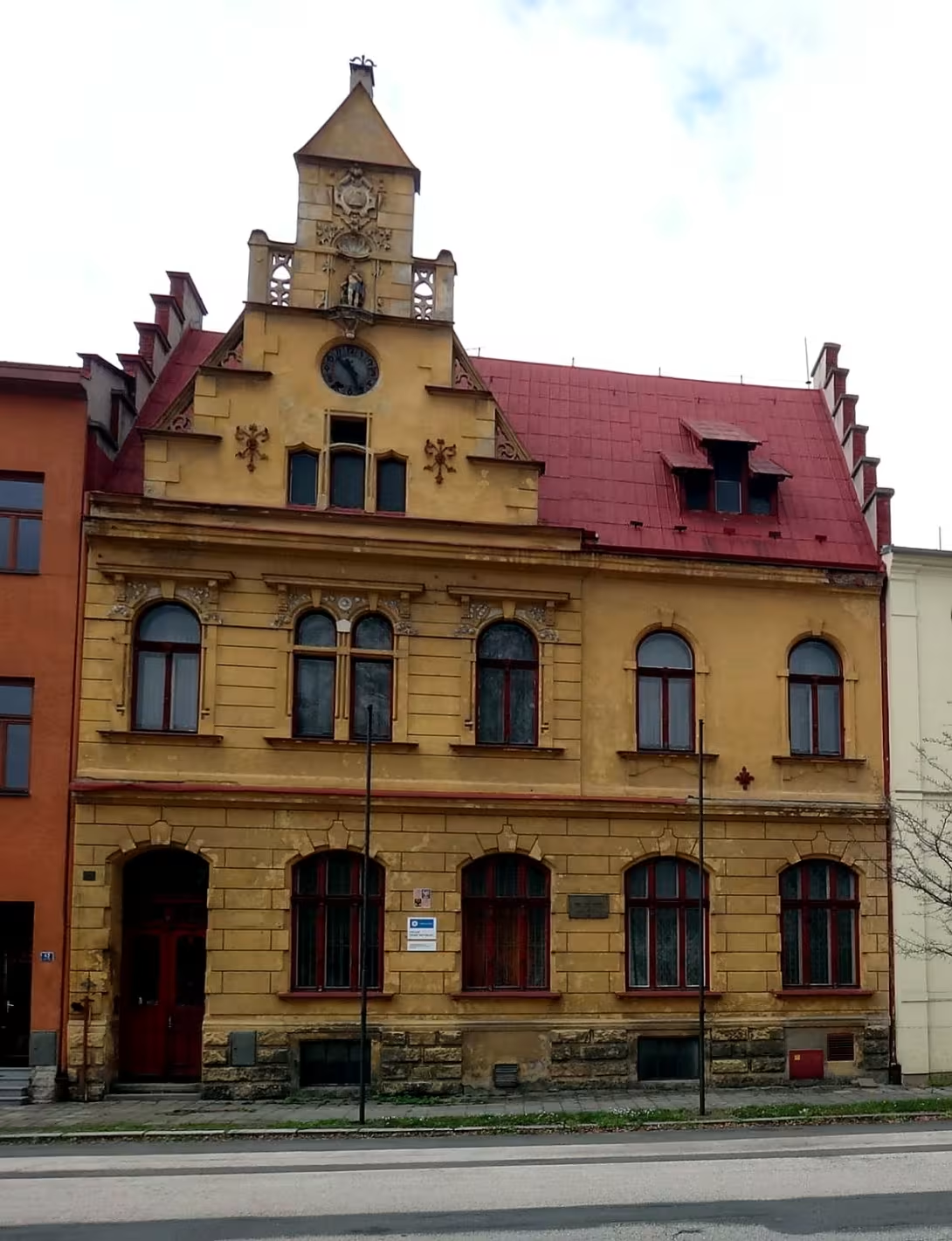
Nový Bohumín, German Neu Oderberg, was born from the railway. In 1847 there was a whole new settlement on the town of Shunychl, right when building the railway station near the newly built railway. The place was unusual - in the middle of dense woods and swamps, which had to be dried up first in order to build here. The original name of the settlement, Shunychl-Bohumín-railway station, was directly testifying about its purpose. It was only on April 14, 1924 that the city received today's name, and on October 16 of the same year, the government of the Czechoslovak Republic promoted it to a city. In 2020, the city had less than 13,000 inhabitants.
The overpowering construction of administration and flats was not a sign of architectural refinement - nor was there a dominant square like in traditional cities. Yet a number of interesting buildings have survived here, which speak of urban history. The station and the circular draw of the Czech Railways from 1891 are central elements. The north side of today's square T. G. Masaryk occupies the original town hall from 1897 to 1898, which was returned after sensitive repairs to its original purpose. Next to it stands a complex of German school buildings from 1894 to 1914, today converted into a seat of the city office. The religious architecture preserved interesting structures: the Catholic Church of the divine heart of the Lord from 1896, the Catholic rectory from 1905 and the neo-gothic Church of the Silesian Evangelical Church from 1901 on Štefanik Street. The historical buildings of the former Notre Dame monastery from 1903 today serve as the High School Bohumín. The historical layer of the city is complemented by the Skroon Bridge from 1887, the historical steel footbridge from 1870 (extended in 1902) and the road overpass on Bezručov Street, which was festively collaborated on 30 April 1964.
The city also carries traces of military history. The military crew was set up here in the fall of 1923. Another military complex was built in Shunechl to prepare a defense against World War II. Since the early fifties of the last century, a railway army has been housed in the barracks, leaving here on 6 April 1994.
Today, Nový Bohumín is an industrially active city with Bochemie, Bonatrans, Czech Railways and Railway and Wire Works Bohumín. Visitors and citizens can request information in four information centres - in the city library, city office, railway station or in the original Pension in the tower next to the indoor aquacenter. The city has relations with three Polish partner cities: Zdzieszovice, Prudnik and Grodkow.
Historical milestones
- 1847
- The establishment of the headquarters in the construction of the railway, originally as part of the municipality of Shunychl.
- 1924
- Change the name to Nový Bohumín and promotion to the city.
- 1891
- Position of circular draw of Czech Railways.
- 1967
- Approval of a new city emblem after a competition.
Architectural development
It was created as a seat around a railway station with typical functionalist elements of the 20th century. The oldest preserved buildings are from the end of the 19th century (station building, town hall, churches) in the style of historism and neo-gothic. In the 1950s, the barracks of the railway troops were built. At present, the urban structure is dominated by a pedestrian zone and modern features.
Historical events
- 1847
- The establishment of the headquarters in the construction of the railway line, originally as part of the village Shunychl called Shunychl -Bohumín- railway station.
- 1924
- Change the name to Nový Bohumín and promotion to the city.
- 1964
- Festive road overpass housewarming on Bezručov Street.
Points of interest
- The town was established in 1847 as a settlement directly during the construction of the railway station on the town of Shunychl, originally called Shunychl -Bohumín- railway station.
- The original site was unusual because it was in the middle of a dense forest and swamps that had to be dried first.
- The city received today's name Nový Bohumín until 14 April 1924, and was already promoted to the city of the Czechoslovak Republic on 16 October of the same year.
- Historical buildings include railway stations and a circular draw of Czech Railways from 1891, the original town hall from 1897- 1898 and a complex of German school buildings from 1894- 1914.
- The military crew was set up here in the autumn of 1923, and later there was a railway army until 6 April 1994.
Guide
This guide is narrated by a synthetic voice generated by artificial intelligence.
Show guide text
This text was created by artificial intelligence and has not been editorially reviewed. It may contain inaccuracies.
Welcome to New Bohumín. Stop for a moment, take a breath and feel the atmosphere of the place where you are now. You're standing in a space that's much more than just an ordinary city. It is a living monument to the human will, technical progress and transformation of nature. Now, if you look around you, you may perceive the order and structure of this residential unit, but to really understand what we see, we have to go back almost two yards in our minds.
Imagine you're standing in this same place in 1847. Forget buildings, roads, and the sound of railway bikes. All you'd hear around you is the noise of dense forests and the silence of swamps. Yes, right here, in an inhospitable landscape full of wetlands and wilderness, the story of the New Bohumín began. There was no town at the time, only a wasteland on the village of Shunychl. Everything changed with the arrival of the railroad. The construction of the railway line was the impulse that took this place out of oblivion.
The creation of this mansion was not an easy task. Imagine the thousands of hours of hard work that were needed to dry the inhospitable swamps, and the forests become land suitable for building houses and tracks. It was a monumental victory of man over nature. Nový Bohumín has not been created organically for centuries, but has been essentially invented and built as a modern railway station. It was a planned space to serve one main purpose: to promote the development of transport and industry.
Now, when you're moving around, notice the overall layout of this space. Even though you see a modern city today, its skeleton still has its original functionality. Look at the facade of the surrounding buildings and see how the city is organized. Everything here has been adapted from the beginning to the needs of railway workers and workers who have started to live here and create new communities.
One of the most important elements to focus your attention on in this space is the circular draw of Czech Railways. This 1891 construction is a fascinating testament to the time of the steam. Try to imagine the huge locomotives that drove into this circular building to find refuge, maintenance and care. The circular shape was not random, it was the peak of engineering at the time, which allowed effective handling of heavy machinery. It's a place where practical utility meets aesthetic purity of industrial architecture.
Now let's think about how this place evolved. Nový Bohumín wasn't just a set of buildings, it was a dynamic organism. From a small settlement, which was originally part of the village Shunychl and wore a somewhat complicated name Shunychl Bohumín railway station, a strategic node developed. The site quickly became a key industrial and military point. Development was driven by rail transport and metallurgy, attracting thousands of people here looking for a fresh start and a better life.
This growth was so rapid and significant that there was a fundamental change in 1924. The settlement has definitely separated and gained city status under the name Nový Bohumín. It was a recognition that the swamp and the woods had formed a centre that moved the region. Although we do not know the names of the particular architects who designed individual houses, we see their joint signature in the form of a functional and resilient city that was intended to serve the generations of railway workers.
Now pay attention to details that can escape at first sight. If you see a city emblem, remember 1967. Just then, a new city emblem was approved after the competition. It's an interesting detail that shows that even in the days of later development, the city tried to define its identity and look for symbols that represent its character and pride.
Perhaps now you might wonder why this particular place was chosen when it was so inhospitable. The answer lies in geography and strategy. The railway needed specific routes and Nový Bohumín became the natural point of meeting paths. What was an obstacle in the shape of swamps became a challenge accepted by the engineers at the time. It's fascinating to think that under your feet, under the asphalt and the pavement, water once flowed and dense forests grew. The whole city is basically built on a derivative surface, to win over the wetlands.
This history teaches us that nothing is permanent. What was a wasteland in 1847 turned into a pulsating heart of transport over a few decades. Nový Bohumín is such an example of transformation. It is a place where nature meets technology and where the personal fate of thousands of unknown workers intersect with the great history of European industry.
If you look around now, try to imagine the noise that must have been here a century ago. The whistling of steam locomotives, the screams of workers, the hammer wounds and the constant movement of people from all over the world passing through. Nový Bohumín was a gateway, a node, a meeting point of culture and technology.
Now we invite you to continue your walk. Go through the streets, see the rhythm of this town and look for traces of the original railroad glory. Watch the modern elements intertwine with the historical ones and think about how much effort there was behind every subway track and every house you see here today.
Thank you for spending a moment with us in the history of New Bohumín. We hope that this view helped you to see more in this city than just buildings and streets, but the real story of courage and progress. We wish you a pleasant continuation of the journey and many new discoveries in this fascinating region. Goodbye.
Frequently asked questions
Is Nový Bohumín open to the public?
Yes, Nový Bohumín is open to the public. The monument is freely accessible daily from 9: 00 to 16: 00.
How do I get to the place by car / public transport?
You can get by car to a nearby parking lot or take advantage of the urban transport that stops before the monument.
How much is the entrance fee and is it paid on the spot?
Admission is free. There's no payment.
Is the tour suitable for children and seniors?
Yes, the tour is suitable for all ages. The monument has access stairs, but they are well lit and allow easy walking.
How long does the tour take?
The tour takes about 30 minutes. However, you can take the time and explore the surrounding forests and swamps.
What are the opening times and booking is required?
The monument is freely accessible daily from 9: 00 to 16: 00. Reservation is not necessary.
For kids
Imagine going back to the past. The spinal cord before there were railways and cars was completely different. Nový Bohumín, it was a small village where people lived from the point of view, agriculture and animal breeding.
There were people here who lived for a living by stealing, hunting and collecting fruit. The village was full of life, music and dance. People would meet at the markets, and nights would gather around the fire and tell stories.
Businesses nearby
Do you run a restaurant, accommodation, shop, museum, rental, wellness or other visitor service near this monument? Show yourself directly to the people heading to it — this is how they will see you in the app and on the web:
Events nearby
Zdroj akcí: otevřená data měst a obcí ČR (Národní katalog otevřených dat) a kalendář akcí Národního památkového ústavu.
Nearby
{'monuments': [{\ 'name': 'Skrytonská bridge', 'type': 'bridge', 'year _ exhibits': 1887, 'paragraph': 'Over the River Oder, about 1 km from the centre of New Bohumína'}, 'name': 'Church of the Divine Heart Lord', 'type': 'church', 'year _ exhibits': 'Green space for the urban centre', 'paragraph': 'Catholic church in the historical centre of the city', '},' name 'Fortress system Shunychl', 'type': 'castle', 'year _ exhibits': 'between the world's wars', 'paragraph' paragraph '
Accommodation nearby
Themed route
Thematic cruise route: Nový Bohumín and its historical monuments
1. Church of the Divine Heart of the Lord * Type: * Catholic Church * Why visit? * It is a dominant feature of the historical centre of New Bohumína, built in neo-Gothic style. Its interior with rich decoration and organ is a rare example of sacral architecture from the end of the 19th century.
2. Nový Bohumín (seat unit) * Type: * Urban area * Why visit? * As a separate residential unit, it offers picturesque buildings with preserved villas and functionalist houses from the period of industrial development. Ideal for walking on quiet streets with regional character.
3. Skrone Bridge * Type: * Railway bridge over the Oder River * Why visit? * Technical monument from 1887, which connects Nový Bohumín to the surrounding area. Its iron structure and strategic location at the Odra River prove the importance of the area for transport in the past.
4. Shunichl strength system * Type: * Fortification * Why visit? * A unique remnant of fortifications from the period between world wars, which served as part of the Czechoslovak border system. The visit offers a view of the region's military history and its strategic role.
Seasonal recommendations
Spring In New Bohumín, spring manifests itself primarily by changing the surrounding nature - blooming trees and green meadows provide a peaceful, almost rural atmosphere to the settlement. The morning sun illuminates historic houses and streets so that their colors - from dark facades to pastel window frames - act fresh and live. The air is still cold, but sunny days attract walking along local paths, where the remnants of winter snow are mixed with the first spring flowers. The specific sound environment is also: the singing of birds and the noise of branches replaces winter silence, while on Sunday music from local pubs is occasionally heard. * Practical advice: * In April and May it is advisable to visit the memory early in the morning to avoid possible rain showers that are frequent this season. Clothes should be layered - warm sweaters with a light coat, because temperatures change rapidly. A tour of historical objects is quiet at this time, but some outdoor exposition can still be closed due to preparation for the summer season.
Summer The summer Nový Bohumín offers not only sunny days, but also a pleasant evening atmosphere, where the streets turn into a meeting place for local and visitors. The warm afternoon illuminates the memory with golden light, which highlights the details of historical buildings and creates long shadows on them. The air is light and saturated with the scent of grass and flowery shrubs that decorate the edges of the roads. In the evening, the local premises are filled with the sounds of conversations and occasional laughter from the terrace cafes. * Practical advice: * The best time to visit is early in the morning or late in the afternoon to avoid the main stream of tourists, which is mainly directed here in July and August. It is recommended that light but protective clothing - a sun hat and light shoes, because sidewalks can be unpleasantly hot in the heat. All outdoor exhibitions are open in the summer months, but some interiors can be limited to the previous booking due to greater interest.
Autumn Autumn brings to New Bohumína golden color leaves that are reflected in the windows of historic houses and create a magical atmosphere on the streets. The colder air and short days give the memory a more mysterious, introspective feel, especially in November when the first freezers touch the trees. The light is changing - the morning sun is softer, while the afternoon is dominated by shadows that create dramatic contrasts between old walls and green areas. The air smells of burnt leaves and moisture that rolls through the streets in the morning. * Practical advice: * The best time to visit is in the afternoon when the sun still shines enough, but the crowds are less than in the summer. Clothes should be warm but not too mass - sweaters, hooded jackets and waterproof shoes are ideal because autumn rains can be sudden. This season some outdoor areas are already closed, but the interiors of historic buildings offer a cozy environment with the possibility to taste local specialities.
Winter Winter Nový Bohumín is quiet and almost fabulous, when the snow cover turns the streets into mirror surfaces and historic houses appear to be drawn from period illustrations. Freezing air and short days create a unique atmosphere where the monument appears to be preserved in time - without crowds, with a minimum of excitement and feeling that every step of the snowy pavement is almost sacred. The light here is soft and shadows long, which gives the old buildings a mysterious, alter gothic look. The church bell or the smell of baked almonds from the surrounding area occasionally comes at the Advent time. * Practical advice: * The best time to visit is in the afternoon when the sun still shines enough but before sunset to avoid premature darkness. Clothes must be warm and comfortable - laminated sweaters, warm shoes with anti-slip soles and gloves are necessary because temperatures often fall below freezing. In winter some outdoor exhibitions are closed, but the interiors of historical objects offer a cozy environment with the opportunity to taste traditional winter dishes. The opening times of the monuments are shortened this season, so it is advisable to check the current information in advance.
Visualizations and artistic views


The visualisations are generated by artificial intelligence and serve as inspiration.
Photos from the area
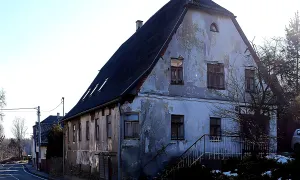
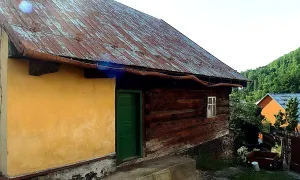
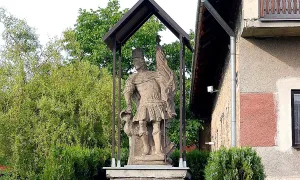
Real photos taken near the monument


Zdroj a licence jsou uvedeny u každého snímku.
Atmosphere of the place
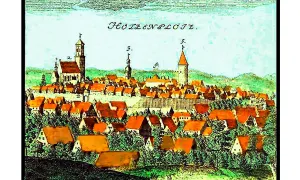
This atmospheric visualisation of the place and period was generated by artificial intelligence. It is not real footage of the location.
Tips from visitors
No tips yet. Be the first!
Log in and add your tip.
Sources and literature
Fotografie: Dagmar Titzová / CC BY-SA 3.0 — Wikimedia Commons. The author and licence also appear when you hover over the image.
Faktickým podkladem tohoto textu byl článek na Wikipedii, jehož autory jsou přispěvatelé Wikipedie. Článek je dostupný pod licencí CC BY-SA 4.0.
Location on the map
Příběhy a pověsti
Legendy, pověsti a příběhy spjaté s touto památkou
Fotografie návštěvníků
Zatím žádné fotografie. Buďte první, kdo přidá fotografii z návštěvy!
Přihlaste se a přidejte svou fotografii nebo hodnoťte.
Za ověřenou návštěvu v aplikaci získáte víc bodů — poznáme podle GPS, že jste na místě.
Reviews and comments