



Svákov Hillfort
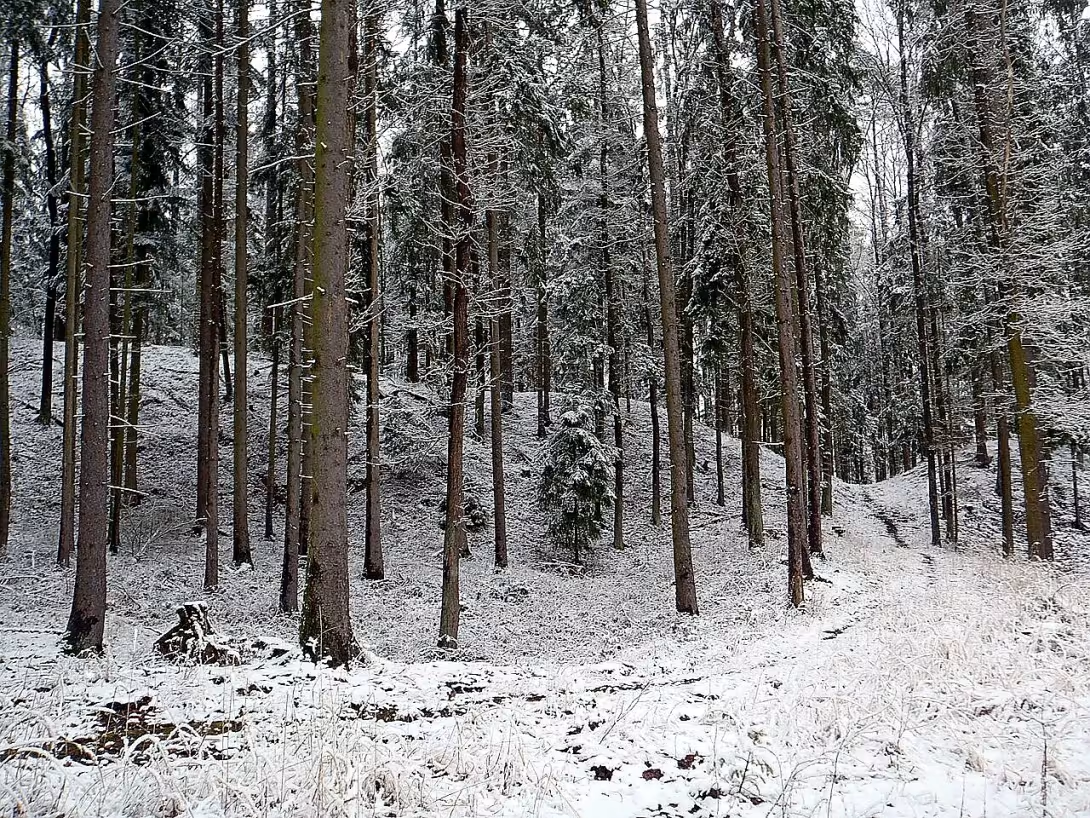
Svákov is an early medieval archaeological site near Sobeslav in South Bohemia, which attracts its rich historical background and architectural structure. This place is important not only for the long history of the settlement from eneolithic and iron age, but especially for the remains of the early Middle Ages. The castle area is protected as a cultural monument and probably served as a seat of the local elite.
The history of the Svákov Hradiště reaches into the eneolithic and older times of iron. The oldest news about the existence of the castle dates back to 1760 from the chronicler Peter Kaspar Světecký, who mentioned the ancient city of Svákovo. The castle is associated with a layer of Slavic princes of the ninth century and its demise probably related to military events following the fall of Great Moravia, Hungarian raids and the rising power of the Přemyslovovs. Archaeological research at the end of the nineteenth and early twentieth centuries revealed the prehistoric findings of the eneolithic era, but could not be used to date the formation of fortifications. In 2007, a ceramic shard was obtained during archaeological research in the flush layer of the wall, which dates from the Bronze to Halštat era.
The architecture of the Svákov Castle is characterized by a fortification formed by a wall with an outer wall. The castle is located on the island above the river Lužnica at an altitude of 440- 455 metres, where natural geography provided protection from the south and east side. The steep cliffs protected the fort, while on the north-fall side it was fortified by a wall and an outer moat of three to twenty meters wide and a deep one to three meters deep. The wall, whose front wall was made of dry laid stones, could be supplemented with wood clay construction. The entrance to the castle probably led on the southwest side and another possible entrance was towards Lužnice.
Although we do not know the exact use or internal layout of the fort, it is possible that there was a fortified courtyard for local elites. The fort was hit twice in a row by a fire in the second half of the ninth and at the beginning of the tenth century, leading to the demise of the wall.
Today Svákov is an important archaeological site that attracts historians and tourists. Its position on the island over the river Lužnica and the proximity of the town of Soběslav makes it interesting for those interested in the early medieval period in Bohemia. Svákov is a reminder of the complex history of the region and offers the possibility of further discovery.
The visit of the Svákov Hradiště is not only a way into the past, but also an opportunity to explore the rich history and culture of the Czech Republic. This monument is witnessed by important events and changes in the region and is worth discovering in order to better understand the history of our nation.
Historical milestones
- 1760
- Petr Kašpar Světecký in chronicle mentions the existence of the ancient city of Svákova.
- 2007
- Archaeological research in the flush layer of the wall, where a ceramic shard was found.
Architectural development
The fortification formed a wall with an outer wall made of dry laid stones and wood clay structures. There was a ditch up to 20 metres wide outside the wall. The whole area has an area of 3.8 hectares and uses the natural protection of steep cliffs.
Historical events
The demise of the fort was linked to the raids of the Hungarians and the rising power of the Přemyslovů dynasty. The wall was destroyed twice by a fire between the end of the ninth and the beginning of the tenth century.
Points of interest
- Svákov is an early medieval archaeological site near Sobeslav in South Bohemia with rich historical background and architectural structure. - The fort is associated with a layer of Slavic princes of the ninth century, and its demise probably related to military events following the fall of Great Moravia, Hungarian raids and the rising power of the Přemyslovas. - Archaeological research revealed prehistoric findings from the eneolithic era and the period of the Hallatians, but they could not be used to date the formation of fortifications. - The fort is located on the island above the river Lužnice with natural geography providing protection from the south and east side, protected by steep cliffs and fortification by the wall. - The fort was hit twice in a row by a fire in the second half of the ninth and early tenth century, which led to the demise of the wall.
Guide
Show guide text
This text was created by artificial intelligence and has not been editorially reviewed. It may contain inaccuracies.
Welcome to the historical site Svákov! You are standing right in front of a mysterious and fascinating monument that has taken you back to a distant past. The fort extends over the river Lužnice near Soběslav and it is a place full of historical stories and archaeological finds. Now, notice how sharp it stands out from the surrounding landscape, offering a view of the valley of the Lužík River.
Let's dive into the history of this place. Svákov is associated with the early Middle Ages and has roots that extend far back in time. Since the eneolite and the iron age, this site has been inhabited, but the main remains come from the Middle Ages. In 1760 Petr Kašpar Světecký mentioned in its chronicle the existence of the ancient city of Svákova, which today provides us with valuable historical context.
Look up and notice the remains of the walls and the wall. Although particular architectural elements are not preserved, the atmosphere of the place tells its story of ancient times. The fort was probably the seat of the local elite, and its structure allows us to feel how life used to work here.
Key personalities associated with this place include Jan Nepomuk Woldřich, who contributed to the research and understanding of the history of Svákova. His work helped uncover important aspects of life in this castle.
One of the attractions of this place is its connection with the ninth century Slavic princes. The demise of the castle was probably related to military events after the fall of Great Moravia, which adds another layer of mystery and historical significance to the site.
Now that you've looked at the details, by inviting them to explore the premises more remotely. Every step here can bring new knowledge of the ancient times and lives of the people who once inhabited this land.
Thank you for your visit Svákova. We hope that this historical guide inspired you to further explore Czech monuments and their rich history. When we meet in another interesting place!
Tips for visitors
The best time to visit is spring and autumn months, when the landscape around the Lužík River is better visible thanks to lower vegetation. We recommend to take fixed shoes suitable for the field, plenty of water and insect repellent. For the best photos we recommend arriving in the morning or late afternoon light, where the most beautiful views of the surrounding landscape and river are from the sharpness. As part of a short trip visit the town of Soběslav or walk along the river Lužezka. For families with children is the perfect place for an active survey of history in nature, we recommend to prepare in advance simple questions about the Middle Ages to make the trip educational.
Frequently asked questions
Can the monument be visited?
This is an archaeological site. Often there is little to see on the ground and the land may be private. We have not verified access.
Where is the monument?
Location: Soběslav II, Jihočeský kraj. The map on this page shows the exact spot.
Why is the monument protected?
It is listed in the Central List of Cultural Monuments of the Czech Republic as a cultural monument (register no. 1000152704).
Businesses nearby
Do you run a restaurant, accommodation, shop, museum, rental, wellness or other visitor service near this monument? Show yourself directly to the people heading to it — this is how they will see you in the app and on the web:
Nearby
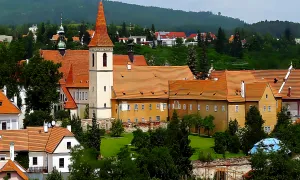
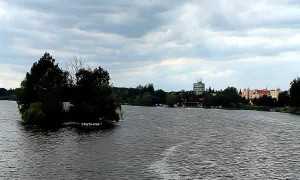
Řeka Lužnice a město Soběslav.
Accommodation nearby
Themed route
1. Sobeslav (city) - The starting point of the journey where you can explore the city centre and its atmosphere. 2. The Lukek River (Water Flow) - Walk along the shore offers peace and a pleasant connection with nature. 3. Svákov (archaeological sites) - Top of the program which reveals fascinating traces of ancient human settlement.
Seasonal recommendations
Spring: In the spring period Svákov offers unique lighting, where the sun's rays create living shadows on the remnants of ancient states. This is the time when nature wakes up and the surrounding forests begin to bloom. For a visit it is advisable to choose cooler days in spring, because the temperature is pleasant for long walks around the historic place. It is recommended to wear clothes that are easily removed in order to respond quickly to sudden changes in weather. Visitors can look forward to a slight flow of people and ideal conditions for photography.
Summer: Summer brings long days and warm sun that illuminates Svákov in full beauty. Nature is in bloom, which gives the atmosphere of life in this historic place. This season it is recommended to visit early in the morning or late in the afternoon to avoid the heat and crowds that are common in the main summer season. Wearing light clothes with sun protection and having plenty of drinking water is crucial for a comfortable visit.
Autumn: Autumn offers Svákov in beautiful colour shades, when tree leaves go to golden and red nuances. The atmosphere is calm and quiet, creating ideal conditions for enjoying peace and historical space. During this period the weather may be variable, so it is advisable to prepare for a cool wind or first rain. Visitors should wear top clothes and the possibility of rain protection. This time of year is ideal for those looking for a peaceful visit without large crowds.
Winter: In winter months, Svákov offers a completely different atmosphere with cool, often snowy conditions. This period attracts those who seek peace and sight of ruins covered by the first or third snow. The opening time is shorter and visitors should wear warm clothes, including hat and gloves, for protection against cold. Despite the difficult circumstances, this time can be considered a unique opportunity for special photography and a peaceful environment.
Visualizations and artistic views


The visualisations are generated by artificial intelligence and serve as inspiration.
Photos from the area
Real photos taken near the monument

Zdroj a licence jsou uvedeny u každého snímku.
Tips from visitors
No tips yet. Be the first!
Log in and add your tip.
Sources and literature
Photos: Ondrej.balik / CC0 — Wikimedia Commons. The author and licence also appear when you hover over the image.
Faktickým podkladem tohoto textu byl článek na Wikipedii, jehož autory jsou přispěvatelé Wikipedie. Článek je dostupný pod licencí CC BY-SA 4.0.
Location on the map

Příběhy a pověsti
Legendy, pověsti a příběhy spjaté s touto památkou
Fotografie návštěvníků
Zatím žádné fotografie. Buďte první, kdo přidá fotografii z návštěvy!
Log in a přidejte svou fotografii nebo hodnoťte.
Za ověřenou návštěvu v aplikaci získáte víc bodů — poznáme podle GPS, že jste na místě.
Reviews and comments